- Category
- Other
- State
- Liquid
- Usual unit
- cup
What it is
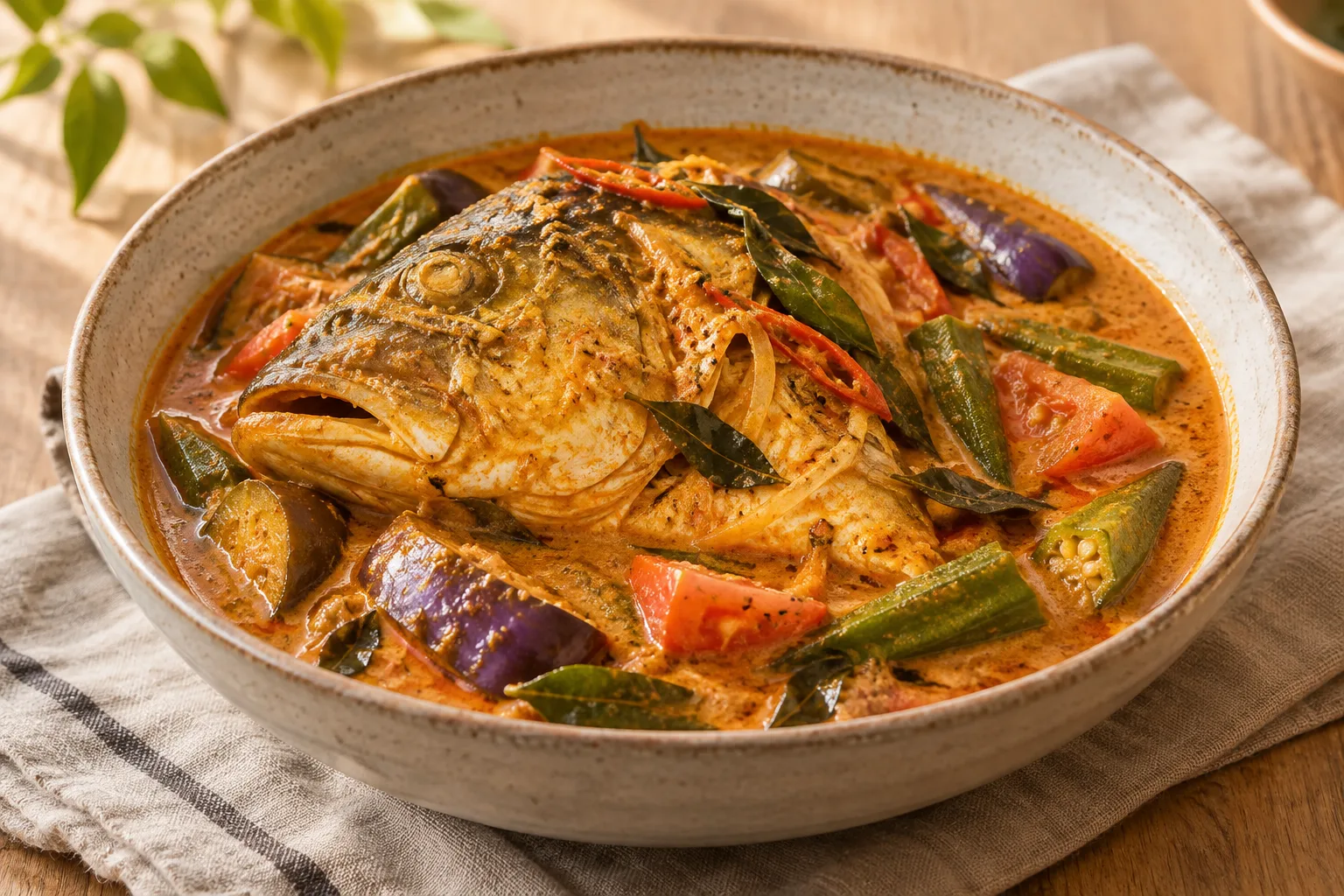
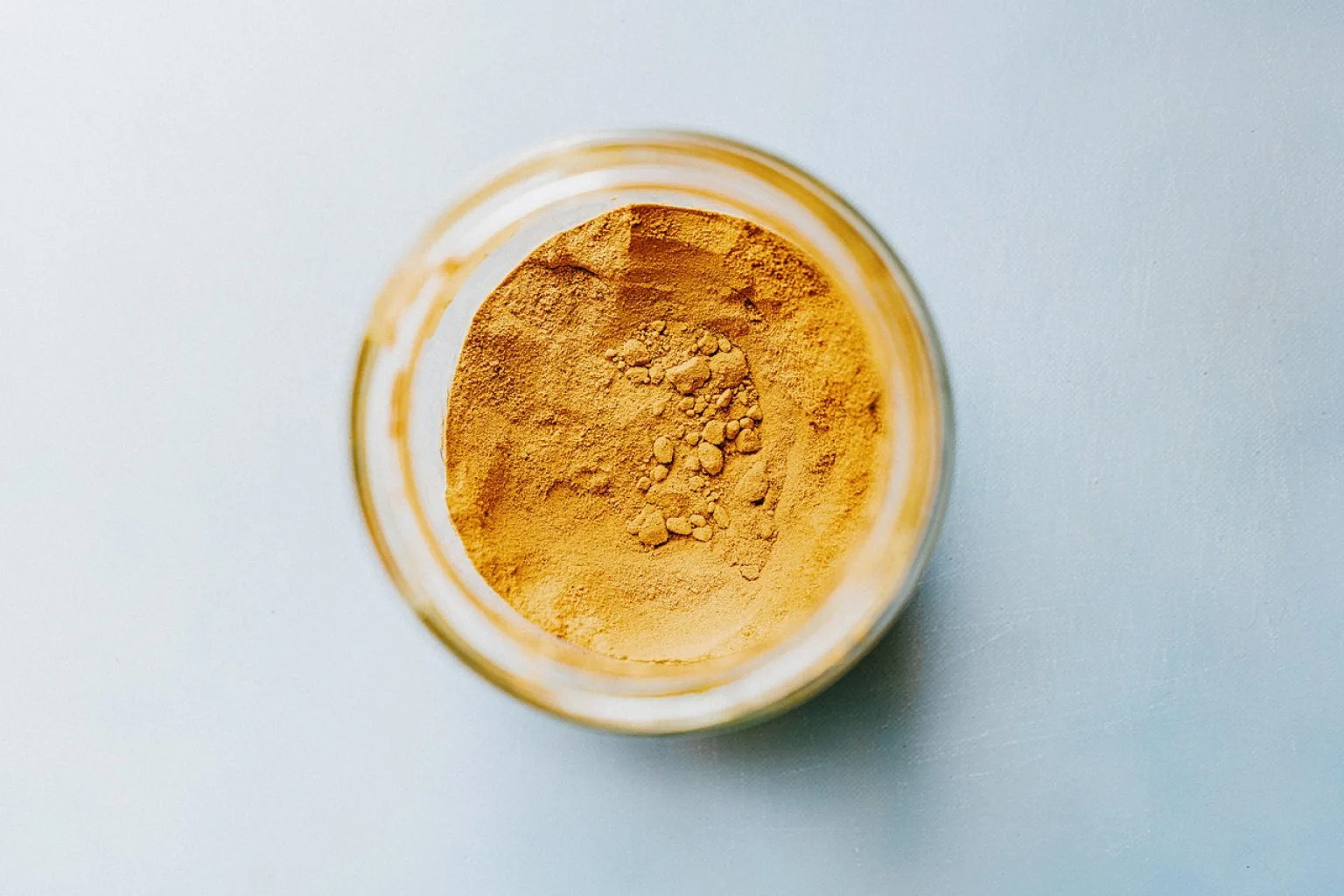
Water for curry paste means water used in a preparation that includes curry paste. It is not itself a paste or a spice blend; it is a liquid that may be mixed into the paste or a curry dish when the recipe calls for it. Curry refers to many different preparations, and curry pastes and spice mixtures vary, so there is no single amount of water that suits every recipe. When specified, water provides moisture and can help adjust consistency. The amount depends on the paste and the result you want, so begin with a little and add more only if needed. Water does not contribute the flavor of stock or the richness of coconut milk.
When to use it
Use water when a curry-paste recipe calls for it to loosen the mixture, incorporate the paste into a preparation, or adjust a stew that is too thick. It is useful when you want to add liquid without bringing in the distinct flavor of stock or coconut milk. Do not add it automatically: some preparations already contain enough liquid, and recipes and pastes differ. If you are unsure of the amount, start with a small addition and check the consistency before adding more.
How to use it
Follow the recipe and measure the water it specifies; there is no universal quantity for all curry pastes. If you are adjusting consistency, add water a little at a time while stirring so you can see how it combines and avoid making the mixture thinner than intended. For a sauce or stew, add it at the point specified in the recipe, then check the consistency again after mixing. Do not treat water as interchangeable with stock or coconut milk: those liquids also appear in some curry preparations, but bring different flavors or richness. If you use another liquid instead of water, account for that change in the finished dish.
Flavour and texture
Water tastes neutral and adds moisture rather than the spice character of curry paste. It can loosen a thick paste and make a preparation less concentrated. The amount affects the result, so add a little first and stir before deciding whether more is needed. Stock and coconut milk are not flavor- or texture-neutral alternatives.
How to choose it
For cooking, choose water suitable for drinking and use it as directed by the recipe. You do not need a special product called curry-paste water; the name describes how water is used in the preparation. If local authorities have issued an advisory or restriction concerning water quality, follow their guidance rather than assuming any water is suitable for cooking.
Storage
Water does not need special culinary storage when used directly in a recipe. Avoid leaving it in dirty or uncovered containers, and follow local guidance if there is an advisory about its quality. If you have mixed water with curry paste, store the mixture as part of the prepared dish and follow the recipe or product’s storage instructions; the added water alone does not determine how long it can be kept.
Substitutions
Water is the most neutral choice when a recipe needs added liquid. Stock can replace it if the recipe allows, but stock changes the flavor. Coconut milk is also used in some curry preparations and gives a richer, different result; it is not a neutral substitute. Add any replacement gradually and adjust the rest of the preparation in line with the recipe.
Common mistakes
Adding all the water at once can make the mixture thinner than intended. Another common mistake is assuming every curry paste needs the same amount, even though pastes and recipes vary. Water, stock, and coconut milk should not be treated as interchangeable without considering how each affects flavor and texture.
Safety and allergens
Use water suitable for drinking and clean utensils. If local authorities have issued a water advisory, follow their instructions for cooking; do not assume affected water is suitable for food preparation.
Culinary uses
- Diluting curry paste when a recipe calls for water
- Adding moisture to a curry preparation without introducing another pronounced flavor
Recommended techniques
- Stirring into curry paste gradually to make a looser mixture
- Adding in small amounts while stirring to control consistency
Pairs well with
- Curry paste and spice mixtures
- Rice served with curry dishes
Frequently asked questions
How much water should I add to curry paste?
Follow the recipe, because pastes and preparations vary. If you are only adjusting consistency, add water gradually and stir before adding more.
Can I use stock instead of water?
Some recipes allow it, but stock adds its own flavor. Use it only if it suits the result you want and the recipe instructions.
Is coconut milk the same as water in curry paste?
No. Coconut milk adds flavor and richness, while water is more neutral. It can work in some preparations, but it changes the result.
Sources and review
Automatically researched, cross-checked and validated content. Sources consulted:
- The Essential Glossary of Cooking Terms for the Culinary Arts - Escoffier escoffier.edu
- Gastronomía de la India - Wikipedia, la enciclopedia libre es.wikipedia.org
- Curry - Wikipedia, la enciclopedia libre es.wikipedia.org
- Agencia Española de Seguridad Alimentaria y Nutrición aesan.gob.es
- ¿Qué es más efectivo para reducir el consumo de agua, la concienciación o un incremento de las tarifas? doi.org
- Qué es eso llamado epistemología, para qué sirve, por qué es inexcusable para la universidad y para la paz | Reencuentro. Análisis de problemas universitarios doi.org
- Para la ciudadanía aesan.gob.es
- ¿Para qué sirve la pasta de curry? comocomofoods.com
- Curry: qué es, origen y propiedades - Oriental Market orientalmarket.es
- Cómo usar el curry en la cocina | Consumer google.com
- - YouTube youtube.com