- Category
- Meat
- State
- Fresh
- Usual unit
- unit
What it is
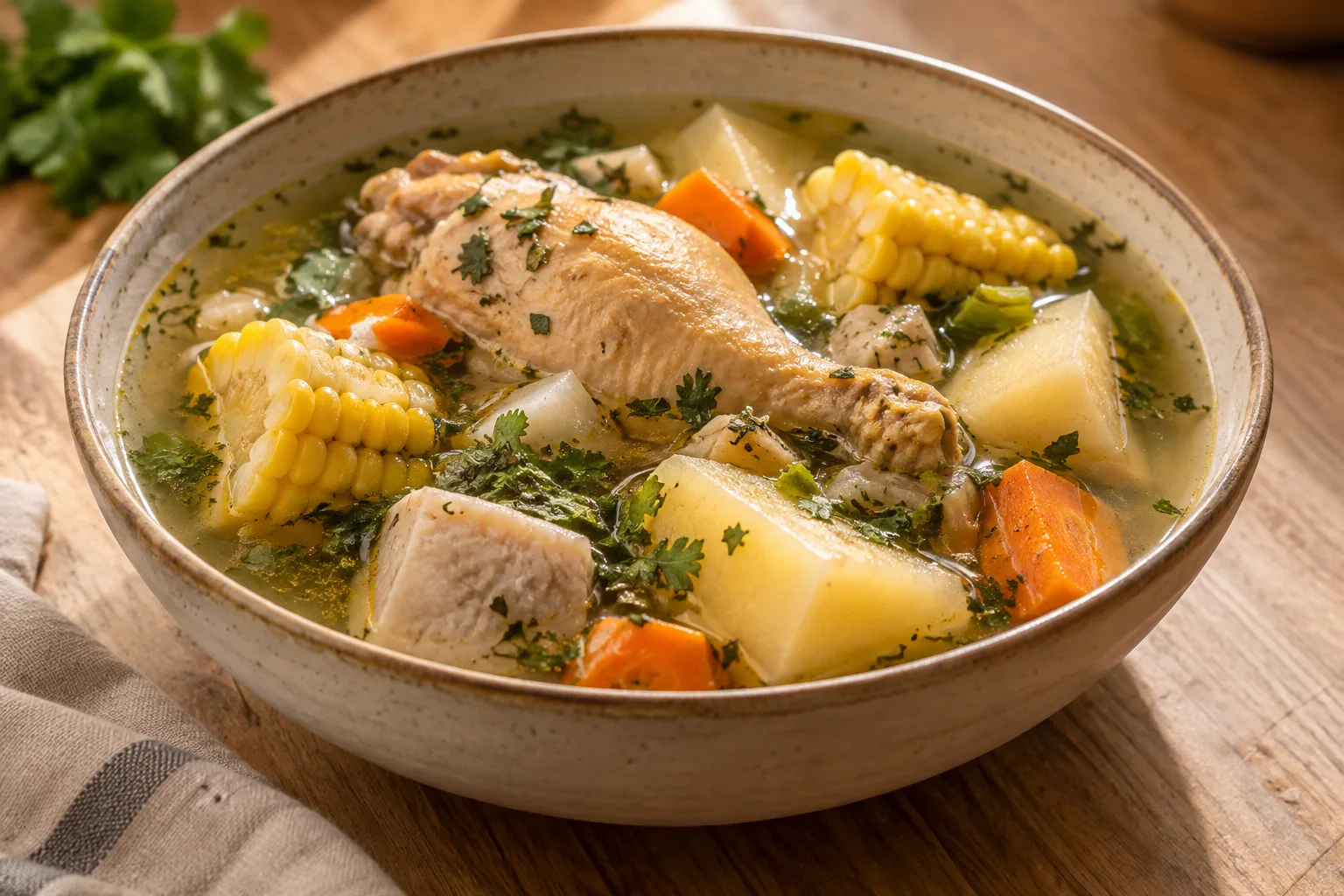
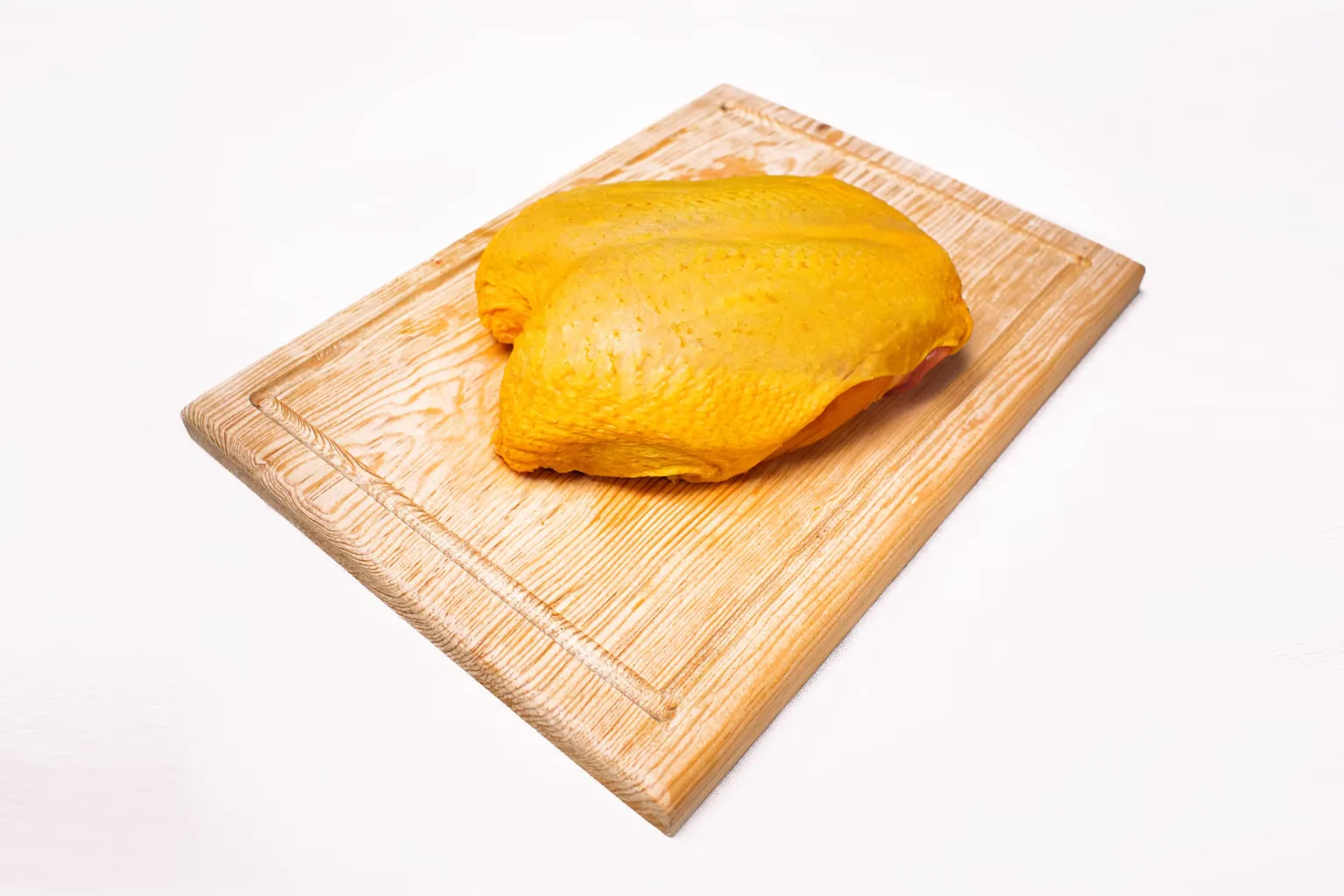
Whole bone-in chicken is a complete bird sold with its bones and different parts still together. Chicken is used in many preparations, including roasting, grilling, frying, stewing, soups and broths. Breast, thighs and wings can be cooked as parts or separated to suit a recipe. The carcass and bones can also be used to make broth. The parts differ, so the best preparation depends on the cut and the result you want. This profile concerns fresh whole chicken, not canned chicken or a cooked product.
When to use it
Choose a whole bird when you want to roast it and serve it in portions, or when you plan to use several parts in different dishes. It is also useful when you want to make broth or soup from the carcass and bones as well as serve the meat. If a recipe calls for only one cut or a small amount of chicken, separate portions may be more convenient. Depending on the recipe and cut, whole chicken can be used for oven roasting, grilling or stewing.
How to use it
Remove the chicken from its packaging and prepare the work surface and utensils you will need. You can cook it whole, such as by roasting, or separate it into parts to suit the recipe. Chicken is also used in stews, fried preparations and soups. If you break it down, keep the carcass and bones for broth; vegetables can be included in the broth. Season with herbs or spices of your choice and select a technique that fits the cut and dish. After handling raw chicken, wash hands, boards, utensils and work surfaces with warm, soapy water.
Flavour and texture
Chicken has a mild flavor that works with a range of seasonings and cooking methods. Its parts are not identical: breast, thighs and wings offer different cuts, and thigh meat can have a fuller flavor than breast. The bones give the whole bird its structure and make the carcass useful for broth. The finished texture depends on the part and cooking method; roasting, stewing and soup produce different results.
How to choose it
Look for a whole bird identified as fresh chicken and check that its packaging is intact and clean. Size and the proportions of the different parts can vary, so choose one that suits your preparation and the portions you need. If you also plan to make broth, remember that the carcass and bones can be used for that purpose. The available evidence does not establish a specific buying season.
Storage
Keep raw chicken separate from ready-to-eat foods during preparation. Follow the storage directions on the package and handle the bird on clean surfaces. After handling raw chicken, wash hands, boards, utensils and work surfaces with warm, soapy water. The information available here does not specify refrigeration deadlines, storage temperatures or freezing times, so do not infer them from this profile.
Substitutions
If you do not need to serve a whole bird, bone-in chicken portions can be used and the preparation adjusted to those cuts. For broth where the meat does not need to be served, a chicken carcass or bones can serve as the base. Neither option is exactly the same as a whole bird: the amount of meat, cooking approach and presentation will differ.
Common mistakes
Do not assume that every cut behaves the same way in a recipe: breast, thighs and wings are different parts and may suit different approaches. Another missed opportunity is discarding the carcass and bones when you want to make broth. Avoid using work surfaces and utensils again without washing them after raw chicken has touched them; clean them with warm, soapy water.
Safety and allergens
After handling raw chicken, wash hands, boards, utensils and work surfaces with warm, soapy water. The available information does not establish an internal temperature or cooking time; follow official food-safety guidance for cooking chicken.
Culinary uses
- Main course
- Base for broth and soup
Recommended techniques
- Roasting
- Stewing or simmering for soup
Pairs well with
- Vegetables in soups and broths
- Herbs and spices
Frequently asked questions
What can I make with a whole bone-in chicken?
You can roast it, grill it, stew it or use its meat in soup. The carcass and bones can also be used to make broth.
Can I use the carcass to make broth?
Yes. The chicken carcass and bones can form the base of broth, and vegetables can be added.
What should I clean after handling raw chicken?
Wash hands, boards, utensils and any surfaces that touched the raw chicken with warm, soapy water.
Sources and review
Automatically researched, cross-checked and validated content. Sources consulted:
- Client Challenge doi.org
- The Essential Glossary of Cooking Terms for the Culinary Arts - Escoffier escoffier.edu
- Carne de pollo - Wikipedia, la enciclopedia libre es.wikipedia.org
- Vamos a Conservar Alimentos: Sopas extension.psu.edu
- Todo lo que debes saber sobre la carne de pollo - Estudia Hostelería estudiahosteleria.com
- ¿Qué partes del pollo son comestibles? - Tirso de Molina mercadotirsodemolina.es
- Comité Científico aesan.gob.es
- - YouTube youtube.com