- Category
- Meat
- State
- Other
- Usual unit
- g
What it is
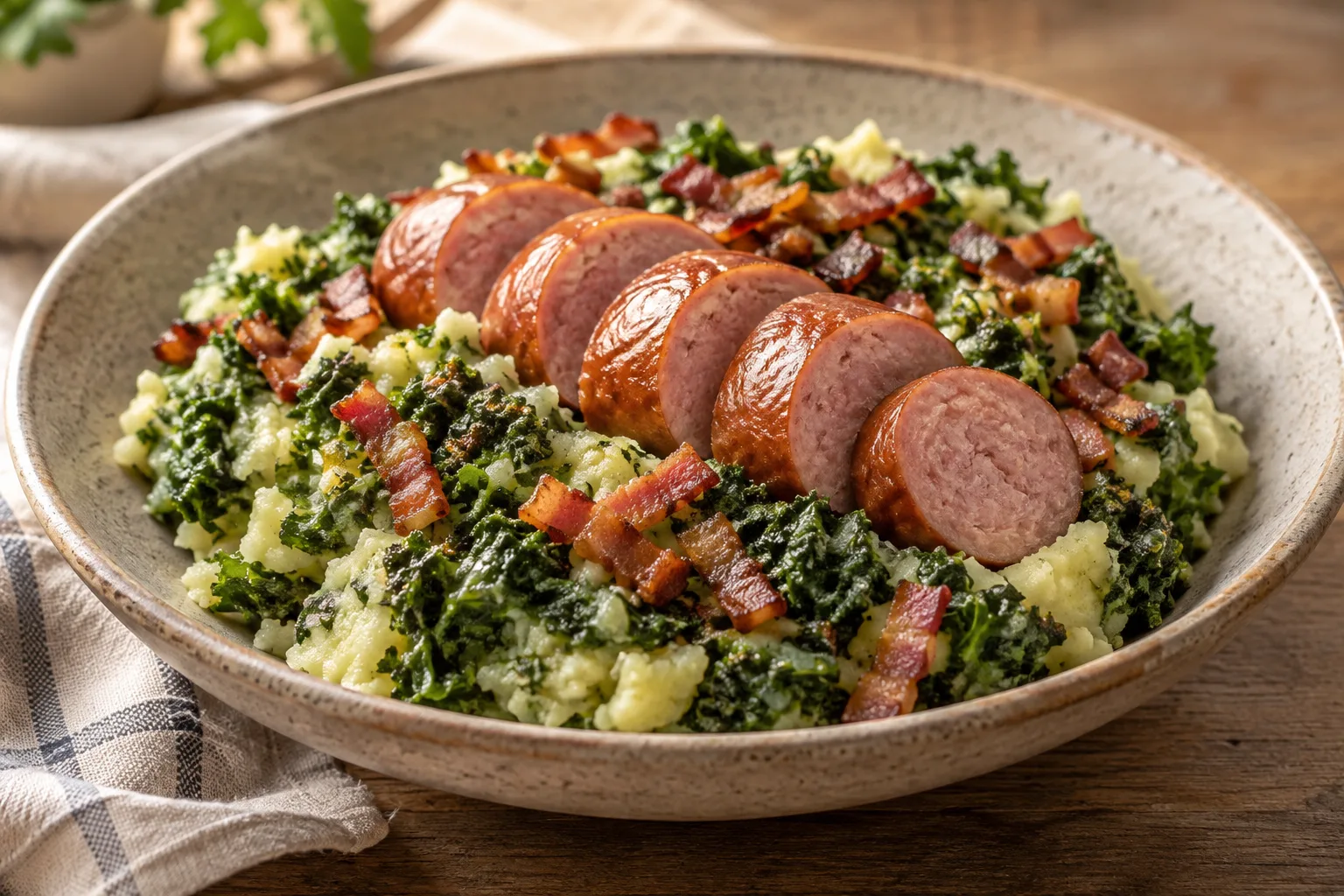
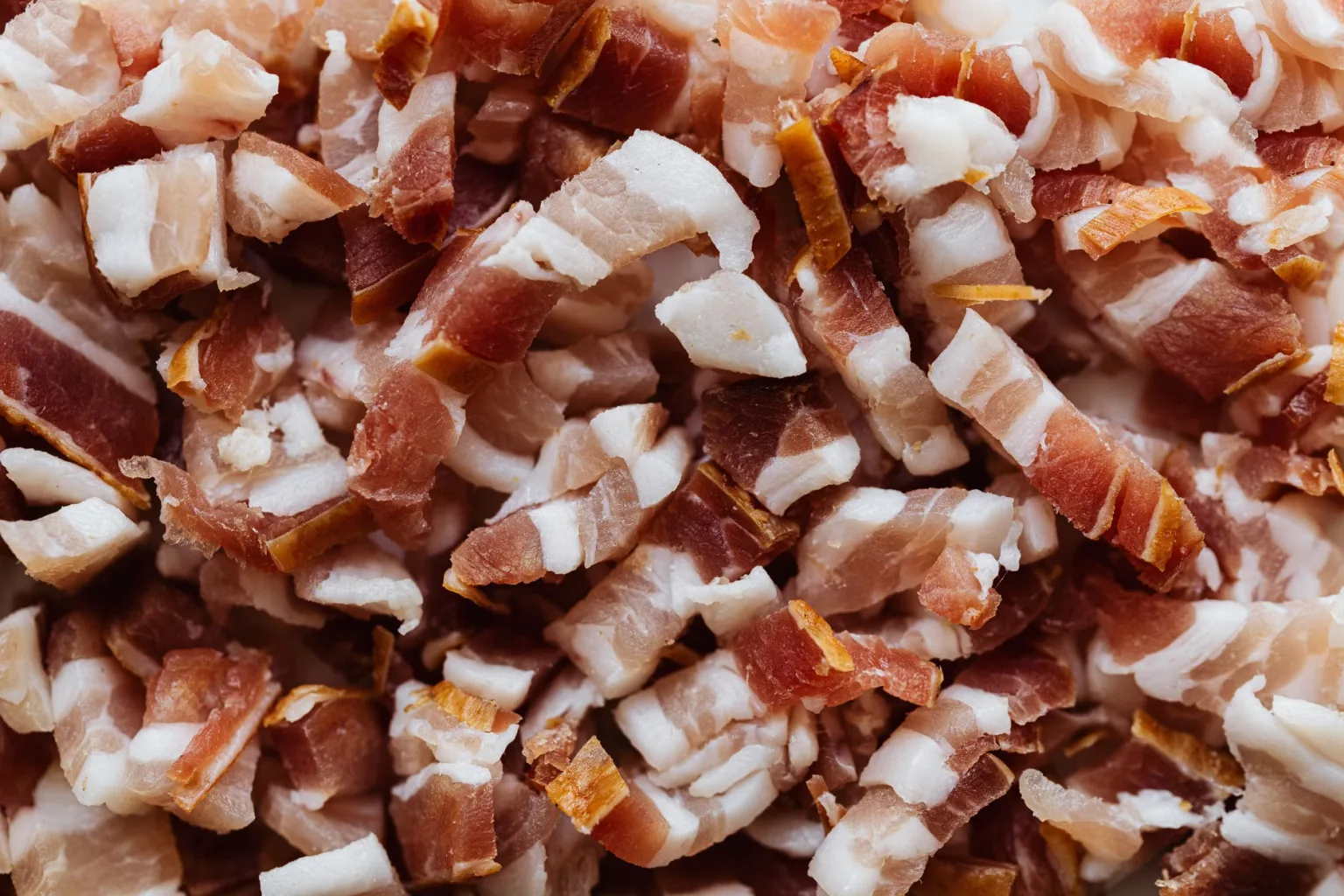
Lardons are small pieces of pork and fat, usually cut into short strips or cubes. They may be made from pork belly, fatty back cuts or other cuts, and some versions come from salted or cured meat. The name describes the cut and culinary use more than one fixed recipe: products may be smoked or unsmoked, although traditional lardons are often salted without smoking. Check the package rather than assuming every variety has the same salt level, fat content or intensity of flavor.
When to use it
Use lardons when you want to add a salty, meaty savoriness to a dish, or when you want to use their rendered fat as the starting point for a sauté. They work in warm salads, stews, quiches, omelets, potato dishes and some pasta preparations. If the product is cured or smoked, taste the finished dish before adding more salt: lardons can season other ingredients as they cook.
How to use it
Cut the lardons into similarly sized pieces if they are not already prepared. Brown them in a pan, stirring so they cook evenly and release some of their fat; do not add oil at the start if the rendered fat is sufficient for the recipe. You can remove the browned pieces, cook onion or vegetables in the fat, and return the lardons to the dish, or use them as a crisp garnish. Briefly blanching them before frying is another option when you want a milder result. Cook the product according to its type and package directions; do not taste raw pork.
Flavour and texture
Their flavor is savory and salty, with intensity that depends on the cut and whether the product is cured or smoked. When browned, the edges can become crisp while the center stays more tender and fatty. Pork belly usually has visible layers of meat and fat; other cuts may be leaner. The rendered fat also carries flavor and can enrich a sauté or warm dressing.
How to choose it
Look for pieces of similar size so they brown at a similar rate. Read the label to find out whether they are fresh, salted, cured or smoked, and check the date and storage directions. If you want to control the dish's saltiness, choose a less salty version or season only after cooking and tasting. Buy the product chilled or frozen as specified on its package, and avoid damaged packs or products that have not been kept cold.
Storage
Follow the package instructions: lardons may be fresh, salted, cured or smoked, and storage depends on the product. Keep varieties sold refrigerated in the refrigerator and do not leave them at room temperature longer than necessary. Store cooked leftovers in a covered container in the refrigerator and use them promptly; freeze only if the product and package directions allow it. For home-cured bacon after cooking, a university extension guide advises refrigeration at 40°F or below and refrigerated storage for up to seven days.
Substitutions
Pork belly cut into strips or cubes is a close substitute when lardons are unavailable, although curing, smoking and salt levels may differ. Diced salted ham can provide meaty flavor, but it usually releases less fat and will not have the same texture. Adjust the salt, and add a little cooking oil if needed to cook the other ingredients.
Common mistakes
Do not assume all lardons are smoked, fresh or equally salty. Browning them over excessive heat can burn the edges before the fat renders; cook attentively and stir. Avoid salting at the start without considering that the pork may season the dish. A substitute with a very different cure or flavor profile may require changes to the recipe.
Safety and allergens
Store the product as directed on its label and prevent cross-contamination between raw pork and ready-to-eat foods. Cook pork lardons thoroughly; guidance for cured pork belly recommends an internal temperature of 160°F. Do not use meat with an unusual odor or appearance, or packaging that appears compromised, and follow the manufacturer's specific directions.
Culinary uses
- Aporta sabor salado y cárnico a platos cocinados
- Su grasa puede servir para saltear otros ingredientes
Recommended techniques
- Dorar en sartén para fundir parte de la grasa
- Escaldar brevemente antes de freír, si se desea un sabor menos intenso
Pairs well with
- Patatas, cebolla y verduras de hoja
- Huevos, queso y platos de pasta
Frequently asked questions
Are lardons the same as bacon?
Not always. Lardon usually describes the cut into strips or cubes, while bacon often refers to cured pork that may be smoked. Check the cut and processing method on the package.
Do lardons need to be cooked before eating?
Yes. Treat pork lardons as meat that must be thoroughly cooked; do not eat them raw.
Can I substitute pork belly for lardons?
Yes. Cut pork belly into strips or cubes, and consider whether it is smoked or saltier than the product in the recipe; adjust seasoning as needed.
Sources and review
Automatically researched, cross-checked and validated content. Sources consulted:
- Romanica Olomucensia : «¿Qué pinga es esto?». Usos disfemísticos en el español de Cuba doi.org
- The Essential Glossary of Cooking Terms for the Culinary Arts - Escoffier escoffier.edu
- Guanciale: qué es, cuál es su origen y diferencias con bacon y panceta bonviveur.com
- El bacon en la cocina friolisa.es
- Panceta Ibérica: Tipos, recetas y maridajes gourmet irresistibles elpaladar.es
- Culinary Arts Department CHEF 2331 Advanced Food Preparation southplainscollege.edu
- Pork Belly with Petits Pois à la Française ice.edu
- Making cured bacon at home | OSU Extension Service extension.oregonstate.edu
- A Chef's Take on Superbowl Food | Stonehill College stonehill.edu
- Notre Dame Catering & Private Events 2026 First Proof - Editable hospitality.nd.edu
- Fifty-One O One Restaurant | Henry Ford College hfcc.edu
- Panceta: Historia, Variedades y Recetas Para Disfrutar — Ibéricos Sofía Luengo ibericossofialuengo.es
- Diferencias entre el Guanciale, la Pancetta Italiana y el Bacon. cbg.es
- Lardon - Wikipedia, la enciclopedia libre es.wikipedia.org