- Category
- Meat
- State
- Fresh
- Usual unit
- kg
What it is
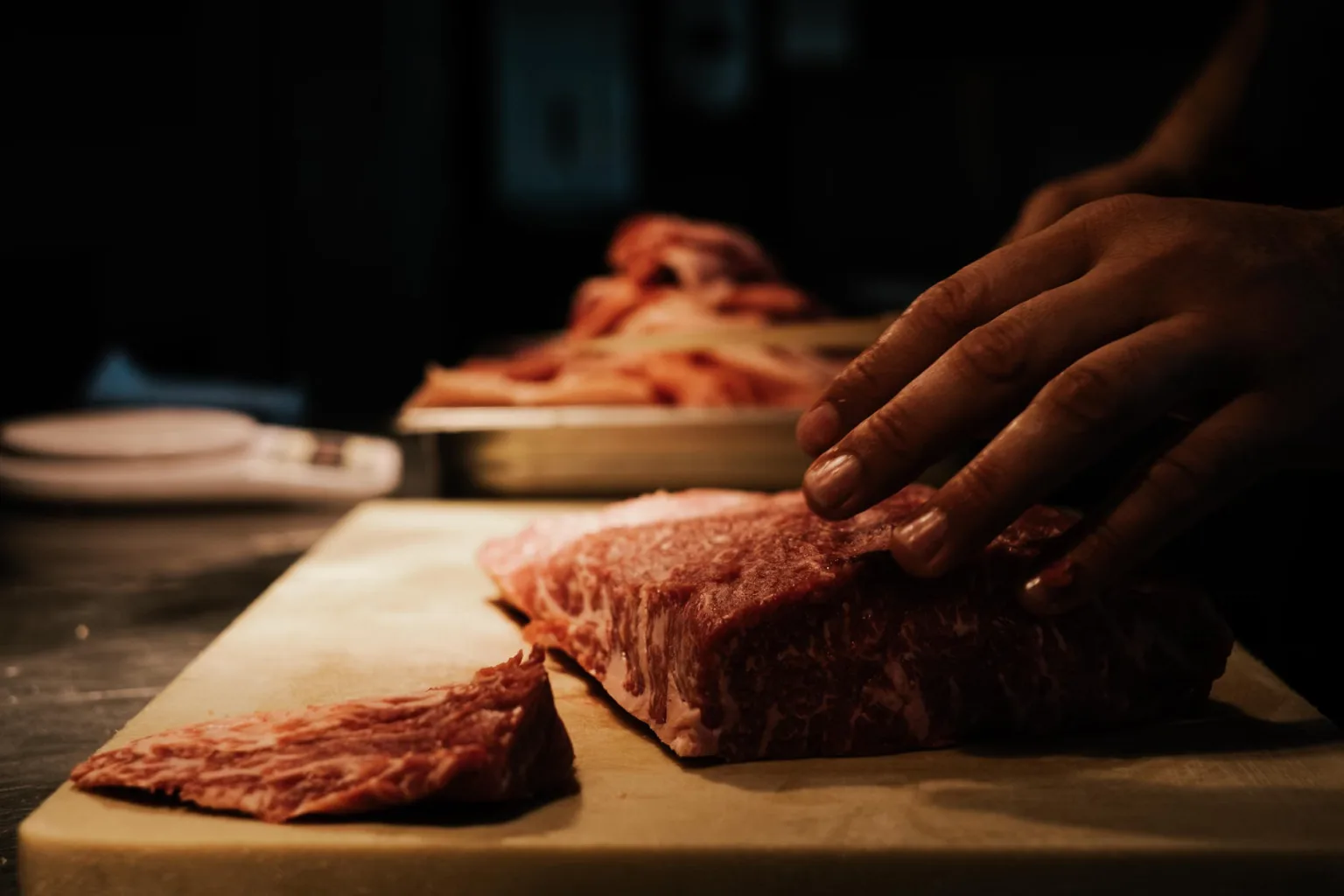
Beef is meat from bovine animals, including cattle at different stages of maturity. It is not one uniform ingredient: the animal and, especially for cooking, the cut affect its color, texture, fat and flavor. Common cuts include loin and tenderloin, often used as steaks or for quicker preparations, and cuts such as brisket, flank or shank, commonly used in longer-cooking dishes. Beef is also sold minced or ground. Treat the cut name as a practical guide to choosing a cooking method rather than assuming every piece behaves alike. The right choice depends on the recipe and the characteristics of the particular cut.
When to use it
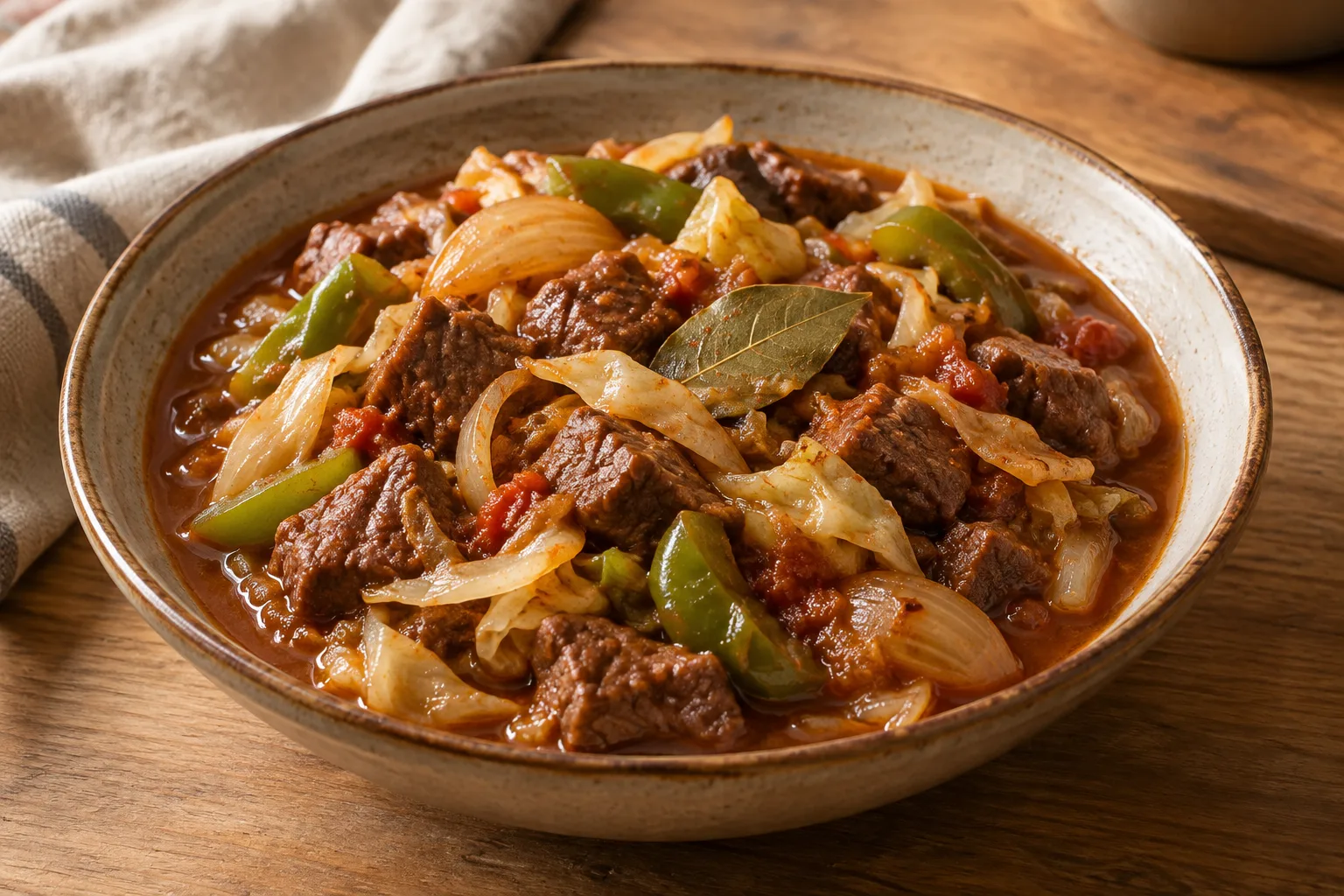
Choose beef when you want a distinct savory flavor in a main dish, burger, roast, soup or stew. For a quick preparation, select a cut sold for steaks and pan cooking or grilling; for longer cooking, look for a piece intended for braising or stewing. The cut matters more than the general word “beef”: a tender piece may not benefit from prolonged cooking, while a firmer cut is often a better fit for a slow, moist preparation. If you are unsure, ask the seller how the cut is intended to be used.
How to use it
Before cooking, identify the cut and follow any use instructions on the package or provided by the seller. Prepare it to suit the recipe: slice into steaks for grilling or pan cooking, cut into chunks for a stew, keep it in a larger piece for roasting, or use minced beef for burgers and fillings. Use quick cooking only for cuts suited to it; reserve prolonged, moist cooking for pieces intended for braising or stewing. Serve it with vegetables or include them in the stew. Do not assume one method works for every cut: thickness, shape and the specific piece all affect the result. Check the label for dates and any storage or use directions.
Flavour and texture
Flavor can range from mild to pronounced, while texture can be tender or firm depending on the cut and the piece. Visible or marbled fat can affect juiciness and mouthfeel, but it does not by itself guarantee a particular result. Tender steak cuts suit brief cooking; firmer pieces are often better in stews or other longer, moist preparations. Choose with the recipe in mind rather than relying on appearance alone.
How to choose it
Choose the cut according to the cooking method you plan to use, and ask the seller if its intended use is unclear. Compare like with like, and check that the product is identified and that any relevant dates and storage or use directions are available. If buying minced beef, check that the form and date suit your plans. Do not infer quality solely from color or the amount of visible fat.
Storage
Fresh beef is perishable. Check the date and any storage and use instructions on the package, and follow them. For unwrapped meat, ask the seller what guidance applies to that particular piece. Keep it in its packaging or a suitable container and avoid leaving it exposed while preparing other ingredients. If you will not use it promptly, follow the package or seller’s directions for storage. Do not decide that it is still suitable based on appearance or smell alone.
Substitutions
Veal can fill a similar role in some recipes, but its flavor and texture are not identical to beef. You can also replace one beef cut with another if the new cut suits the cooking method: a stewing cut is not a direct equivalent to a steak intended for quick cooking. Match the replacement to the preparation and treat these options as alternatives, not exact equivalents.
Common mistakes
A common mistake is choosing a cut without considering how it will be cooked. Cuts do not all respond equally to grilling, roasting or stewing: a piece intended for slow cooking may not give the same result when cooked quickly, and a tender steak may not need a prolonged stew. Do not overlook the dates or package directions for storage and use.
Safety and allergens
Follow the date and storage and use instructions on the label. If beef is sold unwrapped, or you are unsure which directions apply to the particular cut, ask the seller. These general notes do not replace product-specific instructions.
Culinary uses
- Main ingredient for steaks, burgers, roasts and braised dishes
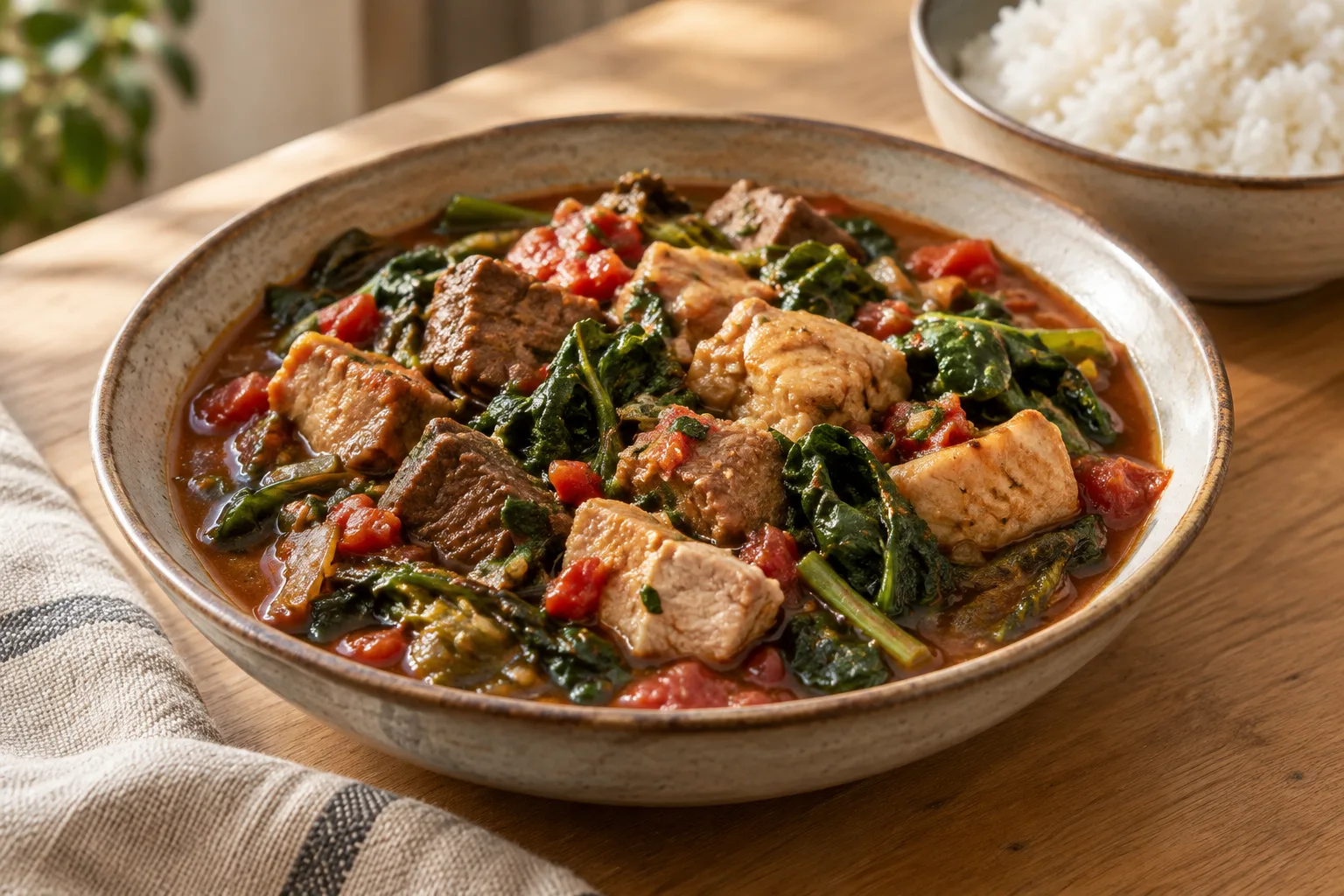
- Flavorful ingredient in soups, stews and mixed dishes
Recommended techniques
- Grill or pan-sear tender steaks and similar quick-cooking cuts
- Roast suitable larger cuts
- Braise or stew cuts that benefit from longer, moist cooking
- Mince or finely chop for burgers and fillings
Pairs well with
- Vegetables, including those served alongside beef or added to stews
- Herbs and seasonings suited to the particular cut and preparation
- Broths and other stew ingredients
Frequently asked questions
Can every beef cut be used for steaks?
No. Texture and intended use vary by cut. Choose a piece sold for steaks and quick cooking; other cuts are commonly intended for stews, braises or roasts.
Which cut should I choose for a stew?
Look for a piece identified by the seller as suitable for stewing or braising. Firmer cuts are commonly used in longer, moist preparations.
What should I check when buying beef?
Check that the product and cut suit your recipe, and review the date and any storage and use instructions on the label or provided by the seller.
Estimated nutrition
- Fat
- 6.25 g
- Saturates
- 4.46 g
- Carbohydrate
- 0 g
- Sugars
- 0 g
- Fibre
- 0 g
- Protein
- 19.6 g
- Salt
- 0.54 g
Sources and review
Automatically researched, cross-checked and validated content. Sources consulted:
- En el etiquetado alimentario hay algunas menciones que son obligatorias eletiquetadocuentamucho.aesan.gob.es
- Tipos de carne de vacuno: categorías y cortes - Las Viandas de Julian lasviandasdejulian.es
- Carne de vacuno: qué es, características y propiedades miguelvergara.com
- Propiedades de la carne de vacuno, despiece, producción. provacuno.es
- Carne - Wikipedia, la enciclopedia libre es.wikipedia.org
- Para la ciudadanía aesan.gob.es
- Mejora de la rentabilidad del vacuno de carne | Archivo Digital UPM doi.org
- Producción de Carne de Vacas/Terneros extension.psu.edu
- The basic equipment for at-home meat processing | Servicio de Extensión de OSU extension.oregonstate.edu
- Lights Out Cooking: A 72-Hour Emergency Preparedness Cookbook DIGITAL | Nebraska Extension | UNL Marketplace marketplace.unl.edu
- TALLER DE ELABORACION SEGURA DE CARNE SECA foodtech.nmsu.edu
- La carne de cerdo es un ingrediente importante para las comidas festivas en Florida - News blogs.ifas.ufl.edu