- Category
- Meat
- State
- Fresh
- Usual unit
- kg
What it is
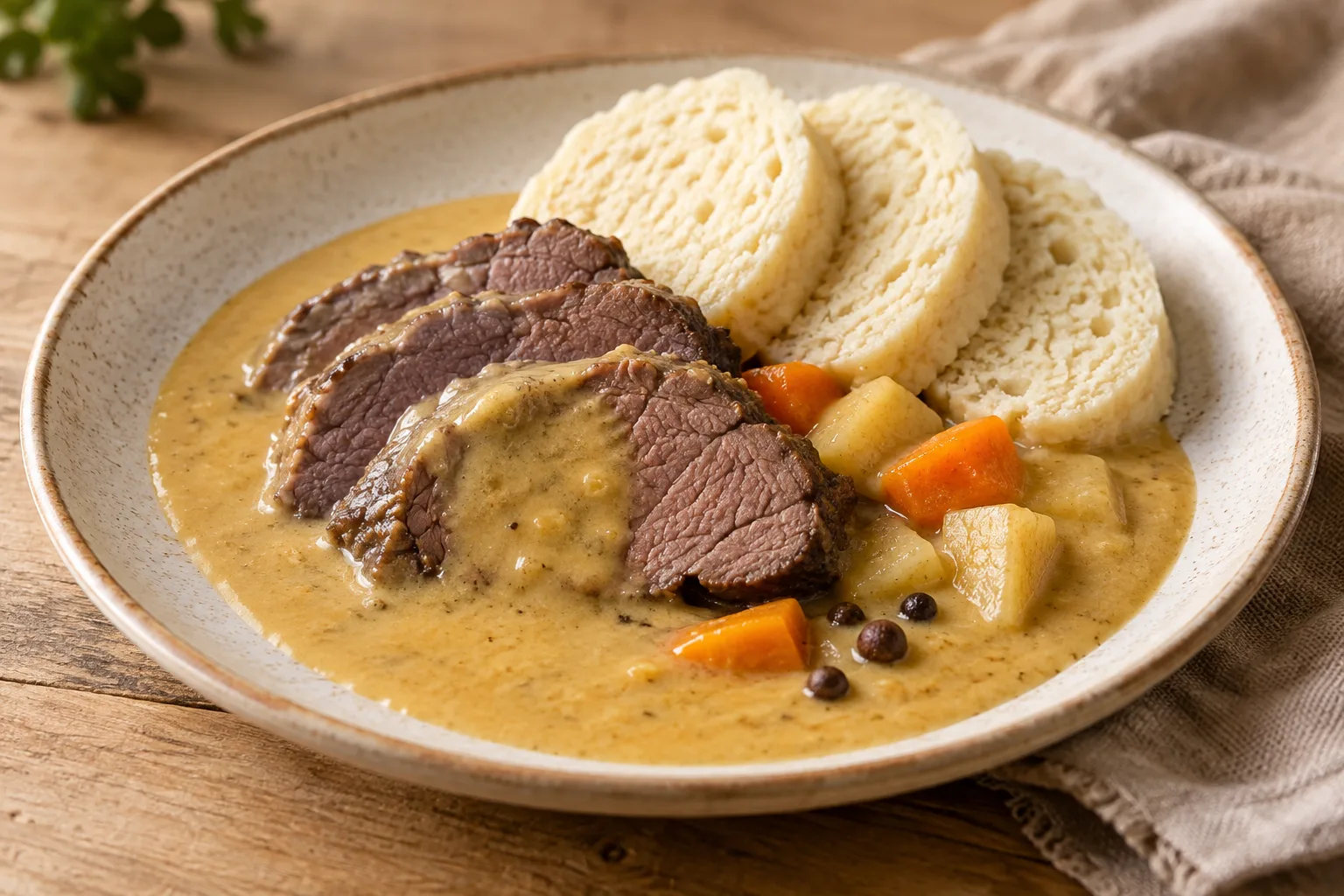
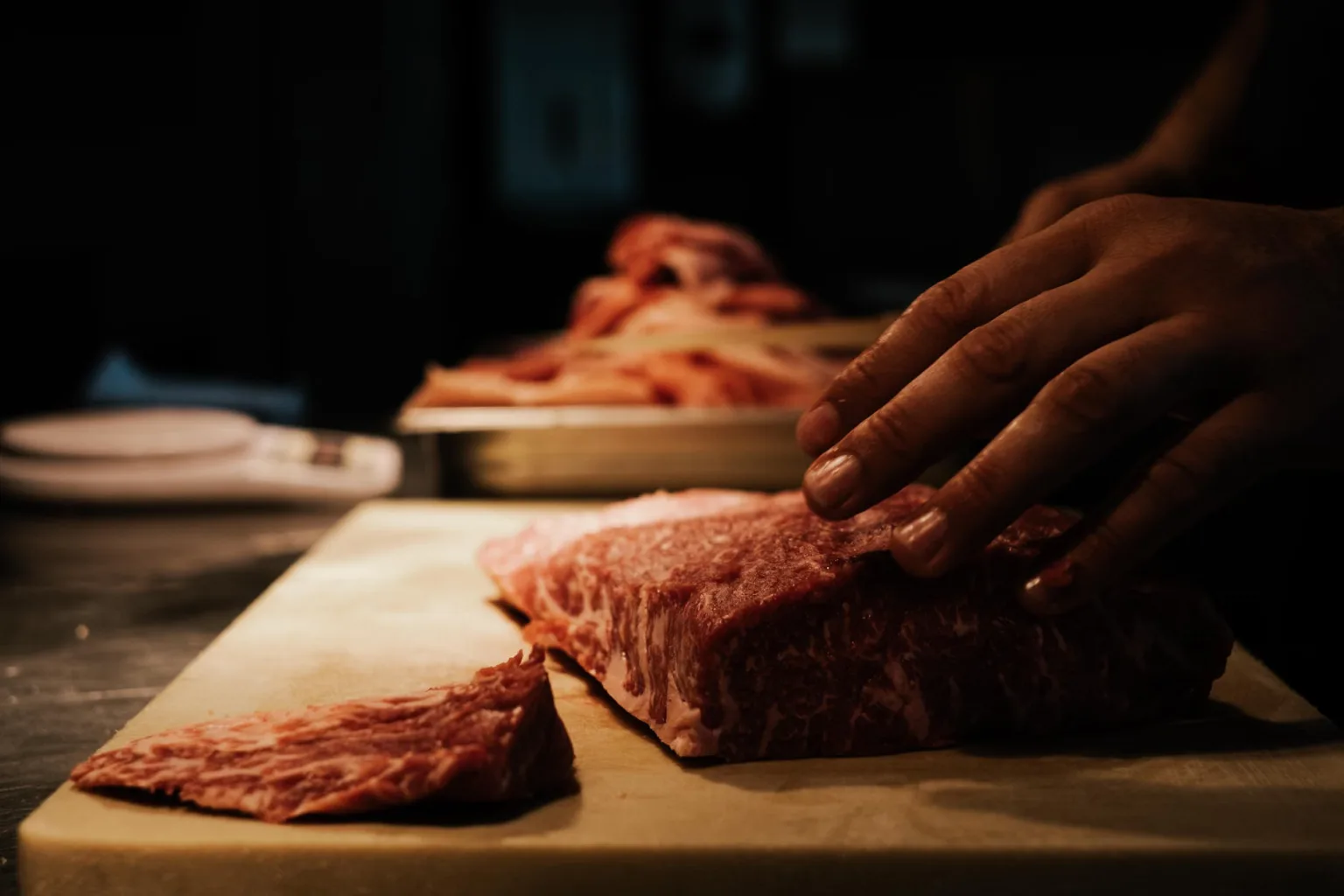
Beef is meat from cattle and is used in a wide range of dishes. It is sold as whole cuts, pieces and ground meat, among other forms. These forms behave differently in cooking: ground beef blends readily into mixtures and sauces, while pieces or cuts retain a more distinct shape. The cut name, thickness and form help determine how to prepare it. Check the product name and label for information about what is being sold and any storage or use directions. Fresh beef should not be confused with processed or preserved meat products, which may contain other ingredients and have different handling instructions.
When to use it
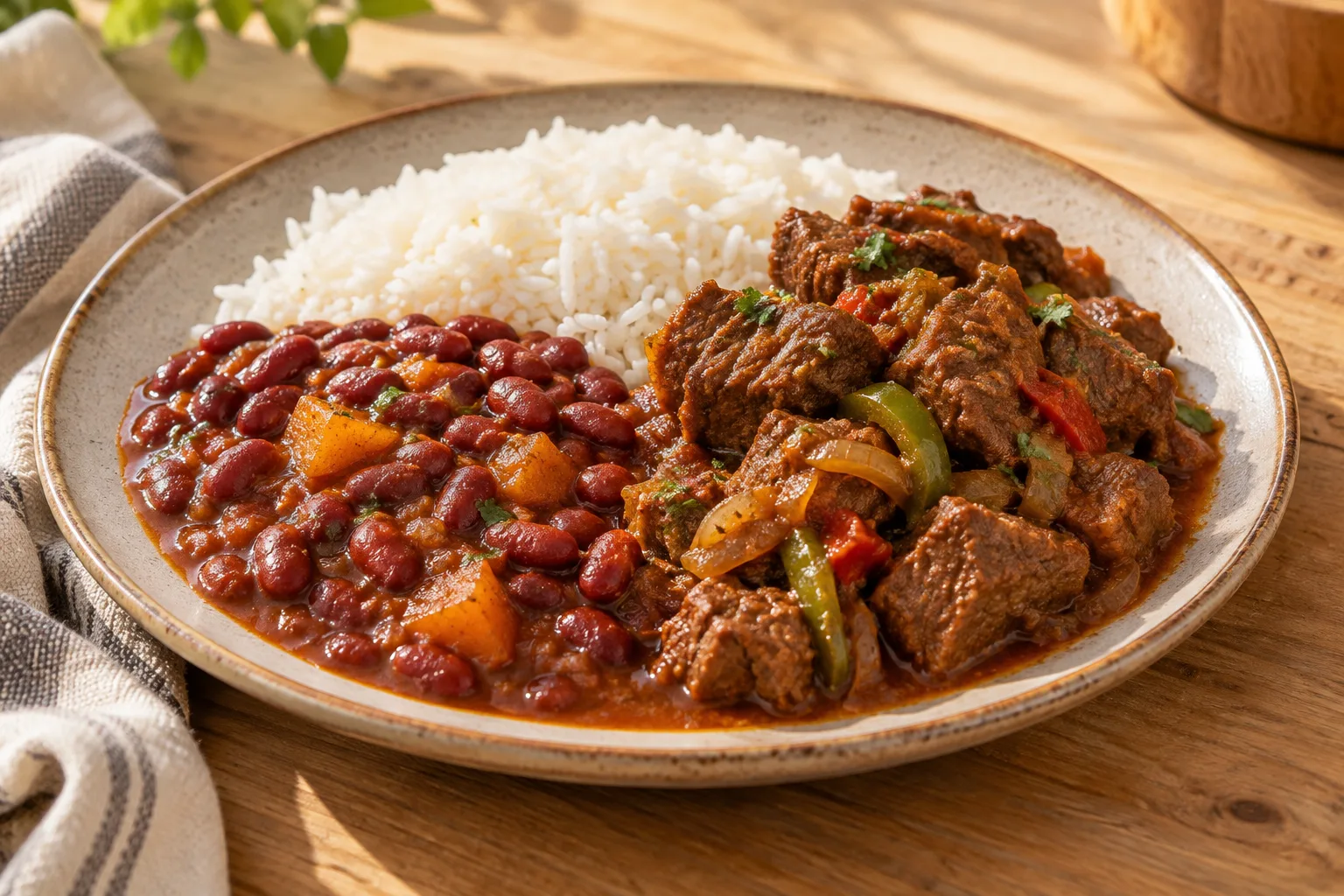
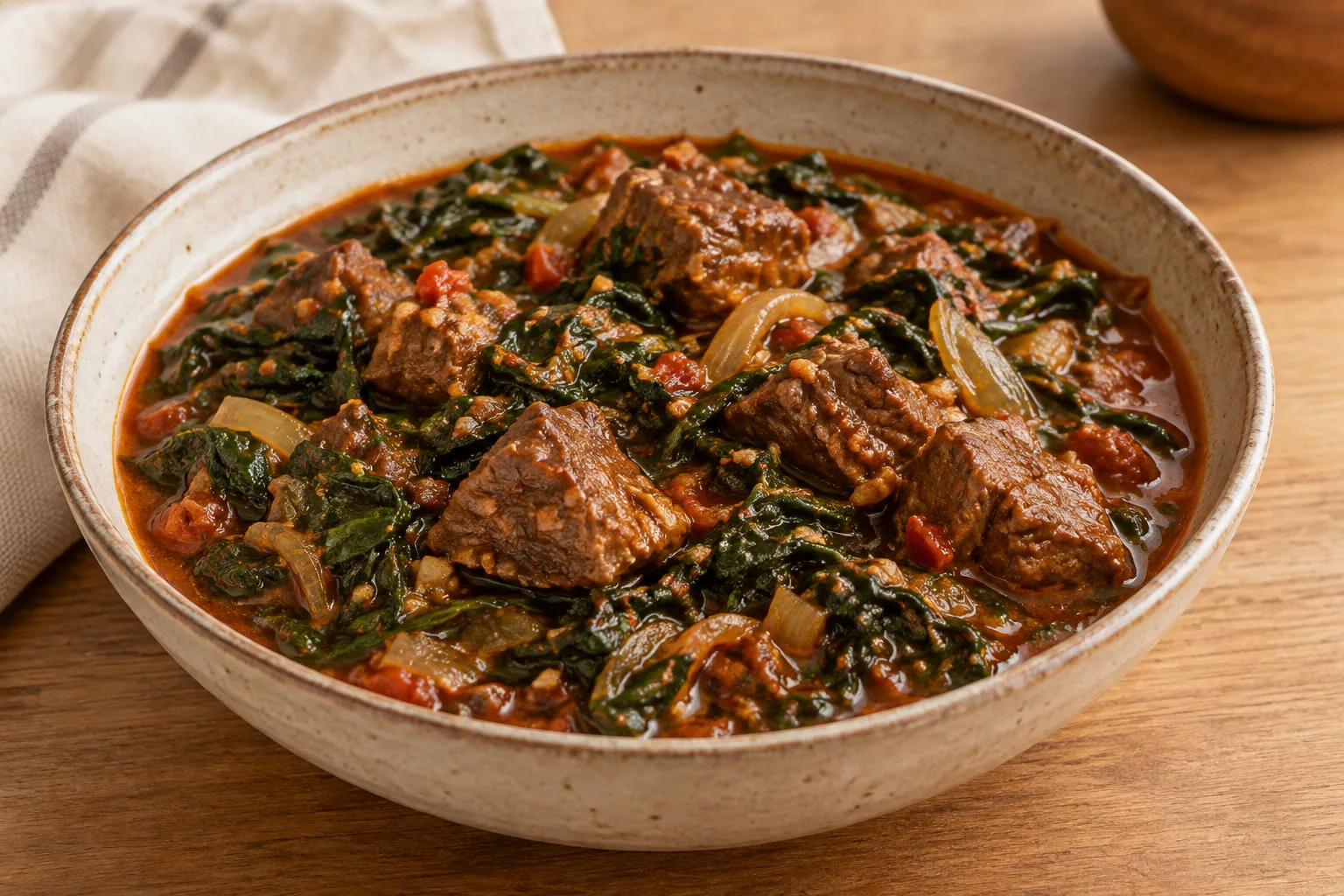
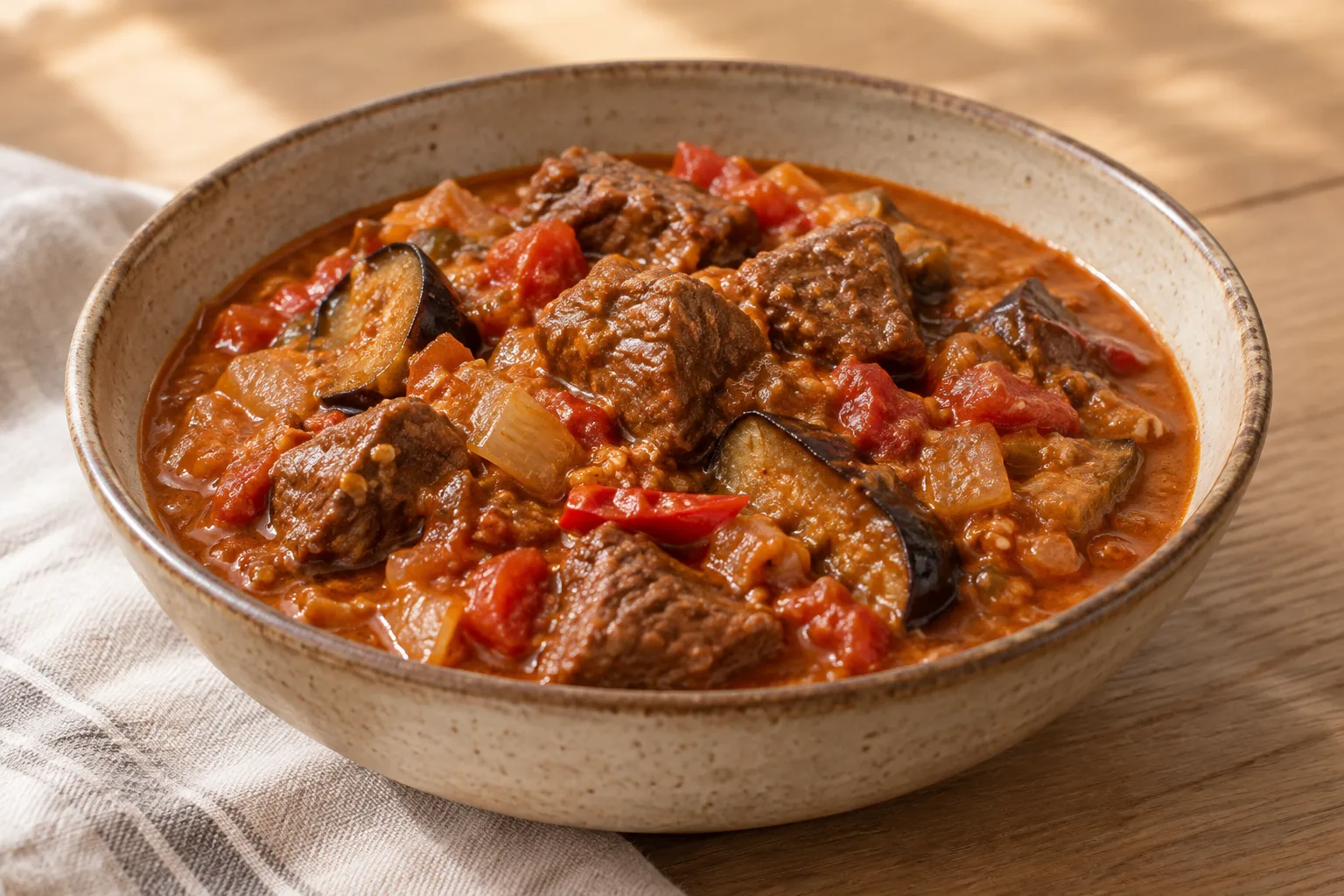
Choose beef when a recipe calls for it, and consider the form before cooking. Ground beef is convenient for mixtures, sauces and pasta dishes; pieces can be used in stews, while cuts suited to dry heat can be roasted. In a stew, the meat may be browned first and then simmered with vegetables and sauce. Because the cut affects the result, follow the recipe and product directions rather than assuming that every kind of beef needs the same method.
How to use it
Before cooking, check the product form and package directions, and prepare a clean work surface. Ground beef can be browned in a pan; drain excess fat if the recipe calls for it. Pieces can also be browned before being added to a stew. For a stewed dish, combine the beef with ingredients such as onion, bell pepper, carrot, mushrooms, tomato or corn, and simmer until the recipe indicates it is ready. Beef can also be roasted when the cut and recipe are suitable. Keep raw meat separate from other foods, and clean hands, utensils and surfaces after handling it. Follow the product label for safe storage and use.
Flavour and texture
Flavor and texture vary with the cut, fat content and form. Ground beef breaks apart and blends readily, while pieces retain more of their shape. Browning adds color and flavor to a dish; stewing combines the meat with vegetables and sauce. Cuts do not all have the same texture or respond in the same way to each cooking method.
How to choose it
Choose a form that suits the recipe: ground beef for mixtures or sauces, and cuts or pieces when you want distinct portions. Read the product name and package directions, especially storage instructions and dates. If buying unwrapped meat, ask what the product is and how it should be stored. Do not choose a cooking method from appearance alone; take the cut and recipe into account.
Storage
Keep fresh beef refrigerated and follow the storage conditions and dates on its label. Freezing is an option for preserving meat; follow the package directions or reliable guidance for the specific product rather than assuming one storage duration applies to all beef. Prevent cross-contamination and keep raw meat separate from ready-to-eat foods. For home canning or drying, use tested instructions specific to that method: meat is a low-acid food, and canning requires an appropriate pressure process.
Substitutions
Some recipes that accommodate game meat can use venison, and others may allow pork instead of beef. These are not identical swaps: flavor, texture and results can change, so choose a recipe that accounts for the alternative meat. For preservation, do not substitute species or methods unless you are following safe instructions specific to that preparation.
Common mistakes
Treating every cut as interchangeable can lead to a different result than expected; the cut and form affect the appropriate method. Another mistake is neglecting hygiene after handling raw meat or allowing it to touch ready-to-eat food. Do not use an improvised home-canning method for beef; use tested meat-canning directions and the required pressure equipment.
Safety and allergens
Keep beef refrigerated as directed on the label and prevent raw meat from contacting other foods. After handling it, wash hands, utensils and surfaces with soap and water. Follow the product’s dates and storage and use instructions. For home canning, use a tested method with a pressure canner; do not improvise the process.
Culinary uses
- Main ingredient in meat-based meals
- Minced beef for dishes such as pasta and stews
Recommended techniques
- Brown in a pan
- Simmer or stew
- Roast
Pairs well with
- Onion
- Bell pepper
- Carrot
- Mushrooms
- Corn
- Tomato
- Pasta
Frequently asked questions
Does ground beef cook the same way as other beef cuts?
Not necessarily. Form and cut affect the method: ground beef works well in mixtures and sauces, while pieces may be used in stews or roasts as the recipe allows.
Can I freeze beef?
Freezing is a way to preserve meat. Follow package directions or reliable guidance for the particular form, and do not assume there is one storage time for all beef.
Can I can beef at home?
Only by following tested instructions specifically for meat and using a pressure canner. Meat is a low-acid food, so the process should not be improvised.
Estimated nutrition
- Fat
- 6.25 g
- Saturates
- 4.46 g
- Carbohydrate
- 0 g
- Sugars
- 0 g
- Fibre
- 0 g
- Protein
- 19.6 g
- Salt
- 0.54 g
Sources and review
Automatically researched, cross-checked and validated content. Sources consulted:
- En el etiquetado alimentario hay algunas menciones que son obligatorias eletiquetadocuentamucho.aesan.gob.es
- ¿Por qué la muerte es origen de miedos y tabúes? doi.org
- The Essential Glossary of Cooking Terms for the Culinary Arts - Escoffier escoffier.edu
- Nutrition After Your Transplant - Health Online healthonline.washington.edu
- The traditional food of migrants scholar.smu.edu
- Vamos a Conservar Alimentos: Carnes extension.psu.edu
- Carne - Wikipedia, la enciclopedia libre es.wikipedia.org
- ALIMENTOS. Denominaciones sobre carne picada o ... servicio.mapa.gob.es
- TOL - Formulario de búsqueda tol-alim.aesan.gob.es
- Carne y productos cárnicos aesan.gob.es
- Estofado Húngaro de Carne de Res Saludable | Dinner Tonight dinnertonight.tamu.edu