- Category
- Meat
- State
- Fresh
- Usual unit
- g
What it is
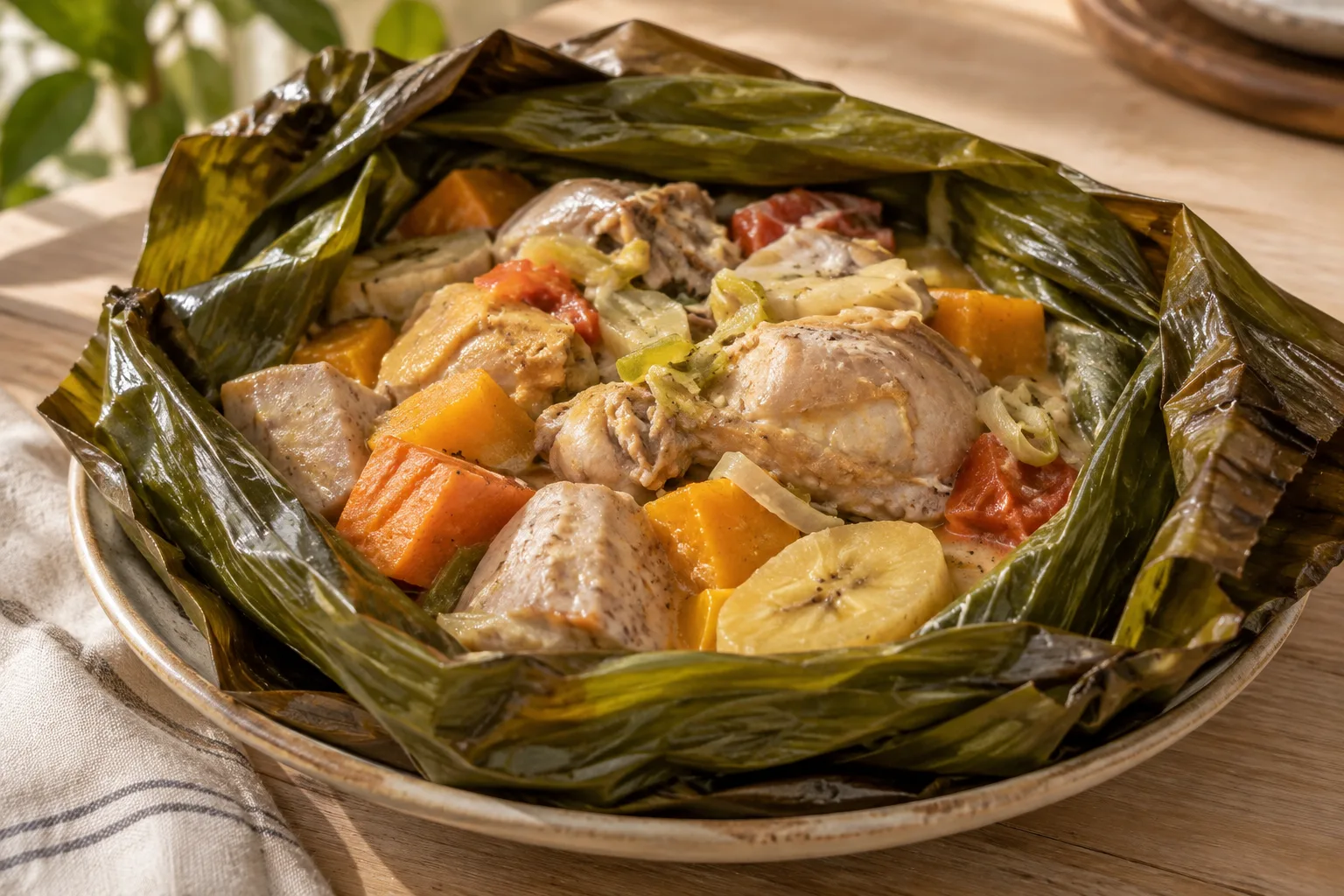
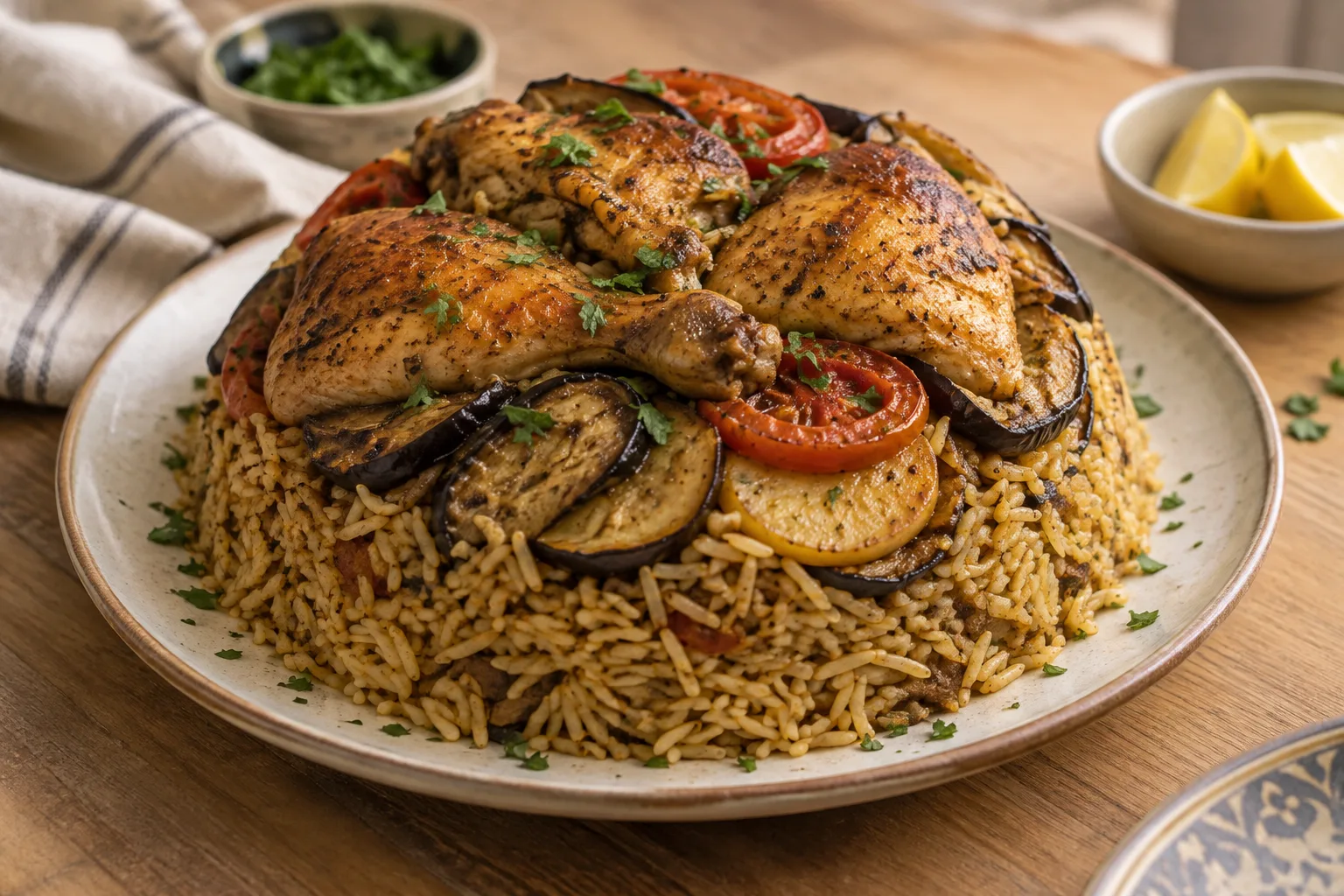
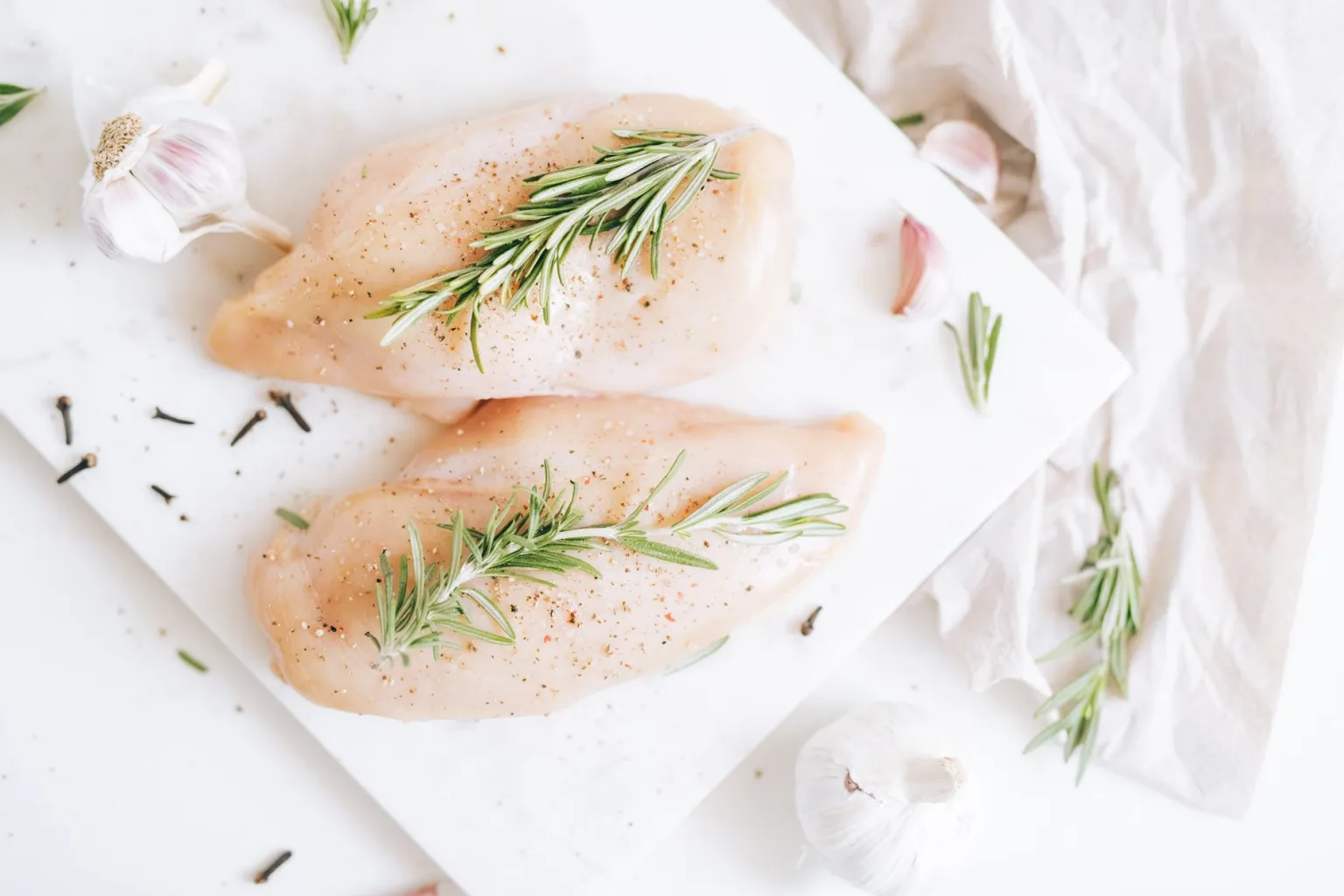
Bone-in chicken is a practical name for chicken portions that retain some bone, such as thighs, drumsticks, wings or other bone-in cuts. It does not refer to one specific cut or recipe: portion size, the amount of meat and bone, and whether the skin is present depend on the piece. It is sold fresh, and chicken pieces may also be purchased frozen. The bone stays in during cooking; the meat is served around it or removed after cooking. These cuts suit a range of preparations, including roasting, frying, stewing, soups and broth. Bone-in chicken should not be mistaken for a ready-to-eat product: when sold raw, it needs to be kept cold and cooked thoroughly before eating.
When to use it
Choose bone-in chicken for individual portions roasted in the oven or on a grill, for fried pieces, or for chicken cooked in a stew, soup or broth. It is also suitable when a recipe specifically calls for bone-in thighs or another bone-in cut; a broth recipe can use different chicken parts, including wings and back. Consider the time available for cooking and serving: pieces of different sizes may need different attention, and meat next to the bone must be fully cooked. If you want meat that is easy to remove and shred or slice, plan to separate it from the bones after cooking and serve it carefully.
How to use it
Keep raw chicken cold until cooking and separate it from other foods, especially fruit and vegetables that will be eaten raw. Do not wash raw chicken: splashes can spread bacteria to hands, utensils and surfaces. After handling it, wash your hands with warm, soapy water, and wash utensils and surfaces with hot, soapy water. Season the chicken and roast, grill, fry or cook it in soup or a stew, according to the cut and recipe. Use a food thermometer to check that the thickest part reaches at least 165°F (74°C), without placing the probe against the bone. To serve shredded meat, remove the bones after cooking and keep them away from ready-to-eat food. Refrigerate leftovers promptly.
Flavour and texture
Chicken takes well to a range of seasonings and accompaniments. The eating experience varies with the cut, skin, cooking method and seasoning: a thigh, wing and back portion do not have the same proportion of meat. Bone-in chicken can be served as pieces, removed from the bones after cooking, or used in soups and broth. Do not assume every cut becomes equally tender or needs exactly the same treatment; match the method to the cut and check that the thickest part is fully cooked.
How to choose it
Choose a cut for the intended use: thighs or drumsticks for portions, wings for roasting or frying, and assorted pieces for soups or broth. Check that the package is intact and the chicken is kept cold at the point of sale. A whole raw chicken usually costs less per unit of weight than cut pieces; compare the price with the convenience and preparation time each option saves. Buy a larger amount only if you can cook or freeze it within a few days. Keep raw chicken separate from other foods while shopping and transporting it.
Storage
Keep raw chicken in the refrigerator and use it within 1 to 2 days. If you will not cook it in that time, freeze it; for best quality, raw pieces can be frozen for 9 to 12 months. Wrap pieces separately so you can thaw only what you need, and place them in a freezer-safe container labeled with the name and date. Thaw in the refrigerator, catching any drips in a container. Chicken can also be thawed under cold water in a covered package or in a microwave; cook it immediately after either method. Refrigerate cooked chicken within 2 hours and use it within 3 to 4 days.
Substitutions
Boneless chicken can replace bone-in chicken when the recipe allows, but cut and size may change the cooking. You can also replace one bone-in chicken cut with another, adjusting for size and checking doneness with a thermometer. In a preparation that relies on cooking chicken in broth, remember that a boneless cut still provides meat but is not the same ingredient configuration as a bone-in piece. Do not automatically apply the cooking time for one cut to another.
Common mistakes
Do not wash raw chicken or let its juices contaminate ready-to-eat food, utensils or surfaces. Do not rely only on color or appearance to judge doneness: check the thickest part with a food thermometer and reach at least 165°F (74°C). Do not leave cooked chicken at room temperature for too long; refrigerate it within 2 hours. Also avoid thawing it on the counter, and cook chicken immediately if it was thawed in cold water or a microwave.
Safety and allergens
Keep raw chicken refrigerated and separate from other foods. Do not wash it: splashes can spread bacteria. Wash hands and clean utensils and surfaces after handling. Cook all pieces to at least 165°F (74°C), measured with a food thermometer in the thickest part. Thaw in the refrigerator; if using cold water or a microwave, cook immediately. Refrigerate precooked chicken within 2 hours of purchase and leftovers within 2 hours of cooking.
Culinary uses
- pieza principal para asar, freír o guisar
- ingrediente para sopas, caldos y platos de cuchara
- base para carne cocida que se puede desmenuzar y añadir a otros platos
Recommended techniques
- asado al horno
- asado a la parrilla
- guisado o estofado
- fritura
- cocción en sopa o caldo
Pairs well with
- verduras para sopa, como zanahoria, col y apio
- arroz
- patata y yuca
- hierbas y condimentos, como cilantro, ajo, pimienta y laurel
Frequently asked questions
What does bone-in chicken mean?
It means a chicken cut that retains the bone, such as a thigh, drumstick, wing or another portion cut with bone.
How can I tell when it is fully cooked?
Check the thickest part with a food thermometer; it should reach at least 165°F (74°C).
How long can raw chicken stay in the refrigerator?
Use it within 1 to 2 days. Freeze it if you need to keep it longer.
Estimated nutrition
- Fat
- 7.27 g
- Saturates
- 2.78 g
- Carbohydrate
- 0 g
- Sugars
- 0 g
- Fibre
- 0 g
- Protein
- 22.1 g
- Salt
- 0.09 g
Sources and review
Automatically researched, cross-checked and validated content. Sources consulted:
- Client Challenge doi.org
- The Essential Glossary of Cooking Terms for the Culinary Arts - Escoffier escoffier.edu
- 8 usos del pollo en la cocina que no conocías cashfresh.es
- Carne de pollo - Wikipedia, la enciclopedia libre es.wikipedia.org
- Sopa De Pollo Baja En Sodio - Recipes - Live Healthier - UTHealth Houston School of Public Health sph.uth.edu
- Caldo de Pollo Spanish Recipe | Kitsap County | Washington State University extension.wsu.edu
- Todo lo que debes saber sobre la carne de pollo - Estudia Hostelería estudiahosteleria.com
- Pollo - Marzo 2025 | OSU Extension Service extension.oregonstate.edu
- Publicaciones de Seguridad alimentaria aesan.gob.es
- ¿Qué partes del pollo son comestibles? - Tirso de Molina mercadotirsodemolina.es
- Pollo Frito al Horno - Don't Wash Your Chicken dontwashyourchicken.nmsu.edu
- Slow-Cook Chicken/Pollo-en Olla de Fuego Lento (LCH) | CSU Northridge w2.csun.edu
- Slow Cooker Salsa Chicken – Community Nutrition Security Research Group web.uri.edu
- Pollo en Ajo y Lima | Dinner Tonight dinnertonight.tamu.edu