- Category
- Meat
- State
- Fresh
- Usual unit
- g
What it is
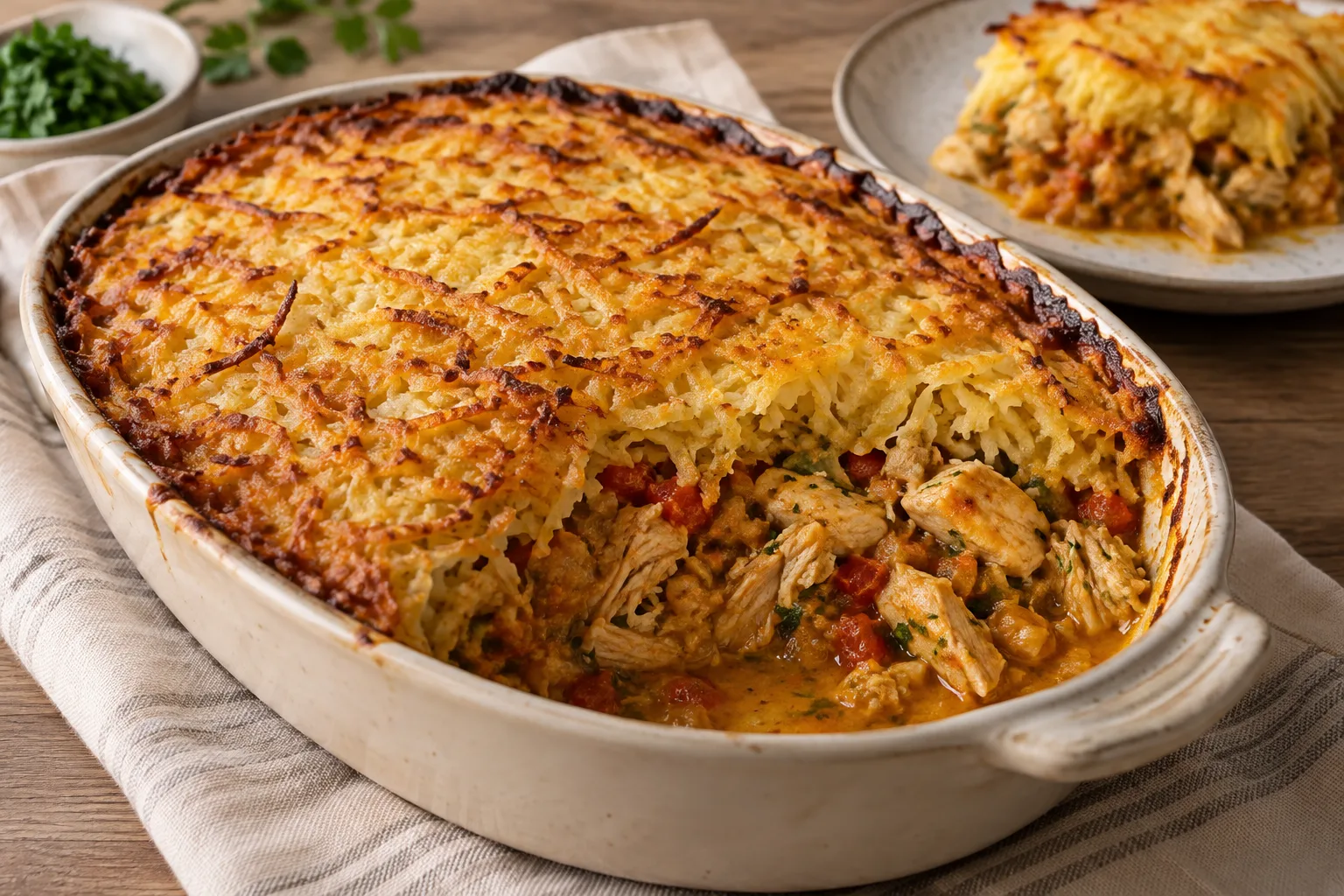
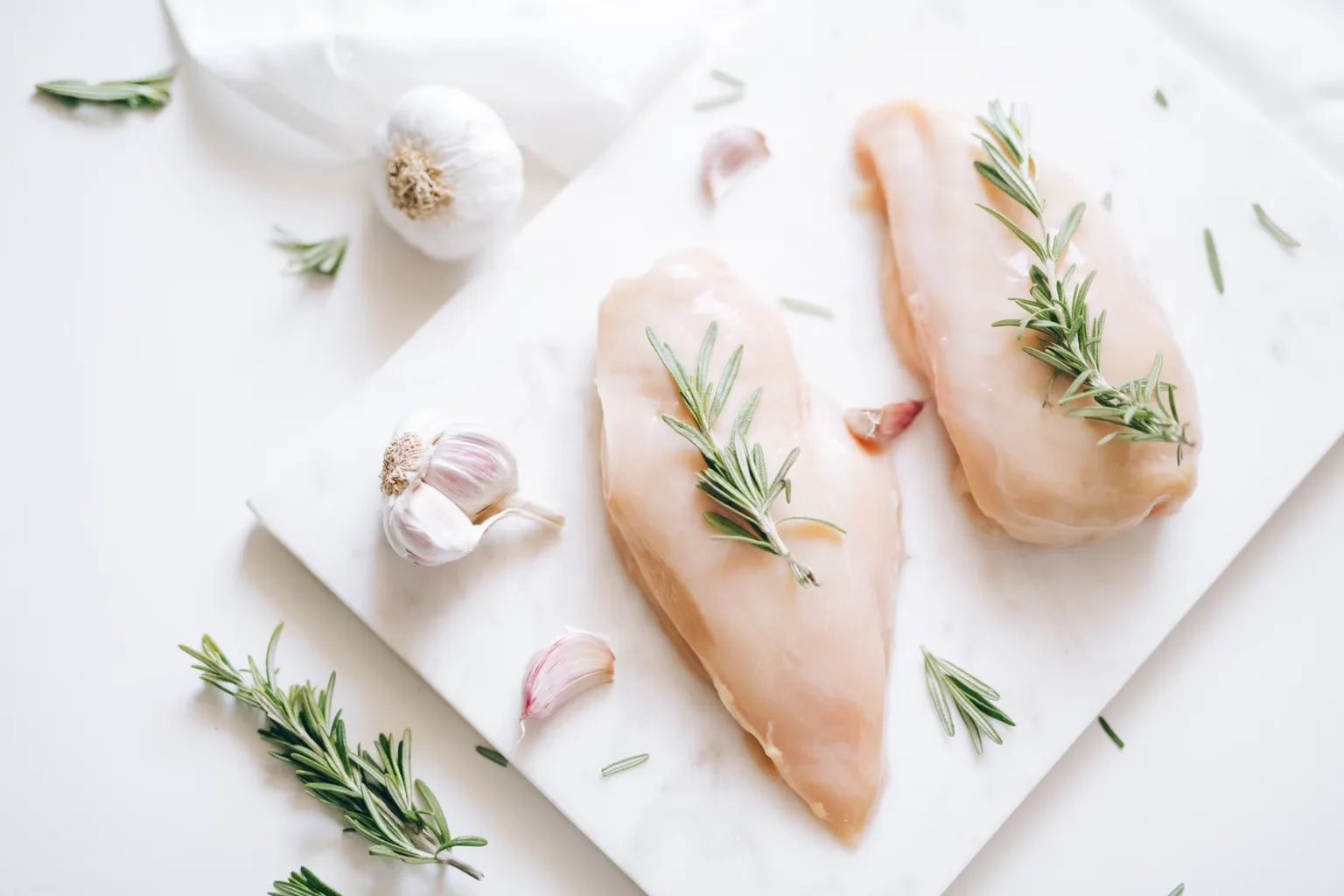
Boneless, skinless chicken breast is meat from the bird’s breast with the bones and skin removed. It is sold whole or sliced into cutlets, and the size and thickness can vary. With little visible fat and no skin, the meat can dry out if cooked for too long. Its mild flavor makes it easy to season with herbs, spices, marinades and sauces. It can be served hot or cold in dishes ranging from a simple pan-cooked meal to salads, sandwiches, soups and stews. Cook it whole, in strips or in cubes, adjusting the method to the thickness so the pieces cook evenly.
When to use it
Choose this cut when you want mild-tasting meat that pairs easily with a range of seasonings and sides. It is useful for quick meals, chicken salads, sandwich fillings, stir-fries, skewers and dishes with rice or vegetables. It can also be cooked and shredded for soups, tacos or cold preparations. If you want a particularly juicy result or a long cooking method, bear in mind that its low visible fat can make it dry out; a fattier cut or a moist cooking method may suit better. Piece size and thickness affect cooking, so do not rely on the clock alone: make sure the meat is fully cooked.
How to use it
Keep the meat refrigerated until you are ready to prepare it, then season with salt, pepper, garlic, lemon, herbs or a marinade of your choice. For even cooking, carefully flatten thicker areas or cut the breast into cutlets, strips or similarly sized cubes. In a pan or on a grill, brown the pieces and lower the heat to finish cooking if needed. For baking, stewing or poaching, adapt the method to the size of the pieces. Do not judge doneness by the outside color alone. Serve whole or sliced with vegetables, rice, pasta, salad or sauce. If you plan to shred it, let it cool enough to handle, then use it in soups, fillings or salads. Avoid cooking it longer than necessary while ensuring it is fully cooked.
Flavour and texture
Chicken breast has a mild, understated flavor that takes well to spices, herbs, citrus and sauces. The meat is often tender when cooked without overdoing it, but its low visible fat means it can become dry or fibrous if cooking continues too long. Thickness, cut shape and cooking method also affect the finished texture.
How to choose it
Choose refrigerated pieces in intact packaging, with no unusual appearance or odor. Check that the package is not damaged or leaking, and follow the use-by date and storage directions on the label. Evenly thick pieces are easier to cook consistently; if sizes vary, separate them and adjust the cooking process for each piece.
Storage
Keep raw chicken breast refrigerated in its original packaging or a sealed container that prevents its juices from contacting other foods. Follow the storage directions and date on the package. If you will not use it soon, freeze it in suitable packaging. Do not thaw it on the counter; use a safe method and avoid leaving it at room temperature. No specific storage durations are given here.
Substitutions
Boneless, skinless turkey breast is a mild-flavored alternative, though its size and texture can differ. Boneless, skinless chicken thigh works in many recipes too, but it is fattier and may call for an adjustment in cooking method and doneness. When substituting, account for differences in thickness and texture.
Common mistakes
Overcooking can leave chicken breast dry and fibrous. Thick and thin pieces may also cook unevenly if prepared together without adjusting the process. Do not rely only on browning or a fixed time; aim for even, complete cooking, and do not reuse a marinade that has touched raw chicken unless it has been properly treated.
Safety and allergens
Do not eat raw or undercooked chicken. Make sure the meat is fully cooked and do not judge doneness by outside color alone. Avoid leaving raw chicken at room temperature to thaw.
Culinary uses
- Lean main protein
- Ingredient for salads, sandwiches, soups and grain dishes
Recommended techniques
- Pan-searing
- Grilling
- Baking
- Poaching
Pairs well with
- Lemon, garlic and fresh herbs
- Rice, vegetables and leafy salads
- Yogurt-based or tomato-based sauces
Frequently asked questions
Why can chicken breast turn dry?
It has little visible fat and can lose moisture when cooked for too long. Even thickness and controlled cooking help reduce the chance of a dry result.
Can I use chicken breast in cold dishes?
Yes. Once fully cooked and cooled appropriately, it can be sliced or shredded for salads and sandwiches.
What seasonings go well with this cut?
Its mild flavor pairs well with garlic, lemon, pepper, herbs, spices and a variety of sauces. Choose a combination that suits the dish.
Estimated nutrition
- Fat
- 1.25 g
- Saturates
- 0.5 g
- Carbohydrate
- 0 g
- Sugars
- 0.5 g
- Fibre
- 0.5 g
- Protein
- 18 g
- Salt
- 1.12 g
Sources and review
Automatically researched, cross-checked and validated content. Sources consulted:
- ¿Por qué la muerte es origen de miedos y tabúes? doi.org
- 8 usos del pollo en la cocina que no conocías cashfresh.es
- Carne de pollo - Wikipedia, la enciclopedia libre es.wikipedia.org
- Qué es (y qué no es) la estadística, usos y abusos de una disciplina clave en la vida de los países y las personas | Estudios económicos doi.org
- La cocina de Rebeca: Pechuga de pollo a baja temperatura (cocinada al vacío) lacocinaderebeca.es
- Cómo cocinar la pechuga de pollo para que quede sabrosa y jugosa (y 11 recetas para d directoalpaladar.com
- - YouTube youtube.com
- Ficha Técnica de PECHUGAS DE POLLO S/H laabuelamarga.com
- Cómo: asar pechugas de pollo deshuesadas, sin piel. | Kingsford® Español espanol.kingsford.com
- Descubre recetas únicas con pechuga deshuesada que te encantarán cookpad.com
- - YouTube youtube.com