- Category
- Dairy and eggs
- State
- Fresh
- Usual unit
- teaspoon
What it is
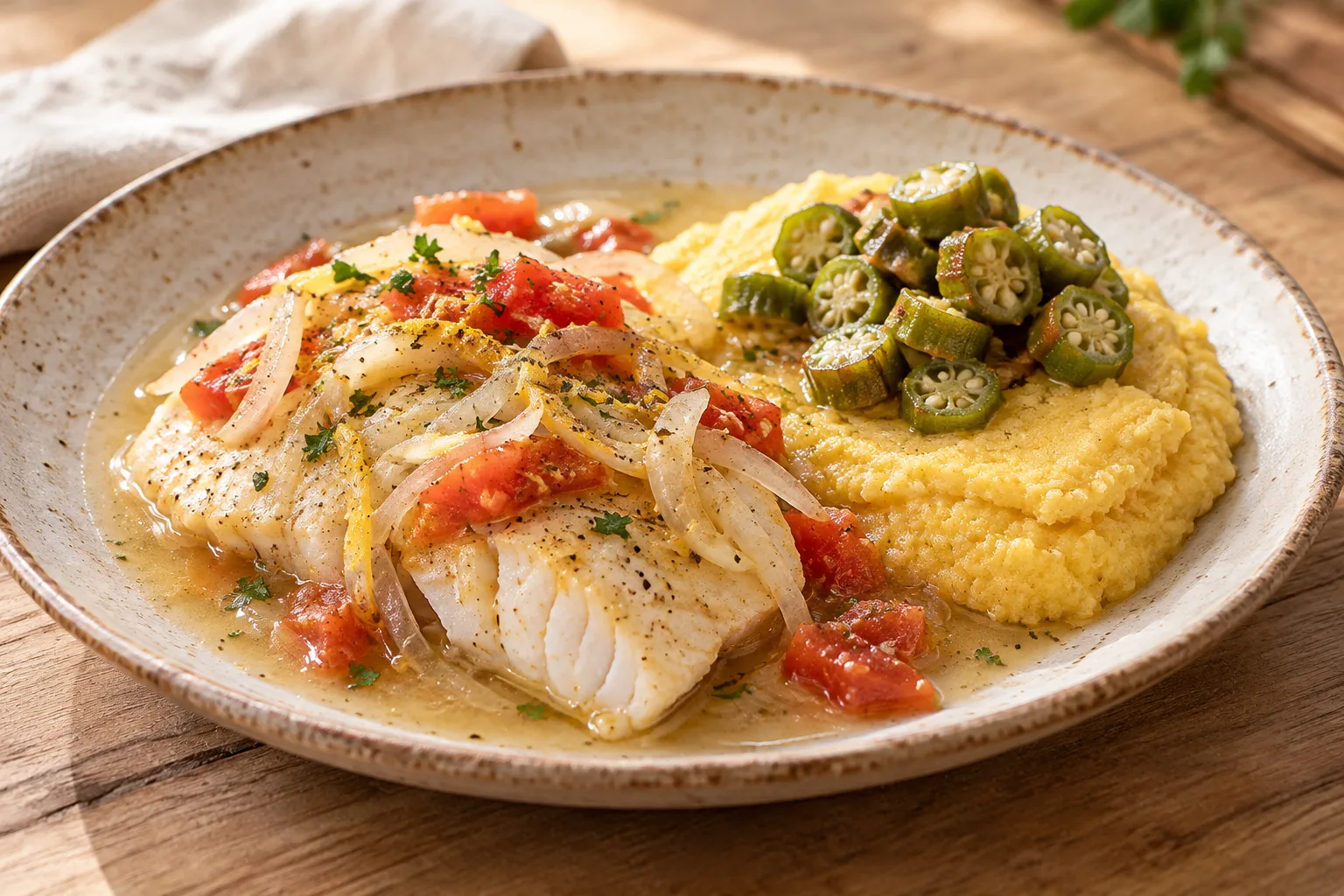
Butter for fish is butter intended to be used in a fish preparation. The name signals an intended use, but does not define a variety, salt content, format, or whether it is added during cooking or at serving. Butter is a dairy product, so check the package information, especially the product name, ingredients, and allergen details. It should not be confused with a fish sometimes called “butterfish”: these are different ingredients, and the fish name can be ambiguous. If a recipe does not clarify which kind of butter it requires, check its ingredient list or instructions before cooking.
When to use it
Use it when a fish recipe calls for butter and the product you have matches what the recipe specifies. It may be part of the preparation or a sauce, but the ingredient name alone does not specify when or how to use it. Check whether the recipe distinguishes salted from unsalted butter; if it does not, do not assume which one it needs. If cooking for someone with an allergy or intolerance, check the package and allergen information before serving. “For fish” does not identify a fish species or determine an amount.
How to use it
Check the recipe and package first: the name does not say whether the butter is salted, or provide an amount or cooking method. If the recipe calls for melted butter, melt it as directed and add it at the specified stage; if it is for a sauce, follow that sauce’s instructions. Do not automatically replace it with another fat, since the recipe may depend on the specified ingredient. Keep the product under the storage conditions stated on its package and check allergen information before serving it. Do not confuse this butter with fish known in some places as “butterfish.”
Flavour and texture
The available information identifies the ingredient as butter, but does not specify whether it is salted, unsalted, a particular variety, or a particular texture. These characteristics may depend on the product chosen. Read the product name and ingredient list on the package to check its composition and form. The name alone does not establish a particular flavor, show that it is blended with other ingredients, or mean that it is already prepared as a sauce.
How to choose it
Choose a product whose name clearly identifies it as butter and check its ingredient list. “For fish” does not establish whether it is salted or contains other components, so verify those details on the label and compare them with the recipe. If you need to avoid an ingredient because of an allergy or intolerance, check the product’s allergen information rather than relying only on its intended use. Choose a format and amount that fit the recipe.
Storage
No specific storage temperature or time is established here. Follow the storage and use conditions stated on the product package and observe any dates shown there. If the label specifies special conditions, follow them. Do not infer a shelf life from the words “for fish”: information can vary with the product and its presentation.
Substitutions
An exact substitute cannot be recommended without knowing the recipe and the type of butter it calls for. Another fat may change the result, and the name does not say whether the recipe needs salted or unsalted butter. Check the instructions before making a change; if the recipe does not offer alternatives, do not present a substitute as equivalent.
Common mistakes
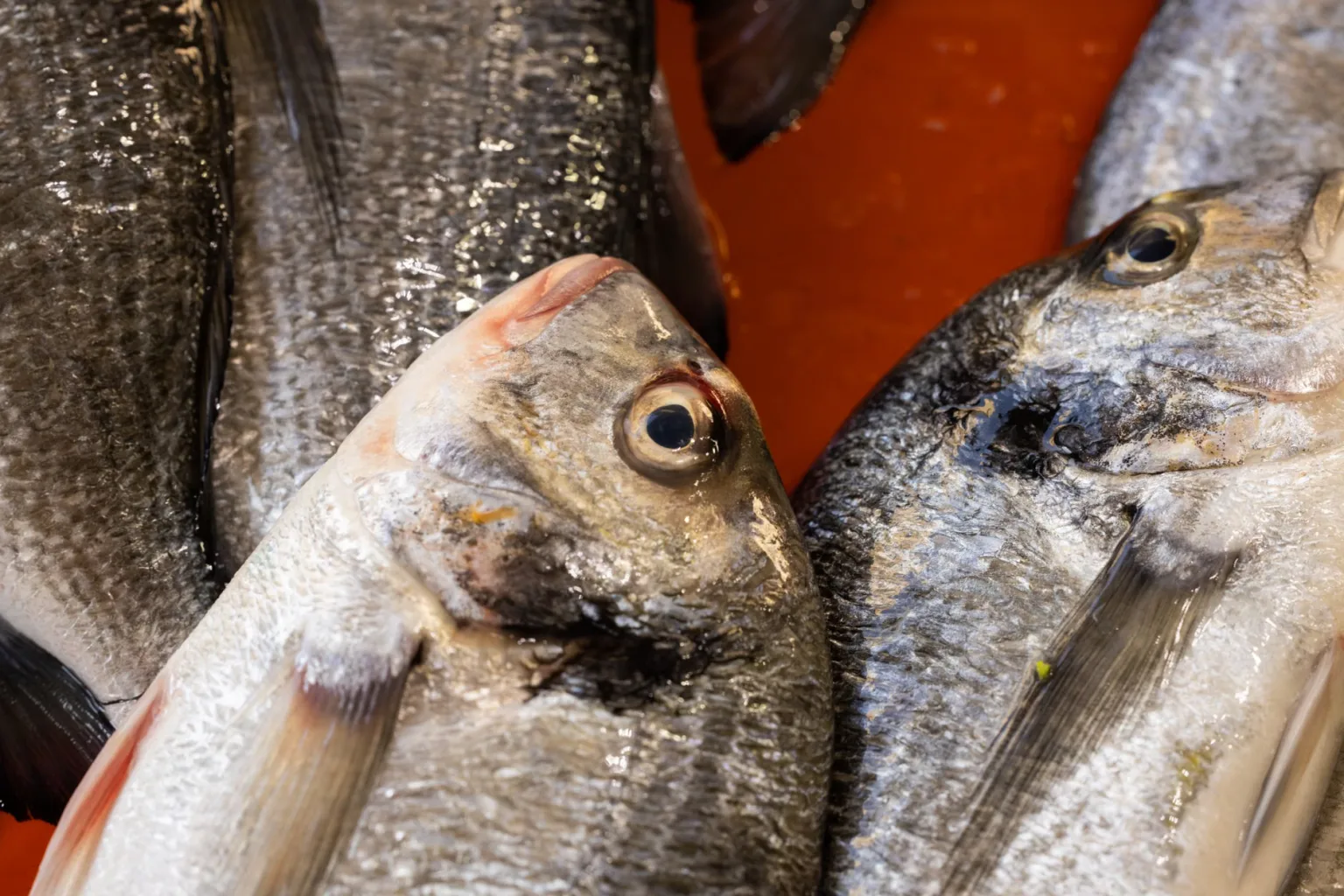
Confusing butter intended for a fish recipe with fish called “butterfish” is a mistake: they are different things. It is also easy to assume that the name specifies salt content, quantity, or when to add it; it does not. Do not overlook ingredient and allergen information or replace the butter without checking that the recipe allows it.
Safety and allergens
Butter is a dairy product. Check the package’s allergen information and communicate it when relevant, especially when cooking for people with allergies or intolerances. Follow the storage and use instructions given for the product; no specific temperature or time is provided here.
Culinary uses
- Aportar mantequilla a una preparación de pescado cuando la receta la indique.
- Formar parte de una salsa para pescado si así lo especifica la receta.
Recommended techniques
- Derretirla solo si la receta pide mantequilla derretida.
- Incorporarla siguiendo el método y el momento que indique la receta.
Pairs well with
- Pescado, de acuerdo con el uso indicado en el nombre.
- Preparaciones o salsas de pescado cuando la receta incluya mantequilla.
Frequently asked questions
Is this the same as “butterfish”?
No. This name refers to butter intended for a fish preparation. “Butterfish” is used for certain fish and can be ambiguous; it is not dairy butter.
Is the butter salted or unsalted?
The name does not specify. Check the label and see which kind the recipe calls for before using it.
How should I store it?
Follow the storage and use conditions stated on the package. The ingredient name does not establish a specific time or temperature.
Sources and review
Automatically researched, cross-checked and validated content. Sources consulted:
- En el etiquetado alimentario hay algunas menciones que son obligatorias eletiquetadocuentamucho.aesan.gob.es
- Client Challenge doi.org
- The Essential Glossary of Cooking Terms for the Culinary Arts - Escoffier escoffier.edu
- Los alimentos como medicina: la dieta antiinflamatoria | Children's Hospital of Philadelphia chop.edu
- Nutrition After Your Transplant - Health Online healthonline.washington.edu
- Nutrition Education Program extension.purdue.edu
- Home food preservation | Servicio de Extensión de OSU extension.oregonstate.edu
- Para la ciudadanía aesan.gob.es
- De Compras Para la Salud: Mariscos - Ask IFAS ask.ifas.ufl.edu
- Pez mantequilla: qué es y qué no es | ComerJapones comerjapones.com
- Pez mantequilla - Cómo cocinarlo y donde comprarlo orientalmarket.es