- Category
- Dairy and eggs
- State
- Fresh
- Usual unit
- cup
What it is
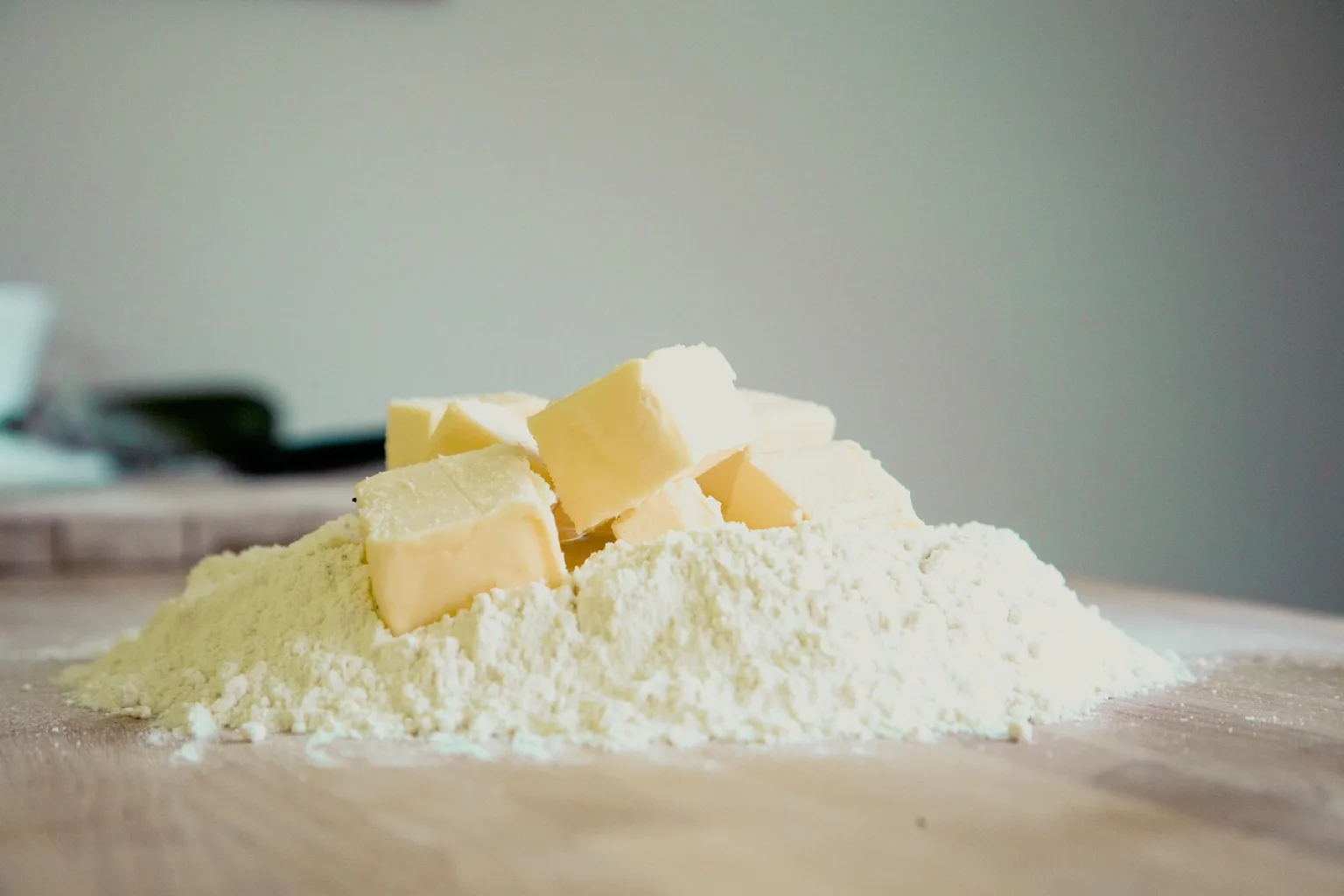
Butter is a dairy product made by churning cream, separating and working the milk fat into a cohesive mass. Its flavor and consistency can vary with how it is made, and it is sold both salted and unsalted. In cooking, butter adds flavor and fat to savory and sweet preparations. It melts progressively when heated, so it can be used melted or incorporated in a cool or softened form, depending on the recipe.
When to use it
Use butter when you want a rich, dairy flavor in a dish, such as when sautéing, enriching a sauce, or finishing hot food. It is also common in baking, where the recipe determines whether it should be cold, melted, or softened. Choose unsalted butter when you want closer control over added salt, or salted butter when its salty flavor suits the dish. Keep a close eye on it over high heat: it can brown and burn.
How to use it
For sautéing, melt the butter and add the ingredients once it has liquefied; control the heat so it does not darken too much. To finish a sauce or hot dish, stir in a small amount until incorporated. In baking, follow the recipe's instructions for using butter cold, melted, or softened. To make browned butter, heat it attentively until it turns golden and smells toasted, without letting it burn. Adjust added salt if you use salted butter.
Flavour and texture
Butter has a distinctive, rich, dairy flavor; salted butter adds a salty note. Its texture can range from firm to soft depending on the product and its temperature. It melts progressively when heated and develops a toasted aroma when browned. Different varieties may spread or behave differently, so they are not always interchangeable in a recipe.
How to choose it
Choose butter for its intended use and check the package to see whether it is salted or unsalted. Check that the packaging is intact and read the ingredient list and manufacturer’s directions, especially if you need to avoid an ingredient. Consistency varies by product, so for a particular recipe note whether it calls for cold, softened, or melted butter.
Storage
Follow the storage directions on the package and keep butter covered or wrapped when not in use. Its firmness changes with temperature, and it melts progressively when heated. To help maintain quality, avoid leaving it exposed unnecessarily to air or strong odors, and follow the manufacturer's date and handling instructions.
Substitutions
Ghee or clarified butter can work in some savory preparations, but it is not identical to ordinary butter. Oil can be used for sautéing when buttery flavor is not essential; it changes the flavor and may not behave the same way in baking. Do not automatically swap ingredients in pastry recipes, where the finished texture can change.
Common mistakes
Heating butter too aggressively can make it brown too much or burn, so watch it as it melts. Another mistake is substituting it without considering the effect on flavor and texture, especially in baking. Check whether the recipe calls for salted or unsalted butter and adjust added salt accordingly.
Safety and allergens
Butter is a dairy product and contains milk. If you have a milk allergy, avoid it and check the label of any alternative product. Follow the storage directions on the package.
Culinary uses
- Cooking fat for sautéing and browning
- Ingredient for sauces, baking, and finishing dishes
Recommended techniques
- Melt gently and use to sauté or finish food
- Cream softened butter into baking mixtures
- Brown carefully for a toasted, nutty aroma
- Whisk into a sauce for a richer texture
Pairs well with
- Bread
- Vegetables
- Meat
- Herbs and spices
Frequently asked questions
Should cooking butter be salted or unsalted?
It depends on the recipe. Unsalted butter gives you more control over added salt; salted butter contributes its own salty flavor.
Can I use butter for sautéing?
Yes. Melt it and control the heat, since it can brown and burn if heated too much.
Can I replace butter with oil?
Oil can work for sautéing when butter flavor is not essential, but it may not give the same result in baking.
Sources and review
Automatically researched, cross-checked and validated content. Sources consulted:
- Client Challenge doi.org
- Mantequilla - Wikipedia, la enciclopedia libre es.wikipedia.org
- La importancia de la mantequilla en la cocina friolisa.es
- Ask IFAS: Wendy Dahl ask.ifas.ufl.edu
- Publicaciones de Seguridad alimentaria aesan.gob.es
- implication of long-chain fatty acids in glucose-induced ... diposit.ub.edu
- Food Safety Questions and Answers extension.psu.edu
- lesson plan: healthy eating and nutrition smu.edu
- GastroWiki - Blog sobre Gastronomía gastroalianza.es
- La mantequilla en la cocina: versatilidad, sabor y técnicas para sacarle el máximo provecho isbcazuero.com