- Category
- Vegetables
- State
- Canned
- Usual unit
- g
What it is
Canned diced tomatoes are tomatoes cut into pieces before packaging. The size of the pieces, amount of liquid and any added ingredients can vary by product, so check the label when you need a particular texture or ingredient list. Unlike whole canned tomatoes, they are already cut and do not need to be broken up before adding them to a recipe. They are a pantry ingredient for cooking rather than a finished sauce: the final flavor and consistency depend on how they are incorporated and cooked. They are classified as a vegetable ingredient and, in this form, as canned.
When to use it
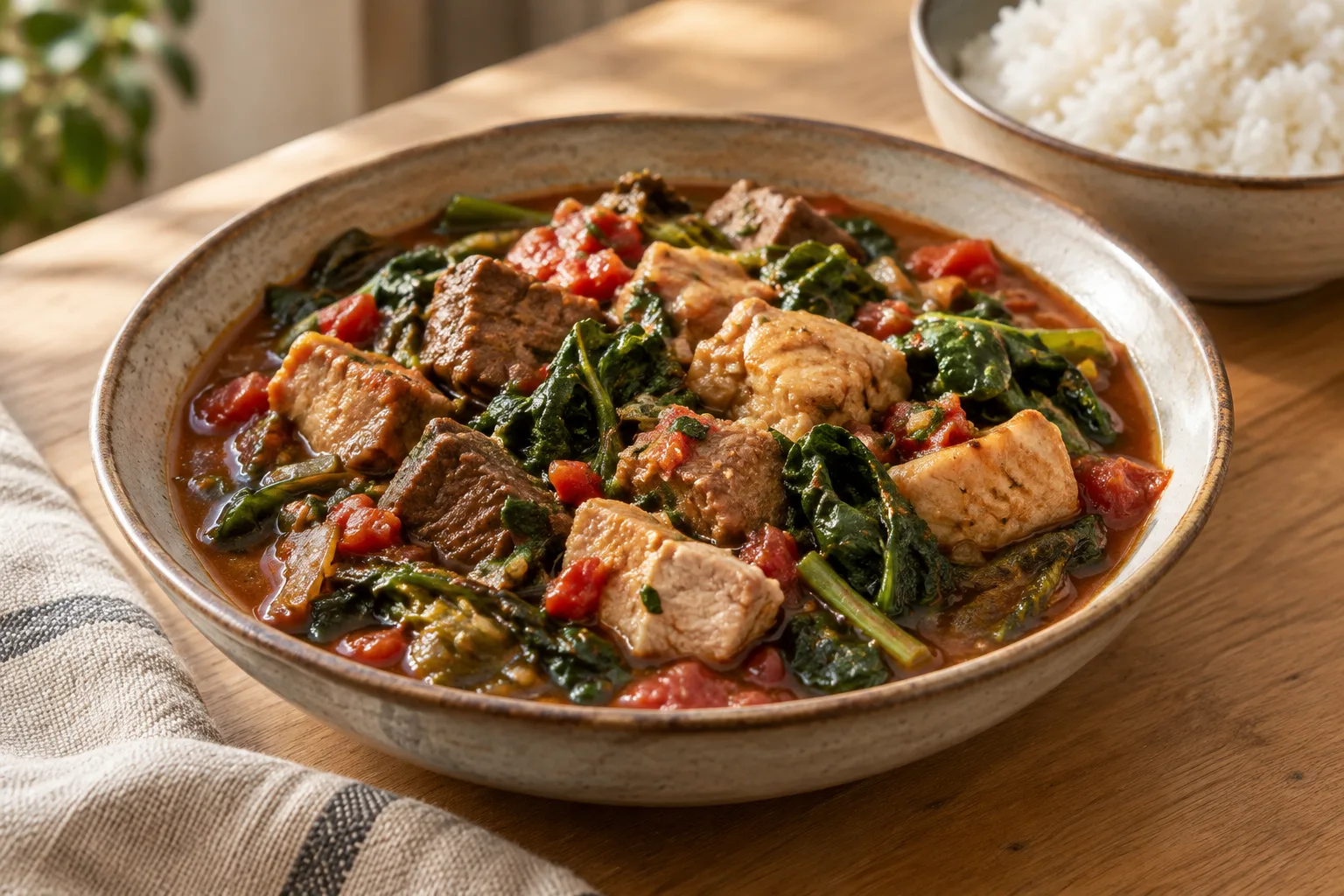
Use them when you want tomato pieces in a sauce, sofrito or stew without preparing fresh tomatoes. They are convenient in recipes where the tomato will cook and soften as part of the dish. Choose this form when you want to retain some texture; if you prefer a smoother mixture, mash the pieces as they cook or choose a smoother tomato product. Before cooking, check whether the can includes salt, herbs or other ingredients so you can adjust the rest of the recipe accordingly.
How to use it
Open the can and add the tomatoes with as much of their liquid as the recipe calls for. Stir them into a garlic or onion base and cook gently until incorporated, or add them directly to a stew that calls for tomato. Stir occasionally and crush some pieces with a spoon if you want a less chunky texture. If the dish is thinner than you want, continue cooking until it reaches the consistency you prefer; if it becomes too concentrated, adjust with liquid as the recipe allows. Taste before adding salt or seasonings, since the product may contain added ingredients. Follow the package directions rather than treating a commercially packed product as a home-canning recipe.
Flavour and texture
Their flavor is that of tomatoes prepared for cooking, with a balance of sweetness and acidity that varies from product to product. The texture usually includes recognizable pieces in tomato juice; piece size and firmness depend on the brand and processing. During cooking, the pieces soften and may partly break down. Products with added salt, herbs or other ingredients can taste different, so the label helps set expectations.
How to choose it
Read the label to see whether the product contains only tomatoes or also salt, herbs or other ingredients. Check the piece size and packing liquid if texture matters to your recipe; products are not necessarily identical. Choose a package with a readable label and no obvious damage. If you need a more uniform result, consider a crushed or smooth tomato product instead of diced pieces.
Storage
Store the unopened product according to its label. Once opened, follow the manufacturer's storage directions and avoid leaving it exposed longer than needed while cooking. The information available does not establish one universal time limit or detailed storage conditions for every opened product, so do not infer them from a home-canning recipe. If you cannot find the package directions, consult the manufacturer’s product information.
Substitutions
You can replace diced tomatoes with whole canned tomatoes, crushing or chopping them before use. Chopped fresh tomatoes can also work in cooked dishes, although their texture and liquid content may change the result. Passata or another smooth tomato product works when visible pieces are not needed, but gives a more uniform texture. Adjust cooking and liquid to suit the recipe rather than assuming an exact quantity-for-quantity replacement.
Common mistakes
Do not assume every can has the same piece size, amount of liquid or added ingredients; check the label. Avoid adding salt automatically before tasting the product and dish. Also, do not expect a completely smooth sauce from diced tomatoes: mash the pieces as they cook or choose a finer product if that is the texture you want.
Safety and allergens
Follow the storage and use directions on the package. Do not use the product if the condition of the package or its contents seems doubtful.
Culinary uses
- Sauce and pasta base
- Ingredient for stews and simmered dishes
- Convenient tomato component for sofritos
Recommended techniques
- Simmer to soften the pieces and bring the tomato flavor into a dish
- Stir into a sofrito or aromatic base
- Break up larger pieces with a spoon while cooking if a finer texture is wanted
Pairs well with
- Pasta
- Garlic
- Onion
- Herbs or spices, depending on the recipe and the product
Frequently asked questions
Are canned diced tomatoes ready to cook with?
Yes. They are already cut and can be added directly to a cooked recipe. Check the label and adjust seasonings to account for any ingredients in the product.
Can I substitute whole canned tomatoes?
Yes. Crush or chop the whole tomatoes before adding them. Their liquid content and texture may differ, so adjust the cooking to suit the recipe.
How can I make a less chunky sauce?
Crush the pieces with a spoon as they cook, or use a smooth tomato product if you want to avoid visible pieces.
Sources and review
Automatically researched, cross-checked and validated content. Sources consulted:
- La mejor forma de conservar tomates no es secándolos ni convirtiéndolos en salsa, es aplastarlos y meterlos en botes - Infobae infobae.com
- Tomates ecológicos: cómo elegirlos según el uso en la cocina - Verduravital verduravital.es
- Romanica Olomucensia : «¿Qué pinga es esto?». Usos disfemísticos en el español de Cuba doi.org
- Gastronomía de Costa Rica - Wikipedia, la enciclopedia libre es.wikipedia.org
- Salsa de Manzana y Durazno (Melocotón) (Spanish) - National Center for Home Food Preservation nchfp.uga.edu
- - YouTube youtube.com
- Tomate de verano, guía de tipos y recetas - Mercado de Chamartín mercadodechamartin.es
- El tomate en conserva: del tomate pelado al concentrado de tomate - Panepanna panepanna.es
- Comité Científico aesan.gob.es
- Guia_RGSEAA.pdf aesan.gob.es
- Conservas de tomate entero y tomate triturado: ¿en qué se diferencian? - Garpa Alimentación - Almacenamiento y Distribución para las Islas Canarias garpa-alimentacion.com
- Comparativa de los mejores quesos y embutidos maridados con tomates troceados en conserva laovejaquebala.es