- Category
- Vegetables
- State
- Fresh
- Usual unit
- unit
What it is
Cubanelle is a sweet pepper variety of Capsicum annuum, generally known for mild heat. The fruit is typically long and narrow; it may be pale green and develop orange or red tones as it ripens. Sold fresh, it is especially appreciated for frying and other cooked preparations. As with other peppers, individual fruits can vary in size, color, and intensity, so the variety name does not guarantee that every pepper will taste exactly the same or have an identical level of heat.
When to use it
Choose Cubanelle when you want a sweet, mild pepper for frying or sautéing, or when you want to add pepper flavor to a cooked dish without making heat the main feature. Slice it into salads or sides, or cook it with onion, celery, and tomato as part of a flavorful base. A riper, more colorful fruit may suit a sweeter-tasting dish, while a green one can offer a fresher, more pronounced pepper note. Cubanelle also works well in dishes built around rice, pasta, or vegetables.
How to use it
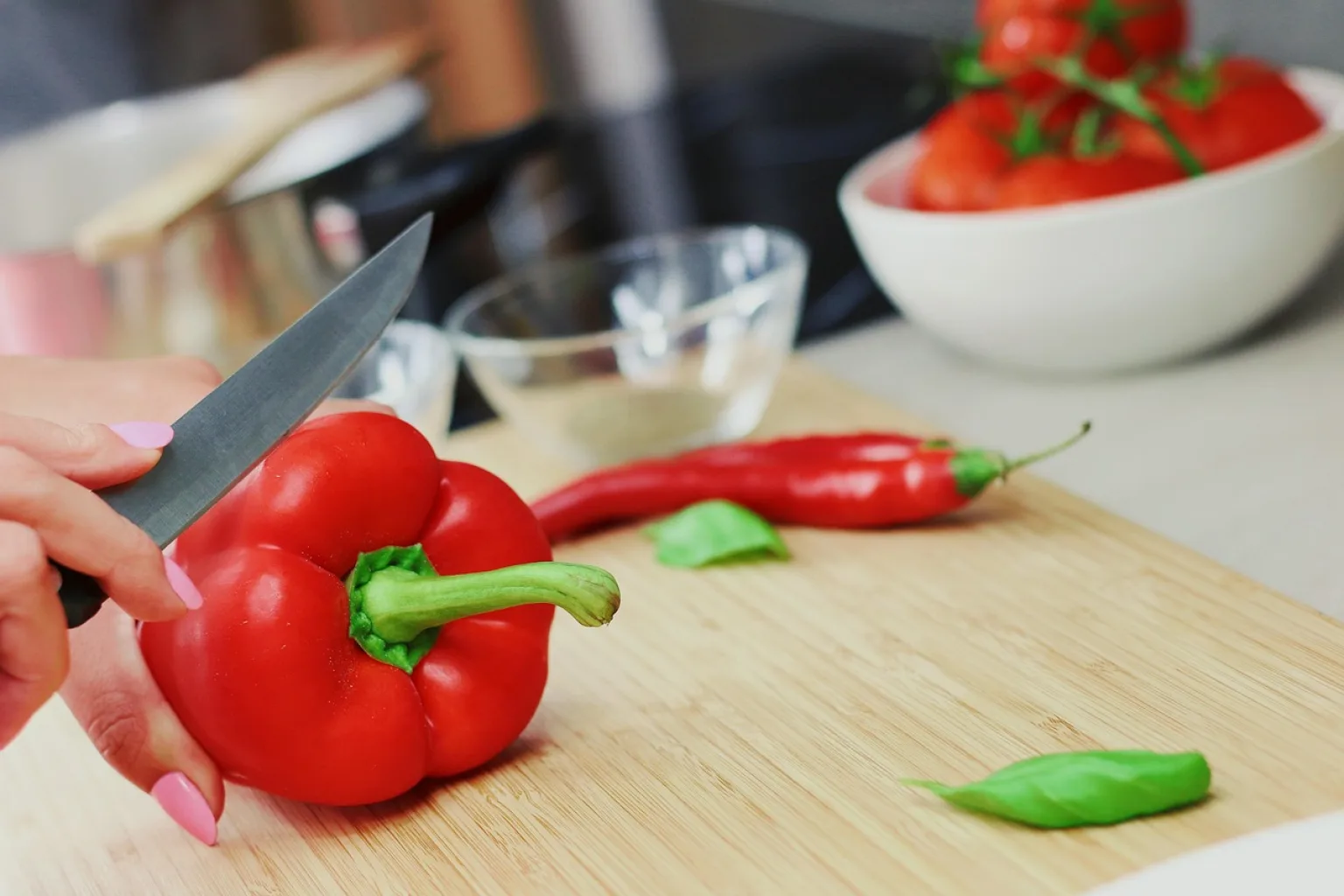
Rinse the pepper under running water and dry it. To prepare it, remove the stem and open the fruit; take out the seeds and firmer inner ribs if you prefer. Cut it into strips or dice it to suit the dish. Fry or sauté it with onion and other vegetables, add it to stews and stir-fries, or roast it and serve it as a side. It can also be eaten raw in salads or vegetable platters, or stuffed and baked. To freeze it for later cooking, wash it, remove the stem, seeds, and membranes, cut it up, and freeze the pieces in a single layer before transferring them to a freezer-safe container. Thawed peppers may be less crisp, so frozen Cubanelle is particularly useful in cooked dishes.
Flavour and texture
Cubanelle is recognized for its sweet, mild flavor and generally low heat, although individual peppers can differ. The variety is commonly described as elongated and relatively thin-skinned. Cooking makes the flesh tender and adds color and pepper flavor to vegetables, rice, or meat dishes; raw, it has a firmer, fresher texture.
How to choose it
Choose peppers that feel firm, have smooth, glossy skin, and are heavy for their size. Avoid soft spots, pronounced wrinkling, cuts, or holes. Cubanelle color can change as it matures, so pale green as well as orange or red tones may be normal. For a sweeter-tasting pepper, consider a more mature-looking fruit when available, but make sure it is intact and in good condition.
Storage
Keep whole peppers in the refrigerator in a bag and aim to use them within about a week. Green peppers may keep longer than more mature ones. Once cut, refrigerate the pieces and use them within a couple of days, since cut peppers spoil sooner. To freeze, remove the stem, seeds, and membranes, cut the pepper, and freeze the pieces on a tray first. Transfer them to a freezer-safe container and remove as much air as practical.
Substitutions
Use a bell pepper for a milder result, recognizing that its flavor and shape differ. A poblano can be a generally mild alternative, while an Anaheim may bring more heat. For tested home-canning recipes, do not change the total amount of peppers or improvise substitutions: follow the specified proportions and process.
Common mistakes
Do not assume every Cubanelle has exactly the same heat or sweetness. Avoid peppers that are soft, badly wrinkled, or damaged, and do not leave cut pieces unrefrigerated for days. Remember that freezing can reduce firmness after thawing, making frozen peppers better suited to cooked dishes. Do not freely change pepper proportions in a canning recipe.
Safety and allergens
Rinse the pepper under running water before cutting and refrigerate leftover pieces. If preserving peppers at home, use a tested recipe and follow its proportions and processing directions exactly: peppers are low in acid, and improperly preserved peppers can be dangerous.
Culinary uses
- Sweet, mild pepper for frying and sautéing
- Fresh or cooked vegetable for salads, sides, and mixed dishes
- Pepper for stuffing or adding color and flavor to cooked dishes
Recommended techniques
- Sautéing or frying
- Grilling or roasting
- Eating raw
- Freezing for later use in cooked dishes
Pairs well with
- Onion
- Celery
- Tomato
- Rice and pasta
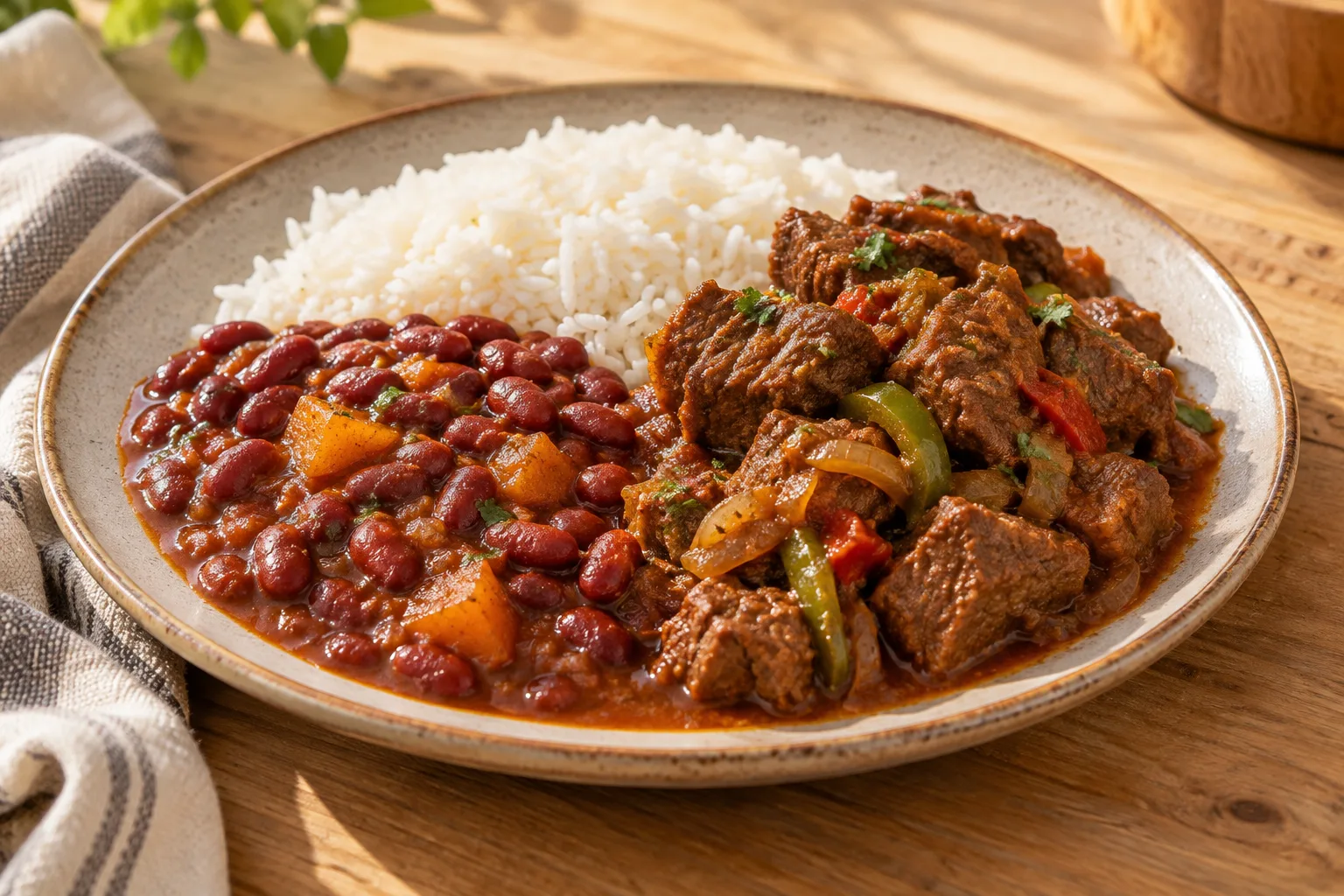
- Beef
Frequently asked questions
Are Cubanelle peppers hot?
They are generally sweet and mild, but heat can vary. If heat sensitivity matters, taste a small piece before adding the pepper to a dish.
Can Cubanelle peppers be eaten raw?
Yes. Rinse the pepper, remove the stem and seeds if you wish, and slice it for salads or vegetable platters.
Can I freeze Cubanelle peppers?
Yes. Wash, stem, seed, and cut them, then freeze the pieces on a tray before storing them in a freezer-safe container. They may be less firm after thawing, so they are useful in cooked dishes.
Sources and review
Automatically researched, cross-checked and validated content. Sources consulted:
- Client Challenge doi.org
- The Essential Glossary of Cooking Terms for the Culinary Arts - Escoffier escoffier.edu
- Pimiento rojo Km 0 de Lleida dulce, jugoso y cultivado en huerto propio para ensaladas, salsas y conservas - Km0 km0andanifruits.com
- Preserving peppers | OSU Extension Service extension.oregonstate.edu
- Page 7 | See All Home Food Preservation and Safety - Home Food Preservation and Safety - Food Safety and Quality extension.psu.edu
- Pepper Substitutions | UC Master Food Preservers of Inyo and Mono Counties ucanr.edu
- How to Freeze Sweet, Bell and Hot Peppers | UNL Food | Nebraska food.unl.edu
- Peppers by Scoville Units – Gardening Solutions gardeningsolutions.ifas.ufl.edu
- Peppers - National Center for Home Food Preservation nchfp.uga.edu
- El Pimiento Y Su Importancia En La Gastronomía Española - Restaurante Romero restaurante-romero.es
- El pimiento ecológico: un ingrediente principal en nuestras ... afuegolento.com
- Panther Bites: Recipes for Gathering Season - Florida Tech News+ news.fit.edu
- Ingredientes para la receta: El pimiento — Cuaderno de Cultura Científica culturacientifica.com
- Sweet Peppers | Bedford County bedford.tennessee.edu
- Pimiento Cubanelle: cultivo, riego y cosecha en 65 días plotmygarden.com
- El pimiento en la gastronomía española: denominaciones de origen, usos y propiedades - Conciencia Eco concienciaeco.com