- Category
- Oils and fats
- State
- Liquid
- Usual unit
- tablespoon
What it is
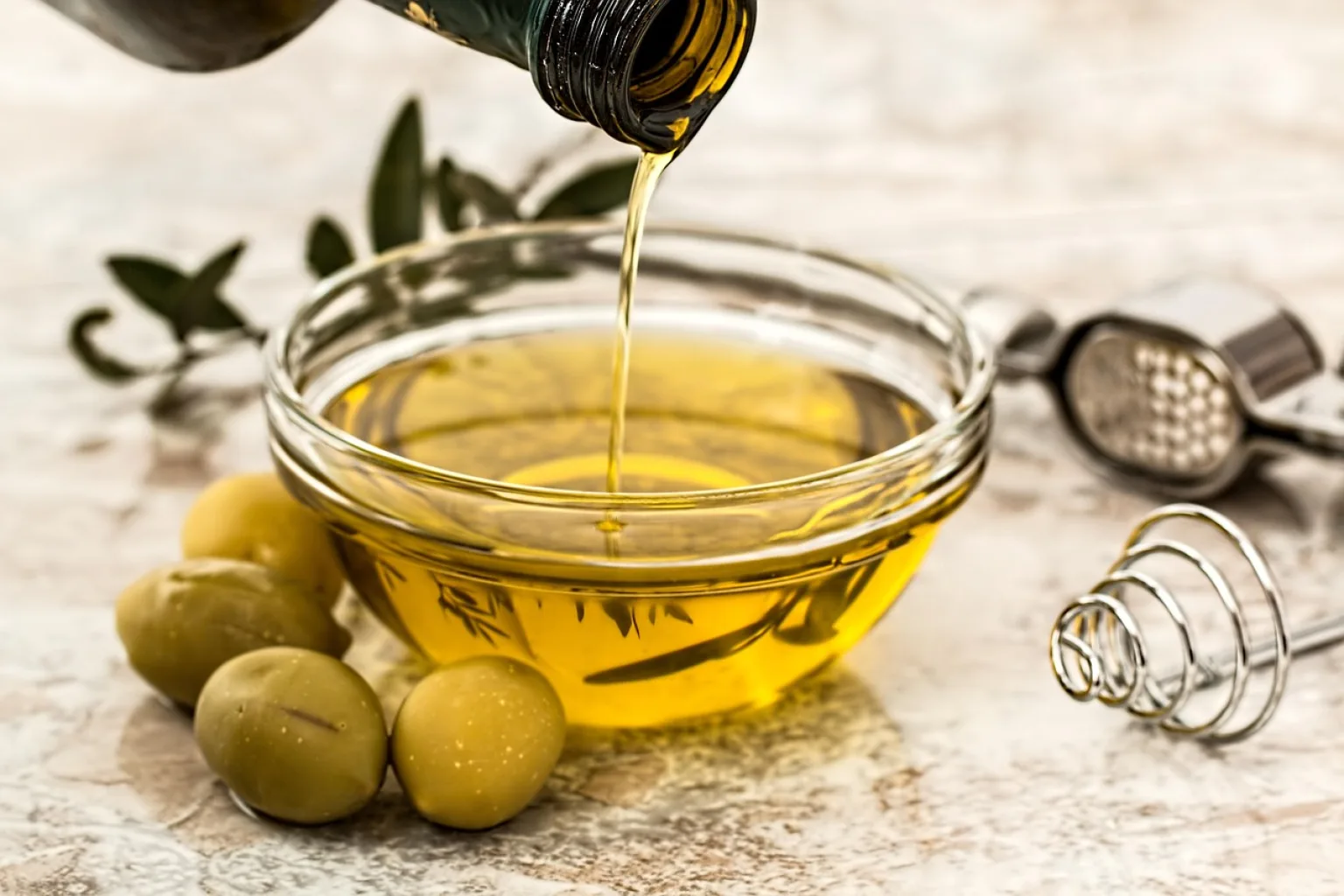
Dendê oil is extracted from the pulp of the fruit of the African oil palm. In Brazilian Portuguese, dendê is the name for oil from this palm, and culinary sources identify it as a distinctive ingredient in the food of Bahia. It should not be confused with palm kernel oil, which is pressed from the fruit’s kernel. The available sources describe it as a cooking oil used in dishes and recipes, not as a dried spice or a paste. They document culinary uses but do not provide a complete sensory profile from which to define its aroma, color or texture precisely.
When to use it
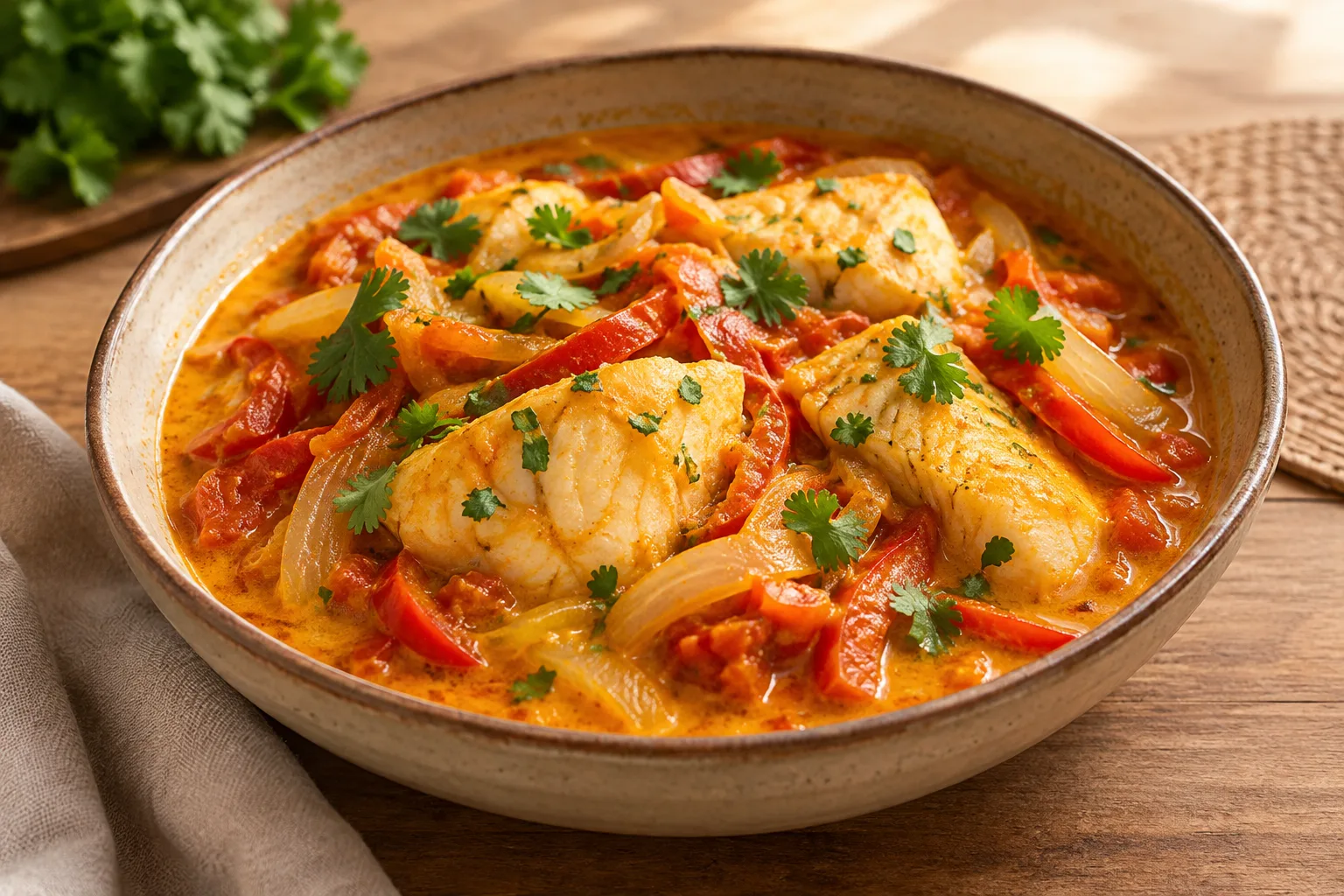
Use it when preparing Bahian dishes in which dendê is part of the recipe, such as a moqueca with fish or seafood. It is also used to fry acarajé, black-eyed pea fritters, and appears in okra preparations with dried shrimp. Its presence is characteristic of these dishes; the evidence does not suggest that every Brazilian stew calls for it. When a recipe specifies dendê, choose a product labeled for food use and bear in mind that the sources do not establish an exact equivalent among other oils.
How to use it
Add it as directed by the recipe: it can be part of the base for a moqueca with fish or seafood, onion, tomato, green bell pepper, cilantro and coconut milk. It is also used to fry acarajé, fritters made from black-eyed peas, and appears in recipes for okra with dried shrimp. One amalá recipe gently heats the oil before cooking other ingredients, so it should not automatically be treated only as a high-heat frying oil. Follow the recipe for quantity and cooking method; the available evidence does not establish a universal amount or general cooking time.
Flavour and texture
The sources describe dendê as a distinctive cooking oil in Bahian cuisine, but they do not provide a reliable, complete account of its flavor, aroma, color or mouthfeel. A commercial listing calls it intensely flavored, but that product description cannot establish a profile for every dendê oil. In practice, use it for recipes that specify it, and do not assume other oils will produce the same result.
How to choose it
Look for a product clearly labeled dendê oil or palm oil for food use. Check the label and manufacturer’s directions: the available evidence does not compare brands, refining grades or culinary quality standards. Do not confuse oil from the fruit pulp with palm kernel oil, which comes from the kernel. These sources do not establish a buying season or a universal color or aroma that signals quality.
Storage
The available evidence does not specify a storage temperature, shelf life or preservation method for dendê oil. Follow the directions on the product you buy and keep it in its appropriate container. These sources cannot establish whether a particular variety should be refrigerated or how long it retains quality after opening; use the manufacturer’s guidance rather than relying on a general time limit.
Substitutions
The available evidence does not establish a culinary substitute that exactly reproduces dendê’s result. Another food-grade dendê product is the most direct option if you are changing brands. Food-grade palm oil may be a functional alternative, but the sources do not confirm that it has the same profile or works identically in every recipe. Treat a swap as an adaptation, not as a demonstrated equivalence.
Common mistakes
Do not confuse dendê oil, extracted from the fruit pulp, with palm kernel oil, pressed from the kernel. Do not assume that every Brazilian or Bahian recipe contains dendê: the sources link it to particular dishes, including moqueca and acarajé. Avoid assuming another oil will produce the same result, since the available evidence does not demonstrate that equivalence.
Safety and allergens
Use only a product labeled for food use and follow its package directions. The available sources provide no specific official safety warning for dendê oil.
Culinary uses
- Grasa de cocción en platos bahianos
- Aporte distintivo a guisos y preparaciones fritas
Recommended techniques
- Calentar suavemente e incorporar a una preparación
- Freír, como en los bolinhos de acarajé
Pairs well with
- Pescado o marisco, cebolla, tomate, pimiento verde, cilantro y leche de coco
- Frijoles de ojo negro y camarones secos
Frequently asked questions
What is dendê oil made from?
It is extracted from the pulp of the African oil palm fruit. It is different from palm kernel oil, which comes from the fruit’s kernel.
Which dishes use dendê oil?
The sources associate it with Bahian moqueca, acarajé and okra preparations with dried shrimp.
Can I replace it with another oil?
The available evidence does not identify an equivalent substitute. Another food-grade dendê product is the most direct option; another palm oil might work functionally, but the same result is not guaranteed.
Sources and review
Automatically researched, cross-checked and validated content. Sources consulted:
- ¿Por qué la muerte es origen de miedos y tabúes? doi.org
- Revista del Comité Científico de la aesan aesan.gob.es
- Atlantic World Foodways Conference | Atlantic World Research Network awrn.uncg.edu
- Dendê Oil Family Agriculture Project | ReVista revista.drclas.harvard.edu
- Brazilian Cuisine: Flavors Shaped by People, Culture, and Climate | CIA ciachef.edu
- Food - Fall 2020 Brazil Virtual Research Tour - Research Guides at Purdue University Libraries guides.lib.purdue.edu
- Sacred to Secular: Two Recipes for Brazilian Festa Junina | Smithsonian Folklife Festival festival.si.edu
- "Brazil Slide Series: Collection Salvador, Bahia, Slide No. 0061." by Herbert Knup, Jon M. Tolman et al. digitalrepository.unm.edu
- Food and the African Past content.ucpress.edu
- Aceite de dendê: presente en 32 platos menuella.com
- - YouTube youtube.com
- Arrifana Azeite de Dendê 1L – Aceite de Palma Dendê para Cocina Brasileña – Ideal para Moqueca, Vatapá y Platos Africanos – Aceite de Cocina con Sabor Intenso : Amazon.es: Alimentación y bebidas amazon.es
- Aceites y oleínas de origen vegetal | FEDNA fundacionfedna.org