- Category
- Fruit
- State
- Dry
- Usual unit
- cup
What it is
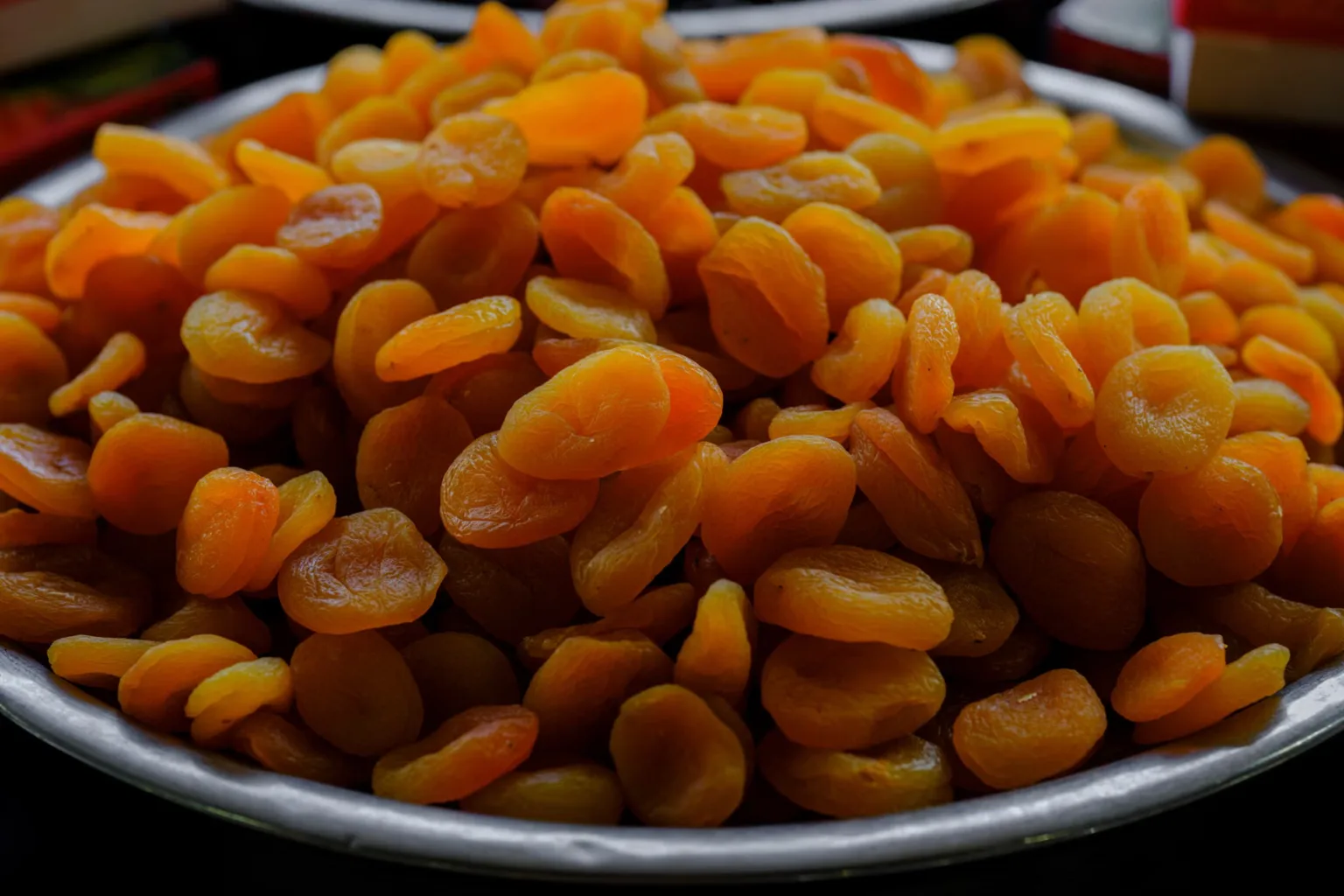
Dried apricots, sometimes called apricot halves or apricot pieces, are apricots dried to remove much of their water. They are sold whole, halved, or cut, and can vary in size, color, sweetness, and texture depending on the fruit and processing. Some are soft and pliable; others are firmer and drier. They are not interchangeable with fresh apricots in texture: with less moisture, dried fruit tastes more concentrated and is chewier, though soaking or cooking can soften it. Dried apricots work as a snack and as an ingredient in sweet and savory cooking. Check the package if you need to know whether ingredients have been added or how that particular product should be stored.
When to use it
Use dried apricots when you want fruity sweetness, a hint of tartness, and a chewy texture without preparing fresh fruit. Chopped pieces work over oats, muesli, or yogurt; in baking, they add tender fruit bites to breads, muffins, and snack bars. In grain salads, they contrast with savory ingredients and nuts. They can also be simmered in compotes or stews, where they soften and contribute their flavor to the liquid. If the pieces feel especially firm, soaking or cooking them can make them easier to cut and more tender in the finished dish.
How to use it
Check the fruit for condition, wash your hands, and use clean utensils and surfaces when preparing food. For a quick snack, serve the apricots as they are. To distribute them through a recipe, cut them into strips or dice them with a clean knife; if they are sticky, lightly dampen the blade. Add them to oats, muesli, yogurt, bread or muffin batter, or toss them with cooked grains, nuts, and cheese in a salad. For a softer result, cover them with liquid and let them soak, or simmer gently in a compote or stew. Taste the dish before adding extra sweetener, since dried fruit already contributes sweetness. Follow the package directions for storage.
Flavour and texture
Dried apricots taste sweet and fruity, sometimes with a tart edge; drying makes their flavor more concentrated than that of fresh apricots. Their texture is usually chewy, ranging from soft and pliable to firm and dry. Appearance and color vary between products. Soaking or cooking softens the fruit and can make it juicier, which suits compotes and stews.
How to choose it
Choose an intact package and read the label for ingredients and storage directions. Look for fruit that appears clean and free from visible spoilage or mold; color and pliability can differ across products. If texture matters to your recipe, compare the appearance of the pieces or check the package description: some dried apricots are tender, while others are firmer. Choose a package size that suits the amount you expect to use.
Storage
Store the product according to its package directions, and close the container between uses to protect the fruit from moisture and dirt. If transferring it, use a clean, dry, food-safe container. Inspect the fruit before eating and discard it if you see mold or signs of spoilage. Do not assume every opened package keeps for the same length of time; recommended conditions can depend on the product and its label.
Substitutions
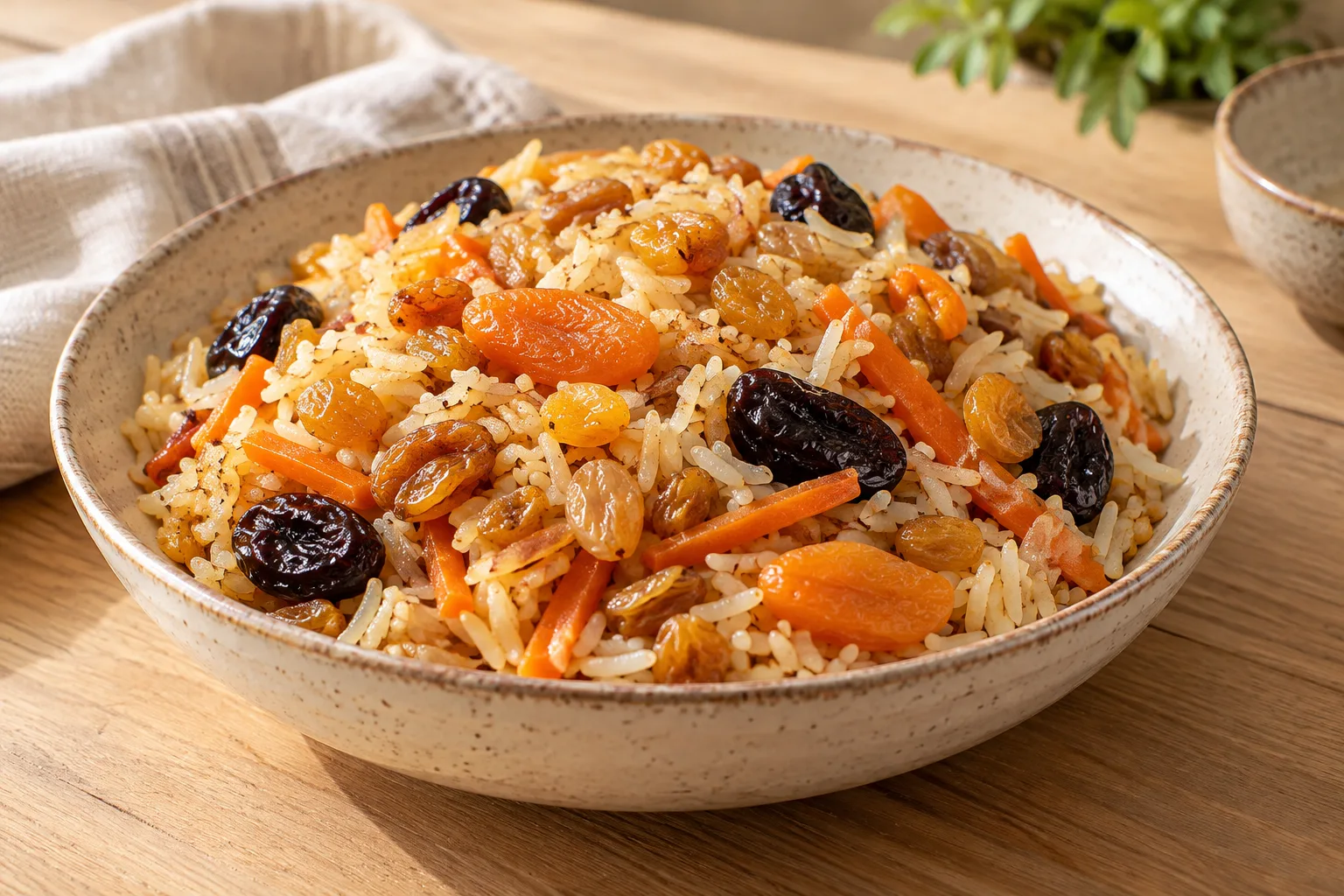
Chopped raisins, dates, dried figs, or prunes can play a similar role in cereal, baked goods, salads, and some stews. Their flavor and texture will differ, so taste the dish and adjust sweetness as needed. When replacing whole pieces with another dried fruit, cut it to a similar size so it distributes evenly.
Common mistakes
Adding whole apricots when a recipe calls for small pieces can create uneven bites and make them harder to distribute. It is also a mistake to assume every piece has the same moisture: firmer fruit may need soaking or cooking to become tender. Because the sweetness is concentrated, adding sugar before tasting can make the finished dish overly sweet.
Safety and allergens
Use clean hands, surfaces, and utensils when preparing food. Inspect the fruit before eating and do not consume pieces with mold or signs of spoilage. Follow the package directions for storage.
Culinary uses
- snack
- sweetener and fruit addition
- baking ingredient
- sweet-savory contrast
Recommended techniques
- chop or dice
- soak or simmer to soften
- fold into dough or cereal
- cook slowly in stews and compotes
Pairs well with
- oats and muesli
- yogurt
- almonds and pistachios
- couscous and quinoa
- feta and other salty cheeses
- chicken or lamb with warm spices
Frequently asked questions
Do dried apricots need to be soaked before eating?
No. They can be eaten as they are. Soaking or cooking is useful when you want a softer texture or are adding them to a moist preparation.
How can I use dried apricots in savory dishes?
Chop them into grain salads or stews. Their fruity sweetness contrasts with savory ingredients, nuts, and spices.
How can I tell if dried apricots have spoiled?
Inspect them before use and discard fruit with visible mold or signs of spoilage. Follow the package storage directions as well.
Estimated nutrition
- Fat
- 0 g
- Saturates
- 0 g
- Carbohydrate
- 62.2 g
- Sugars
- 54 g
- Fibre
- 8.1 g
- Protein
- 2.7 g
- Salt
- 0.07 g
Sources and review
Automatically researched, cross-checked and validated content. Sources consulted:
- ¿Por qué la muerte es origen de miedos y tabúes? doi.org
- Client Challenge doi.org
- Gastronomía sefardí - Wikipedia, la enciclopedia libre es.wikipedia.org
- revista del - Comité Científico aesan.gob.es
- Comité Científico aesan.gob.es
- Vamos a Conservar Alimentos: El secado de frutas y vegetales (Deshidratación) extension.psu.edu
- Preserve Smart apps.chhs.colostate.edu
- Selecting fruit tree varieties for Central Oregon landscaping and home orchards | Servicio de Extensión de OSU extension.oregonstate.edu
- Edition Parent Communications Unit 1: Fruits and Veggies hsph.harvard.edu
- Orejones De Albaricoque: Beneficios, Usos Y Recetas 2024 campograndeperu.com
- Orejón de albaricoque | Origen y variedades | Frutas | EROSKI CONSUMER frutas.consumer.es
- Orejones de Albaricoque Beneficios: Propiedades y Uso en la Dieta google.com
- Comparativa de quesos y embutidos con confitura de albaricoque: maridajes y mejores opciones laovejaquebala.es
- Más allá del snack bowl: formas creativas de usar albaricoques secos e – NATUR3 REAL FOOD natur3brand.com
- Orejones de albaricoque 7 formas diferentes de disfrutarlos elmonaguillo.com