- Category
- Herbs and spices
- State
- Dry
- Usual unit
- teaspoon
What it is
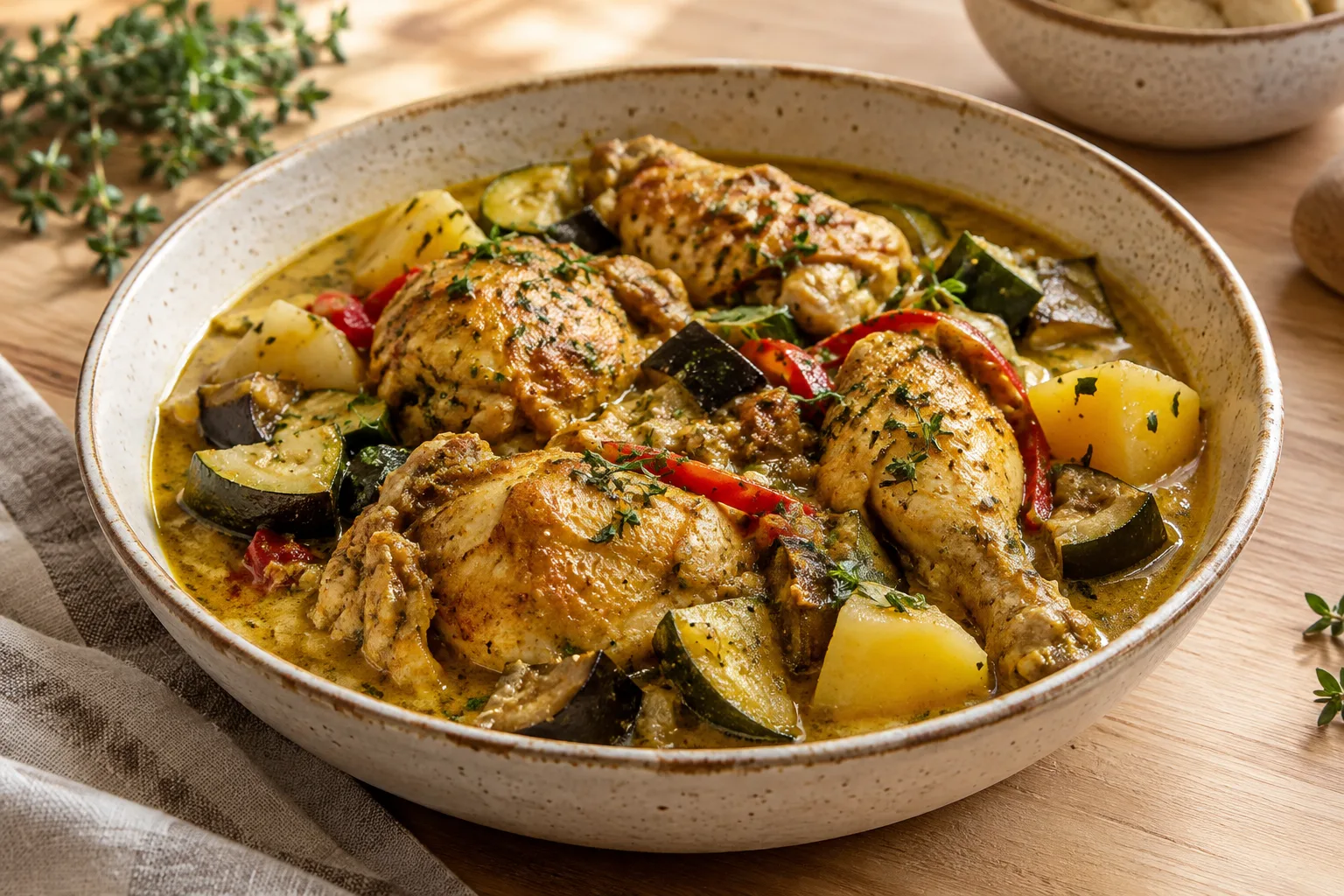
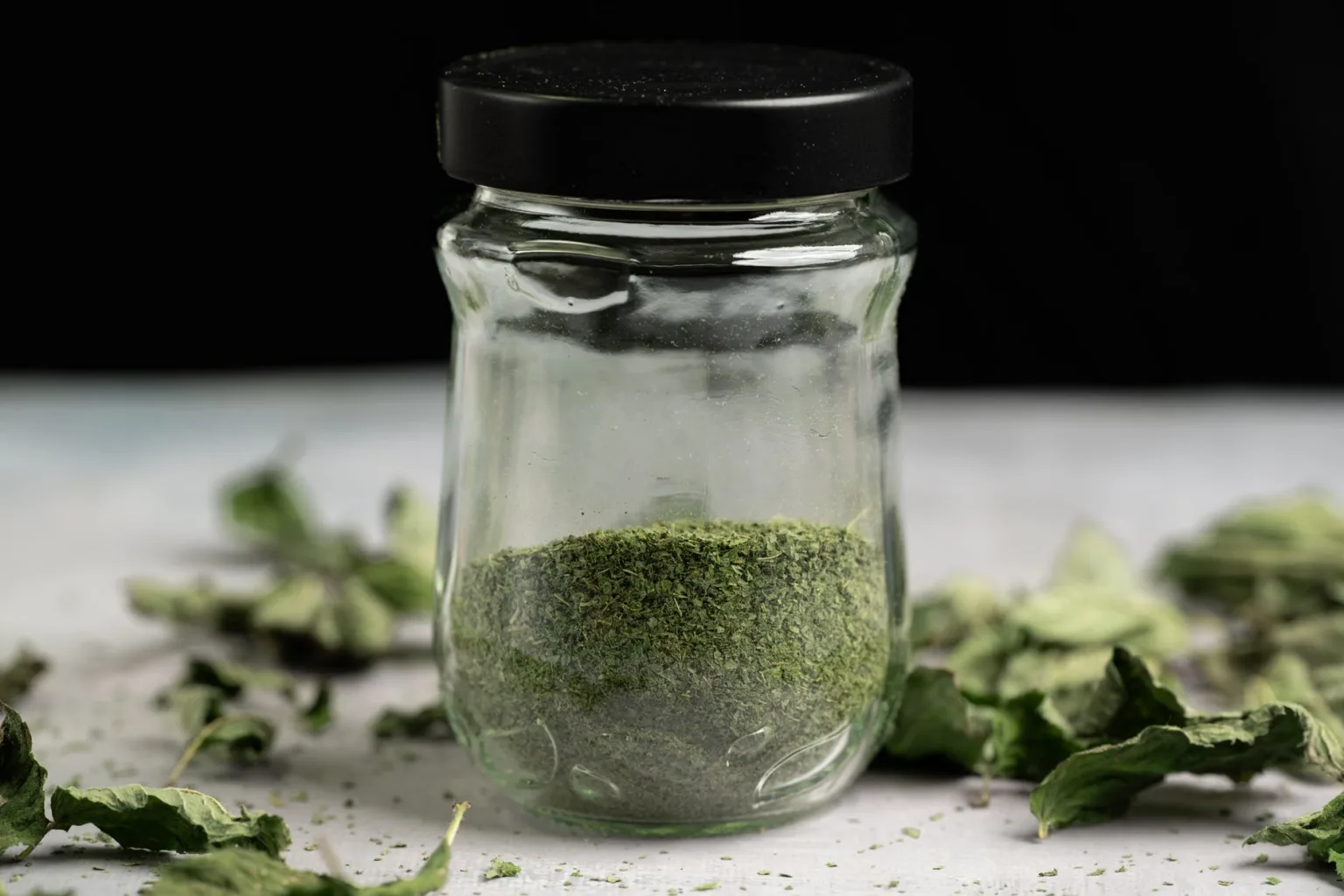
Dried basil is basil whose leaves have been dehydrated for keeping and use as a seasoning. Drying removes moisture and concentrates the herb’s aromatic character, so its flavor is not identical to that of fresh leaves and can seem more minty and somewhat bitter. It is commonly sold crumbled or in small leaf pieces, and a teaspoon is a handy household measure. Dried basil is used chiefly in cooked dishes such as sauces, soups, stews, braises and roasts. It can also be included in herb blends and works well alongside garlic and thyme. It is not a direct textural stand-in for fresh basil in dishes where tender leaves are the focus: fresh leaves play a different role in aroma and texture.
When to use it
Choose dried basil when you want an herbal flavor distributed through a cooked dish, particularly a sauce, soup, stew, braise or roast. It is convenient when fresh leaves are not available and can be added as ingredients cook so its aroma blends into the dish. It is also useful in recipes that already suit garlic and thyme. If you want green leaves, a tender texture or a fresh, prominent aroma at serving, dried basil will not give the same effect. Save fresh basil for that kind of finish, or add a small amount of dried basil to a cooked dish and taste before adding more.
How to use it
Crumble larger leaf pieces between your fingers and measure a small amount with a teaspoon. Stir it into a sauce, soup, stew, braise or dish being prepared for roasting, mixing so it is distributed evenly. You can add it during cooking to blend its flavor with the other ingredients, or try adding it in the final minutes or just before serving; prolonged heat can diminish its aroma. Taste the dish before increasing the amount, since intensity varies between products. Pair it with garlic or thyme when those flavors suit the recipe. For salads or dishes that call for the texture of tender leaves, choose fresh basil rather than expecting dried basil to provide the same freshness.
Flavour and texture
Its profile is herbal and aromatic, with minty notes and a slightly bitter edge that can become more pronounced when dried. The leaves lose the tender texture of fresh basil and are usually brittle or crumbled. In food, dried basil gives a more integrated herbal note than the fresh, green effect of newly picked leaves. Aroma and intensity can vary by product, so start with a small amount and adjust after tasting.
How to choose it
Look for dried basil in a clean, well-sealed, labeled package, with no visible signs of moisture or deterioration. The leaves may be crushed or sold in pieces; either form works for seasoning cooked dishes. Check the package information and choose a product with a perceptible herbal aroma when opened rather than judging by color alone. If you want a garnish or the texture of tender leaves, buy fresh basil: the dried herb will not reproduce that texture.
Storage
Keep dried basil in its tightly closed container and follow the storage directions on the label. Keep the leaves dry and avoid putting a damp utensil into the container; moisture is contrary to the dryness that allows herbs to be kept. After opening, close the package after each use and check the product before adding it to food. The available information does not establish a universal storage period, so do not assume the same duration for every product.
Substitutions
Fresh basil can replace dried basil when you want to retain the character of the same herb, though it brings more freshness and a different texture; adjust the amount by tasting. Dried thyme can work as an aromatic alternative in recipes where its flavor fits, but it does not taste like basil. Neither option exactly reproduces the aroma and character of dried basil.
Common mistakes
Adding a large amount all at once can overwhelm a sauce or stew, so start small and taste. Do not expect dried leaves to have the texture or freshness of just-picked basil. Avoid leaving the container open or letting moisture get in, and do not assume dried and fresh basil are interchangeable without changing the result.
Safety and allergens
Use clean, dry utensils and follow the storage directions on the label. Do not use the product if you see moisture, mold or obvious deterioration. The available information does not identify a specific safety warning unique to dried basil.
Culinary uses
- seasoning for sauces, soups and stews
- aromatic seasoning for roasts and braised dishes
Recommended techniques
- stir into sauces, soups or stews during cooking
- add in the final minutes of cooking or just before serving to preserve more aroma
Pairs well with
- garlic
- thyme
- tomatoes
- vegetables
- eggs
- fish
- meat
Frequently asked questions
What does dried basil taste like?
It has an aromatic, herbal flavor with minty notes and a slightly bitter edge that can stand out more after drying. It does not taste or feel exactly like fresh basil.
What dishes can I use it in?
It works in sauces, soups, stews, braises and roasts. It pairs well with garlic and thyme when those flavors suit the recipe.
Can I substitute fresh basil for dried basil?
Yes. Fresh basil can be used instead, but the flavor intensity, freshness and texture will differ. Add it gradually and taste as you go.
Estimated nutrition
- Fat
- 4.07 g
- Saturates
- 2.16 g
- Carbohydrate
- 47.8 g
- Sugars
- 1.71 g
- Fibre
- 37.7 g
- Protein
- 23 g
- Salt
- 0.19 g
Sources and review
Automatically researched, cross-checked and validated content. Sources consulted:
- The Essential Glossary of Cooking Terms for the Culinary Arts - Escoffier escoffier.edu
- Qué es la punción seca y para qué la usan los fisioterapeutas doi.org
- Vamos a Conservar Alimentos: El secado de las plantas medicinales y aromáticas extension.psu.edu
- Seasonal Produce Handouts | UNL Food | Nebraska food.unl.edu
- Para la ciudadanía aesan.gob.es
- Analyzing Food Sources and Food Insecurity of Kichwa ... scholarworks.uark.edu
- MUSHROOMS stcroix.extension.wisc.edu
- Slow Cooker Turkey Stuffed Peppers – Community Nutrition Security Research Group web.uri.edu
- El Cultivo de Plantas en Contenedores | Servicio de Extensión de OSU extension.oregonstate.edu
- Albahaca- Gastronomía - Región de Murcia Digital regmurcia.com
- Albahaca: qué es, para qué sirve y beneficios bonviveur.com
- - YouTube youtube.com
- Albahaca seca: conoce los beneficios de esta especia jetextramar.com