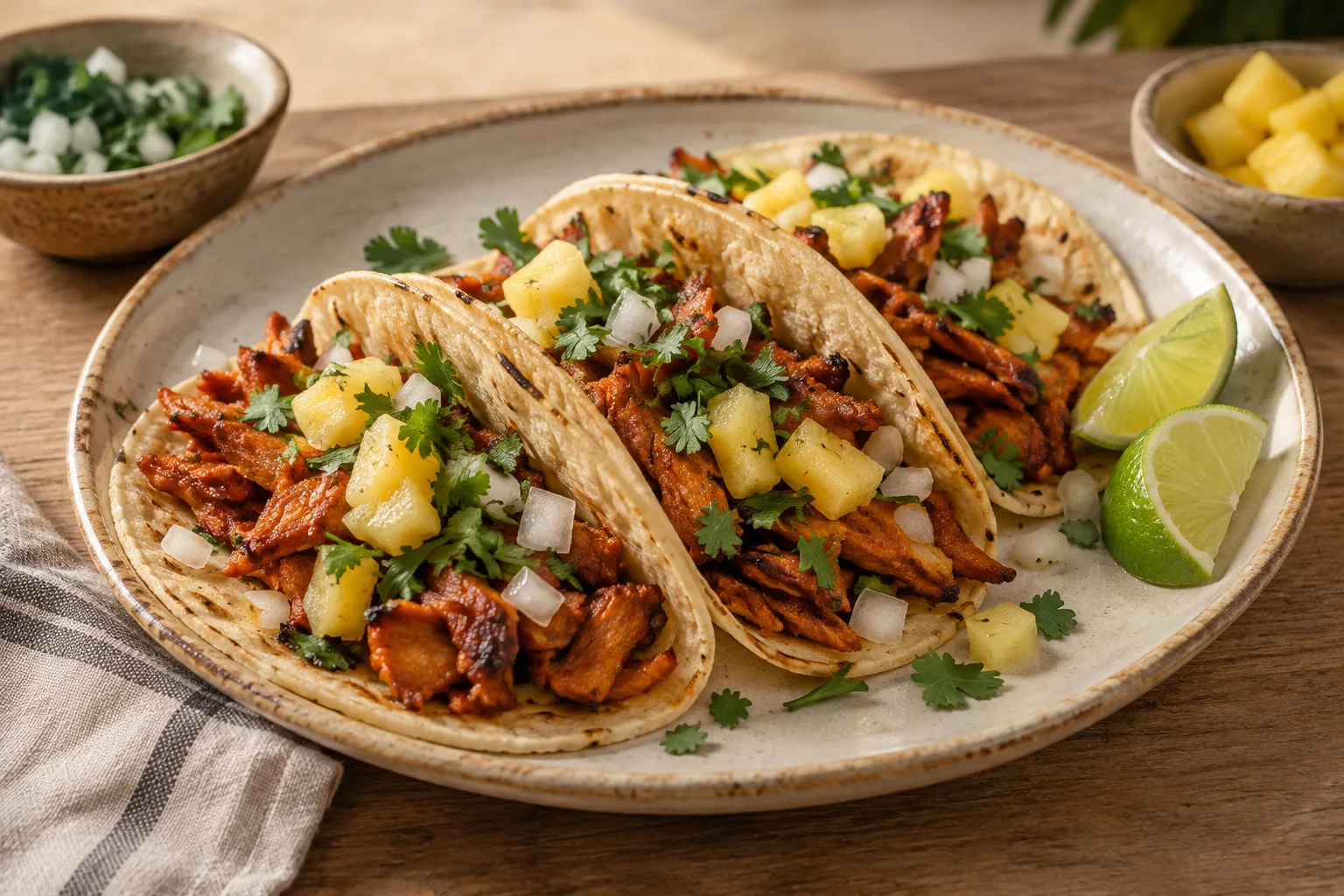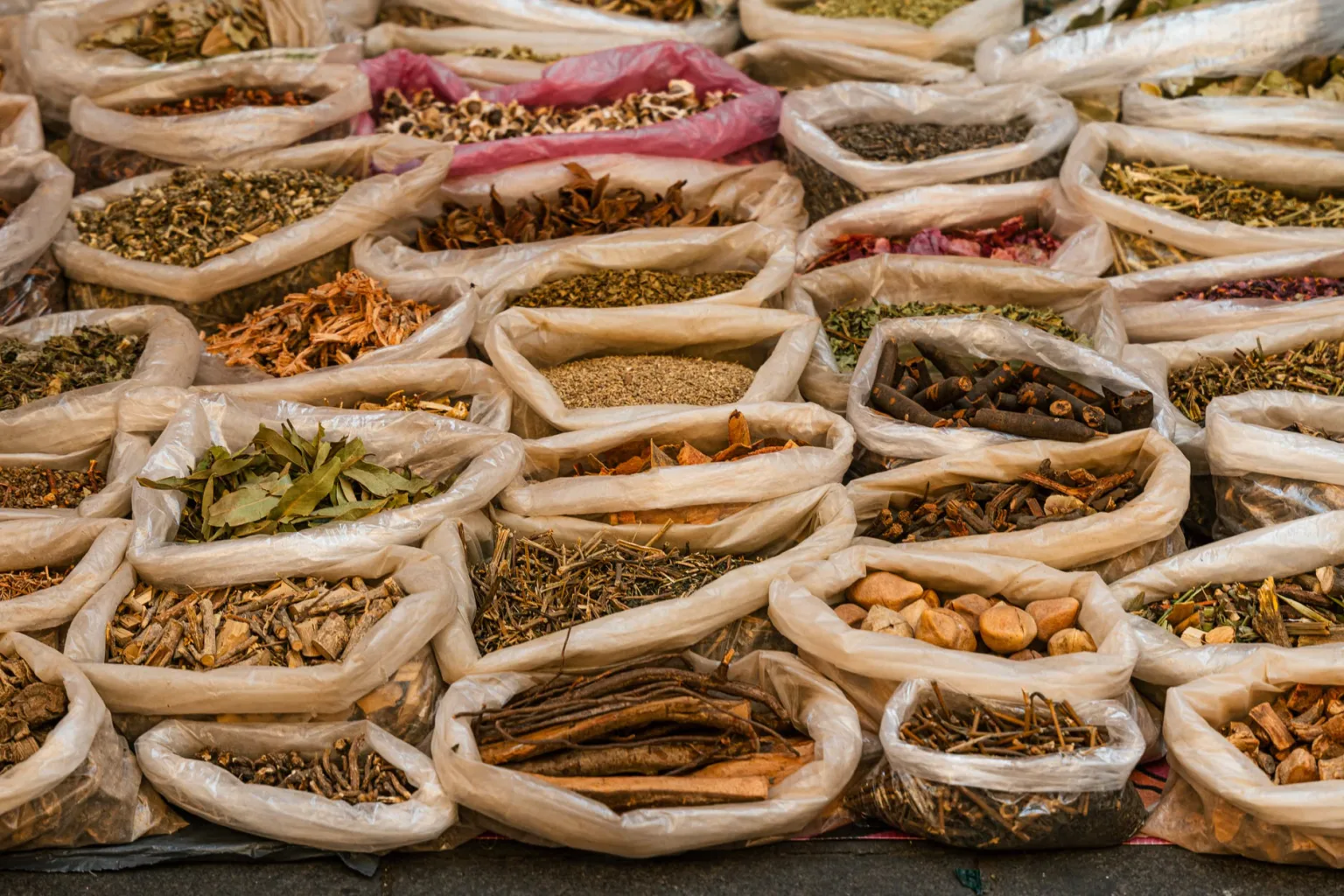
- Category
- Herbs and spices
- State
- Dry
- Usual unit
- unit
What it is
Dried chipotle is a ripe chile, usually a jalapeño, that has been dried and smoked. This process gives it wrinkled skin and a flavor different from fresh jalapeño: smoky, warm, and often slightly sweet, with chile heat. Chipotle is sold in different forms and styles; morita and meco are common names for variants that can differ in color, texture, moisture, and smokiness. Appearance and intensity therefore are not identical in every chile. A whole dried chile is not the same product as chipotle in adobo, which is prepared with additional ingredients.
When to use it
Use dried chipotle when you want smoky depth and chile heat, especially in sauces, marinades, stews, soups, beans, and dishes with vegetables or grains. A rehydrated chile can be blended with tomato, garlic, onion, or vinegar for a sauce or marinade; a small amount of ground chile can be stirred into a seasoning. Heat varies between chiles and products, so begin with a little, taste, and add more if needed. Dried chipotle is not an exact substitute for fresh jalapeño: it brings a more pronounced smoky character.
How to use it
To use a whole chile in a sauce or marinade, rinse it if there is visible dust or dirt. Briefly toast it in a dry pan if your recipe calls for it, taking care not to scorch it, since excessive toasting can make it bitter. Cover it with hot water and soak until pliable; drain and blend with the other ingredients. You can also split it and remove the seeds and veins to moderate the heat, although this does not guarantee that the chile will be mild. For seasoning without soaking, crumble or grind it and add a small amount, tasting before adding more. Use it in stews, beans, soups, sauces, marinades, or roasted vegetables. Dried chipotle is not the same as chipotle in adobo, which already includes a seasoned sauce.
Flavour and texture
Its characteristic flavor combines smoke, warm notes, and chile heat, and may have a slight sweetness. Heat and the balance of smoky and fruity notes vary among chiles and styles such as morita and meco. When dry, it commonly has wrinkled skin and a leathery or brittle texture; soaking softens it and makes it easier to blend. Ground chile distributes its flavor quickly, so add it gradually.
How to choose it
Check that the package identifies the product as whole dried chipotle, not chile powder, sauce, or chipotle in adobo. Depending on the style, its color may range from reddish to dark brown and its texture from pliable to quite dry; that variation alone does not mean the product is something else. Compare labels and the appearance of the chiles if you want a particular style. Choose a well-sealed package and check the producer’s instructions.
Storage
Follow the package directions, which can differ by product and packaging. Keep dried chiles protected from moisture and reseal the package after each use. If the package specifies particular storage conditions, follow them. Once rehydrated, the chiles are no longer a dry product: use them in the intended preparation and store any prepared sauce according to a reliable recipe and its relevant instructions.
Substitutions
To retain a smoky character, replace chipotle with another dried smoked chile, adjusting the amount for its heat and flavor. Smoked paprika can provide smoke, but it generally does not reproduce the same chile heat or the texture of a whole chile. Chipotle powder may stand in for ground chile, though concentration and ingredients vary by product. Add any substitute gradually and taste; the result will not be identical.
Common mistakes
Adding too much at once can make a dish hotter than intended; begin with a small amount and adjust after tasting. If you toast the chile, do not scorch it, as the flavor can turn bitter. Do not treat dried chipotle, chipotle powder, and chipotle in adobo as interchangeable without adjusting the recipe: their forms and concentrations differ. Rehydrating is useful when blending, but is not necessary for every preparation.
Safety and allergens
Chipotle is a hot chile, and its heat varies. Start with a small amount and adjust for the tolerance of the people eating it. For storage and preservation of rehydrated preparations, follow the package directions or a reliable recipe.
Culinary uses
- Smoky, spicy seasoning
- Flavor base for sauces and marinades
- Accent for soups, stews, beans, grains, and vegetables
Recommended techniques
- Rehydrate in hot water until pliable, then blend or chop
- Toast briefly before soaking, taking care not to scorch
- Grind or crumble into dishes as a seasoning
Pairs well with
- Tomato, garlic, onion, vinegar, and oregano
- Beans, grains, and roasted vegetables
- Pork, poultry, beef, or tofu
Frequently asked questions
What chile is chipotle usually made from?
It is usually made from a ripe jalapeño that has been dried and smoked. The style and specific characteristics can vary.
Do I need to rehydrate it before cooking?
Not always. Soaking until pliable makes it easier to blend into sauces and marinades; crumbled or ground chile can be used as a seasoning.
How is dried chipotle different from chipotle in adobo?
Dried chipotle is the smoked, dehydrated chile. Chipotle in adobo is prepared in a seasoned sauce, so it contributes ingredients beyond the chile.
Estimated nutrition
- Fat
- 0 g
- Saturates
- 0 g
- Carbohydrate
- 0 g
- Sugars
- 0 g
- Fibre
- 4.2 g
- Protein
- 0 g
- Salt
- 0 g
Sources and review
Automatically researched, cross-checked and validated content. Sources consulted:
- Client Challenge doi.org
- Bilingual Budget-Friendly Hispanic Cookbook and ... scholarworks.lib.csusb.edu
- Tipos de Chiles Secos Mexicanos: Características y Usos abarrotes.es
- SCHOLAR OF GLOBAL DISTINCTION Application Template worldview.unc.edu
- Luncheon & Dining Series grossmont.edu
- USDA National Nutrient Database for Standard ... courses.washington.edu
- Salsa de Adobo Mexicana | Servicio de Extensión de OSU extension.oregonstate.edu
- Latitude Restaurant and Market | UC Davis Student Housing and Dining Services housing.ucdavis.edu
- ¿Qué es el Chile Chipotle? - La Abuela Carmen laabuelacarmen.com
- ¿Qué es el chipotle? - blog doctorsalsas doctorsalsas.com
- Chipotle, un ingrediente clave en la cocina mexicana: qué es y cómo utilizarlo en la cocina directoalpaladar.com
- Chipotle | Gastronomía & Cía gastronomiaycia.com
- Chile Chipotle Mexicano | Meco, Morita y Cascabel jalapenostugitana.es
- ¿Qué es el chipotle? Un chile perfecto para salsas - Picón piconmadrid.com