- Category
- Herbs and spices
- State
- Dry
- Usual unit
- unit
What it is
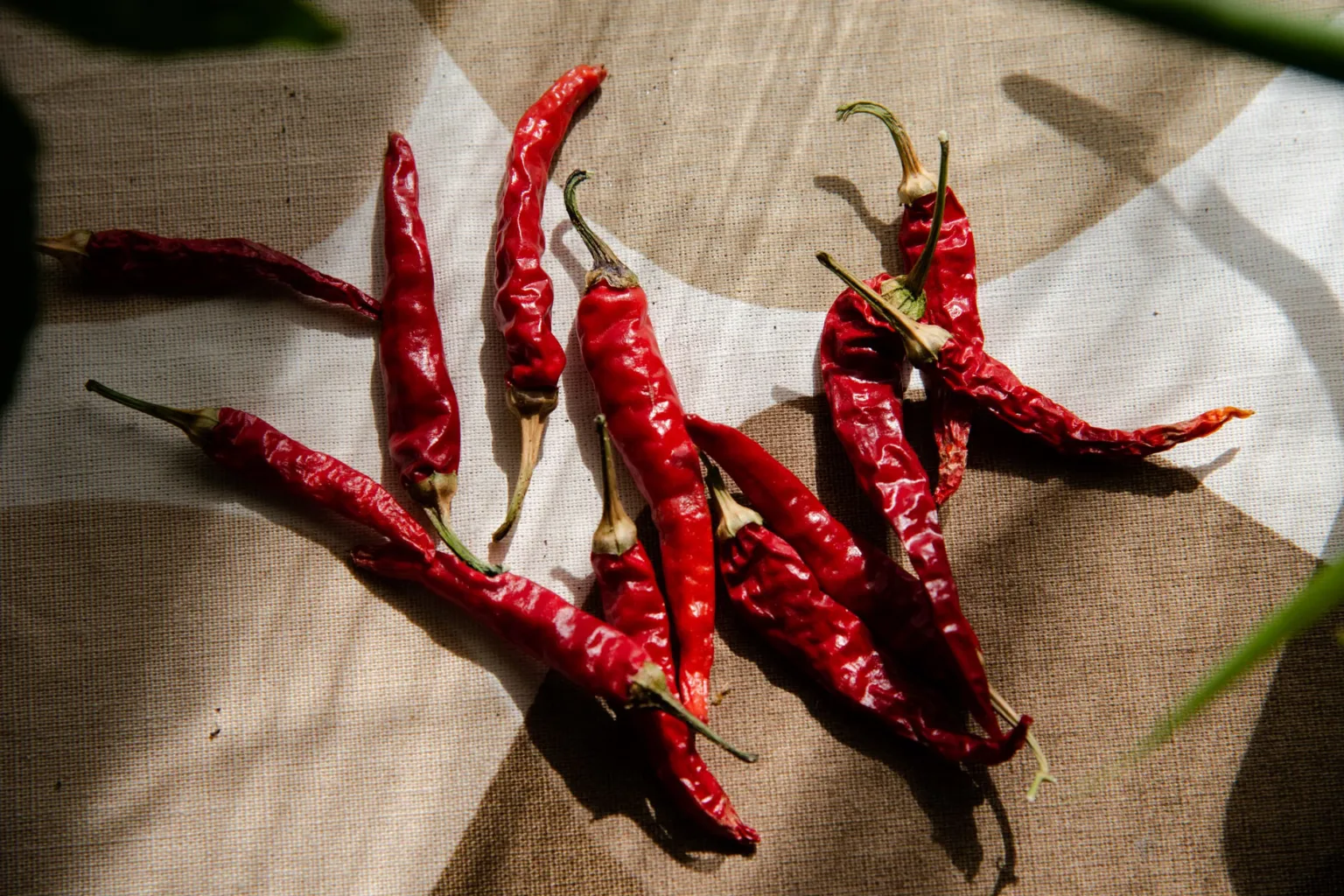
A guajillo is a dried chile associated with the fresh mirasol pepper and belongs to Capsicum annuum. Drying gives it a distinct culinary identity: it is used as an ingredient in its own right, not merely as a fresh pepper with less water. The pod is typically elongated, with smooth, glossy skin and shades ranging from reddish brown to dark red. Its flavor is often described as fruity and mildly sweet, while its heat can vary from pod to pod and package to package. Guajillo is used whole, rehydrated, blended, or ground to contribute flavor and color to Mexican-style cooking.
When to use it
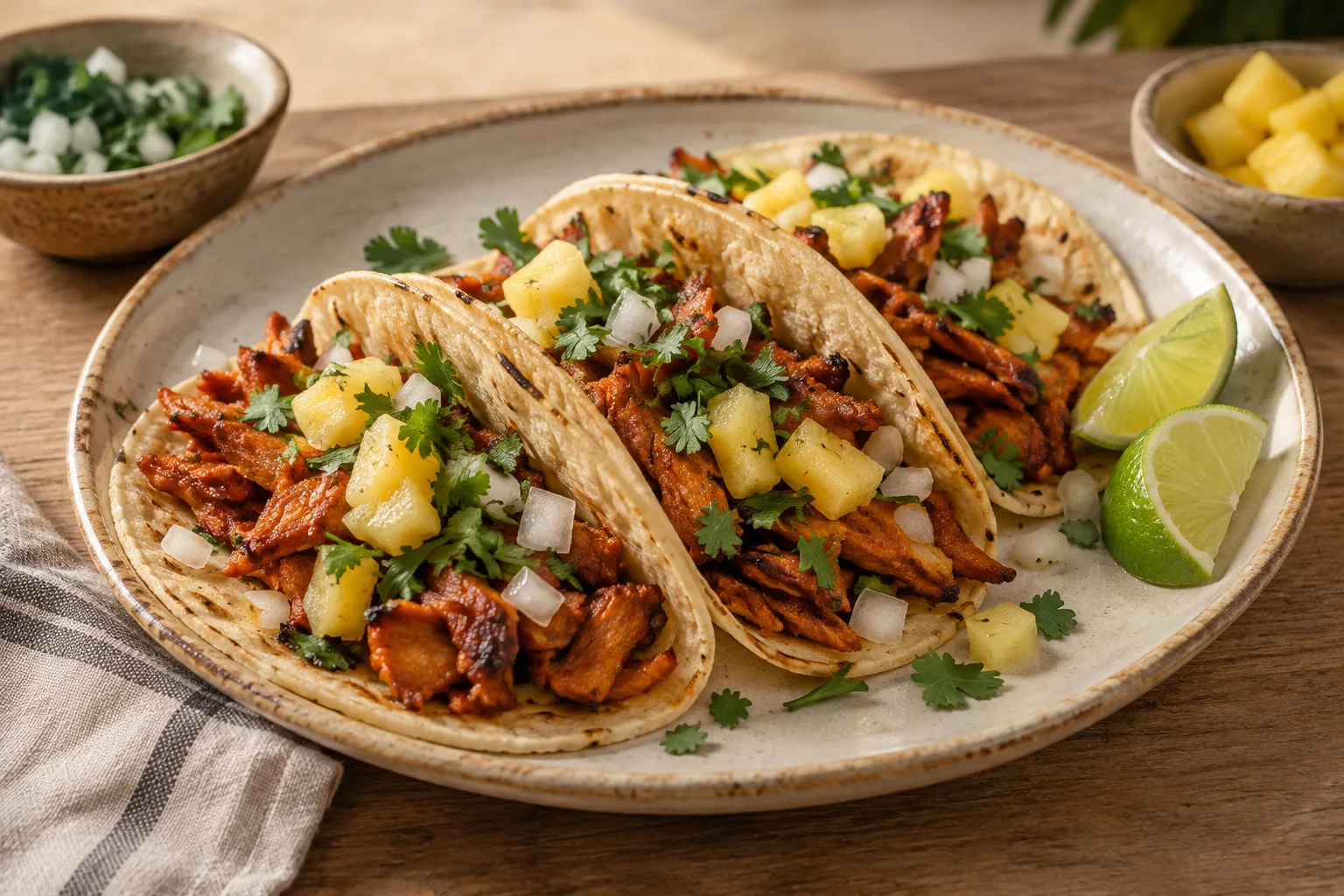
Choose guajillo when you want a dried-chile flavor in a red sauce, an adobo for coating ingredients before cooking, or a flavorful base for stews. It also suits moles and dishes such as red pozole, enchiladas, and mixiotes, often alongside other chiles. Guajillo contributes color and fruity notes as well as heat. Since the intensity varies, begin with a moderate amount when you do not know the batch or are cooking for people with different heat preferences.
How to use it
Inspect the pods and discard any with mold, soft spots, or obvious damage. For a sauce, open the chiles and remove the stems, seeds, and veins if you want to moderate the heat. You can briefly toast them in a dry pan or on a comal to bring out their aroma; do not let them darken too much or burn, as this can make them bitter. Cover them with hot water until softened, then drain and blend with recipe ingredients such as garlic, onion, or tomato. Strain the mixture if you want a smoother sauce. You can also grind the dry pods and use the powder sparingly in sauces or stews.
Flavour and texture
Guajillo has a fruity, mildly sweet flavor and heat that can range from gentle to more pronounced, depending on the pod. The dry skin is thin and may feel flexible or leathery. Once rehydrated, the pod softens and can be blended into a sauce. Its dark red color helps tint the finished dish.
How to choose it
Look for clean, whole pods without mold, damp patches, soft areas, or substantial damage. Dark red or reddish-brown color and smooth or slightly wrinkled skin are compatible with a dried chile; do not expect every pod to have precisely the same shade or heat. Check the package and product name so you do not mistake guajillo for a similar-looking dried chile.
Storage
Keep the pods in a tightly closed container in a dark, dry place, protected from moisture. Leaving them whole until use helps preserve their aroma. Inspect them before cooking and discard any with mold or visible deterioration. Once hydrated, treat them as a prepared ingredient and refrigerate or use the mixture in line with food-safety guidance for the other ingredients in your recipe.
Substitutions
Ancho chiles can replace guajillo in sauces and stews, but they are generally less fruity and have a different flavor; adjust the amount and taste as you go. New Mexico chiles are another close-style alternative, though they may taste sweeter. No substitute exactly duplicates the color, aroma, and heat of every batch of guajillo.
Common mistakes
Do not assume that guajillo and other similarly shaped dried chiles have the same flavor or heat. Avoid toasting the pods until very dark or burned, as they can turn bitter. Do not add a large amount without tasting first: heat can vary between pods and packages.
Safety and allergens
When handling chiles, avoid touching your eyes and wash your hands thoroughly afterward. If chiles irritate your skin or eyes, wear gloves and avoid spreading dust when grinding them. Discard pods with visible mold or deterioration.
Culinary uses
- Sazonador para salsas y adobos
- Aporte de color y sabor a guisos
Recommended techniques
- Rehidratar y licuar
- Tostar brevemente y moler
Pairs well with
- Ajo y cebolla
- Tomate y otros chiles secos
Frequently asked questions
Are guajillo chiles always mild?
No. Heat can vary between pods and batches. Start with a modest amount, taste the dish, and adjust.
Do I have to remove the seeds?
No. You can remove the seeds and veins if you want to moderate the heat or make a smoother sauce.
Can I use guajillo without rehydrating it?
Yes. You can grind it dry for seasoning, but softening it in hot water and blending it is convenient when making a smooth sauce.
Estimated nutrition
- Fat
- 0 g
- Saturates
- 0 g
- Carbohydrate
- 60 g
- Sugars
- 0 g
- Fibre
- 0 g
- Protein
- 20 g
- Salt
- 0 g
Sources and review
Automatically researched, cross-checked and validated content. Sources consulted:
- Client Challenge doi.org
- How to Preserve Chiles | USU extension.usu.edu
- Tipos de Chiles Secos Mexicanos: Características y Usos abarrotes.es
- Chiles secos: el Ama de nuestra gastronomía | Love Veg loveveg.mx
- Chile guajillo - Wikipedia, la enciclopedia libre es.wikipedia.org
- Chile Guajillo Mexicano | Comprar Seco en España jalapenostugitana.es
- Chileajo de Pollo (Chile and Garlic Chicken Stew) - lacocina.utsa.edu
- From Poblano to Ancho: Why Dried Chili Peppers Have a Name of Their Own | UC Master Food Preserver ucanr.edu
- From seed to salsa: Lopez-Reyes shares love of peppers and culture extension.oregonstate.edu
- Food trends for 2025 | Lincoln Land Community College llcc.edu
- 2025 Food Trends - Tufts Health & Nutrition Letter nutritionletter.tufts.edu
- Arizona Chiles vegetableipmupdates.arizona.edu
- Chile guajillo: guía práctica para cocinarlo y comprarlo – La Condesa lacondesabarcelona.com
- Chile Guajillo: Guía Completa del Chile Seco Más Versátil de México piloncilloyvainilla.com
- ¿Cuánto pica el chile guajillo? ¿En qué recetas usarlo? tkotacos.com