- Category
- Grains, flour and pasta
- State
- Dry
- Usual unit
- Variable
What it is
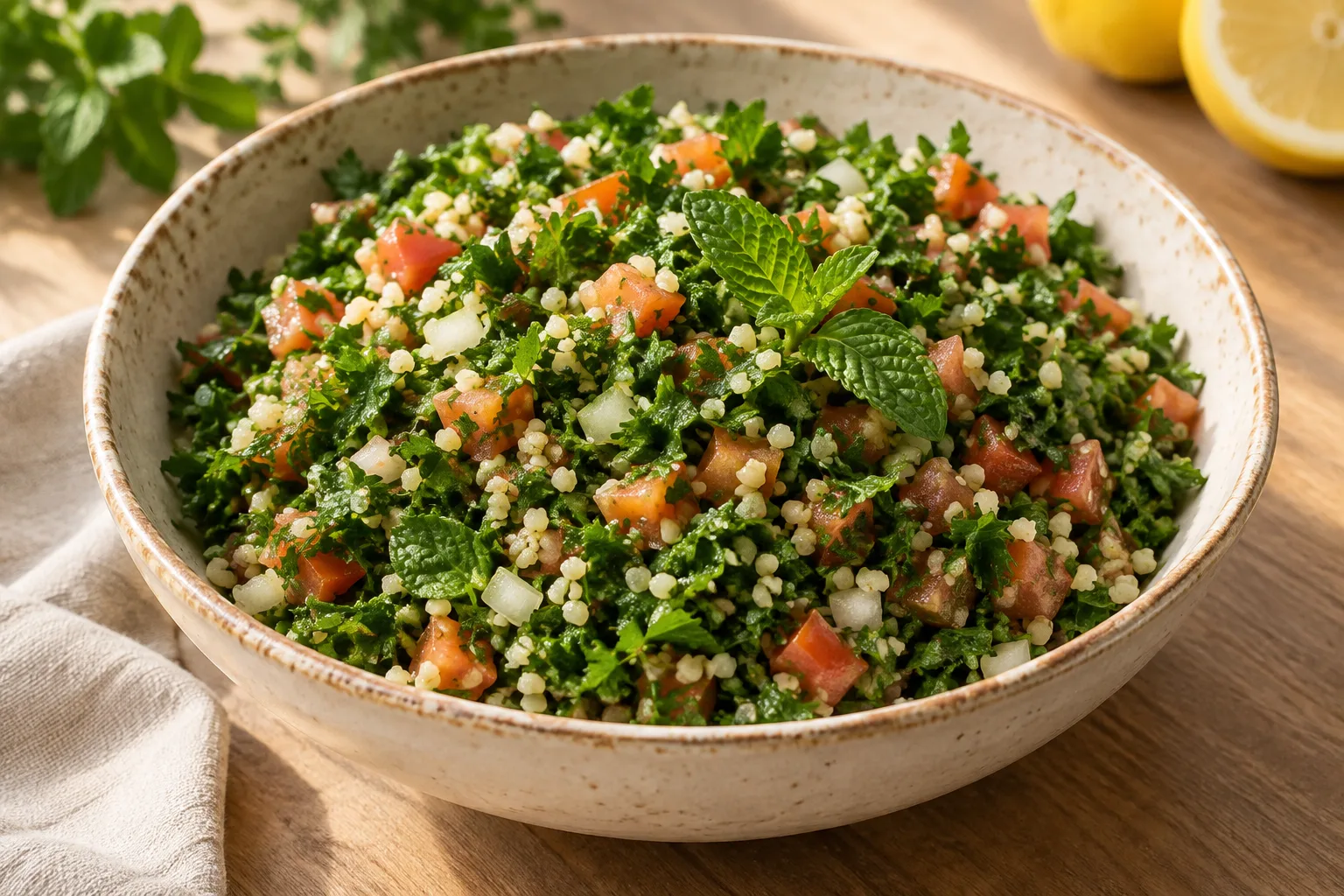
Fine bulgur is a wheat product made by cooking or precooking wheat grains, drying them and cracking them into pieces. The pieces are sorted by size; the fine grade has smaller particles and hydrates more readily than coarser grades. It is not the same as couscous: couscous is usually made from wheat semolina, while bulgur consists of cracked wheat grains. Fine bulgur is sold dry and precooked, although the final texture and amount of liquid absorbed vary with the grain size and product. Its familiar use is in tabbouleh, and it can also be used in other salads, fillings and shaped preparations.
When to use it
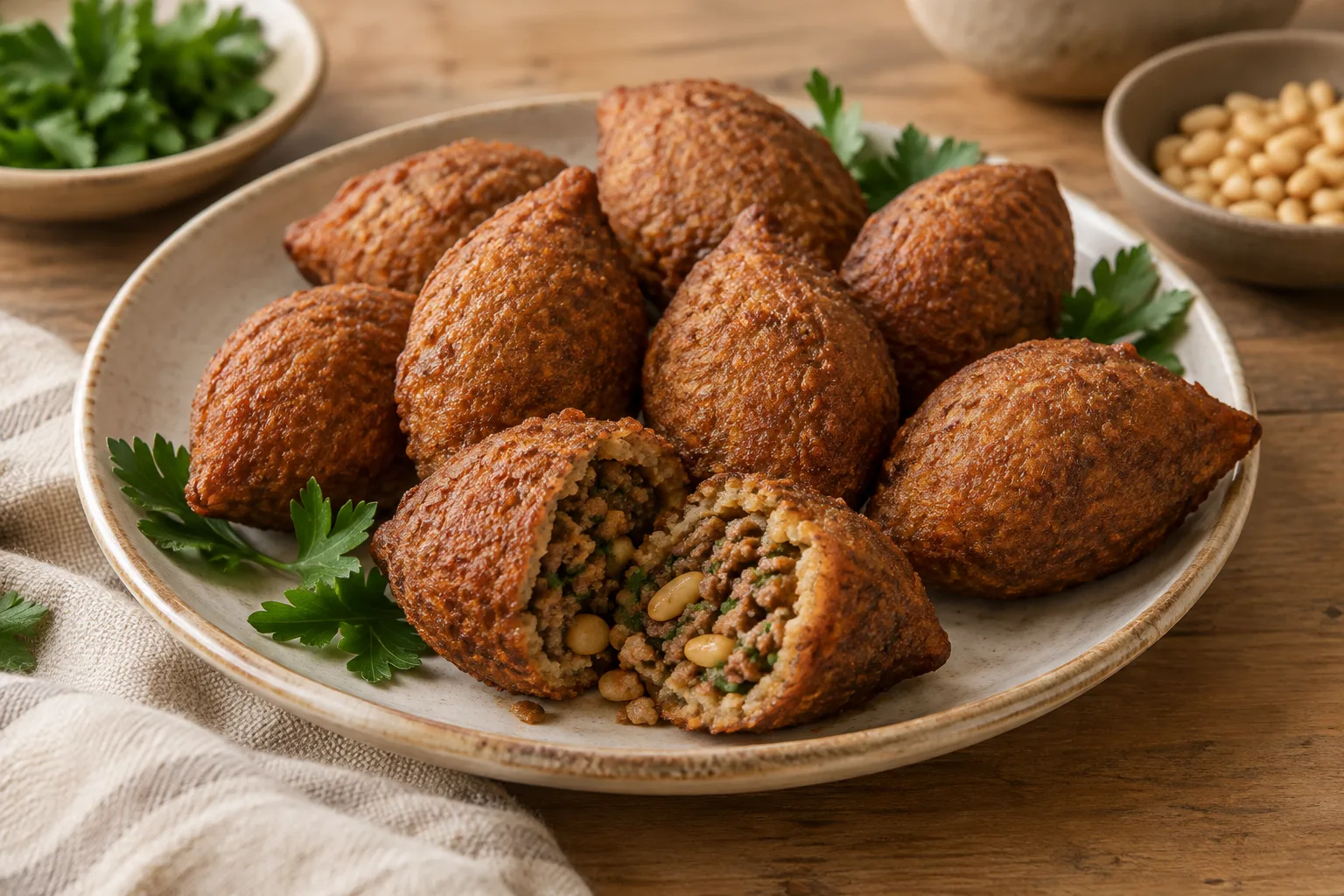
Choose fine bulgur when you want the grain to blend easily into a mixture or become tender without extended cooking. It is a common choice for tabbouleh and other salads with herbs, tomato and lemon, and it can be added to fillings or shaped mixtures such as kibbeh. For distinct, firmer grains in a pilaf-style side, medium or coarse bulgur may be a better fit. Check the size stated on the package: bulgur grades do not all prepare in the same way, and hydration depends on the particular product.
How to use it
Place fine bulgur in a heatproof bowl and add hot water, or the liquid specified in your recipe. Cover it and let it hydrate until tender; the package directions are the best guide because grain size and products can vary. Drain any liquid that remains unabsorbed. Fluff the grains with a fork and let them cool before adding them to a cold salad. For tabbouleh, mix hydrated bulgur with chopped herbs, tomato, onion, lemon and olive oil. You can also combine it with legumes or vegetables for fillings and shaped preparations. Do not automatically use the liquid ratios or cooking times intended for coarse bulgur.
Flavour and texture
Its flavor is mild, grain-like and slightly nutty, so it takes well to herbs, citrus and spices without overpowering them. Once hydrated, fine bulgur is tender with a gentle chew; its small size lets it mix evenly with vegetables and other ingredients. If it absorbs too much liquid or is left to soak longer than needed, it can become soft or clumpy.
How to choose it
Check that the package specifies fine bulgur, since it is sold in several grades with different uses and preparation needs. The small grain size suits tabbouleh, salads and mixtures where the grain should blend in; coarser grains tend to hold their shape more distinctly. Choose an intact package and check that the contents are dry, with no visible moisture or signs of deterioration.
Storage
Keep dry bulgur in a tightly closed container in a cool, dry place, protected from moisture. Follow the package directions as well, and use a dry utensil when serving it. Once hydrated or cooked, treat it as prepared food and refrigerate it promptly; the available sources do not establish a specific storage period for prepared bulgur here.
Substitutions
Rice or quinoa can replace bulgur in some salads, side dishes and fillings, but they will change the texture and preparation. Couscous can play a similar role in some recipes, but it is a different product. Rice and quinoa are options to consider when wheat and gluten need to be avoided; always check the chosen product's label.
Common mistakes
Do not confuse fine bulgur with coarse bulgur or couscous: they differ in form and preparation. Avoid adding liquid or using timings meant for larger grains without checking the texture. Hydrate it until tender, drain excess liquid and fluff with a fork to help prevent clumping.
Safety and allergens
Bulgur is made from wheat and contains gluten; it is not suitable for people who must avoid gluten because of coeliac disease or wheat allergy. Check product labelling and choose something else if you need a gluten-free option. Keep the dry product protected from moisture.
Culinary uses
- Base para ensaladas y tabulé
- Guarnición y sustituto del arroz
- Ingrediente para rellenos y preparaciones de trigo
Recommended techniques
- Hidratar con líquido caliente
- Cocer a fuego lento según el tamaño del grano
- Soltar los granos con un tenedor después del reposo
Pairs well with
- Perejil, menta, tomate, cebolla y limón
- Garbanzos o lentejas con verduras
- Aceite de oliva y especias como pimienta de Jamaica o canela
Frequently asked questions
Does fine bulgur need to be cooked?
It often only needs to be hydrated with hot liquid, but preparation depends on the product. Follow the package directions and check that it is tender before using it.
Are bulgur and couscous the same?
No. Bulgur is precooked, dried and cracked wheat; couscous is usually made from wheat semolina. They can serve similar roles in some recipes, but their textures are different.
Does fine bulgur contain gluten?
Yes. It is a wheat product and contains gluten, so it is unsuitable for people who need to avoid wheat or gluten.
Sources and review
Automatically researched, cross-checked and validated content. Sources consulted:
- Client Challenge doi.org
- An Introduction to the Interrelationships of Plants and People digitalcommons.humboldt.edu
- ¿Qué es el bulgur? descubriendo el derivado del trigo | El arte de comer bien | mentta mentta.com
- Bulgur: qué es, propiedades y beneficios, usos en la cocina de este trigo bonviveur.com
- Bulgur o burghul, el trigo para cocinar | Mercado Calabajío mercadocalabajio.com
- Trigo bulgur: qué es, propiedades y cómo cocinarlo medibilbaosalud.com
- Bulgur, un súper alimento ancestral eladerezo.com
- Bulgur fino: platos, usos y origen menuella.com
- ¿Qué es el bulgur y cómo usarlo en recetas? | Recetas Nestlé recetasnestle.com.ec
- Bulgur | CreatiVegan.net creativegan.net