- Category
- Grains, flour and pasta
- State
- Dry
- Usual unit
- cup
What it is
Fine yellow cornmeal is made by grinding dried yellow corn into a fine meal or flour. Its color comes from the corn and may vary between products. The name describes a milled ingredient, not one made from corn that has been precooked. It is useful to distinguish it from coarse cornmeal or polenta, from cornstarch, which is extracted starch, and from precooked or nixtamalized corn flours, which are made using different processes. These products can behave differently in a recipe and should not be swapped automatically. Fine cornmeal contributes corn flavor and can add structure to batters and doughs. It is also used in cooked porridge and baked dishes. Product labels do not always make the grind or processing obvious, so check the package and choose the type that matches the recipe.
When to use it
Choose fine yellow cornmeal when you want corn flavor and a more noticeable texture in a batter, coating or baked dish than starch alone would provide. It can also be cooked into a sweet or savory porridge. For tortillas, arepas or other recipes that specify nixtamalized or precooked corn flour, use that particular product: fine cornmeal made from dry corn is not automatically suitable. If a recipe calls for polenta or coarse cornmeal, use a coarse grind rather than substituting fine meal without adjustment. In baking, fine cornmeal can be combined with other flours to adjust structure and texture; the result depends on the blend and the recipe.
How to use it
Read the package to confirm that you have fine cornmeal made from dry corn, rather than cornstarch, coarse polenta, precooked flour or nixtamalized flour. Measure the amount specified by your recipe. For porridge or another mixture that thickens as it cooks, add the cornmeal gradually to the liquid and stir to disperse it; continue stirring during cooking to limit lumps and sticking. In batters, cakes or breads, use it in the proportions given in the recipe. Different corn products have different grinds and processing, so changing products can change the result. For coating, cover the food evenly and shake off excess before cooking. If you want a lighter or more cohesive baked texture, combine it with other flours using a suitable formula instead of assuming it can replace wheat flour on its own.
Flavour and texture
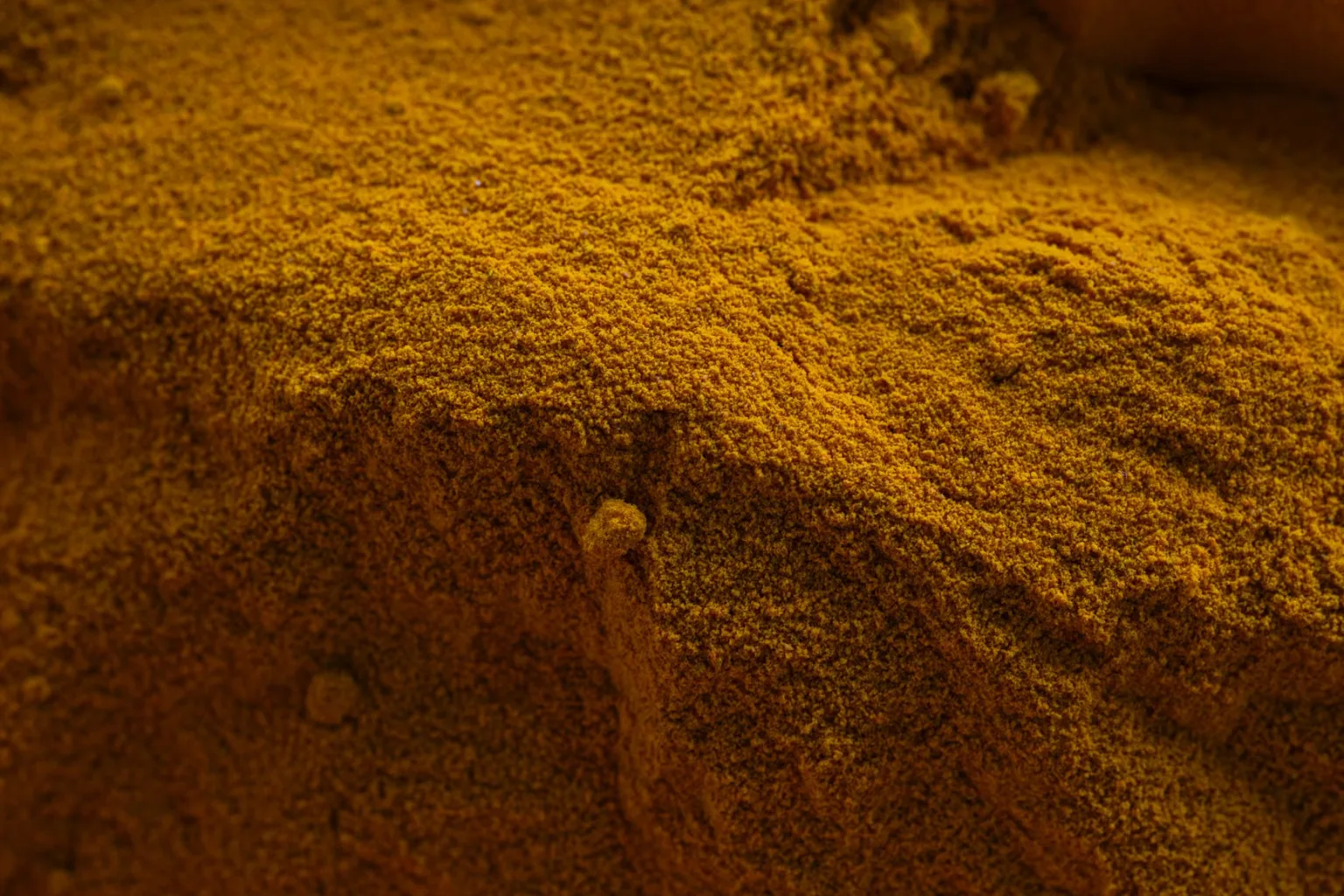
Fine yellow cornmeal has a recognizable corn flavor and a yellow color that varies with the grain and product. Its fine grind is closer to flour than to coarse polenta; it is not the same in color or composition as cornstarch. In batters and coatings, it can contribute flavor and body. In cooked dishes, the final texture depends on the liquid ratio, grind and recipe. Corn products made from different colors of corn or by different processes can produce different culinary and visual results.
How to choose it
Look for fine yellow cornmeal on the label and check whether the package identifies it as dry-ground, precooked or nixtamalized. Do not confuse corn flour or cornmeal with cornstarch: they are different products with different functions. Check the grind if a recipe calls for a fine texture; polenta or coarse cornmeal is larger-grained. If you need a specific product for tortillas, arepas or another traditional preparation, buy the type named in the recipe rather than choosing by color alone.
Storage
Keep the cornmeal dry and tightly closed, either in its original package or in a clean airtight container. Follow the package's storage directions and date because products can differ by processing. Keep moisture out, and avoid combining it with another type of flour in a container if that would make it hard to identify. Check the product before use and discard it if there are clear signs of moisture or deterioration.
Substitutions
Rice flour or sorghum flour can replace corn flour in some baked preparations, but neither necessarily reproduces its flavor, color or texture. A recipe may need adjustment. Do not automatically substitute fine cornmeal for cornstarch, polenta, precooked corn flour or nixtamalized flour: these are different ingredients and can change the dough and final result. When a recipe specifies a particular type of corn flour, use that type when possible.
Common mistakes
A common mistake is treating all corn products as interchangeable. Fine dry-ground cornmeal, coarse polenta, cornstarch, precooked corn flour and nixtamalized flour have different characteristics. Another is adding meal all at once to hot liquid, which can encourage lumps; add it gradually and stir. In baking, replacing all the wheat flour with cornmeal without adapting the recipe can produce a different structure.
Safety and allergens
Keep the cornmeal dry and follow the package directions. If you need to avoid an ingredient for dietary reasons, check the specific product label and its information about possible cross-contact.
Culinary uses
- Adds corn flavor and structure to batters and doughs
- Forms the base of cooked corn porridges
- Coats foods for a crisp outer layer
Recommended techniques
- Whisk into liquid gradually to reduce lumps
- Cook while stirring when making a porridge or thick mixture
- Blend with other flours for baked goods when a lighter or more cohesive structure is needed
Pairs well with
- Milk, sugar and warming spices in sweet porridge
- Cheese and chives in savory bakes
- Vegetables in savory batters and breads
Frequently asked questions
Is fine cornmeal the same as cornstarch?
No. Fine cornmeal is made by grinding dried corn; cornstarch is starch extracted from the grain. They can thicken or structure a recipe in different ways.
Can I use it instead of polenta?
Not as a direct swap. Polenta or coarse cornmeal has a larger grind, and that texture difference can substantially change a dish.
Can I use it for tortillas or arepas?
It depends on the recipe. Some call for nixtamalized flour and others for precooked corn flour; fine dry-ground cornmeal is not equivalent to those products.
Estimated nutrition
- Fat
- 5.88 g
- Saturates
- 1.04 g
- Carbohydrate
- 72.9 g
- Sugars
- 1.56 g
- Fibre
- 9.4 g
- Protein
- 9.85 g
- Salt
- 0.01 g
Sources and review
Automatically researched, cross-checked and validated content. Sources consulted:
- Harinas de maíz ¿Cuántos tipos hay y para qué sirven? - Formacion en Gastronomia formacionengastronomia.com
- La harina de maíz y sus diferentes usos en la cocina | masymas supermercados supermasymas.com
- Para qué sirve la harina de maíz y cuántos tipos de ella existen eldiario.es
- Tortillas (“Wraps”) con Harinas Compuestas de Trigo y Yuca scholar.uprm.edu
- Sevin 16oz Concentrate Label v20 ucanr.edu
- Healthy Eating Plan for Weight Management med.uc.edu
- Imagining Sabor repositories.lib.utexas.edu
- Qué es maicena, almidón de maíz y harina de maíz - Postres sin gluten postressingluten.com
- Determinación proximal de los principales componentes nutricionales de harina de maíz, harina de trigo integral, avena, yuca, zanahoria amarilla, zanahoria blanca y chocho | infoANALÍTICA doi.org
- Beneficios y usos de la harina de maíz - Adpan adpan.es
- Harina de Maíz Dominicana [Video+Receta] Papilla de Desayuno cocinadominicana.com