- Category
- Fish and seafood
- State
- Fresh
- Usual unit
- kg
What it is
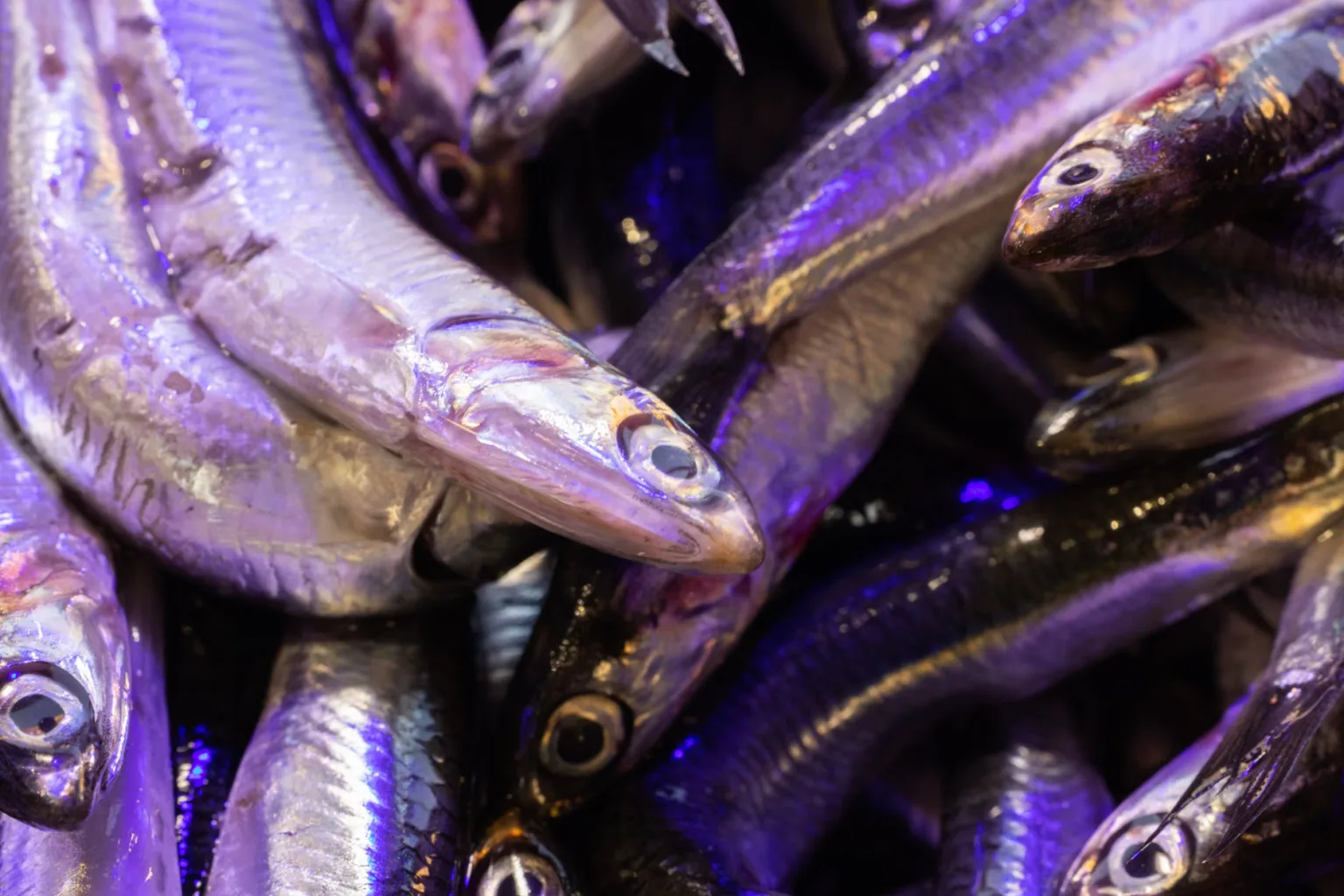
Fish is a broad name for finned aquatic animals used as food, not a single species with one flavor or texture. It may be sold whole, as fillets, or in portions, and different varieties respond differently to heat. Some recipes call for firm flesh that holds together in pieces, while others suit a more delicate cut. This profile concerns fresh fish in general: check the species and the information supplied with the particular product when you need details beyond the broad category.
When to use it
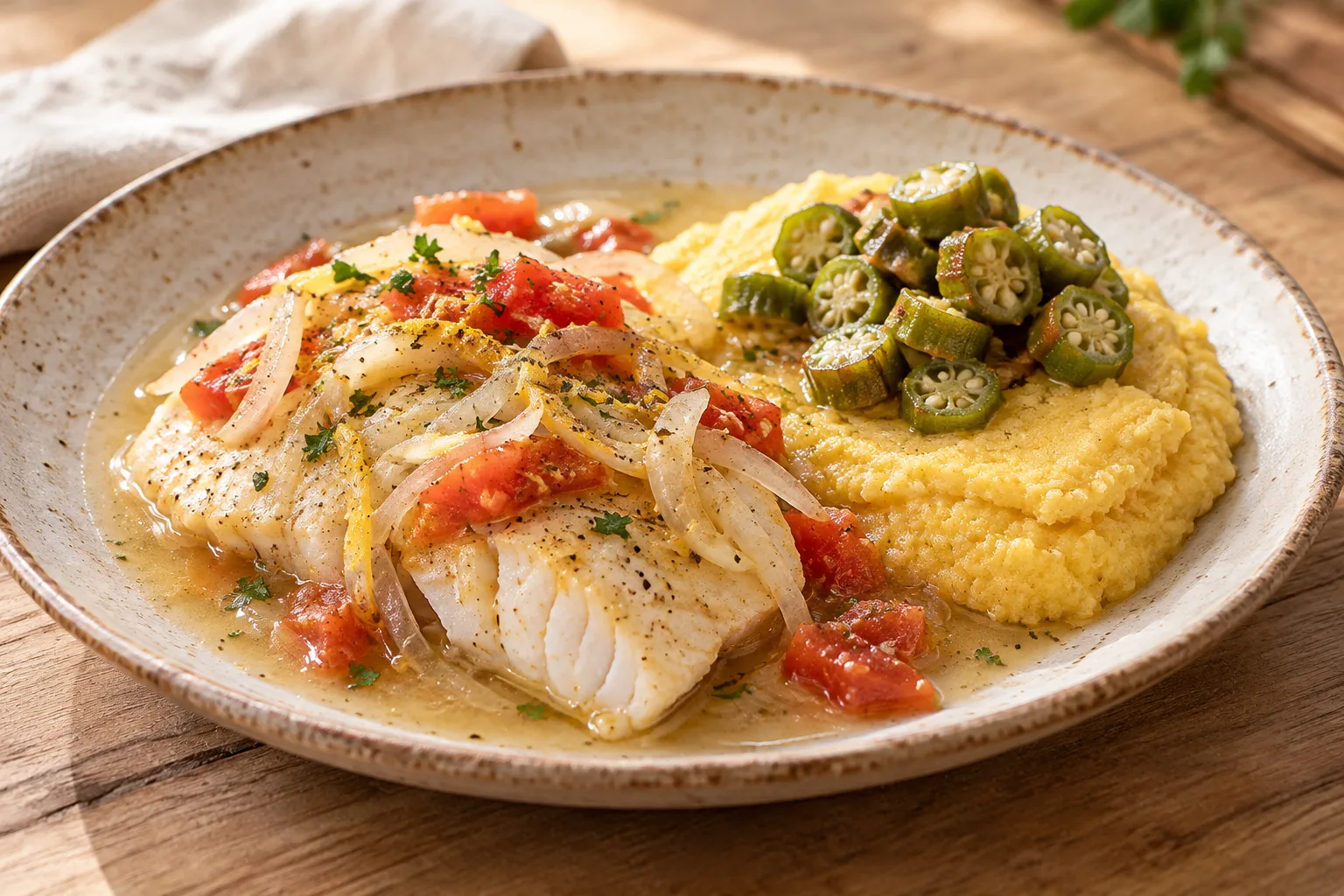
Choose fish for a main course, to add to a soup or stew, or to serve with a sauce and side dish. Match the species and cut to the recipe: pieces cooked in a covered pan with sauce suit some preparations, while a fillet may be seared in a pan. When a recipe specifies firm white fish, look for a similar texture rather than assuming every fish will behave alike. The intended method and the cut should guide your choice.
How to use it
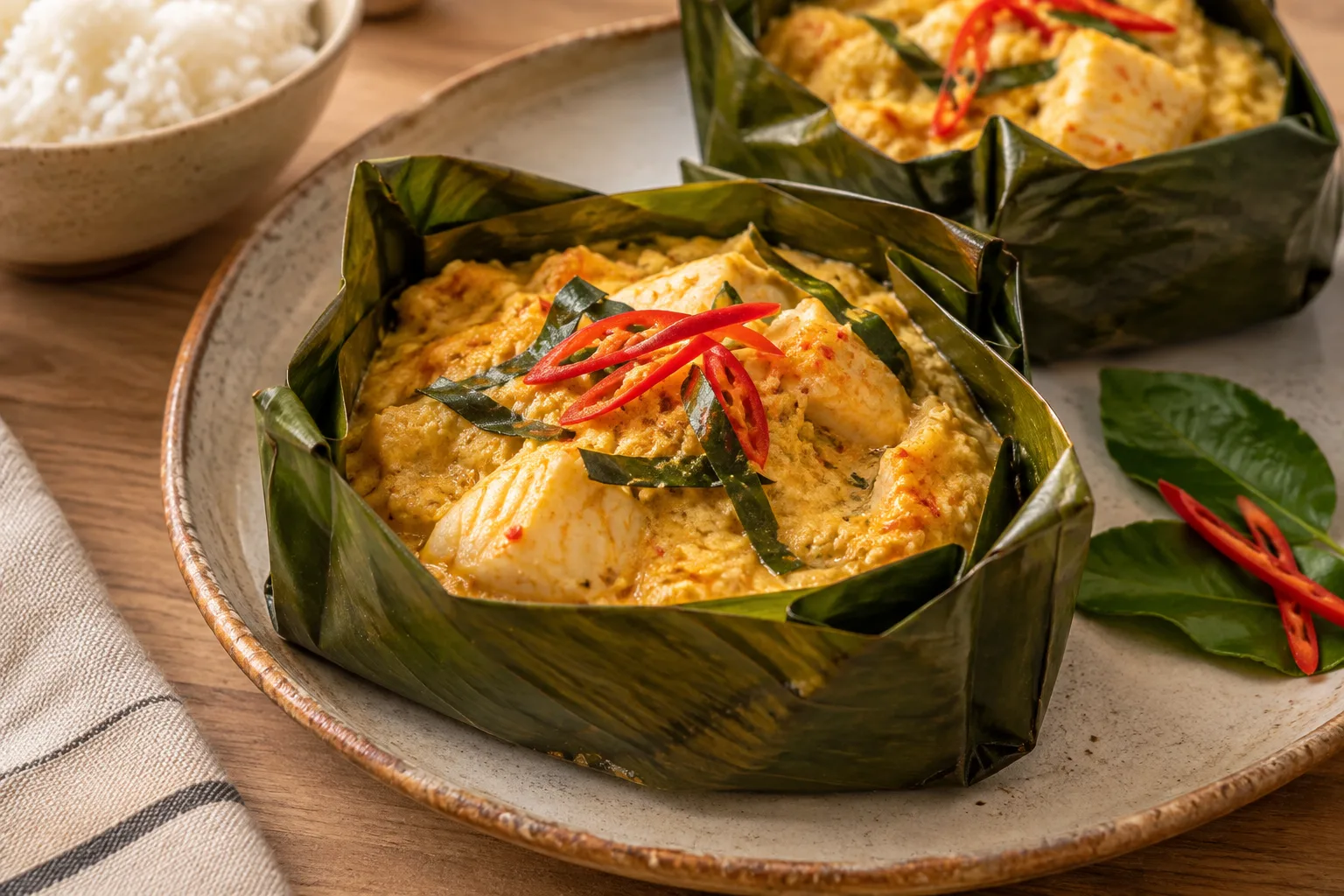
Before cooking, identify the species and cut, and follow the product’s storage and use instructions. Remove any visible bones as needed; for a browned fillet, pat the surface dry before placing it in the pan. Fish can be pan-seared, cooked in a covered pan with sauce, baked, or fried in a light batter. Pair it with tomato, olives and capers, or with coconut milk, herbs and rice. Cooking time and method depend on the species, cut and size, so there is no single time that applies to all fish. Use a recipe suited to the specific fish you have.
Flavour and texture
Flavor ranges from mild to more pronounced, and texture can be delicate or firm; both vary by species and cut. Tomato, olives and capers give a savory, tangy contrast, while coconut milk and herbs create a different style of sauce. Do not assume that all fish will hold together or cook at the same rate.
How to choose it
Check or ask which species is being sold and whether it is whole, filleted or portioned; this helps you choose a suitable cooking method and evaluate substitutes. For packaged fish, read the date and storage conditions on the label. For unwrapped fish, ask the seller for the product information you need. Required information can differ according to how the food is presented and sold.
Storage
Follow the storage instructions on the package or provided by the seller, and observe any use-by date: fresh fish is highly perishable. If it is sold unpackaged, ask how it should be stored and when it should be used. Do not extend a stated date yourself or disregard product-specific instructions.
Substitutions
There is no universal substitute because species and texture affect the result. In recipes that call for firm white fish, cod or pollock may be suitable alternatives. Some recipes also use red snapper or sea bass. Choose a fish with a texture appropriate to the dish and adapt the method to the cut.
Common mistakes
Treating every species and cut as interchangeable can lead to a different texture than expected. Do not choose a substitute by name alone; consider whether the recipe needs firm or delicate flesh. Another avoidable mistake is overlooking the species, use-by date, or storage directions supplied for the product.
Safety and allergens
Fresh fish is highly perishable. Follow its storage and use instructions and observe the use-by date when one is provided; for unpackaged fish, ask the seller for this information. Check allergen information for the product, especially for prepared foods or dishes.
Culinary uses
- main course
- protein component in soups and stews
- ingredient for baked or pan-cooked dishes
Recommended techniques
- pan-searing
- covered-pan cooking
- baking or roasting
- deep-frying or light-batter frying
Pairs well with
- tomato, olives and capers
- rice and coconut milk
- garlic, herbs and citrus
Frequently asked questions
Can I use any fish in any recipe?
Not always. Species and texture affect the result, so choose a fish suited to the recipe’s method and the texture it calls for.
What can replace firm white fish?
Cod or pollock may work in recipes that call for firm white fish. Adjust the cooking to the cut and size.
How should fresh fish be stored?
Follow the product-specific instructions on the package or provided by the seller, and observe its stated use-by date.
Estimated nutrition
- Fat
- 2.34 g
- Saturates
- 0.56 g
- Carbohydrate
- 0 g
- Sugars
- 0 g
- Fibre
- 0 g
- Protein
- 17.22 g
- Salt
- 0.21 g
Sources and review
Automatically researched, cross-checked and validated content. Sources consulted:
- En el etiquetado alimentario hay algunas menciones que son obligatorias eletiquetadocuentamucho.aesan.gob.es
- Client Challenge doi.org
- The Essential Glossary of Cooking Terms for the Culinary Arts - Escoffier escoffier.edu
- Pescado a la Veracruzana 1952 (Veracruz-style Fish) - lacocina.utsa.edu
- Nutrition After Your Transplant - Health Online healthonline.washington.edu
- Para la ciudadanía aesan.gob.es
- El pescado en la gastronomía scripta.up.edu.mx
- Sets and Series - Government Recipes and Cookbooks - Guides at University of North Texas guides.library.unt.edu
- Chef Kelvin's Pescado en Coco | Institute of Culinary Education ice.edu
- Eating Fish is Healthy: Keeping Environmental and Health Concerns in Perspective | Rutgers Cooperative Extension extension.rutgers.edu
- Las fuentes de ingredientes marinos: pescado entero y subproductos | IFFO - The Marine Ingredients Organisation iffo.com