- Category
- Herbs and spices
- State
- Fresh
- Usual unit
- unit
What it is
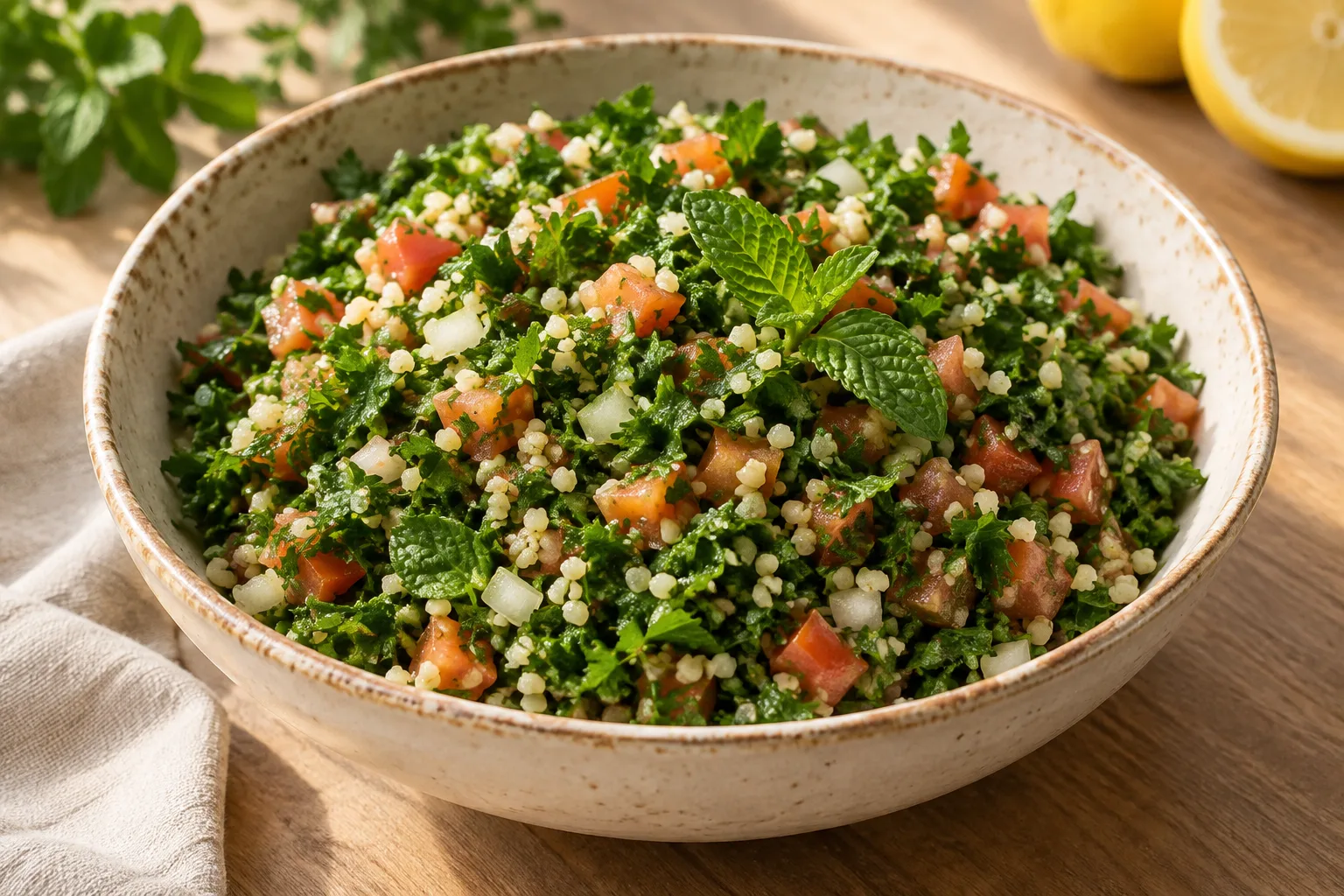
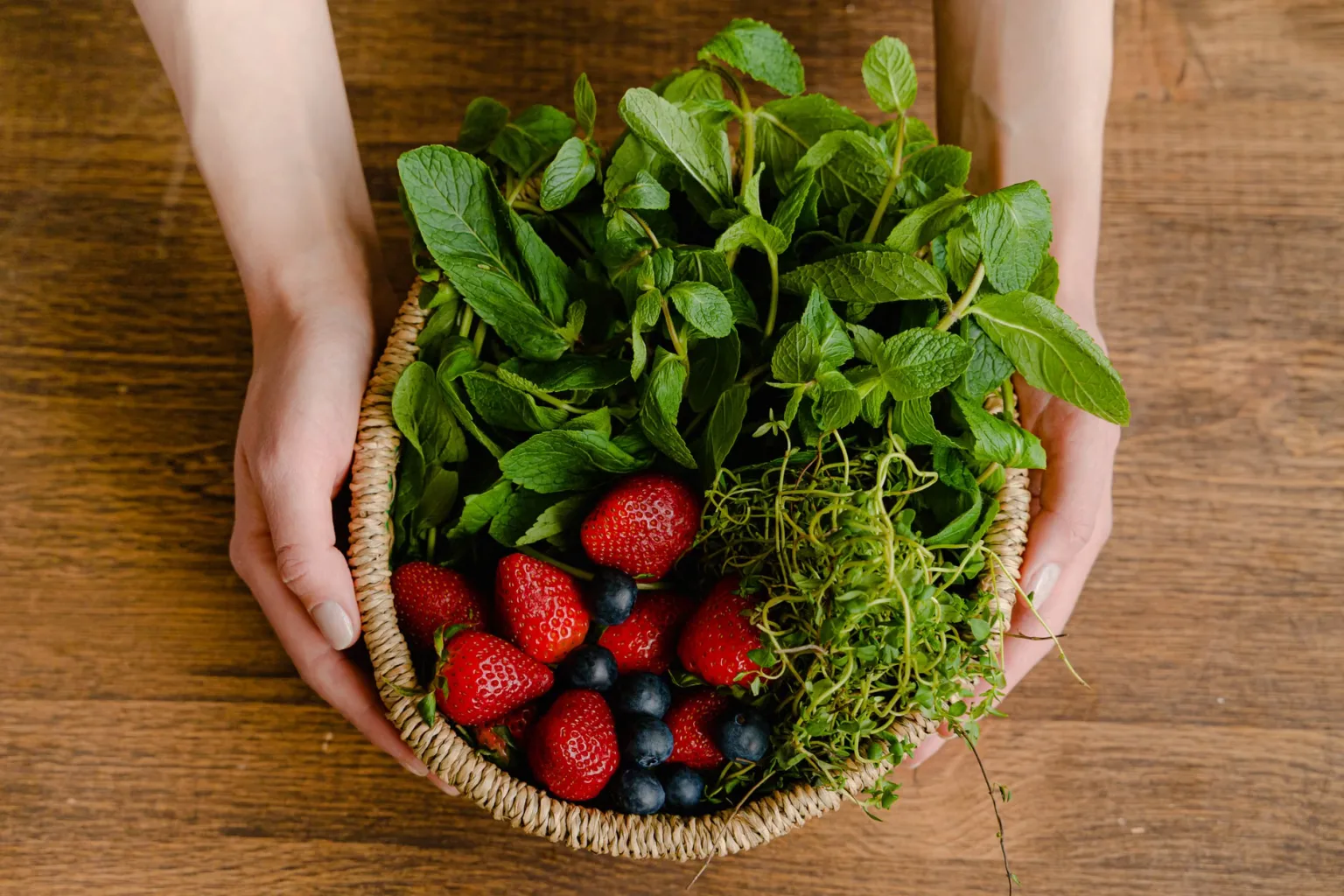
Fresh mint is an aromatic herb with green leaves used to flavor food and drinks. The common name spearmint usually refers to Mentha spicata, but everyday mint names vary, and “fresh mint” can also mean other varieties in the Mentha genus. The leaves are used most often, whole or cut, and tender stems can also be used. Its main culinary role is to contribute aroma and freshness rather than bulk. It appears in sweet and savory preparations, including salads, soups, sauces, infusions, cocktails and desserts. The precise flavor differs among varieties, so taste the herb before deciding how much to use.
When to use it
Use fresh mint when you want a green, refreshing aroma in a recipe, especially in drinks, salads, sauces, soups, vegetable sides, legume dishes or fruit desserts. Fresh leaves work well when you want their aroma to be noticeable; chop them to distribute them or leave them whole as a finishing touch. In cooked dishes, add them near the end for a fresher character. They can also be infused in hot or cold liquids. If a recipe calls for dried mint, do not assume the result will be identical: fresh and dried herbs have different profiles and do not always serve the same purpose.
How to use it
Pick the leaves you need and discard any damaged ones. Before cutting or serving fresh herbs, rinse them thoroughly under running water and dry them with a clean cloth or paper towel; do not use soap or detergent. Chop the leaves with a knife, tear them by hand or add them whole. For drinks, press them gently to release aroma without turning them into a paste; you can also infuse them in a liquid. In soups, stews and other cooked dishes, add them near the end or use them as a garnish. In salads, vinaigrettes, yogurt sauces, fruit and desserts, add them shortly before serving so their aroma remains prominent. Start with a modest amount and taste, since intensity varies by variety.
Flavour and texture
Fresh mint is valued chiefly for its pronounced aroma and refreshing quality, which can bring a sweet or mildly spicy note depending on the variety. Tender leaves are soft and can be eaten whole or chopped; firmer stems may be less pleasant in a raw preparation. The aroma comes through differently when the herb is fresh, dried, muddled or infused. Because common names cover different mint varieties, intensity and character are not always the same. Taste a leaf before choosing the amount.
How to choose it
Choose herbs with leaves that are not bruised or rotten, and avoid visibly deteriorated bunches. If you buy fresh herbs already cut or packaged, check that they have been kept refrigerated when the format requires it. Keep herbs separate from raw meat, poultry and seafood during shopping and transport. Appearance and aroma can vary among mint varieties; check the label or common name if you need a particular profile.
Storage
Keep perishable fresh mint in a clean refrigerator. How long it keeps depends on the leaves’ condition and storage circumstances, so inspect the bunch and discard rotten parts. Keep herbs intended to be eaten raw separate from raw meat and seafood and from utensils used with them. To maintain quality, buy an amount you can use while the leaves are in good condition; there is no single storage period that applies to every bunch.
Substitutions
Another fresh mint can stand in, but its aroma may be stronger or different, so adjust the amount gradually. Dried mint may work in infusions and some cooked preparations, though it does not exactly reproduce the character of fresh leaves. Choose a substitute according to the herb’s role: a drink or salad finish may call for a fresh alternative, while the difference may matter less in a longer-cooked dish.
Common mistakes
Adding too much before tasting can overwhelm a dish, particularly when the variety has a strong aroma. Another mistake is expecting dried and fresh mint to taste exactly alike: their profiles and uses can differ. Do not wash the leaves with soap or detergent, leave them on unclean surfaces, or handle them after raw meat without cleaning hands and utensils.
Safety and allergens
Wash your hands before preparing fresh herbs and rinse leaves under running water; do not use soap, detergent or commercial produce wash. Washing reduces some contamination but does not eliminate it. Keep herbs that will be eaten raw separate from raw meat, poultry and seafood and from their utensils. Refrigerate perishable fresh herbs.
Culinary uses
- Hierba aromática para platos salados
- Aromatizante para bebidas, postres e infusiones
Recommended techniques
- Picar o rasgar las hojas para incorporarlas frescas
- Machacar suavemente las hojas para liberar su aroma en bebidas
- Infusionar las hojas en líquidos calientes
- Añadir al final de la cocción para conservar un aroma fresco
Pairs well with
- Tomate, ensaladas y vinagretas cítricas
- Yogur, limón y salsas para verduras o carnes
- Fruta, chocolate y helados
- Legumbres, ajo y sopas
Frequently asked questions
Are spearmint and mint the same thing?
Spearmint usually refers to Mentha spicata, but “mint” can mean several Mentha varieties. Common names and the precise aroma can vary.
Can I replace fresh mint with dried mint?
In some infusions or cooked preparations, yes, but the result will not be identical. Dried and fresh herbs can have different profiles and uses; adjust the amount to taste.
How should I prepare mint for eating raw?
Rinse the leaves under running water and dry them with a clean cloth or paper towel. Do not use soap or detergent, and keep them away from surfaces or utensils that have touched raw meat.
Estimated nutrition
- Fat
- 0 g
- Saturates
- 0 g
- Carbohydrate
- 70 g
- Sugars
- 70 g
- Fibre
- 0 g
- Protein
- 0 g
- Salt
- 0 g
Sources and review
Automatically researched, cross-checked and validated content. Sources consulted:
- Client Challenge doi.org
- The Essential Glossary of Cooking Terms for the Culinary Arts - Escoffier escoffier.edu
- Nutrition After Your Transplant - Health Online healthonline.washington.edu
- Vamos a Conservar Alimentos - Home Food Preservation and Safety - Food Safety and Quality extension.psu.edu
- Appendix B: Recipes for Disease Prevention – Culinary Medicine opentextbooks.library.arizona.edu
- Hierbabuena: propiedades, beneficios y cómo utilizarla en nuestras recetas de cocina para aprovecharla al máximo directoalpaladar.com
- La hierbabuena en la cocina: cómo combinarla | Naturarla | Arla arlafoods.es
- Hierbabuena: para qué sirve, beneficios y cómo tomarla bonviveur.com
- Potaje de Frijoles Blancos 1913 (White bean Potage) - lacocina.utsa.edu
- Revista del comité científico de la aecosan número 24 aesan.gob.es
- Selecting and Serving Produce Safely | FDA go.unl.edu
- Go NAPSACC napsacc.schsr.unc.edu
- Para Qué Sirve la Hierbabuena: Usos y Beneficios | Especias Magenis magenis.es