- Category
- Sugar and sweeteners
- State
- Dry
- Usual unit
- g
What it is
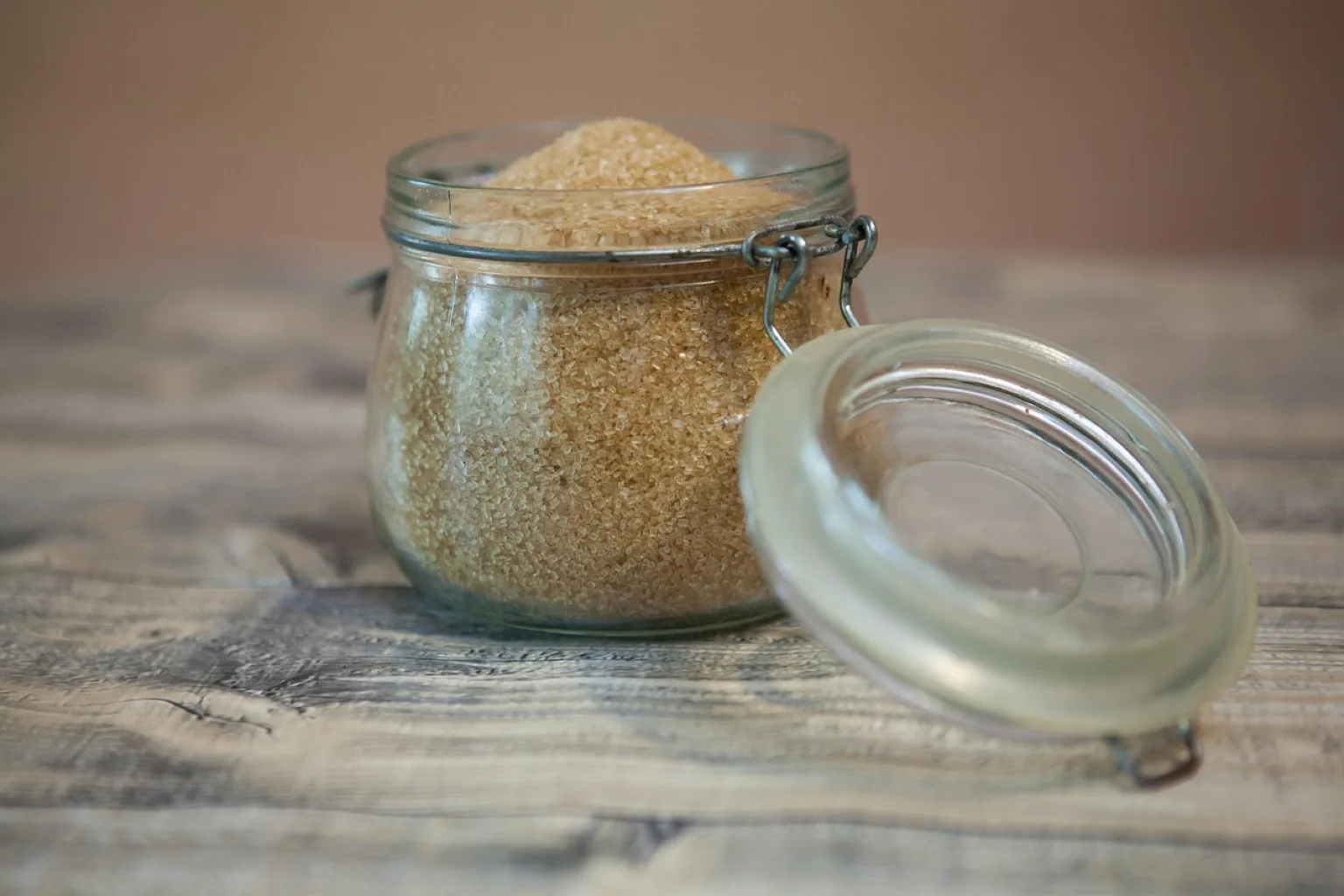
Granulated sugar for caramel is table sugar in dry, visible crystals, rather than sugar ground to a fine powder. Ordinary white granulated sugar is generally the standard choice when a recipe simply calls for sugar, although crystal size can vary somewhat by brand. When heated, it melts and caramelizes, developing caramel’s characteristic color and flavor. It may be heated on its own or, in some methods, moistened before cooking. This profile refers to granulated sugar as an ingredient, not prepared caramel or powdered, brown, or flavored sugar varieties.
When to use it
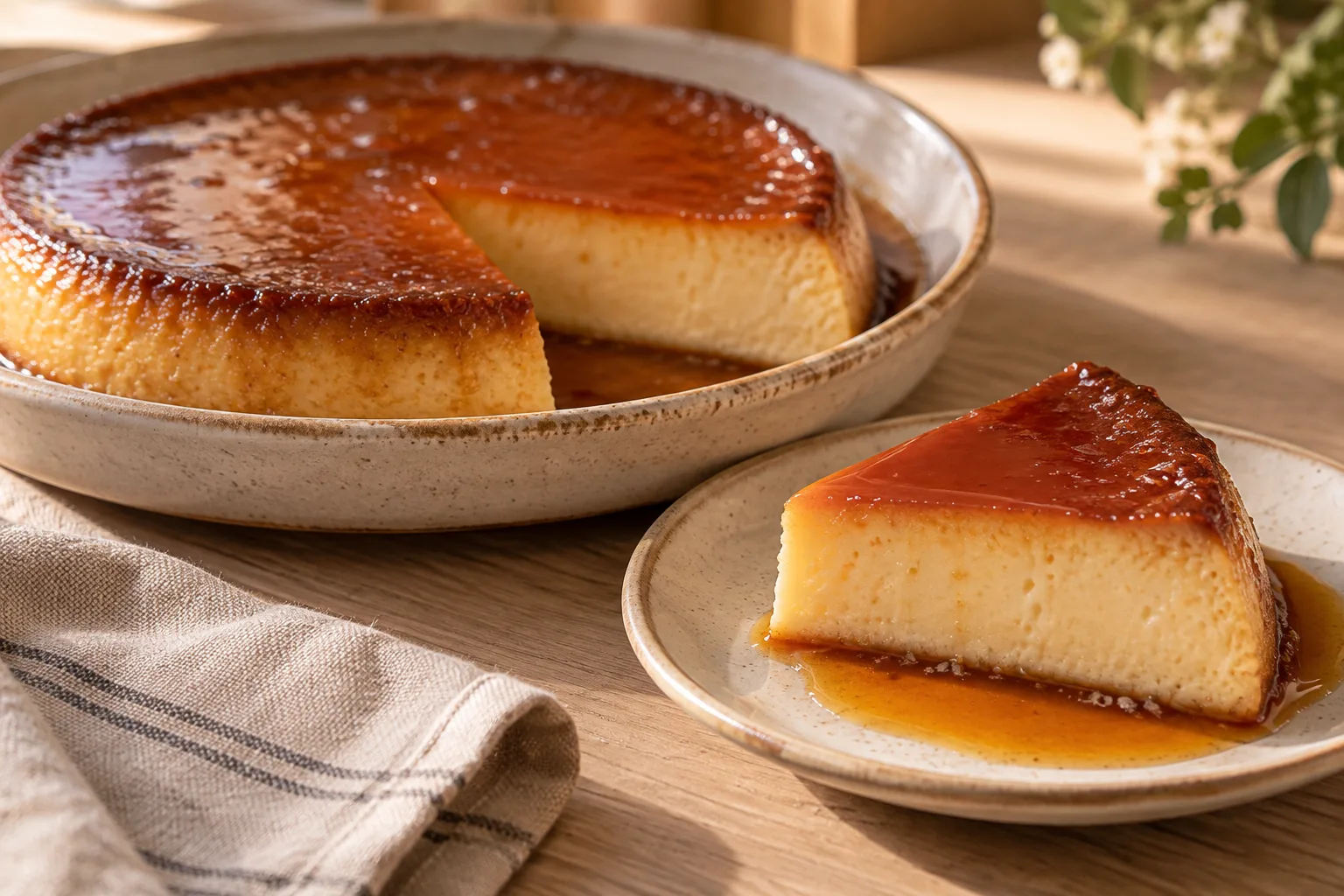
Use it when a recipe calls for sugar to make caramel, a caramelized topping, or a crisp sugar finish. It is particularly relevant to desserts such as flan, caramel custard, and crème brûlée, where heat transforms the sugar. It can also be used as table sugar in sweet or savory preparations when the recipe does not specify another form. If a recipe calls for powdered, superfine, or brown sugar, do not assume ordinary granulated sugar will give the same texture or result.
How to use it
Measure the sugar as directed and follow the recipe’s method: some preparations heat the crystals on their own, while others moisten them with water before cooking. As it heats, the sugar melts and gradually changes in color and flavor as it caramelizes. Use the caramel in the dessert or decoration specified by the recipe. For flan and caramel custard, granulated sugar is a suitable base for the caramel finish described in the sources. Do not automatically replace a granulated variety with powdered sugar; particle size affects how it incorporates. Take care when working with heated sugar and follow the recipe instructions.
Flavour and texture
Before heating, granulated sugar contributes sweetness and a dry texture made up of visible crystals that can be felt between the fingers. Crystal size may vary slightly from brand to brand. With heat, it melts and caramelizes, developing characteristic color and flavor. Once cooled, caramel can be firm and brittle, although the precise result depends on the preparation and cooking method.
How to choose it
Choose granulated table sugar when a recipe does not specify another type. The crystals may be slightly coarser or finer depending on the brand, so check the label when texture matters. Do not confuse this ingredient with powdered, superfine, or brown sugar: these are different forms or types and may behave differently in a caramel recipe.
Storage
Store it in the pantry. The source consulted describes ordinary granulated sugar as having a virtually indefinite pantry shelf life and needing no very special storage conditions. Also follow the package directions. This guidance is for dry, unprepared sugar, not cooked caramel or a mixture containing other ingredients.
Substitutions
Granulated cane sugar or granulated beet sugar can be considered same-category alternatives, since the sources describe white sugar as being made from either raw material. Check that the product is granulated rather than powdered or brown. If a recipe depends on a particular texture, crystal size can affect the result; not every sugar is guaranteed to be an exact replacement.
Common mistakes
A common mistake is treating granulated sugar as though it were powdered or superfine sugar: the particle sizes differ, as does the way they incorporate. Another is assuming every brand has identical crystals, when size can vary somewhat. For caramel, do not disregard the recipe’s method: heating sugar on its own and moistening it first are different ways to begin cooking.
Safety and allergens
Take care when heating sugar and follow the recipe instructions. Do not handle melted sugar as though it were cold.
Culinary uses
- Sweetener
- Base for caramel and crisp caramelized finishes
- Decorative or finishing sugar for desserts
Recommended techniques
- Dry caramelization by heating granulated sugar
- Caramelization after moistening the sugar with water
- Melting and caramelizing for dessert toppings
Pairs well with
- Water for making a caramel syrup
- Flan and caramel custard
- Crème brûlée and other caramel-topped desserts
Frequently asked questions
Can ordinary granulated sugar be used for caramel?
Yes. Ordinary white granulated sugar melts and caramelizes when heated, so it can be used when a recipe calls for sugar for caramel.
Can I moisten the sugar before heating it?
Some methods moisten sugar before cooking, while others heat it on its own. Follow the method specified in your recipe.
Can I substitute powdered sugar?
Do not assume the result will be the same: powdered sugar is ground very fine, while granulated sugar has visible crystals. Use the form specified by the recipe.
How should unprepared granulated sugar be stored?
The source consulted describes its pantry shelf life as virtually indefinite and says it needs no very special storage conditions. Follow the package directions as well.
Sources and review
Automatically researched, cross-checked and validated content. Sources consulted:
- The Essential Glossary of Cooking Terms for the Culinary Arts - Escoffier escoffier.edu
- Del blanco a la panela: los 19 tipos de azúcar más comunes, en qué se diferencian y cómo usarlos en cocina directoalpaladar.com
- Tipos de azúcar: cuáles son y cómo usarlos | Fine Dining Lovers finedininglovers.es
- Fresh Produce Recipe Book | Wsu s3.wp.wsu.edu
- Por qué el azúcar de la fruta es bueno para la salud y el de los procesados no doi.org
- Sweeteners: nutritive and non-nutritive | Servicio de Extensión de OSU extension.oregonstate.edu
- Sirope de arce casero | Extensión de la UMN es.extension.umn.edu
- inalienable bodies: palenquera women and negotiations of ... repository.upenn.edu
- USDA National Nutrient Database for Standard ... courses.washington.edu
- EN CLAVE DE MUJER:LA CONSTRUCCION DE LA ... scholarsbank.uoregon.edu
- Caramelo - Wikipedia, la enciclopedia libre es.wikipedia.org
- Azúcar impalpable: análisis, usos y comparativa de las mejores opciones para repostería aliciascake.es
- Azúcar rosa: análisis, usos y comparativa de las mejores opciones para repostería y decoración de dulces doncaramelo.es