- Category
- Sugar and sweeteners
- State
- Dry
- Usual unit
- cup
What it is
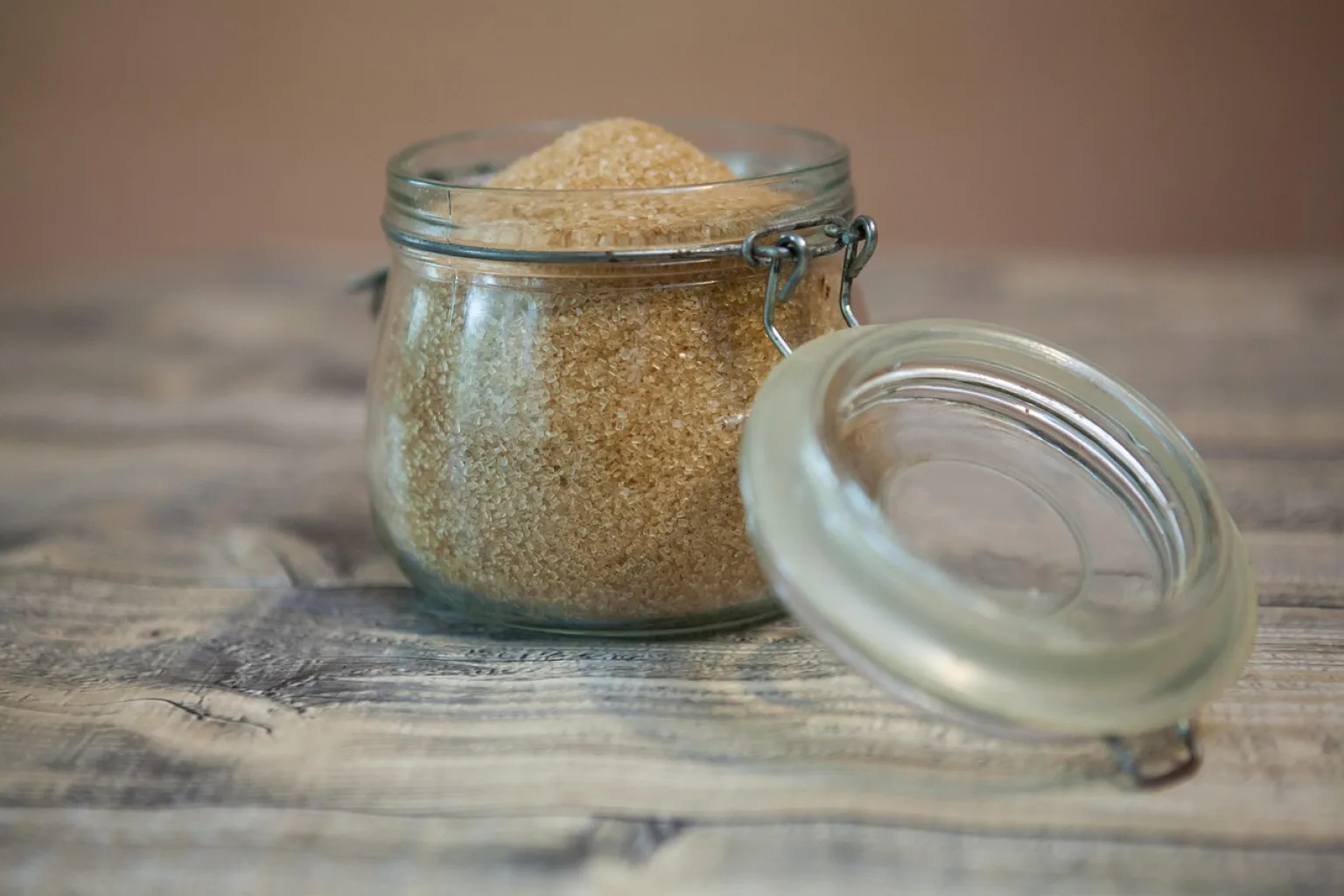
Granulated sugar, also called ordinary white sugar or table sugar, consists of crystals that are visible and perceptible to the touch. In recipes that simply call for “sugar,” it is usually the standard white variety. Table sugar is sucrose and can be made from sugar cane or sugar beet; crystal size may vary slightly from one brand to another. It is not the same as powdered sugar, which is milled to a fine powder, or superfine sugar, whose crystals are smaller. The phrase “for the mixture” describes its intended role in a recipe, not a separate kind of sugar.
When to use it
Use it when a recipe asks for sugar without naming a different type, especially to sweeten drinks or baking mixtures. It works when you want to dissolve sugar in a liquid, cream it with butter and eggs, or sprinkle it over a preparation before baking to form a crisp surface. It can also help balance acidity in some savory preparations. If a recipe calls specifically for powdered sugar or especially fine crystals, do not assume granulated sugar will give the same texture or incorporate at the same rate.
How to use it
Measure the sugar using the unit specified in the recipe and add it at the stage the recipe indicates. For drinks and liquid mixtures, stir until the crystals dissolve; granulated sugar can be used in cold or hot liquids. In batters, it can be creamed with butter and eggs to combine the ingredients and incorporate air. It can also be sprinkled over a preparation before baking for a crisp crust. When heated, sugar melts and caramelizes for sweets or caramelized toppings, so follow the recipe method and do not substitute powdered sugar without checking that it is suitable.
Flavour and texture
It provides straightforward sweetness and has dry, small crystals that can be seen and felt. The precise grain size may vary somewhat by brand. It dissolves in both cold and hot liquids, although finer-crystal varieties dissolve faster. When creamed with butter and eggs, it helps incorporate air into a mixture; when heated, it melts and can caramelize.
How to choose it
Choose ordinary white granulated sugar if a recipe simply says “sugar” and does not specify another kind. Check that the product is granulated rather than powdered, superfine or another crystal style. Grain size can vary a little between brands, which may matter when texture or dissolving speed is important. Check the label as well to confirm that you have the ingredient the recipe calls for.
Storage
The culinary source describes ordinary white granulated sugar as having a very long pantry life and requiring no special storage conditions. Store it in an orderly way and follow any specific directions on the package. If you want to keep the crystals loose and dry for easy measuring, avoid getting the container wet and close it after use.
Substitutions
Superfine or caster sugar can work when faster dissolving is useful, but its different crystal size may change how it incorporates in some recipes. For a closer match, choose another white granulated sugar with a similar crystal size. Powdered sugar is not an automatic replacement: it is milled to a fine powder, and commercial products may contain starch or another anti-caking ingredient.
Common mistakes
Do not confuse granulated sugar with powdered sugar: one has visible crystals and the other is a fine powder that may include an anti-caking agent. Do not assume superfine sugar is identical either; its smaller crystals dissolve faster. If a recipe specifies a sugar type or a particular texture, replacing it without considering these differences can change how it incorporates into the mixture.
Safety and allergens
The supplied evidence identifies no specific safety warning for granulated sugar. For ordinary culinary use, follow the product label and the recipe directions.
Culinary uses
- Sweetener for drinks, desserts and baked goods
- Texture, browning and acidity balancing in recipes
Recommended techniques
- Dissolving in hot or cold liquids
- Creaming with butter and eggs
Pairs well with
- Butter and eggs in cake and cookie mixtures
- Coffee, tea and other drinks
Frequently asked questions
Is granulated sugar the same as table sugar?
In ordinary culinary use, white granulated sugar is also called table sugar or regular sugar.
Can I use it in cold drinks?
Yes. Granulated sugar dissolves in cold and hot liquids; finer-crystal varieties dissolve faster.
Is it the same as powdered sugar?
No. Powdered sugar is milled into a fine powder and may contain an anti-caking ingredient, while granulated sugar retains visible crystals.
Sources and review
Automatically researched, cross-checked and validated content. Sources consulted:
- Del blanco a la panela: los 19 tipos de azúcar más comunes, en qué se diferencian y cómo usarlos en cocina directoalpaladar.com
- Tipos de azúcar: cuáles son y cómo usarlos | Fine Dining Lovers finedininglovers.es
- Tipos y variedades de Azúcar que encontrarás en el mercado, apuntes. - Cocina y Aficiones cocinayaficiones.com
- Desarrollo de un pan de masa madre rico en GABA y ... diposit.ub.edu
- ¿Qué es el azúcar? Tipos, sacarosa y edulcorantes - Zschimmer & Schwarz, Inc. zschimmer-schwarz.es
- Healthy Eating Plan for Weight Management med.uc.edu
- Fresh Produce Recipe Book | Wsu s3.wp.wsu.edu
- Azúcar: El ingrediente mágico que -con moderación- transforma tus recetas hola.com
- ESTUDIO COMPARATIVO DE TRES VARIEDADES DE CAÑA DE AZÚCAR (Saccharum officinarum), AZUL, MEXICANA Y CRIOLLA, PARA LA PRODUCCIÓN DE PANELA GRANULADA ORGÁNICA | Ingeniería: ciencia, tecnología e innovación doi.org
- Vamos a Conservar Alimentos: Fresas extension.psu.edu
- RECONOCIMIENTO Y MANEJO DE LOS ... npic.orst.edu
- paratos - postela 112 - SELEN p-w-islandoraweb01.library.ucla.edu
- - YouTube youtube.com