- Category
- Herbs and spices
- State
- Powdered
- Usual unit
- teaspoon
What it is
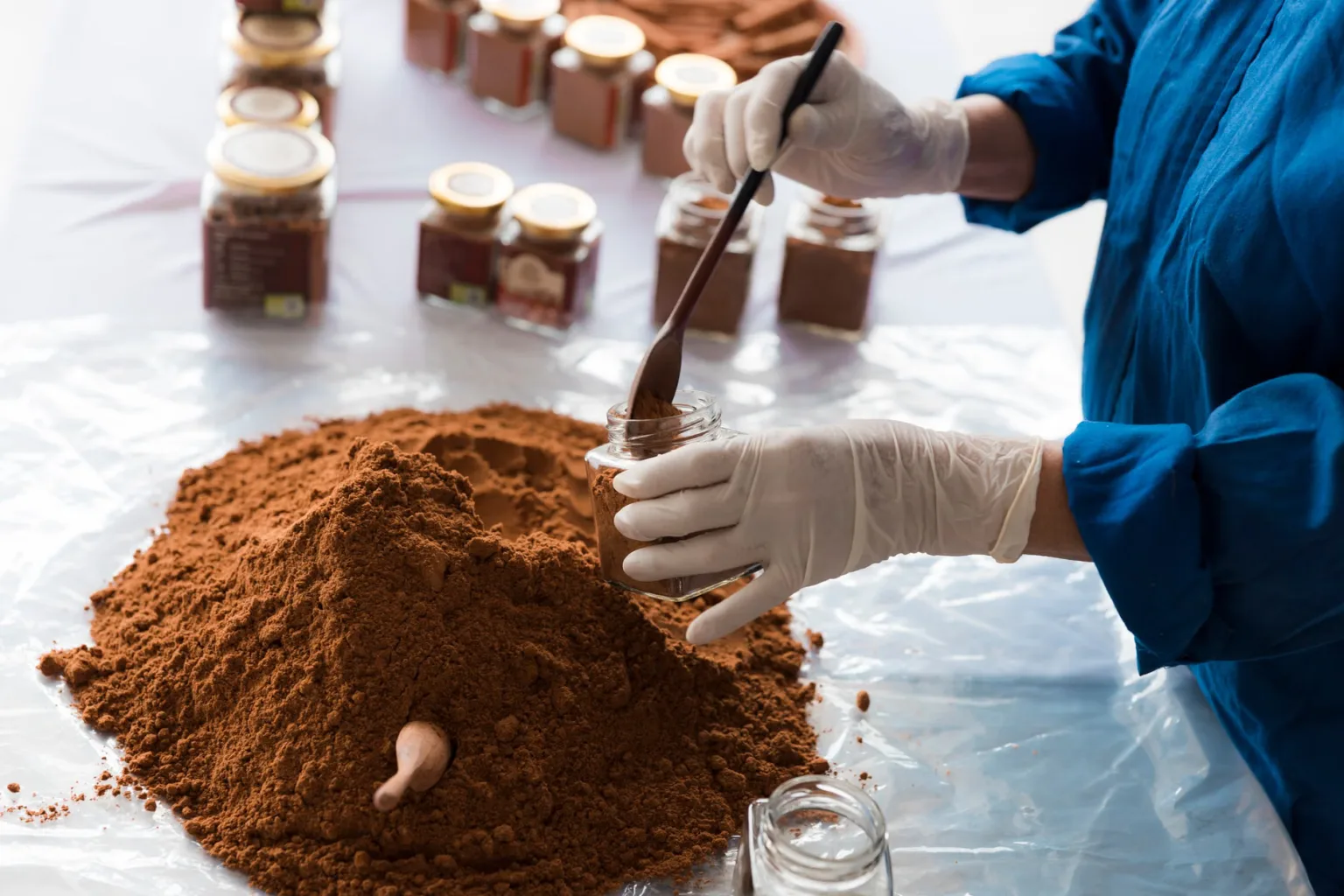
Ground mahlab, also spelled mahleb, mahlab or mahlep, is a spice made by grinding the seed found inside the pit of the fruit of Prunus mahaleb, commonly called the St. Lucie cherry. It is sold as a fine powder and used as a seasoning rather than as flour. Its aroma and flavor are described as having bitter-almond and cherry notes, sometimes with floral, vanilla-like or marzipan-like impressions. Heat softens some of its bitterness and brings its aromatic character forward. It is commonly used in enriched breads, rolls and pastries, though it also appears in some savory preparations. Ground mahlab is convenient, but the available culinary sources report that its aroma fades over time, so it makes sense to buy an amount you expect to use.
When to use it
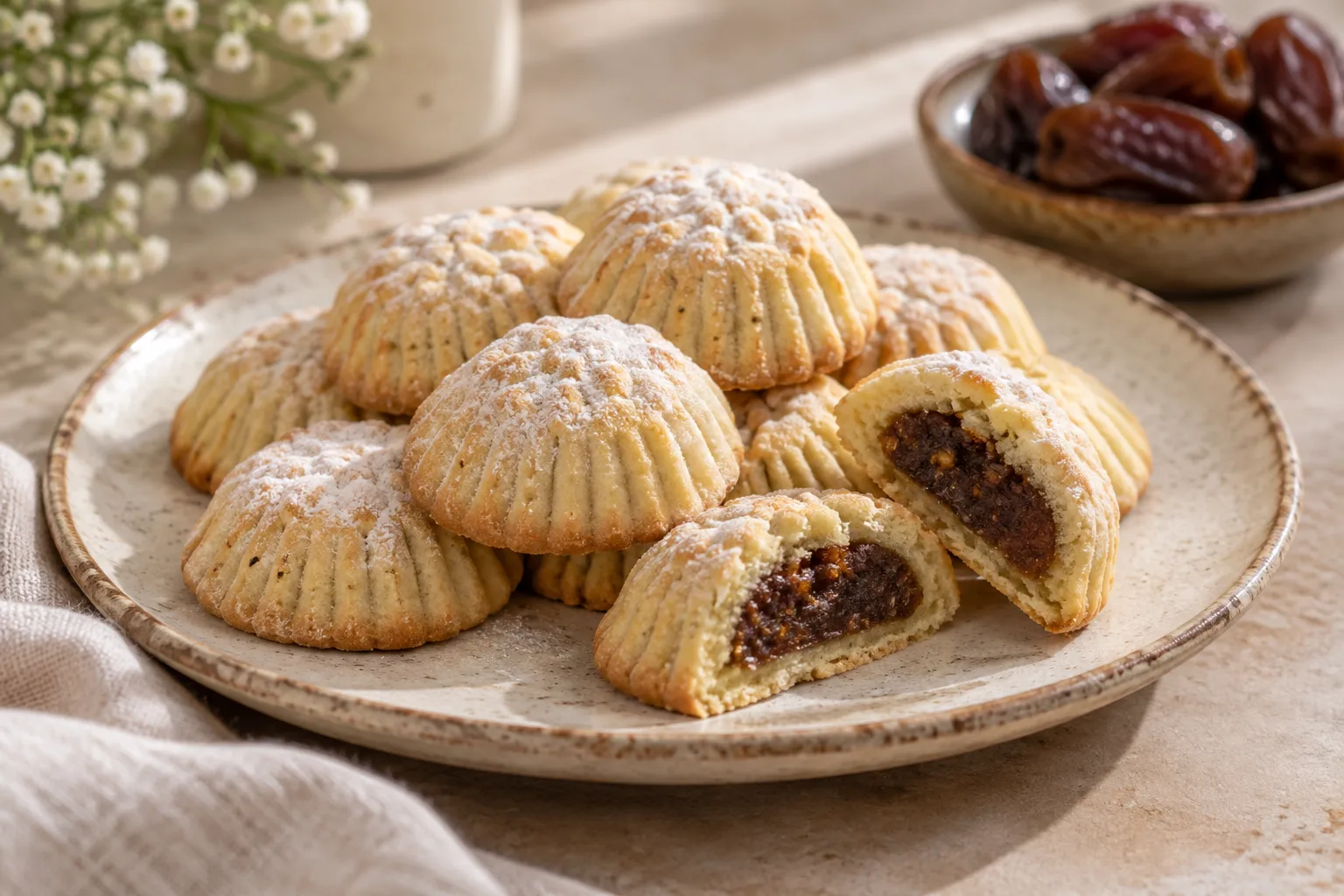
Choose mahlab when you want to give a dough or dessert an aroma distinct from more familiar spices, with a profile reminiscent of bitter almond and cherry. It is especially used in festive breads, rolls, cookies, cakes and filled sweets, and can also flavor creams or rice pudding. It may appear in some soups, stews, meat, fish or vegetable dishes, but it need not be confined to those traditional uses. Since it can taste bitter when used too generously, start with a small amount and taste the mixture before adding more. Use it where its aromatic notes can complement the other ingredients rather than overwhelm them.
How to use it
Stir ground mahlab into the flour or other dry ingredients before adding them to a dough; this helps distribute it through breads, rolls, cookies or cakes. You can also mix it into a cream or rice pudding, taking care to disperse it evenly. Its profile can complement orange blossom water, sesame, fennel seeds, dates and nuts. Start with a small amount and adjust according to the aroma and bitterness you perceive: culinary sources recommend restraint, but do not establish one universal measure for every recipe. If you have whole seeds, grind them just before use; with pre-ground mahlab, avoid letting its bitter character dominate the dish.
Flavour and texture
Mahlab is a dry, finely ground powder. Its aromatic profile is described with notes of bitter almond and cherry, and it may also suggest marzipan, vanilla or flowers. The bitterness can be more noticeable raw; when cooked, the aroma becomes gentler and fruitier. Intensity varies with the product and the amount used, so add it gradually.
How to choose it
Look for ground mahlab at spice shops or specialist food stores, and choose an intact, sealed package. Culinary sources note that the powder's aroma weakens over time, so a small pack is practical if you do not use it often. When available and convenient, you can buy whole seeds and grind only what you need; whole seeds generally retain their fragrance better than pre-ground powder.
Storage
Keep ground mahlab tightly closed in a dry place away from light and heat. Avoid leaving it open near the stove or repeatedly exposing it to air, as its aroma fades over time. The available sources recommend whole seeds for longer aroma retention but do not provide a reliable storage period for the ground product. Follow any specific directions on the package.
Substitutions
There is no exact substitute for mahlab: its combination of bitter-almond, cherry and floral notes is distinctive. A combination of almond extract and cherry extract can approximate part of the profile, but it does not reproduce the spice or behave the same way in dough. Orange blossom water can add a floral note in some recipes, but it is not equivalent either. Add any alternative gradually and adjust it to the recipe and the strength of the substitute.
Common mistakes
The most common mistake is adding too much mahlab at once: it can leave a dominant bitterness and a strong lingering taste. Begin with a small amount and adjust after mixing. Another mistake is expecting a substitute to reproduce its flavor exactly; extracts or orange blossom water provide only some of its notes. Avoid storing the powder in an open container or near heat, since its aroma can fade.
Safety and allergens
Use mahlab as a culinary spice and in moderate amounts. Do not use it as a remedy or a substitute for medical care. If you have concerns about a particular product or an individual reaction, consult a healthcare professional.
Culinary uses
- Especia aromática para masas y productos horneados
- Aromatizante para postres y algunas preparaciones saladas
Recommended techniques
- Incorporar a los ingredientes secos o a la harina de una masa
- Mezclar en cremas, arroz con leche u otras preparaciones que se quieran aromatizar
Pairs well with
- Agua de azahar
- Sésamo
- Semillas de hinojo
- Dátiles y frutos secos
Frequently asked questions
What does ground mahlab taste like?
It is described as having bitter-almond and cherry notes, sometimes with floral, marzipan-like or vanilla-like impressions. Bitterness may be more noticeable raw and soften during cooking.
How should I add it to dough?
Mix it with the flour or other dry ingredients so it disperses evenly. Start with a small amount and adjust to taste, since too much can make the result bitter.
Can I replace mahlab with another spice?
There is no exact replacement. Almond extract combined with cherry extract can approximate some notes, while orange blossom water adds a floral note, but neither reproduces mahlab.
How should I store ground mahlab?
Keep it tightly closed and protected from light, heat and moisture. The powder loses aroma, so buy an amount you can use; whole seeds retain their fragrance better.
Sources and review
Automatically researched, cross-checked and validated content. Sources consulted:
- ¿Por qué la muerte es origen de miedos y tabúes? doi.org
- Client Challenge doi.org
- ¿Qué es el maridaje de sabores? - Hostelería Benidorm hosteleriabenidorm.com
- El mahleb como especia | El Huerto Urbano elhuertourbano.net
- Qué es el mahlab o mahlep, la dulce especia mediterránea de un cerezo peculiar: características y usos en la cocina directoalpaladar.com
- Mahleb | Gastronomía & Cía gastronomiaycia.com
- Mahleb: la semilla de cereza para repostería | Sabores Árabes saboresarabes.com
- Mahleb - Wikipedia, la enciclopedia libre es.wikipedia.org
- Qué es el maridaje: tipos y consejos - Brandy Fundador brandyfundador.com
- Elementos de maridaje. Los sabores básicos. – Terroaristas, el Blog del VINO terroaristas.com