- Category
- Herbs and spices
- State
- Powdered
- Usual unit
- teaspoon
What it is
Ground red pepper is a broad name for powdered seasonings made from dried, ground red peppers. It may refer to paprika, including sweet or hot varieties, and some products are made from peppers dried with smoke. Products do not all have the same heat, aroma, or color: these qualities depend on the pepper variety and drying method. Do not assume that “ground red pepper” always means mild paprika or, conversely, a very hot chili powder. It is a dry, powdered ingredient used to season savory foods and add red color. Check the product label to identify the style before choosing it for a dish.
When to use it
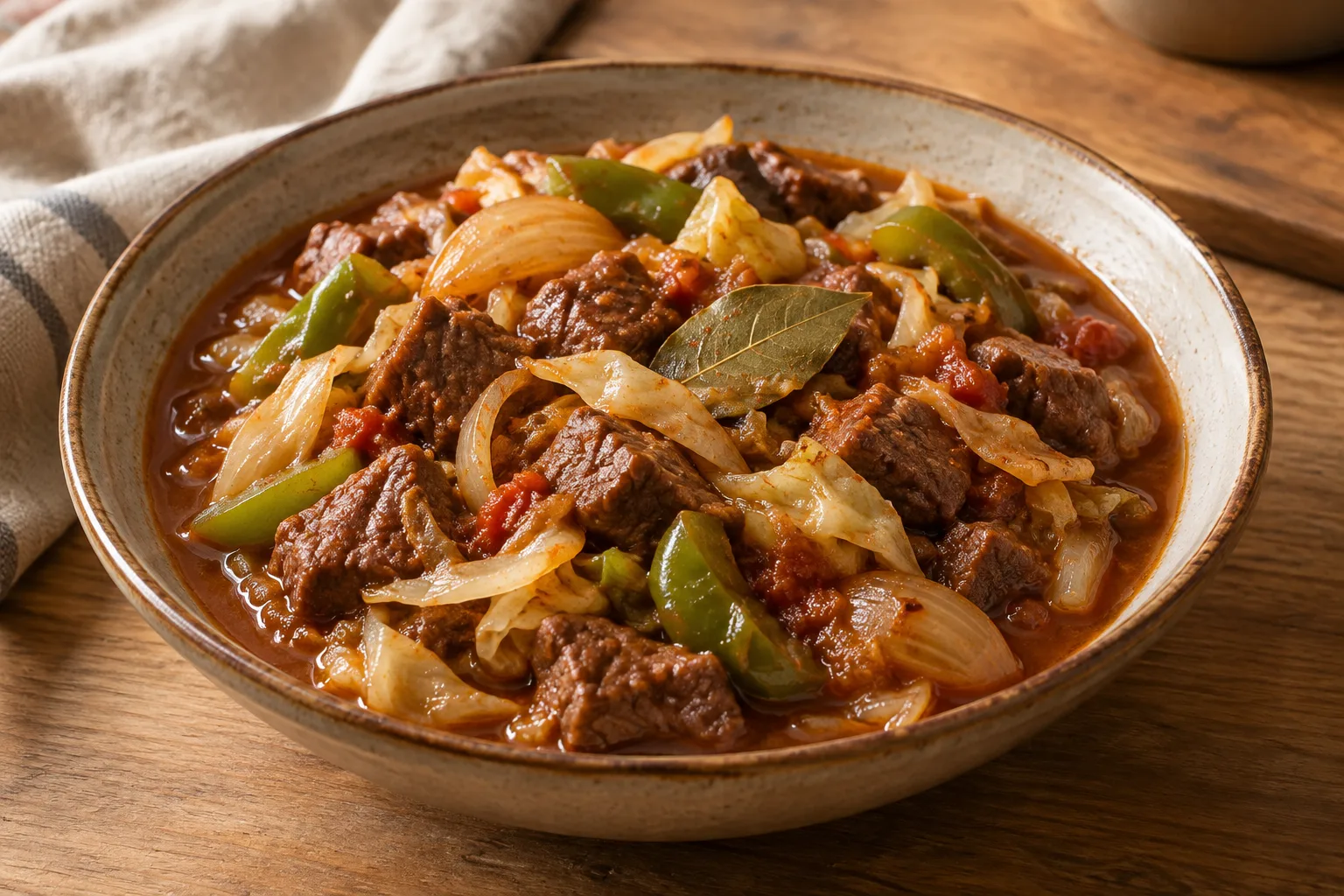
Use it when you want to add red color and a characteristic pepper flavor to a savory dish. A sweet variety suits food when you want pepper flavor without pronounced heat; a hot variety adds heat, and a smoked version can bring smoky notes. Paprika is commonly used in stews and potato dishes, and paprika varieties are also used in products such as chorizo. Since intensity varies among products, choose the style for the result you want and start with a small amount if the variety or brand is unfamiliar.
How to use it
Read the package to see whether the product is labeled sweet, hot, bittersweet, or smoked. Add a pinch or a small amount to a sauce, stew, or potato dish, mix it in, and taste before adding more. This lets you control both the heat and any smoky character. Use it as a savory seasoning, and remember that red color alone does not reveal how hot it is. If a recipe names a particular style, try to use that style: replacing sweet paprika with a hot variety can substantially change the result. There is no single amount that suits every product, so adjust to taste and follow the package information.
Flavour and texture
It is a fine, dry powder, usually red or orange-red. Its flavor may be mild and sweet, more intense or hot, and some varieties have a smoky aroma. The profile depends on the peppers and how they were dried; appearance alone does not show how hot the powder is. Check the product name on the label.
How to choose it
Check whether the label identifies the product as sweet, hot, bittersweet, or smoked, since these are different flavor profiles. Choose it to suit the dish and the desired heat. If the product is labeled only “ground red pepper,” do not assume it is mild or smoked; look for more information on the package.
Storage
Follow the storage directions on the package and keep it closed between uses. The product name alone does not establish one universal storage period: variety, processing, and commercial packaging can differ. Do not rely on color alone to decide how long to keep it, and use the manufacturer’s label for product-specific guidance.
Substitutions
A sweet variety can be replaced with another sweet variety when you want to keep a mild profile; a hot variety is not a neutral substitute because it increases heat. Replacing a smoked version with a non-smoked one removes that smoky note. Start with less when the alternative product’s intensity is unfamiliar.
Common mistakes
A common mistake is treating every red pepper powder as interchangeable. Products can differ in sweetness, heat, and smoky aroma. Do not judge heat by color or replace a sweet variety with a hot one without adjusting the amount. Check the label and add it gradually.
Safety and allergens
Heat can vary between products. Check the label and add the seasoning gradually, especially when its variety or heat is unfamiliar. No universal storage period is specified here; follow the package directions.
Culinary uses
- Aportar color rojo y sabor a platos salados.
- Añadir un matiz dulce, ahumado o picante, según la variedad.
Recommended techniques
- Incorporar a guisos, salsas y otros platos como condimento.
- Añadir gradualmente y probar para ajustar el sabor y el picor.
Pairs well with
- Patatas y otros guisos salados.
- Chorizo, embutidos y platos de pescado o marisco.
Frequently asked questions
Are ground red pepper and paprika always the same thing?
Not necessarily. The name can cover paprika and other powders made from red peppers; the label helps identify the product and its flavor profile.
Is all ground red pepper hot?
No. Sweet and hot varieties exist, and heat varies. Check the package and taste a small amount before adding more.
What is the difference between smoked and non-smoked varieties?
A smoked variety has smoky notes; other varieties are dried without that profile. Check the label before substituting if the smoky flavor matters to the dish.
Sources and review
Automatically researched, cross-checked and validated content. Sources consulted:
- Client Challenge doi.org
- Pimentón - Wikipedia, la enciclopedia libre es.wikipedia.org
- The Essential Glossary of Cooking Terms for the Culinary Arts - Escoffier escoffier.edu
- El pimiento rojo:¿ una verdura o un condimento? - Grupo Gastronómico El Almirez ggelalmirez.com
- Sabores de nuestras tierras/recetas - 2024 | Agricultura y Recursos Naturales ucanr.edu
- Bilingual Budget-Friendly Hispanic Cookbook and ... scholarworks.lib.csusb.edu
- Vamos a Conservar Alimentos: Tomates extension.psu.edu
- Macarrones a la Crema 1946 (Macaroni with Cream) - lacocina.utsa.edu
- Pimentón | CreatiVegan.net creativegan.net
- Publicaciones de Seguridad alimentaria aesan.gob.es
- The laws of salsa | Servicio de Extensión de OSU extension.oregonstate.edu
- pork chop Archives | Dinner Tonight dinnertonight.tamu.edu
- - YouTube youtube.com