- Category
- Vegetables
- State
- Fresh
- Usual unit
- unit
What it is
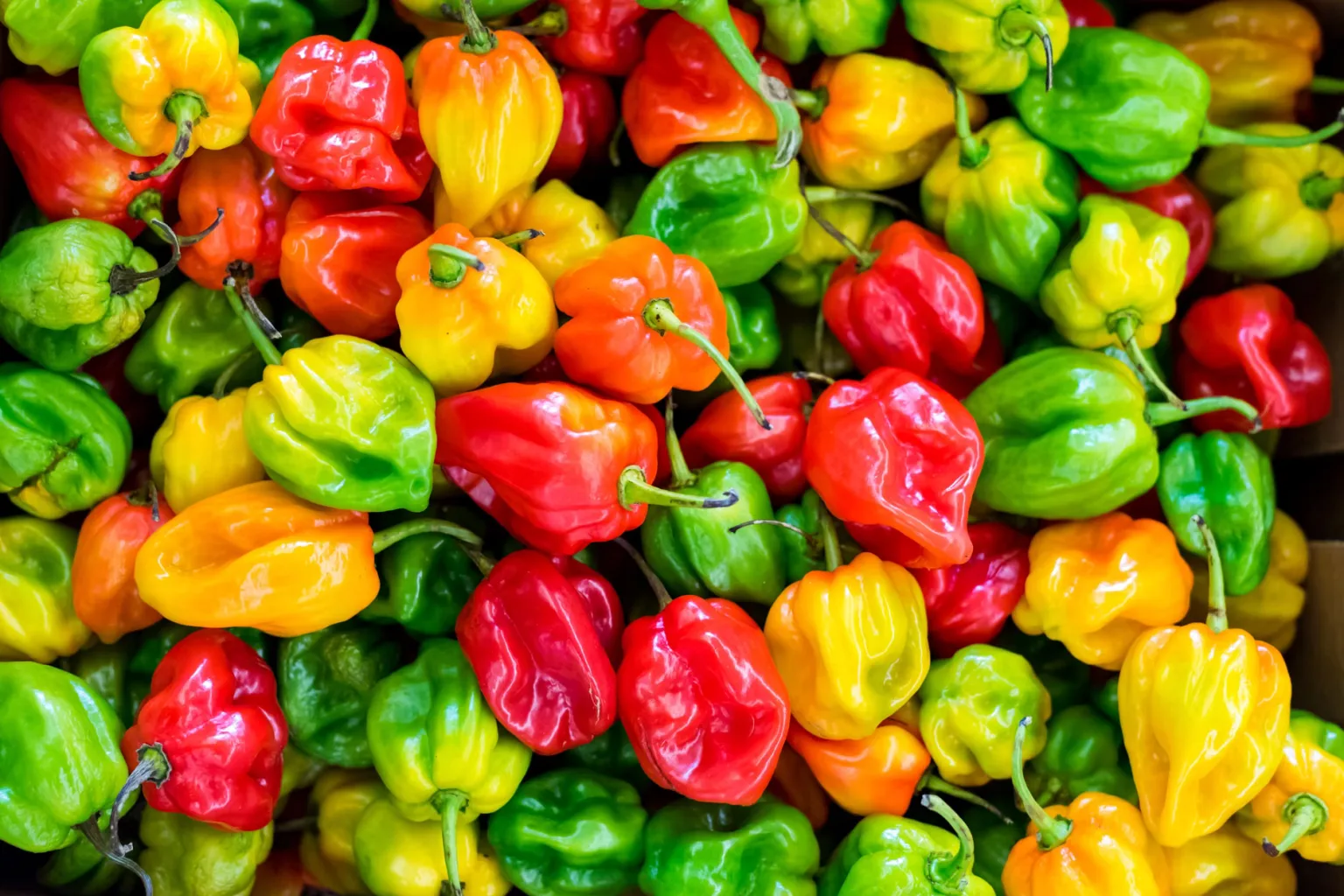
A habanero pepper is the fresh fruit of a Capsicum plant identified as Capsicum chinense. In the kitchen it is commonly treated as a vegetable, although botanically it is a fruit. Green peppers are immature; as they ripen, they may turn orange or red, among other colors. Their defining feature is intense heat, often accompanied by a fruity aroma. Color and shape vary among habanero types, so it is unwise to assume that every pepper has exactly the same flavor or heat. Habaneros are used in small amounts to give character to sauces, fresh salsas, condiments, and cooked dishes.
When to use it
Use a habanero when you want a sauce or dish to have pronounced heat and a fruity aroma, rather than heat alone. It can be added to fresh salsas, condiments, and cooked preparations, especially when other ingredients can balance its intensity. Heat varies from pepper to pepper and also depends on how much you use, so begin with a small amount and taste before adding more. When making a preserved product from a tested recipe, do not change the specified total amount of peppers or improvise substitutions: changing proportions can compromise safety.
How to use it
Wash the pepper before preparation and decide how much heat you want to add. For more even distribution, mince it finely or blend it into a sauce; start with a little, mix, and taste before adding more. It can be paired with citrus, fruit such as mango or pineapple, and tomato, while taking care not to let the pepper overwhelm every other flavor. Wear gloves when cutting or handling habaneros, and avoid touching your face and eyes. If you do not wear gloves, the chile-preservation guidance says to wash your hands thoroughly with soap and water before touching your face. For a home-preserved product, follow a tested recipe and its quantities exactly; do not reduce or change the total amount of peppers on your own.
Flavour and texture
Habaneros are known for intense heat, which can vary between peppers, and a fruity aroma. The fresh flesh is firm and crisp; once minced or blended, it readily incorporates into sauces and condiments. Its strong character can quickly dominate a dish, so start with a small amount.
How to choose it
Choose peppers that feel heavy for their size, firm, fresh, smooth-skinned, and symmetrical. Avoid shriveled or bruised peppers, soft spots, mold, and other damaged areas. Color varies with maturity and type: green usually indicates an immature pepper, while some peppers ripen to orange or red.
Storage
The available guidance gives instructions for freezing chiles but does not specify a storage duration for fresh habaneros. If you need to keep them longer, freezing is an option: freeze them whole or cut, then pack them in a freezer-safe bag or container. To keep pieces separate, freeze them in a single layer first and pack them afterward. Do not treat these directions as a method for canning.
Substitutions
Jalapeño can be an option for a milder result; serrano gives a different level of heat. Neither exactly reproduces a habanero's aroma. In tested preservation recipes, do not reduce the total amount of peppers or change the proportions: changing pepper type is appropriate only when the recipe and its instructions allow it.
Common mistakes
Adding too much habanero at once can make its heat overwhelm the rest of a dish. Start with a small amount and adjust after tasting. Another mistake is handling it without protecting your hands and then touching your face or eyes. In preserved recipes, changing or reducing the specified amount of peppers can compromise safety.
Safety and allergens
Wear gloves when cutting or handling hot peppers, and do not touch your face or eyes. If you handle them without gloves, wash your hands thoroughly with soap and water before touching your face. For home canning, use a tested recipe and follow its quantities and process; do not improvise changes.
Culinary uses
- Adds pronounced heat and fruity aroma to sauces and salsas
- Provides a spicy accent in cooked dishes and condiments
Recommended techniques
- Finely chop or mince for controlled distribution
- Blend into a sauce or salsa
- Wear gloves when preparing; avoid touching the face and eyes
Pairs well with
- Citrus, including lime and sour orange
- Mango and pineapple
- Tomato and red onion
Frequently asked questions
Are habaneros always orange or red?
No. Immature peppers are usually green and may turn orange or red as they ripen; color varies among types.
How can I moderate the heat in a dish?
Start with a small amount, mix, and taste before adding more. You can also choose a less-hot pepper, bearing in mind that its flavor will differ.
Can I replace habaneros with another pepper in a canned recipe?
Only if the tested recipe permits that change. Do not reduce the total amount of peppers or alter the stated proportions.
Sources and review
Automatically researched, cross-checked and validated content. Sources consulted:
- Client Challenge doi.org
- The Ultimate Guide to Hot Peppers - Escoffier escoffier.edu
- How to Preserve Chiles | USU extension.usu.edu
- Peppers wpcdn.web.wsu.edu
- Pepper Substitutions | UC Master Food Preservers of Inyo and Mono Counties ucanr.edu
- Choice Salsa - National Center for Home Food Preservation nchfp.uga.edu
- New Mexico Chile Resources | New Mexico State University | BE BOLD. Shape the Future. bernalilloextension.nmsu.edu
- Food | Ohioline ohioline.osu.edu
- University Culinary Services | Kent State University kent.edu
- Chile habanero: picor, a qué sabe, usos | Recetas Mexas recetasmexas.com
- Chile habanero; aroma, sabor, propiedades... y picante - Agromática agromatica.es
- Crónicas del habanero laanita.com
- Chile Habanero, con Denominación de Origen | Fideicomiso de Riesgo Compartido | Gobierno | gob.mx gob.mx
- El chile habanero con denominación de origen | CM Abastos cmabastos.es
- El chile habanero: su origen y usos amc.edu.mx