- Category
- Fruit
- State
- Fresh
- Usual unit
- unit
What it is
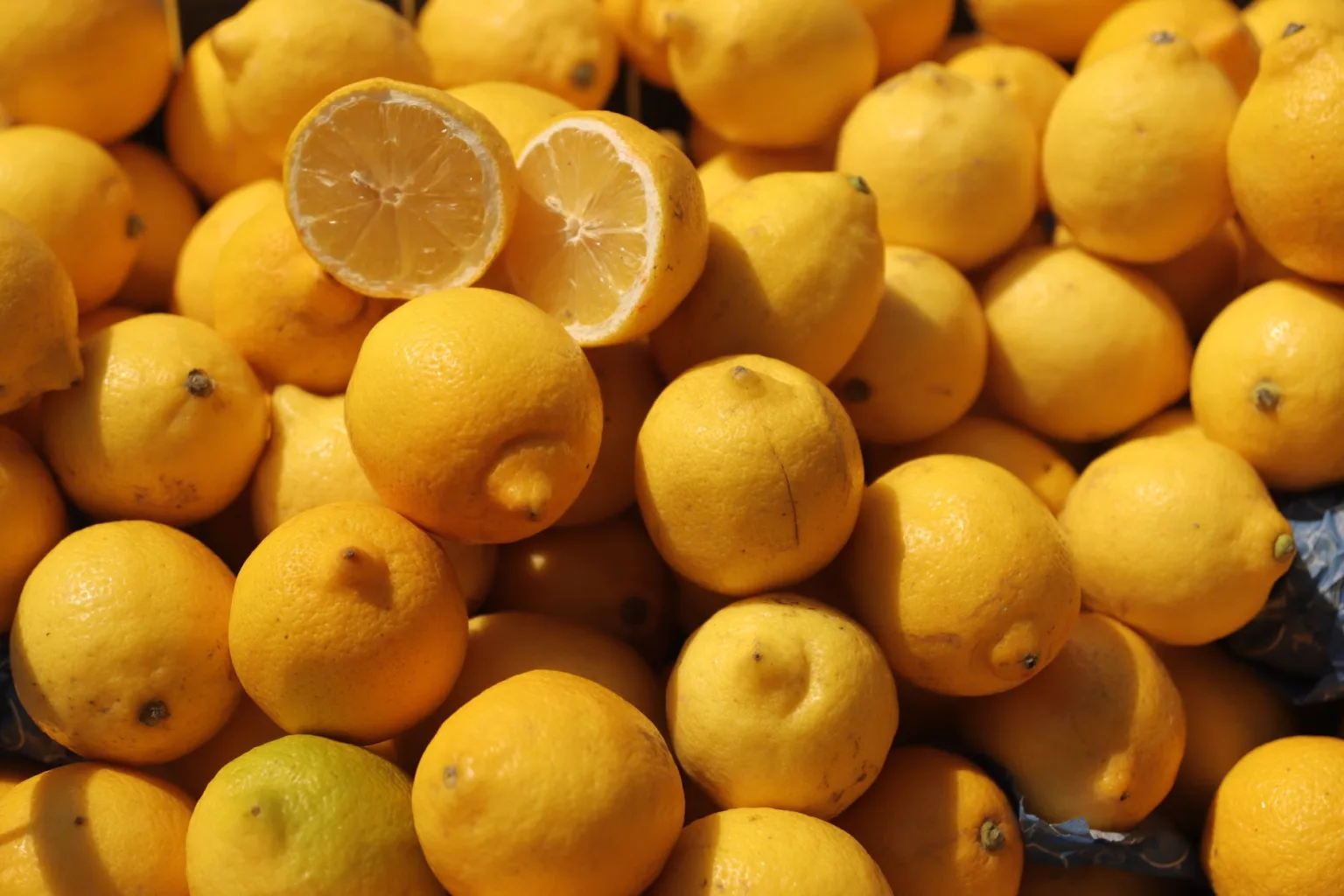
Large lemons are lemons described by size, not one single variety defined by that name. Lemon varieties differ in shape, peel thickness, seed count, juiciness and acidity. In Spain, the large yellow lemon is commonly described as having thick, slightly rough, aromatic skin and flesh with few seeds, but those traits should not be assumed for every fruit. The juice brings acidity, while the peel can be used for its aroma. The common name lemon can also refer to different citrus fruits in different countries, so variety and intended use matter more than size alone.
When to use it
Use a large lemon when you want acidity or citrus aroma in a dish. Its juice works in dressings, vinaigrettes and sauces, and can be added to soups, meat, fish and seafood. It is also useful in drinks, cocktails and desserts. Aromatic peel can perfume sweet or savory preparations, while slices can accompany drinks or dishes. If a recipe depends on a precise amount of juice or a particular level of acidity, assess the fruit after cutting it: size alone cannot reliably predict either characteristic.
How to use it
Wash the lemon before cutting it if you plan to use the peel. To obtain juice, cut and squeeze the fruit; add the juice gradually to dressings, sauces, soups, drinks, or fish and seafood preparations, tasting as you go to adjust acidity. To use the peel, grate only the aromatic outer layer and add it to desserts, drinks, vinaigrettes or sauces. Cut slices to accompany or garnish drinks. When a recipe calls for lemon, consider whether it needs juice, peel aroma or both: they are not interchangeable in proportion or effect. Lemons are also used in salt-preserved preparations, although the method and storage directions depend on the recipe.
Flavour and texture
The juice tastes tart, a quality associated with its citric acid, and the peel has a pronounced citrus aroma. Flesh, juice yield, seeds, peel thickness and acidity can vary by variety and individual fruit. A large lemon is not necessarily juicier than a smaller one. The peel may be thick or thin, smooth or rough; choose the part of the fruit that suits the intended use.
How to choose it
Choose firm fruit without visible damage, and compare weight as well as size if you are buying for juice: size alone does not show how much liquid you will get. Appearance differs by variety; some lemons have thick, rough peel, others have thinner, smoother peel, and seed counts vary too. If you need plenty of aromatic peel or a particular level of acidity, ask about the variety when that information is available.
Storage
Keep whole lemons according to any package directions. The available information does not support one universal storage period for every lemon, since condition, variety and circumstances can vary. Once cut or juiced, do not assume the fruit keeps in the same way as a whole lemon; follow the recipe or prepared-product directions and do not store food contrary to instructions on its label.
Substitutions
Another lemon variety can work when a recipe calls for citrus juice or aroma, but acidity, seed count and juice yield may differ. Lime is also used in similar citrus preparations, though its flavor is not identical to lemon. Add juice gradually and taste; if a recipe relies on lemon peel, replacing it with juice alone will not reproduce the aroma.
Common mistakes
Do not assume a large fruit will yield plenty of juice, that every lemon has the same acidity, or that all lemon peel is thin. Do not treat juice and zest as interchangeable: they contribute different effects, and a garnish slice does not automatically replace a measured ingredient. Add juice gradually when controlling acidity matters.
Safety and allergens
For packaged lemons or prepared lemon products, follow the storage and use directions on the label. The available information does not establish a universal storage period for fresh lemons or a size-specific safety warning.
Culinary uses
- Aportar acidez y aroma a platos salados
- Dar sabor a bebidas y postres
Recommended techniques
- Exprimir el jugo para aliños, salsas y bebidas
- Rallar la cáscara para aportar aroma
- Cortar en rodajas para acompañar o decorar
Pairs well with
- Pescados y mariscos
- Carnes y caldos
- Bebidas y cócteles
- Postres y preparaciones dulces
Frequently asked questions
Does a large lemon always contain more juice?
Not necessarily. Size cannot reliably predict juice yield; varieties and individual fruits differ. If juice yield matters, consider weight and check the fruit when you cut it.
Can I use lemon peel?
Yes. The peel is aromatic and can be grated into drinks, sauces, dressings and desserts. Wash the fruit before grating it.
Can I substitute lime for lemon?
Lime can work in preparations that call for a citrus note, but its flavor is not identical. Add it gradually and adjust to taste.
Sources and review
Automatically researched, cross-checked and validated content. Sources consulted:
- En el etiquetado alimentario hay algunas menciones que son obligatorias eletiquetadocuentamucho.aesan.gob.es
- The Essential Glossary of Cooking Terms for the Culinary Arts - Escoffier escoffier.edu
- Limón - Wikipedia, la enciclopedia libre es.wikipedia.org
- Limón | Origen y variedades | Frutas | EROSKI CONSUMER frutas.consumer.es
- ¿Cuáles son los tipos de limones que existen? | Recetas Nestlé recetasnestle.com.ar
- ¿Por qué el termómetro marca 25 º y la sensación térmica es de 27 º? doi.org
- Nutrition After Your Transplant - Health Online healthonline.washington.edu
- UCCE efforts improve quality of and demand for fresh ... ucanr.edu
- Para la ciudadanía aesan.gob.es
- Beaver Classic | Food Science & Technology foodsci.oregonstate.edu
- Anthony Bourdain and the Cultural Valorization of Chefs and ... conservancy.umn.edu