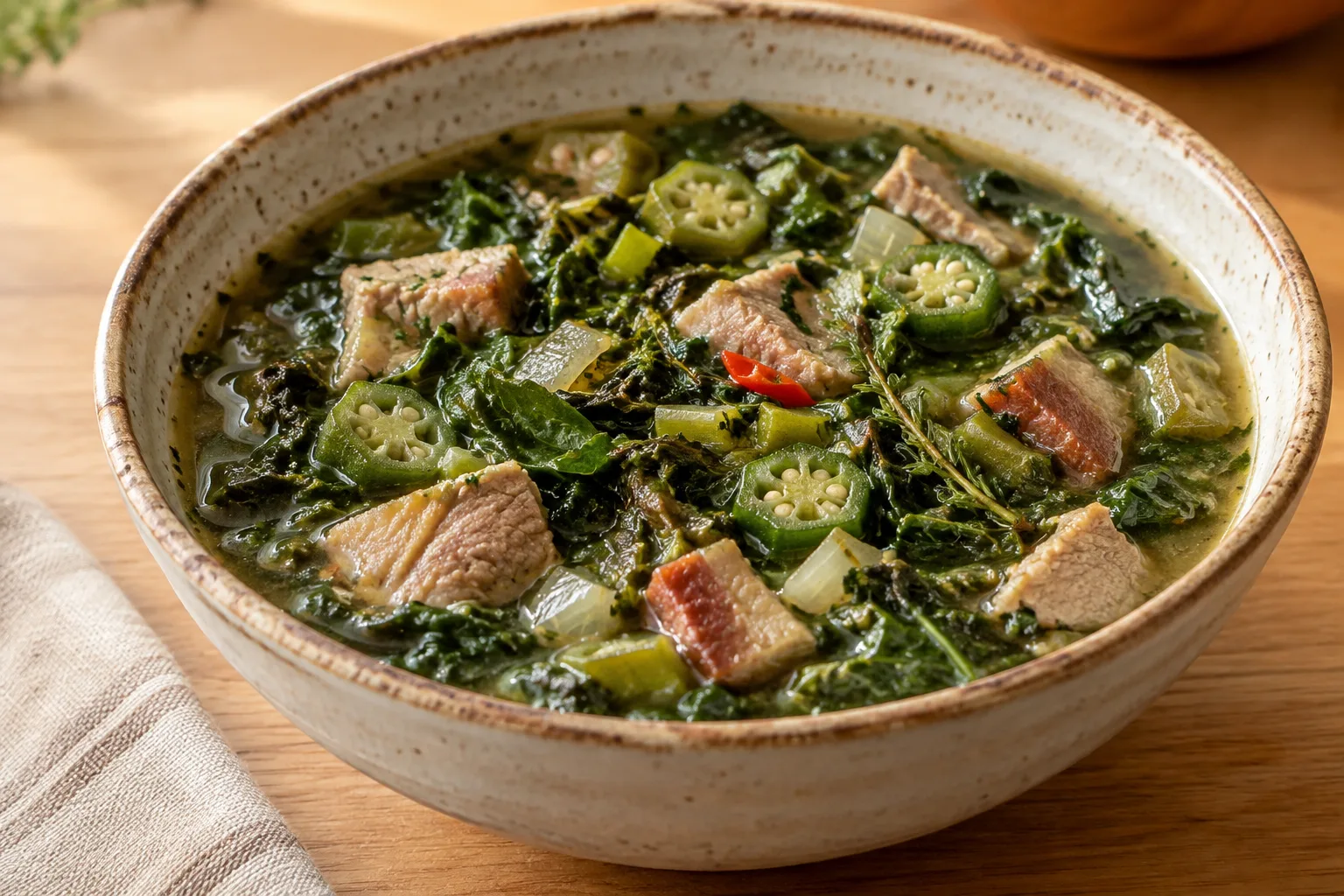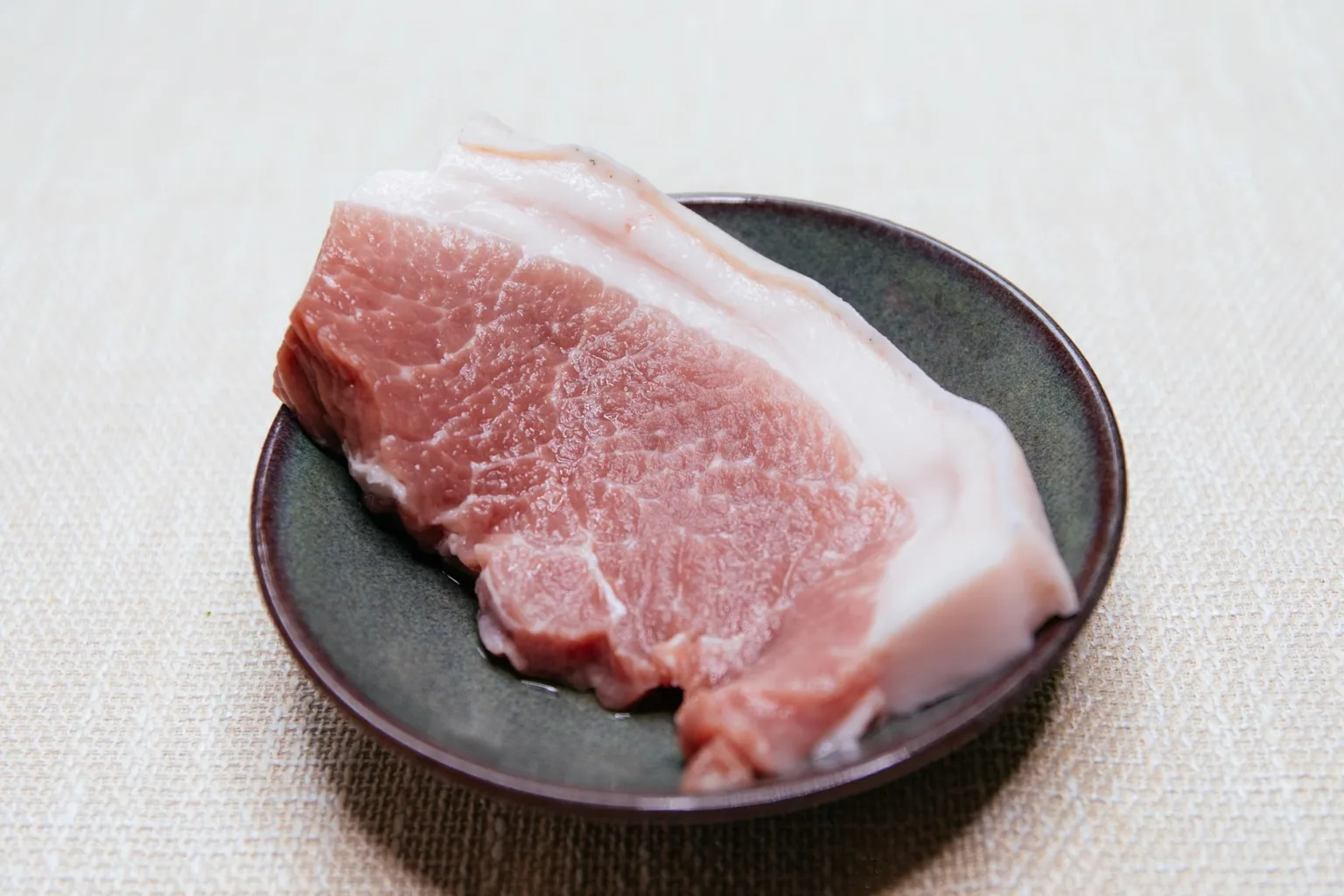
- Category
- Meat
- State
- Fresh
- Usual unit
- g
What it is
Lean pork describes pork with a low amount of fat, particularly visible fat; it does not name one specific cut or guarantee that every piece has the same composition. Loin and tenderloin are commonly considered lean choices, as are trimmed portions of fresh ham. The precise cut, thickness and trimming affect how the meat cooks. When choosing a piece, look at its visible fat and remember that lean meat can lose moisture if left over heat for too long. This is fresh meat, not cured or processed sausage.
When to use it
Choose lean pork when you want a mild-tasting meat for a quick meal, stir-fry or pan-cooked dish. Thin pieces and cuts such as loin or tenderloin often suit shorter cooking; they can also be roasted with attention to doneness. In a recipe calling for long, moist cooking, lean pork may become dry: consider a fattier cut or adapt the recipe to limit moisture loss. The amount of visible fat and the size of the piece can help guide your choice.
How to use it
Cook the piece whole or cut it into similarly sized portions for more even cooking. Season it directly or marinate it with an acidic ingredient, a little oil and seasonings; do not assume that a marinade makes the meat safe. Lean pork can be pan-cooked, grilled, seared or roasted with care to avoid unnecessary time over heat. Match the method to the cut and thickness, and follow the package directions for handling and cooking. Clean surfaces that have touched raw meat before using them with ready-to-eat foods.
Flavour and texture
Lean pork has a mild, meaty flavor that works with a variety of seasonings and marinades. Because it has little visible fat, it can be tender and juicy when cooked carefully, but it can also dry out when cooking is prolonged. Results vary with the cut, thickness and trimming; lean pieces do not all behave in exactly the same way.
How to choose it
Look for a fresh piece with little visible fat and choose a cut suited to your recipe: loin, tenderloin and trimmed portions of fresh ham are commonly lean options. Check that the package is intact and read its label for the cut and storage directions. The word “lean” describes a general characteristic; by itself, it does not state the exact fat content of an individual piece.
Storage
Store fresh pork according to the package directions and applicable local storage guidance. Keep raw meat separate from ready-to-eat foods and prevent its juices from dripping onto other items. If you will not use it soon, check the package directions for freezing and thawing; do not infer storage times from appearance or smell.
Substitutions
In dishes that can accommodate a similar role, lean chicken, turkey or beef may be used instead. The flavor and texture will change, and different cuts may need different cooking methods. Adjust cooking to the chosen cut rather than automatically transferring the timing from one meat to another.
Common mistakes
A common mistake is cooking lean pork for too long, which can leave it dry. Another is using the same long, moist method for a lean piece as for a fattier cut, or assuming that every item described as “lean” is identical. Match the method to the particular cut and thickness.
Safety and allergens
Handle and cook pork according to the product package directions. Keep raw meat and its juices from contacting ready-to-eat foods.
Culinary uses
- Main protein in everyday meals
- Lean meat for quick-cooking dishes
Recommended techniques
- Pan-searing or grilling thinner pieces
- Marinating with an acidic ingredient, oil and seasonings
Pairs well with
- Vinegar or citrus-based marinades
- Garlic and seasonings
Frequently asked questions
What does “lean pork” mean?
It describes pork with little fat, particularly little visible fat; it is not one specific cut, and individual pieces can vary.
Which pork cuts are commonly lean?
Loin, tenderloin and trimmed portions of fresh ham are commonly considered lean choices. The individual piece and how it is trimmed matter.
How can I keep lean pork from drying out?
Choose a method suited to the cut and thickness, and avoid unnecessarily prolonged cooking. Follow the package directions for handling and cooking.
Estimated nutrition
- Fat
- 23.4 g
- Saturates
- 7.53 g
- Carbohydrate
- 0 g
- Sugars
- 0 g
- Fibre
- 0 g
- Protein
- 15.5 g
- Salt
- 0.2 g
Sources and review
Automatically researched, cross-checked and validated content. Sources consulted:
- ¿Por qué la muerte es origen de miedos y tabúes? doi.org
- Client Challenge doi.org
- The Essential Glossary of Cooking Terms for the Culinary Arts - Escoffier escoffier.edu
- directrices del grupo de trabajo electrónico “aditivos en ... aesan.gob.es
- \r\n \n El Cerdo y su Deliciosa Versatilidad en la Gastronomía\n \r\n recetasexplicadas.com
- Gastronomía de la provincia de Zaragoza - Wikipedia, la enciclopedia libre es.wikipedia.org
- Chorizo - Wikipedia, la enciclopedia libre es.wikipedia.org
- Magro o magra | Gastronomía & Cía google.com
- Consejos y ayudas . Delicies L'Avinguda - Carnes, Frutas, Verduras y más carniceriadelicias.es
- Jamones Dionisio Sánchez | Tienda Online de Jamones google.com