- Category
- Dairy and eggs
- State
- Fresh
- Usual unit
- g
What it is
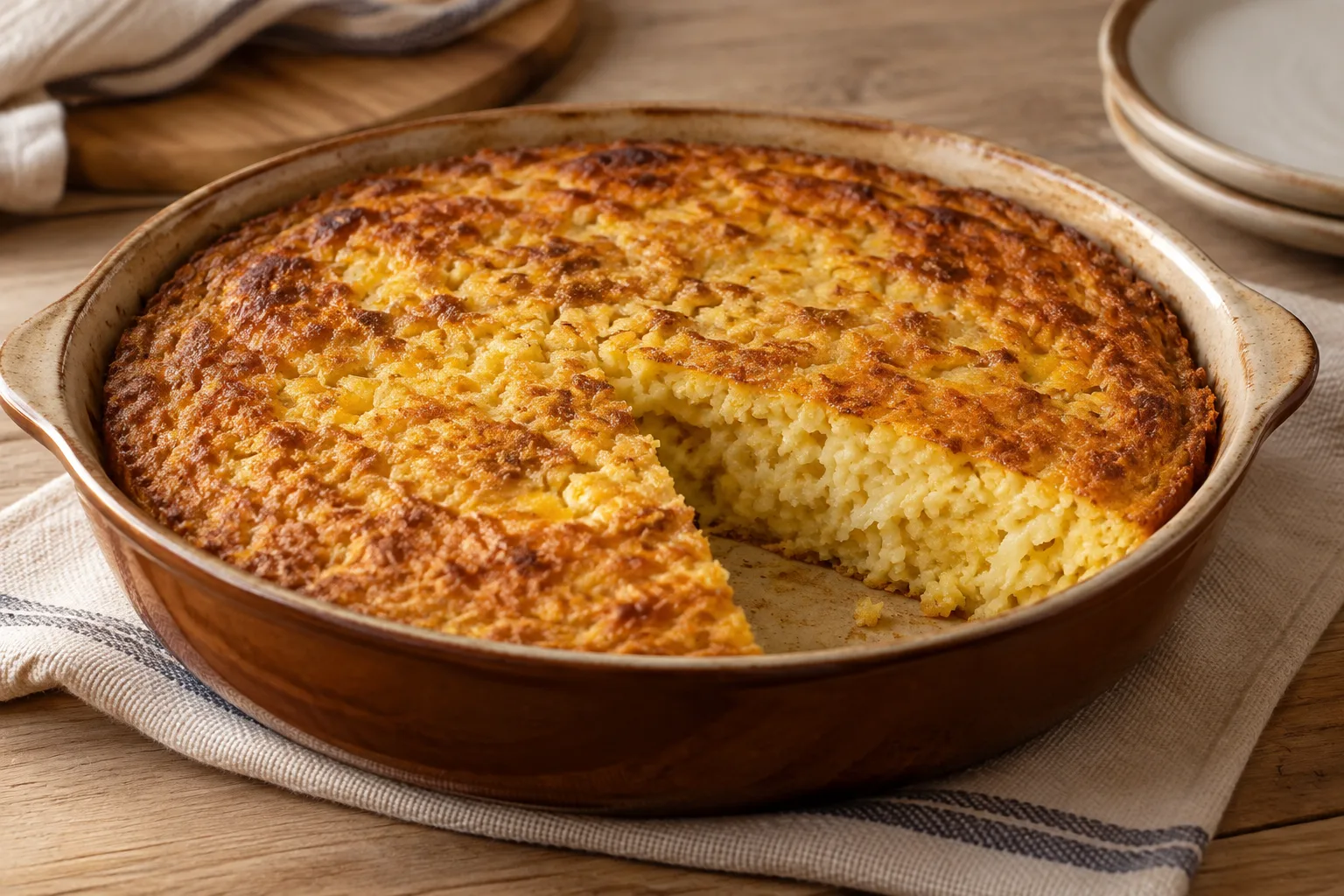
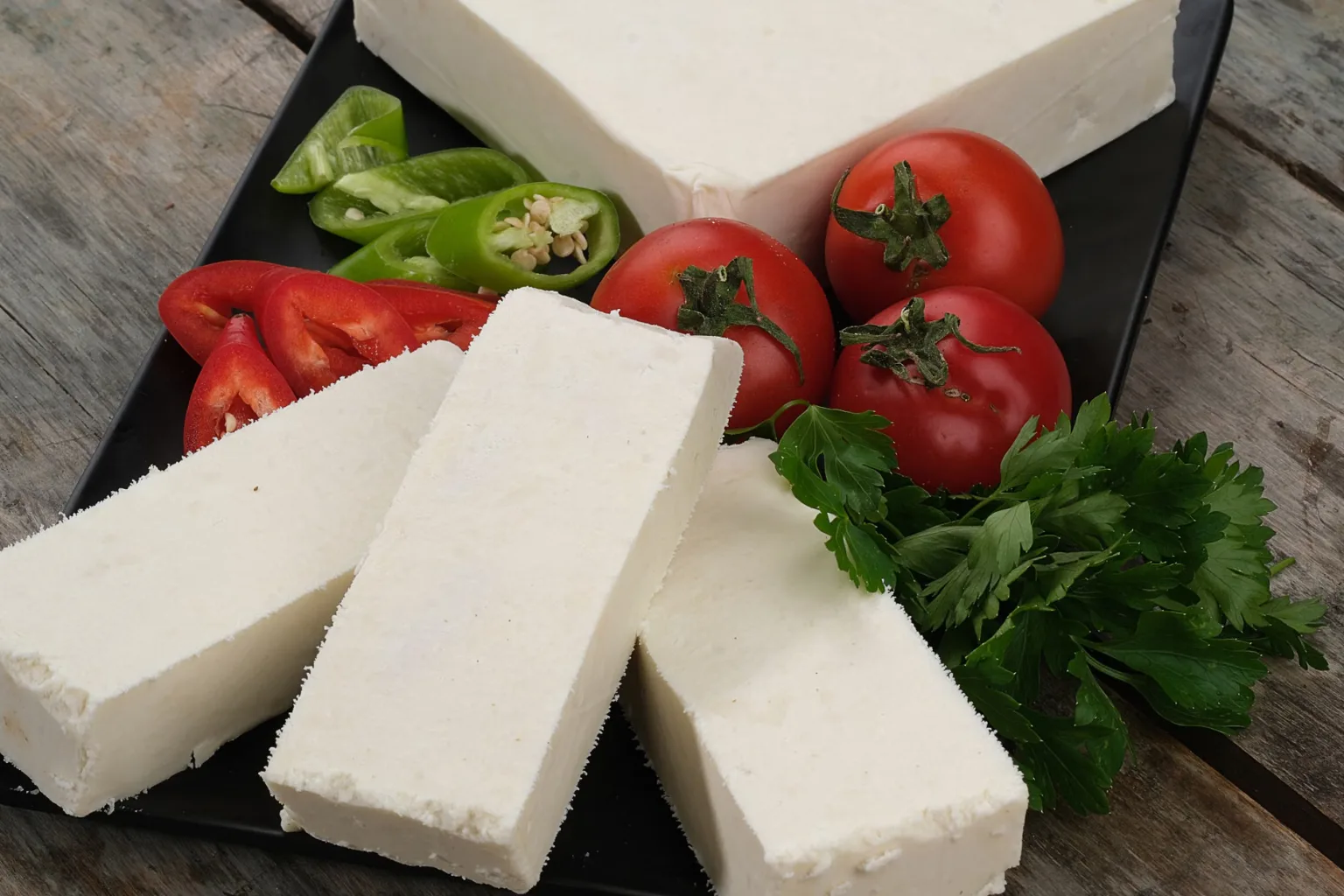
Paraguayan cheese, also called kesú paraguai, is a fresh Paraguayan cheese made from curdled cow's milk. It is described as a soft cheese, usually white, with a mild flavor that may be slightly tangy and low in salt or unsalted, depending on how it is made. Individual cheeses can vary: a very fresh one may be more creamy and delicate, while one that has aged for a time may become firmer and develop a stronger aroma. It is a familiar ingredient in Paraguayan preparations such as chipa, sopa paraguaya and mbejú, and is also served in slices or cubes.
When to use it
Use it when you want a mild fresh cheese in Paraguayan dishes, especially chipa, sopa paraguaya or mbejú. It can also go into empanadas and tortillas, or be served at breakfast or as a snack with bread, cassava or mate cocido. If the cheese is very fresh and soft, serve it on its own or with guava paste or cane syrup. Its firmness, aroma and tang may change over time, so choose how to use it according to the condition of the piece and the result you want.
How to use it
Cut the cheese into slices or cubes for serving, or crumble it into mixtures and fillings. In chipa, sopa paraguaya and mbejú, use it as the fresh cheese specified by the recipe and distribute it evenly so the flavor reaches each portion. Handle a soft piece gently; a firmer one is easier to slice or crumble. For a simple snack, pair it with bread or cassava, or try a sweet combination with guava paste or cane syrup. Season the dish to taste at the end: the cheese may be only lightly salted, unsalted or different from one maker to another.
Flavour and texture
Its usual profile is mild, slightly tangy and low in salt, although production varies. Fresh cheese can feel soft and creamy; over time it may become firmer, somewhat greasy and more aromatic. Its described color ranges from white to ivory.
How to choose it
Look for cheese labeled Paraguayan cheese or kesú paraguai, and ask when it was made if that information is available. A fresh piece may be soft and pale; a firmer texture or stronger aroma can reflect changes over time. Saltiness and tang vary, so ask about the flavor profile if your recipe depends on a particular result.
Storage
This is a fresh cheese, and its texture and aroma can change over time. Check the package's storage instructions, or ask the seller for guidance when buying an unlabelled piece. Avoid leaving it exposed for a long time and follow the storage directions given for that product. Do not treat any single shelf-life figure as universal: the available descriptions note variation but do not establish one storage period for every cheese.
Substitutions
Queso cuartirolo is mentioned as a similar option. You can also look for another mild, soft fresh cow's-milk cheese, bearing in mind that tang, salt and moisture may differ and change the result. Try a small amount first and adjust the recipe's seasoning.
Common mistakes
Do not assume every piece has the same salt level, tang or firmness. A stronger aroma or firmer texture can develop over time and does not describe every freshly made cheese. Avoid replacing it with a strongly flavored cheese without adjusting the amount and seasoning of the dish.
Safety and allergens
Contains milk. This is a fresh cheese: check the package's storage instructions and date, or ask the seller for this information if it is unlabelled.
Culinary uses
- ingredient for traditional Paraguayan dishes
- table cheese for snacks and simple desserts
Recommended techniques
- crumble or break into small pieces
- slice or cut into cubes
- mix into batters and fillings
Pairs well with
- chipa, sopa paraguaya and mbejú
- bread, cassava and mate cocido
- guava paste or cane syrup
Frequently asked questions
What does Paraguayan cheese taste like?
It is generally mild and slightly tangy, with little or no salt. Its flavor can vary with the maker and the time since it was made.
What dishes use Paraguayan cheese?
It is used in chipa, sopa paraguaya, mbejú, empanadas and tortillas. It can also be served with bread, cassava or mate cocido.
What can I use instead?
Queso cuartirolo is described as similar. A mild, soft fresh cow's-milk cheese is another option; adjust the salt and expect some difference in texture.
Sources and review
Automatically researched, cross-checked and validated content. Sources consulted:
- Client Challenge doi.org
- The Essential Glossary of Cooking Terms for the Culinary Arts - Escoffier escoffier.edu
- Cookbooks and Reading Suggestions - UNT Food Pantry - Guides at University of North Texas guides.library.unt.edu
- Chef Greg Proechel at Debjo | Institute of Culinary Education ice.edu
- GCU Dining: Campus Dining Options in Phoenix, AZ gcu.edu
- 10 Essential Cooking Tips to Improve Kitchen Skills northbridge.edu
- Mariano Moreno Culinary Institute | EN mmci.edu
- Queso Paraguay: tradición, identidad y sabor nacional – Quesos Rody rody.com.py
- Queso Paraguay / kesú paraguai - Mundoquesos mundoquesos.com
- Agroalimentaria Paraguay | Industria, Agro y Alimentos - El Queso con su variedad de usos y sabores agroalimentaria.com.py
- Cómo Hacer Queso Paraguay Casero: Receta Fácil y Tradicional comidasparaguayas.com