- Category
- Vegetables
- State
- Fresh
- Usual unit
- unit
What it is
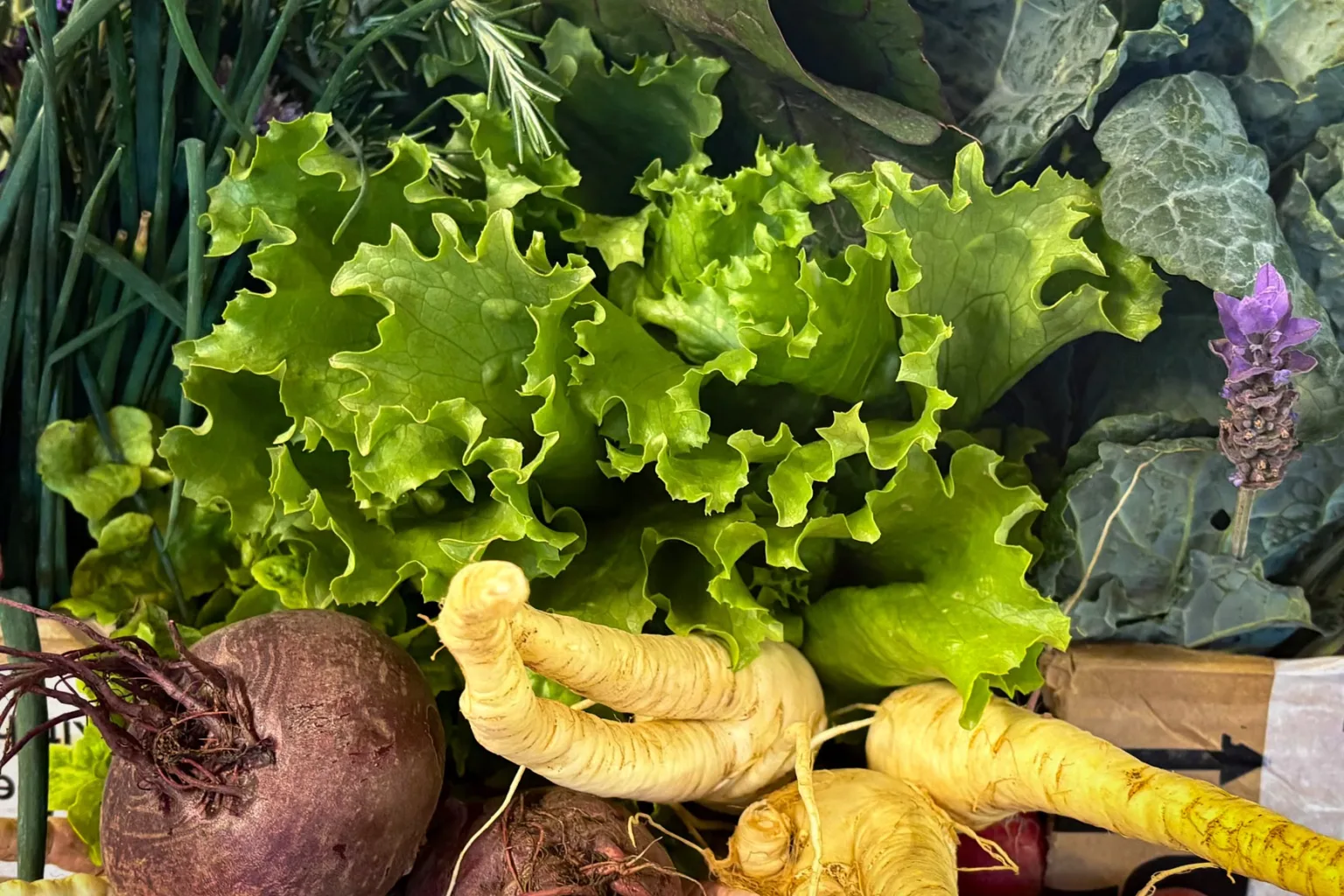
Parsnip, also called Pastinaca, is the edible root of Pastinaca sativa. It is usually long and tapered, with cream-to-beige skin. It may look like a pale carrot, but it is a different root vegetable with a sweeter, more complex flavor and earthy, lightly anise-like notes. Parsnip can be eaten raw or cooked. In the kitchen, it works in soups, stews, and purées, and can also be served roasted as a side dish. Its texture and flavor allow it to add body to a preparation or share the spotlight with other roots. Individual roots vary in size and appearance; larger ones may have thicker, firmer skin and a less delicate texture, so inspect them and trim any damaged areas before cooking.
When to use it
Use parsnip when you want to bring gentle sweetness, aroma, and body to a soup, broth, stew, or purée. It also works roasted or baked as a side dish, either on its own or with other vegetables. For a fresher contrast and some crunch, grate it or cut it into fine strips for a salad. Its sweet, lightly anise-like character pairs well with apple, pear, and thyme, and it can be included in vegetable dishes with carrot, celery, or fennel. Choose the cut to suit the result: small pieces blend readily into soups and purées, while larger pieces remain distinct when served as a side. The root can be the main ingredient or one part of a mixed vegetable dish.
How to use it
Before preparing parsnip, rinse it under running water and scrub away any soil. Trim the ends and inspect the root; if the skin is thick or firm, peel it thinly, and remove dark or soft spots. To eat it raw, grate it or slice it very thinly and add it to a salad. For a hot dish, cut it into evenly sized pieces and boil, steam, roast, or bake until it reaches the texture you want. Add it to soups or stews for body, or blend it on its own or with potato for a purée. It can also be served roasted as a side and seasoned with herbs. Match the cut to the recipe: similar-sized pieces cook more evenly. There is no single cooking time, since the result depends on the size of the pieces and the method used.
Flavour and texture
Parsnip tastes sweet and mild, with earthy notes and an aroma that can be faintly reminiscent of anise. Its flavor is often more pronounced than carrot, so it can remain noticeable in a mixed soup or purée. Raw, it can be grated or cut into fine strips to add bite to a salad. Cooked, it softens and adds body; roasting or baking brings out a more pronounced sweetness and a tender texture. The size and condition of the root affect the result: larger parsnips may be firmer or more fibrous.
How to choose it
Choose roots that feel firm and do not have soft areas, extensive dark spots, or visible damage. The skin may range from cream to beige, and roots vary in size. Larger parsnips can have thicker, firmer skin; for a more delicate texture, choose smaller or medium roots when available. Check the ends as well and avoid roots with deteriorated areas. Do not mistake a pale parsnip for a white carrot: they are different roots with distinct flavor profiles.
Storage
The available evidence does not establish a specific storage period or set of conditions for fresh parsnips. To protect quality, avoid buying damaged or soft roots and follow any storage directions provided on the package or by the retailer. Once cut or peeled, handle the root with clean utensils and use it promptly; do not leave prepared vegetables exposed for long periods. Wash the root before using it, rather than before storing it, to avoid adding unnecessary moisture during storage.
Substitutions
Carrot can stand in for parsnip in soups and root-vegetable dishes, though its flavor is milder and less anise-like. In a purée, potato can replace some of the parsnip or be combined with it for a more neutral result. These swaps change the flavor and texture, so adjust the amount according to the role parsnip plays in the recipe. They are not exact replacements, especially when parsnip is the main ingredient.
Common mistakes
Do not assume a large parsnip will have the same texture as a small one; it may be firmer or more fibrous. Check for dark or soft areas, and avoid cutting pieces in very different sizes if you want them to cook evenly. For salads, grate the root or cut it finely so it is easier to eat raw. Do not treat parsnip as an exact equivalent of carrot: its sweetness and lightly anise-like notes can change the balance of a dish.
Safety and allergens
Rinse parsnip under running water before preparation and remove damaged areas. Use clean utensils and a clean work surface, especially when serving it raw. No home-canning method for this root is provided here; use a tested recipe specifically intended for parsnips rather than an improvised adaptation.
Culinary uses
- root vegetable
- soup and purée ingredient
- side dish
Recommended techniques
- eat raw, grated or finely sliced
- boil or steam
- roast or bake
- purée
Pairs well with
- apple and pear
- thyme and walnuts
- carrot, celery and fennel
Frequently asked questions
Can parsnip be eaten raw?
Yes. Wash it, then grate it or cut it into fine strips for a salad. If the skin is thick or firm, peel it thinly.
Does parsnip need to be peeled?
Not always. Scrub small, tender roots well; if the skin is thick or firm, peel it thinly and remove dark or soft spots.
What can I make with parsnip?
Add it to soups, stews, and purées, roast or bake it as a side, or grate it raw into a salad.
Estimated nutrition
- Fat
- 0.3 g
- Saturates
- 0.05 g
- Carbohydrate
- 17 g
- Sugars
- 4.8 g
- Fibre
- 3.6 g
- Protein
- 1.32 g
- Salt
- 0.02 g
Sources and review
Automatically researched, cross-checked and validated content. Sources consulted:
- Client Challenge doi.org
- Vamos a Conservar Alimentos: Raíces comestibles: remolachas, zanahorias, nabos y colinabos extension.psu.edu
- Paisajes Comestibles-Sostenibles | Integrated Pest Management | College of Agriculture, Health and Natural Resources | University of Connecticut ipm.cahnr.uconn.edu
- Glimpses of an 18th century Colonial Kitchen in Manila archium.ateneo.edu
- Sevin 16oz Concentrate Label v20 ucanr.edu
- Healthy Eating Plan for Weight Management med.uc.edu
- Uses Selection Try It! fonddulac.extension.wisc.edu
- April garden calendar | Servicio de Extensión de OSU extension.oregonstate.edu
- veggie bite parsnips handout.pub polk.extension.wisc.edu
- Chirivía: qué es, propiedades y usos en la cocina bonviveur.com
- Blog · CSA Vega de Jarama csavegadejarama.org
- ¿Qué es la Chirivía? - Propiedades y beneficios - Trevijano trevijano.com
- Chirivía y zanahoria: historia de dos raíces que comparten origen, pero no destino margavilan.substack.com
- Chirivía, cruda (¿orgánica?) | Fundación G+E diet-health.info
- ¿Qué es la chirivía? [Propiedades+ receta] boroa.com