- Category
- Meat
- State
- Fresh
- Usual unit
- kg
What it is
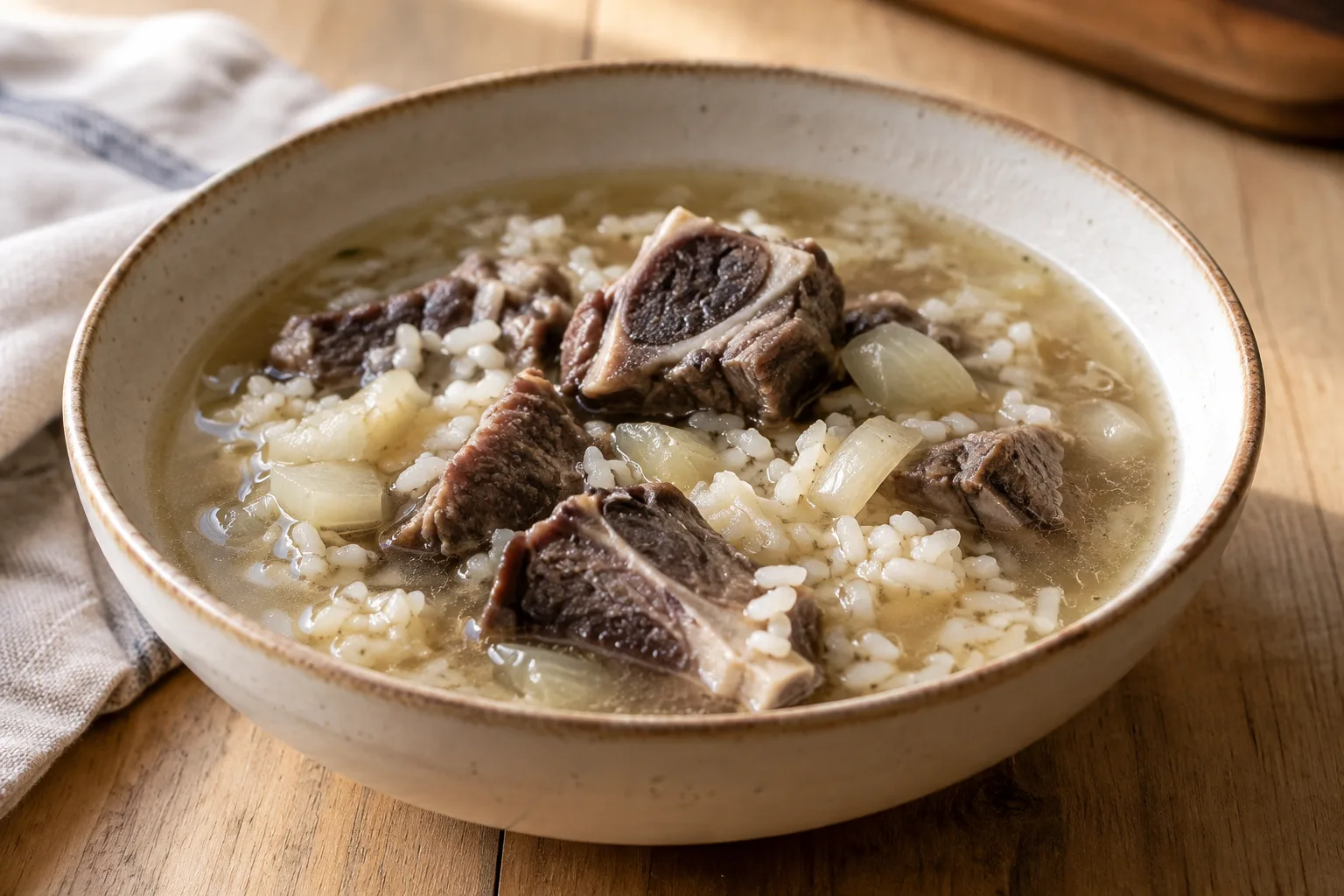
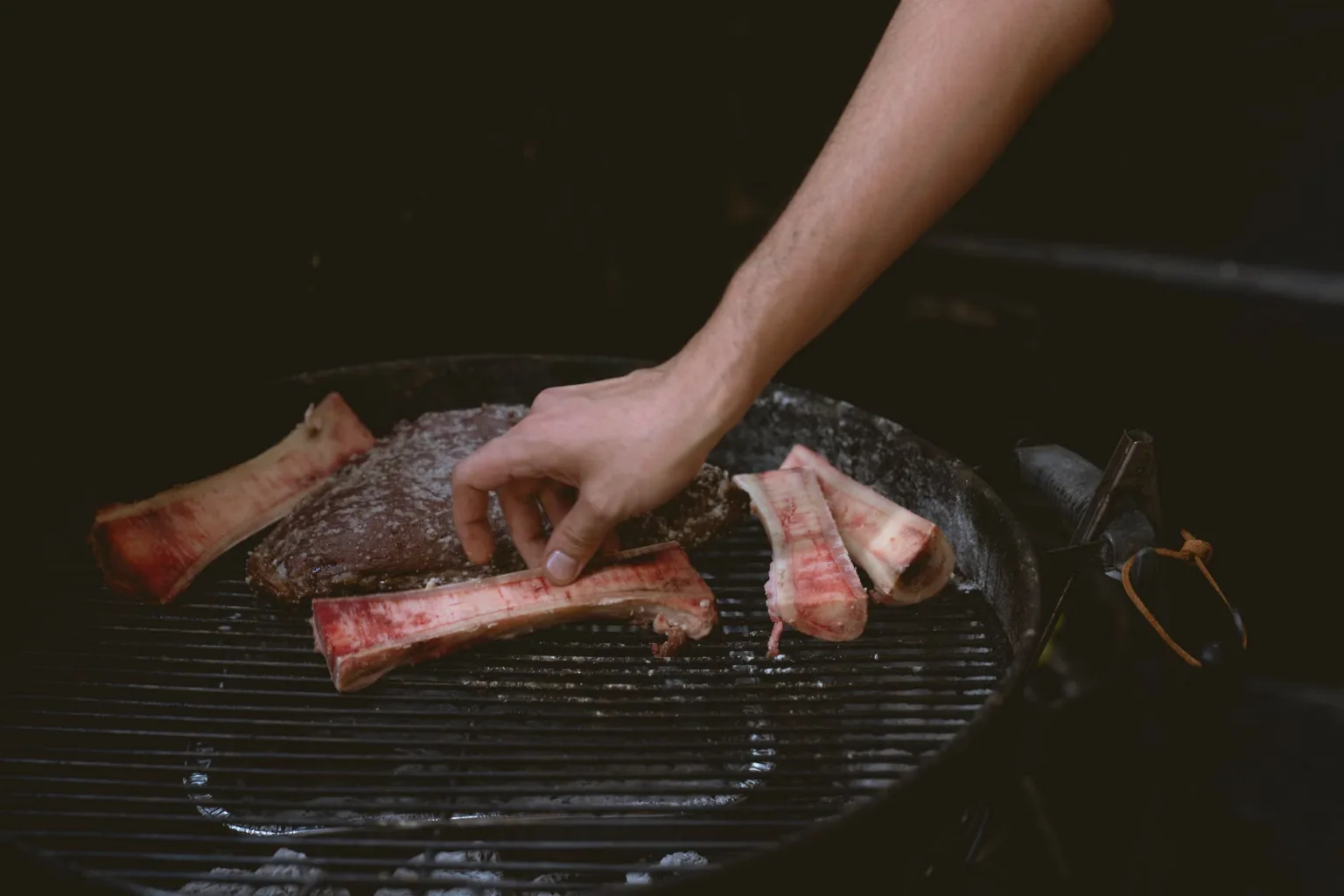
Bone-in seal meat comes from a marine mammal and is presented in pieces that retain some bone. It is not a uniform product: the animal, cut, and processing can affect its appearance, texture, and intensity. Available descriptions characterize it as dark, dense, and strongly flavored, with notes some people perceive as spicy or slightly iodine-like. Some preparations boil or roast it; stewing and grilling have also been described. Because the pieces contain bone, serve them carefully and check for loose fragments. Commercial availability and applicable rules vary by market, so do not assume that sale or import is permitted where you live.
When to use it
Use it when you want a cooked dish with a deep, distinctive flavor and have a cut whose source and sale are legal in your area. Bone-in pieces may suit moist cooking, such as stewing or gentle simmering, and roasted preparations have also been described. Its flavor has its own character, so simple accompaniments can work better than assertive additions. Before planning a meal, confirm which cut you have, how much usable meat it provides, and whether the seller supplies storage and cooking instructions. It is not a direct substitute for every meat, and its seasonality cannot be generalized from the available information.
How to use it
Keep the piece in its packaging until preparation and follow the supplier’s storage and preparation instructions. If they are unavailable, consult official food-safety guidance in your area. For a bone-in piece, moist cooking such as boiling or stewing is a practical option; roasting or grilling may also suit the cut. Follow cooking instructions that apply to the product and avoid improvising times or temperatures. When serving, separate the bones carefully and check portions for fragments. A mild side dish can balance the meat’s strong flavor.
Flavour and texture
It is described as dark and dense, with a pronounced taste; some descriptions note spicy or slightly iodine-like qualities. Texture can vary by cut and preparation. Do not assume it tastes like fish: its character is described as distinctly meaty, and the bones call for careful eating.
How to choose it
Buy only from a supplier who can explain the product’s origin and confirm that it is legally sold in your area. Ask for the cut name, storage method, and preparation instructions. Check that the packaging is intact and that the label explains how to keep the product. Rules and trade exceptions can differ between countries and change over time; do not rely on outdated information or assume that a product’s presence in a shop proves its sale is lawful.
Storage
Keep the meat in its packaging and follow the seller’s or label’s instructions; the available information is not enough to recommend a specific storage time or temperature for seal meat. If clear instructions are missing, consult official local food-safety guidance before storing or preparing it. Keep the product under the conditions specified with the purchase.
Substitutions
Venison or duck breast may work as alternatives in a recipe calling for a strongly flavored meat, but neither exactly reproduces seal meat’s flavor or texture. Adapt the preparation to the cut and follow instructions relevant to the substitute. If the recipe relies on bone-in pieces, choose a suitable bone-in alternative or adjust the cooking method.
Common mistakes
Do not assume every cut has the same flavor, texture, or amount of usable meat. Avoid improvising cooking times or temperatures, or leaving bone fragments in a serving. Do not assume sale or import is legal without checking the current rules in your area.
Safety and allergens
Buy meat from a legal, traceable source. Follow the supplier’s or label’s instructions for storage and cooking; if they are unclear, consult official guidance in your area. When serving, check portions and carefully remove bone fragments.
Culinary uses
- main-course protein
- ingredient for stew or braise
Recommended techniques
- simmering or boiling
- roasting
- grilling
Pairs well with
- mild or earthy accompaniments
- cocoa-based sauce
Frequently asked questions
What does seal meat taste like?
It is described as dark and strongly flavored, with possible spicy or slightly iodine-like notes. Flavor and texture vary with the cut and preparation.
How can I cook it on the bone?
Boiled, stewed, and roasted preparations have been described. Moist cooking may be practical for a bone-in piece; follow suitable preparation instructions and check servings for bone fragments.
Can I buy seal meat in any country?
Not necessarily. Sale and import rules vary by location and can change. Check current requirements and traceability with a reliable supplier.
Estimated nutrition
- Fat
- 25.1 g
- Saturates
- 3.92 g
- Carbohydrate
- 0 g
- Sugars
- 0 g
- Fibre
- 0 g
- Protein
- 35.3 g
- Salt
- 0.3 g
Sources and review
Automatically researched, cross-checked and validated content. Sources consulted:
- FATORES DE CONVERSÃO PARA ESTUDOS DE EFICIÊNCIA ENERGÉTICA AGROECOLÓGICA NO SEMIÁRIDO BRASILEIRO | OpenAlex openalex.org
- Comité Científico aesan.gob.es
- No todo es carne y hueso: los materiales con los que la medicina repara el cuerpo humano - Fundación Muy Interesante doi.org
- La mejor carne de foca de España lavanguardia.com
- Comer carne de foca es vital para mi comunidad vice.com
- Venta de carne de foca en Europa en breve | Gastronomía & Cía gastronomiaycia.com
- Antes de ir a YouTube youtube.com
- Cocina Inuit: Supervivencia y Tradición en el Ártico | Remitly remitly.com
- La carne de foca se impone en los menús de Quebec pese a las críticas a su caza elperiodico.com
- 12 delicias alimentarias que a ti te harían vomitar | El blog de viajes de Paco Nadal | El Viajero | EL PAÍS elpais.com
- Los mejores maridajes para tus recetas de temporada | Sierra Wild sierra-wild.com
- Técnicas para cocinar caza debic.com
- Cómo cocinar carnes exóticas para mantener su sabor original latitudes.es