- Category
- Fish and seafood
- State
- Fresh
- Usual unit
- g
What it is
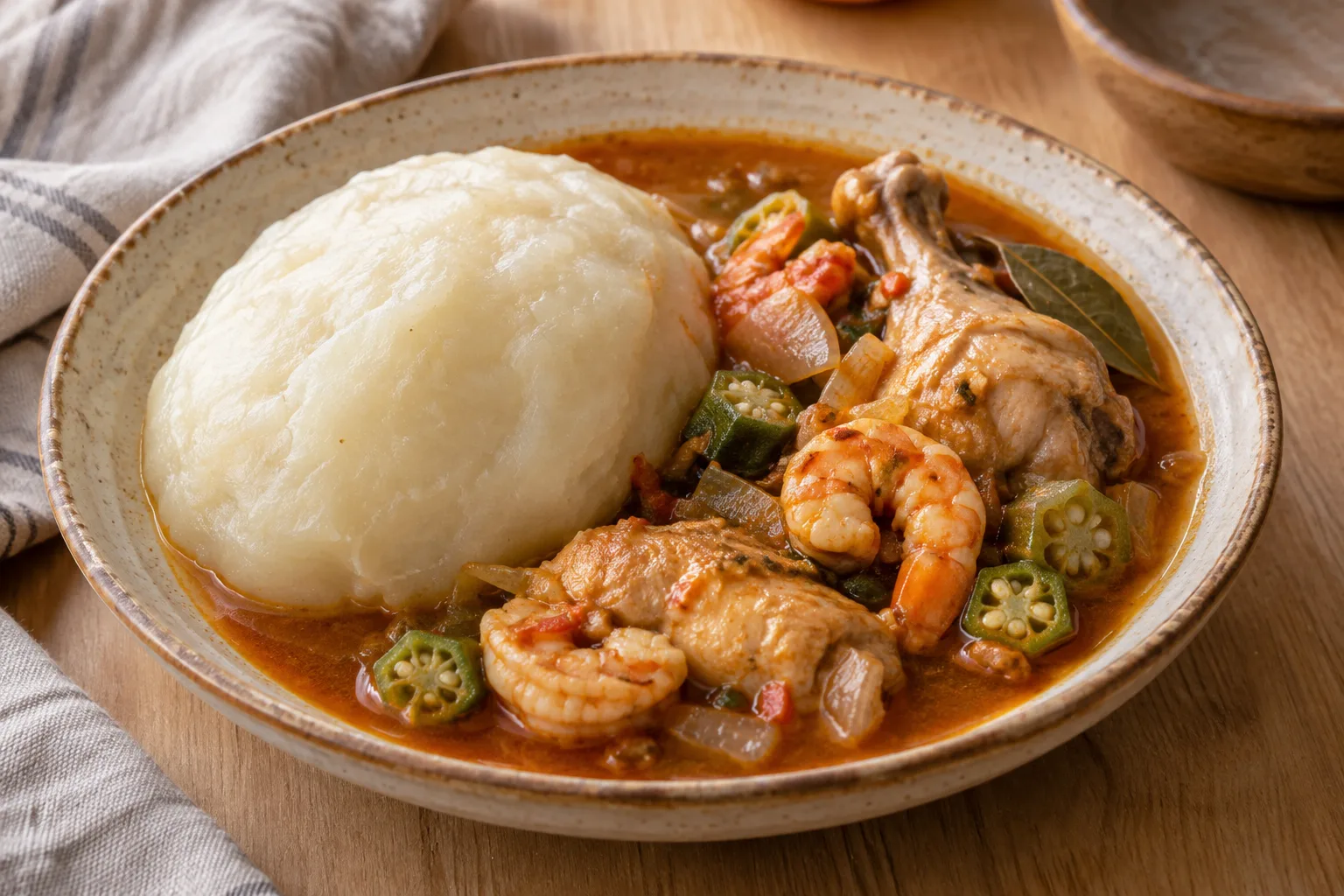
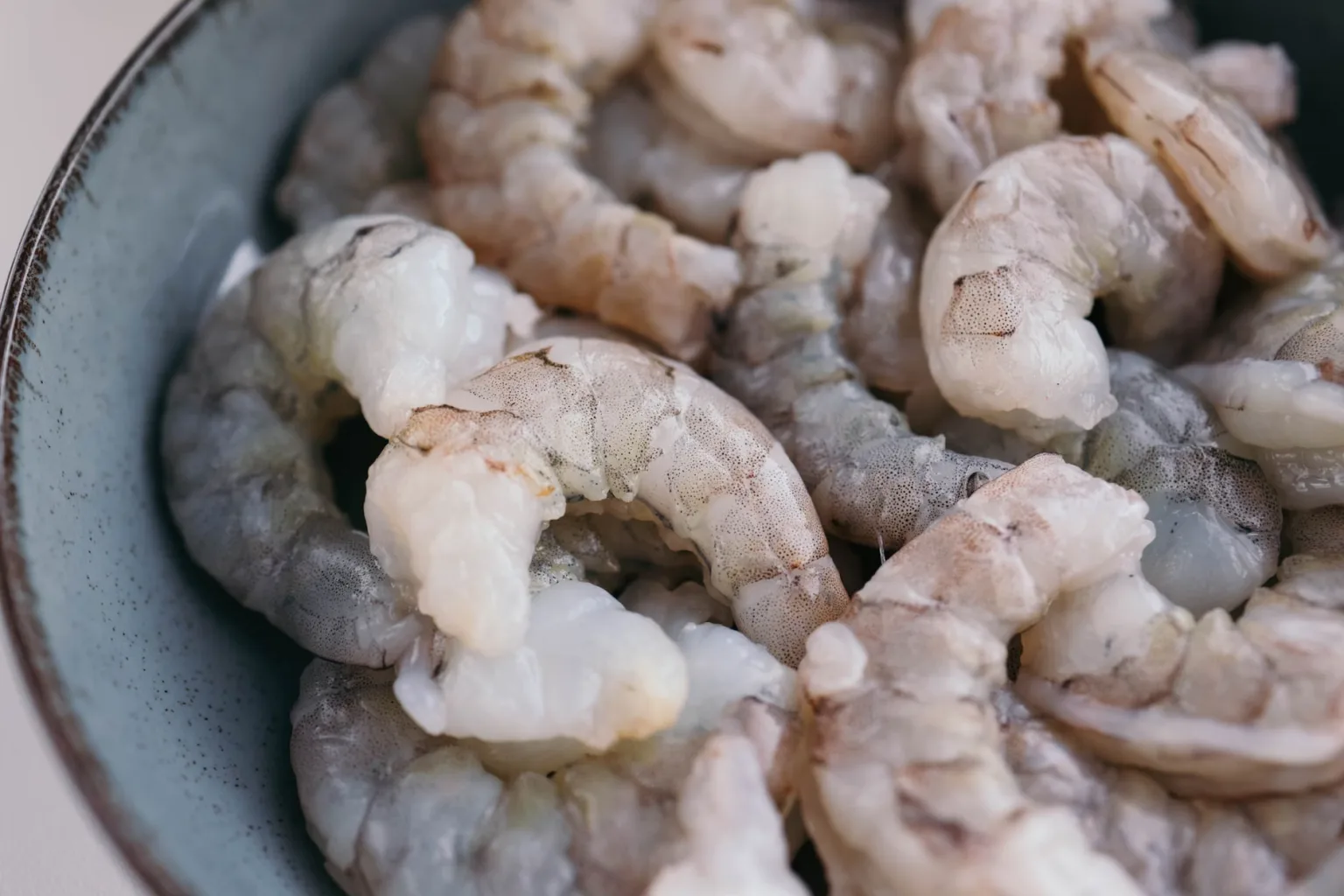
Shrimp are edible crustaceans sold in different sizes and in either raw or cooked form. This profile focuses on fresh shrimp: check the package or ask the seller to confirm their state, since raw and already-cooked products should not automatically be treated alike. Shrimp can be served as the main ingredient or included in seafood preparations, including seafood paella. A familiar preparation combines shrimp with garlic. Size and presentation vary, so choose with the intended dish in mind and follow the directions for the specific product you have.
When to use it
Choose shrimp when you want seafood to be the focus of a dish or want to add it to a seafood preparation. Shrimp can be part of paella or served in a simple combination with garlic and olive oil. Before choosing a recipe, check whether they are raw or cooked and consider the size and form available; these differences can affect how they fit into a preparation. If the label does not clarify their state, ask the seller rather than assuming they are ready to eat. Follow the product directions and adapt the preparation to the dish you plan to make.
How to use it
Check whether the shrimp are raw or cooked and follow the directions for that product; do not assume both forms need the same treatment. For a simple preparation, you can sauté them with garlic, as in garlic shrimp. You can also add them to a seafood preparation such as paella, following the recipe and taking their size and cooking state into account. If they are already cooked, do not automatically use the same procedure as for raw shrimp. Handle and store the product according to its package directions, and consult official food-safety guidance in your area for instructions that are not provided there.
Flavour and texture
Shrimp flavor and texture can vary with size, presentation and whether they are sold raw or cooked. Check which product you have before deciding how to use it, and follow its directions rather than assuming every shrimp needs the same treatment. Garlic is a familiar pairing in garlic-shrimp preparations; olive oil also works in a simple preparation with garlic. In seafood dishes, shrimp can be combined with other ingredients.
How to choose it
Choose a product whose label or presentation makes clear whether the shrimp are raw or cooked; ask the seller if it is unclear. Read the package directions before deciding how to use them. Sizes and forms vary, so consider the dish you plan to make and select a format that suits it. Avoid shrimp with an unusual smell, especially one reminiscent of ammonia, and consult official food-safety guidance if you are unsure.
Storage
Store shrimp according to the package directions and the official food-safety recommendations that apply in your area. The information here does not establish a specific storage time or temperature for every form, so do not infer one or substitute a guess. If the package does not give enough direction, consult official guidance before storing or using the shrimp. Smell should not be your only way to decide whether a product is safe.
Substitutions
Another seafood ingredient may play a similar role in some preparations, but it should not be presented as an exact substitute: flavor and texture may change. Choose an alternative that fits the dish and the preferences of the people eating. If there is no suitable replacement, adapt the recipe without shrimp rather than assuming another ingredient will give the same result. Shrimp are crustaceans, so check allergen information for any alternative as well.
Common mistakes
Do not assume shrimp are raw or cooked: check the package and adapt the recipe to the product. Do not ignore an unusual smell, particularly one like ammonia, but do not use smell as the only safety test either. Another seafood ingredient will not necessarily have the same flavor, texture or allergen information. Follow the product directions and do not guess at storage or cooking times and temperatures.
Safety and allergens
Shrimp are crustaceans and may be relevant to people with shellfish allergies; check the product’s allergen information. For home canning seafood, the available guidance identifies pressure canning as the only safe method for this type of food. For ordinary handling and preparation, follow the package and official food-safety recommendations in your area; do not apply canning instructions to other methods.
Culinary uses
- Main ingredient in seafood dishes
- Seafood component in mixed dishes such as paella
Recommended techniques
- Sautéing with garlic
- Adding to a seafood dish such as paella
Pairs well with
- Garlic
- Olive oil
Frequently asked questions
Are shrimp sold raw or cooked?
They may be available in either form. Check the label or ask the seller before deciding how to prepare them.
What flavors go well with shrimp?
Garlic is a familiar pairing in garlic shrimp, and olive oil can also be used in that preparation.
What should I check when buying shrimp?
Check whether they are raw or cooked, choose a size and form suited to the dish, and avoid shrimp with an unusual smell, especially one reminiscent of ammonia.
Estimated nutrition
- Fat
- 1.79 g
- Saturates
- 0 g
- Carbohydrate
- 0 g
- Sugars
- 0 g
- Fibre
- 0 g
- Protein
- 25 g
- Salt
- 1.39 g
Sources and review
Automatically researched, cross-checked and validated content. Sources consulted:
- Client Challenge doi.org
- The Essential Glossary of Cooking Terms for the Culinary Arts - Escoffier escoffier.edu
- Nutrition After Your Transplant - Health Online healthonline.washington.edu
- revista del - Comité Científico aesan.gob.es
- Chef Pati Jinich returns for the university's Ven a Comer celebration - UT San Antonio Today news.utsa.edu
- Assessing Food Access in Oregon's Willamette Valley pdxscholar.library.pdx.edu
- ¿Qué son los camarones secos y su uso? – Kwan Homsai kwanhomsai.com
- Camarones: todo lo que necesitas saber - Compesca compesca.com
- Home food preservation | OSU Extension Service extension.oregonstate.edu
- Escaping Winter's Chill with Mediterranean Cooking at ICE | Institute of Culinary Education ice.edu
- 12$Articulo Camaron RETES - AgEcon Search ageconsearch.umn.edu
- - YouTube youtube.com