- Category
- Vegetables
- State
- Fresh
- Usual unit
- unit
What it is
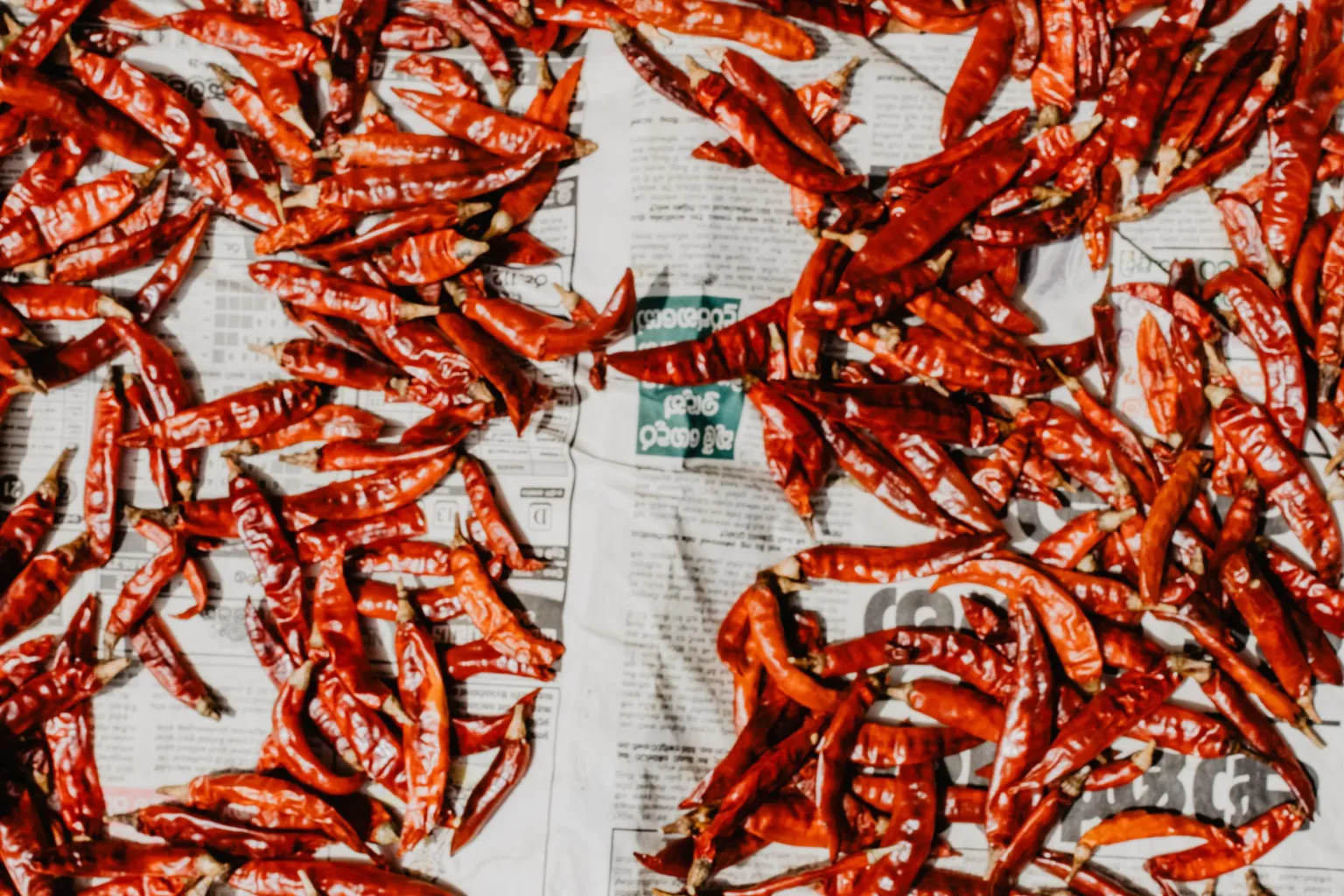
Small red chilies are fresh fruits from the Capsicum genus, a group of plants in the nightshade family. The common name does not identify a single species or cultivar, so chilies sold under this description can differ in shape, flavor, and heat. Some are very hot, while others are milder; red color alone cannot establish how hot a particular chili will be. In the kitchen, use them whole, chopped, or sliced, raw or cooked, to add flavor and pungency. They can also be frozen, pickled, or dried for longer storage. This profile is about fresh chilies, not dried chilies or ground paprika.
When to use it
Use them when you want to add chili heat and flavor to salsa, soup, stew, a stir-fry, or pasta. Because heat varies and the common name does not specify a particular type, start with a small amount and taste before adding more. Raw chilies bring a direct, fresh bite; cooked chilies blend into the dish. If you mainly want color or bulk rather than heat, a sweet pepper may be a better fit.
How to use it
Rinse the chilies under cold running water and dry them before cutting; soaking is not necessary. Remove the stems and chop or slice them to add raw to salsa or other dishes. For cooked dishes, add them to soups, stews, stir-fries, or sauces, adjusting the amount to the heat you want. Since heat differs among types and individual chilies, begin with a little and taste the dish before adding more. When handling hot chilies, wear gloves and avoid touching your face. If you do not wear gloves, wash your hands thoroughly with soap and water before touching your eyes or face.
Flavour and texture
Flavor and heat depend on the chili type and individual fruit; neither can be determined precisely from size or color alone. Fresh chilies have a fleshy texture and can be chopped or sliced. When cooked, they become part of sauces and hot dishes. For a milder result, choose a mild type or use sweet pepper instead.
How to choose it
Choose chilies that feel firm and show no visible damage or signs of disease or spoilage. Color varies among types and is not a reliable guide to heat on its own. Since “small red chili” does not specify a variety, ask which type is available if you need a particular level of heat. Select fresh-looking chilies and avoid those that are shriveled or damaged.
Storage
Keep fresh chilies refrigerated and use them while they remain firm and free of signs of spoilage. Storage life can vary with the produce and storage conditions. For longer keeping, chilies can be frozen, pickled, or dried. Rinse them under running water before preparation, and use clean surfaces and utensils.
Substitutions
Replace them with another fresh chili, adjusting the amount because heat varies among types and individual chilies. A sweet red pepper can provide color and bulk, but it will not replace the heat. If a recipe depends on chili pungency, add the substitute gradually and taste before serving.
Common mistakes
Do not assume that every small or red chili has the same heat: the common name does not identify a single variety. Avoid adding a large amount at once if you do not know its intensity; start small and taste. Fresh chilies are also different from dried chilies and ground paprika, so do not treat them as identical ingredients.
Safety and allergens
Rinse chilies under running water before preparation and use clean utensils and surfaces. Wear gloves when handling hot chilies and avoid touching your face. If you do not wear gloves, wash your hands thoroughly with soap and water before touching your eyes or face.
Culinary uses
- Add fresh chili heat and flavor to salsa
- Season soups, stews, stir-fries, and pasta
Recommended techniques
- Serve raw, chopped or sliced
- Cook in soups, stews, stir-fries, or sauces
- Freeze, pickle, or dry for longer storage
Pairs well with
- Tomato-based salsa
- Soups and stews
- Stir-fries and pasta dishes
Frequently asked questions
Are all small red chilies very hot?
No. Types and heat levels vary, and color and size alone do not establish how hot an individual chili is.
How can I use fresh chilies?
Chop them raw into salsa, or add them to soups, stews, stir-fries, and pasta dishes.
How can I keep chilies for longer?
As well as refrigerating them, you can freeze, pickle, or dry chilies.
Sources and review
Automatically researched, cross-checked and validated content. Sources consulted:
- Ingredientes para Recetas de Salsa (Spanish) - National Center for Home Food Preservation nchfp.uga.edu
- Client Challenge doi.org
- Pimentón - Wikipedia, la enciclopedia libre es.wikipedia.org
- Capsicum - Wikipedia, la enciclopedia libre es.wikipedia.org
- Agencia Española de Seguridad Alimentaria y Nutrición aesan.gob.es
- Tipos de Chiles Secos Mexicanos: Características y Usos abarrotes.es
- Vamos a Conservar Alimentos: Chiles/Pimientos extension.psu.edu
- Para cocineros en Europa: 12 chiles mexicanos básicos y sus sustitutos – La Condesa lacondesabarcelona.com
- Revista del comité científico de la Aecosan número 27 aesan.gob.es
- Tipos de chile: cuáles son y cómo usar cada uno sin cocinar a ciegas abc.es
- Chiles | Servicio de Extensión de OSU extension.oregonstate.edu
- Chiles rojos | Spanish Translator spanishdict.com
- 188 recetas muy ricas de chili rojo compartidas por cocineros caseros- Cookpad cookpad.com