- Category
- Vegetables
- State
- Fresh
- Usual unit
- unit
What it is
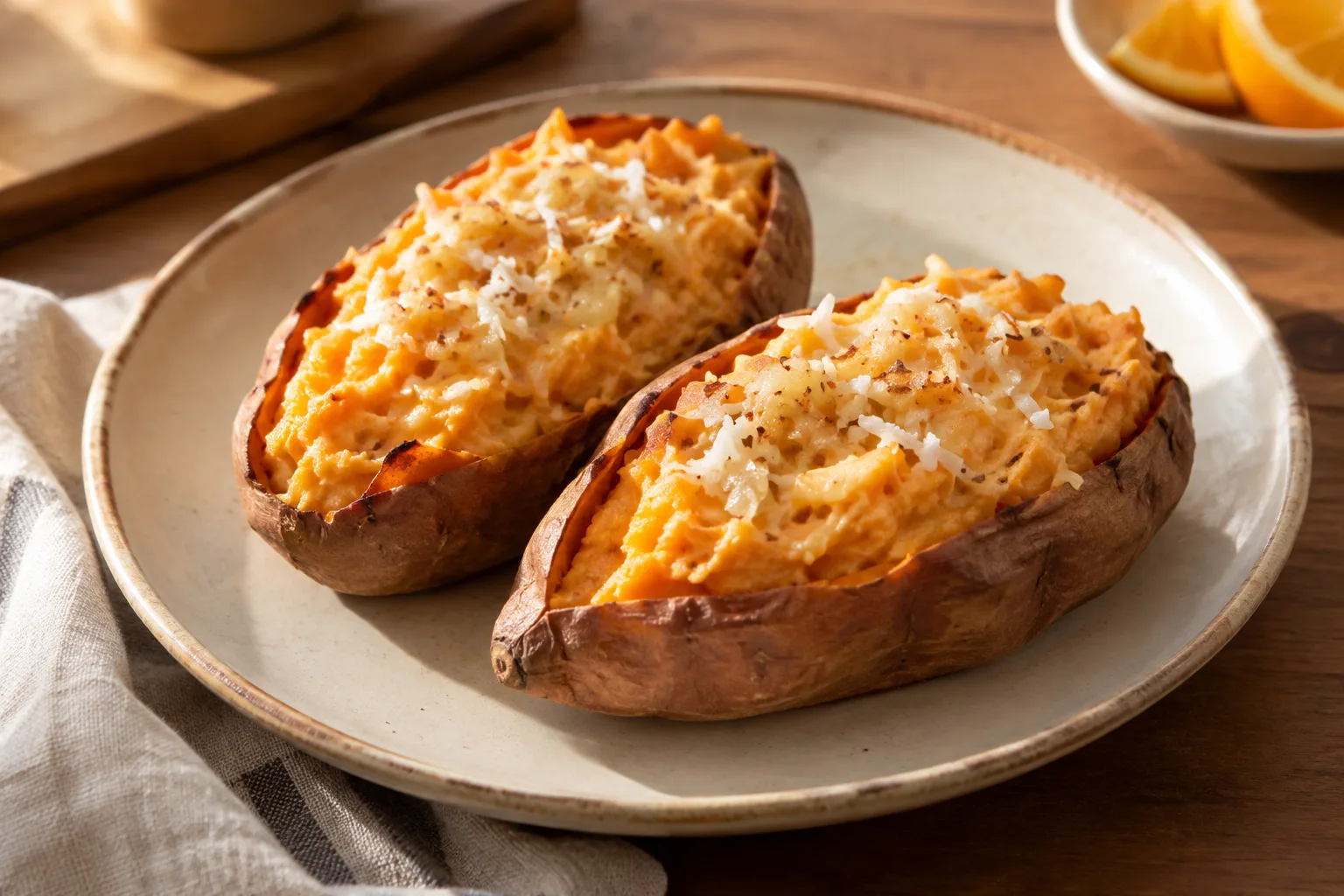
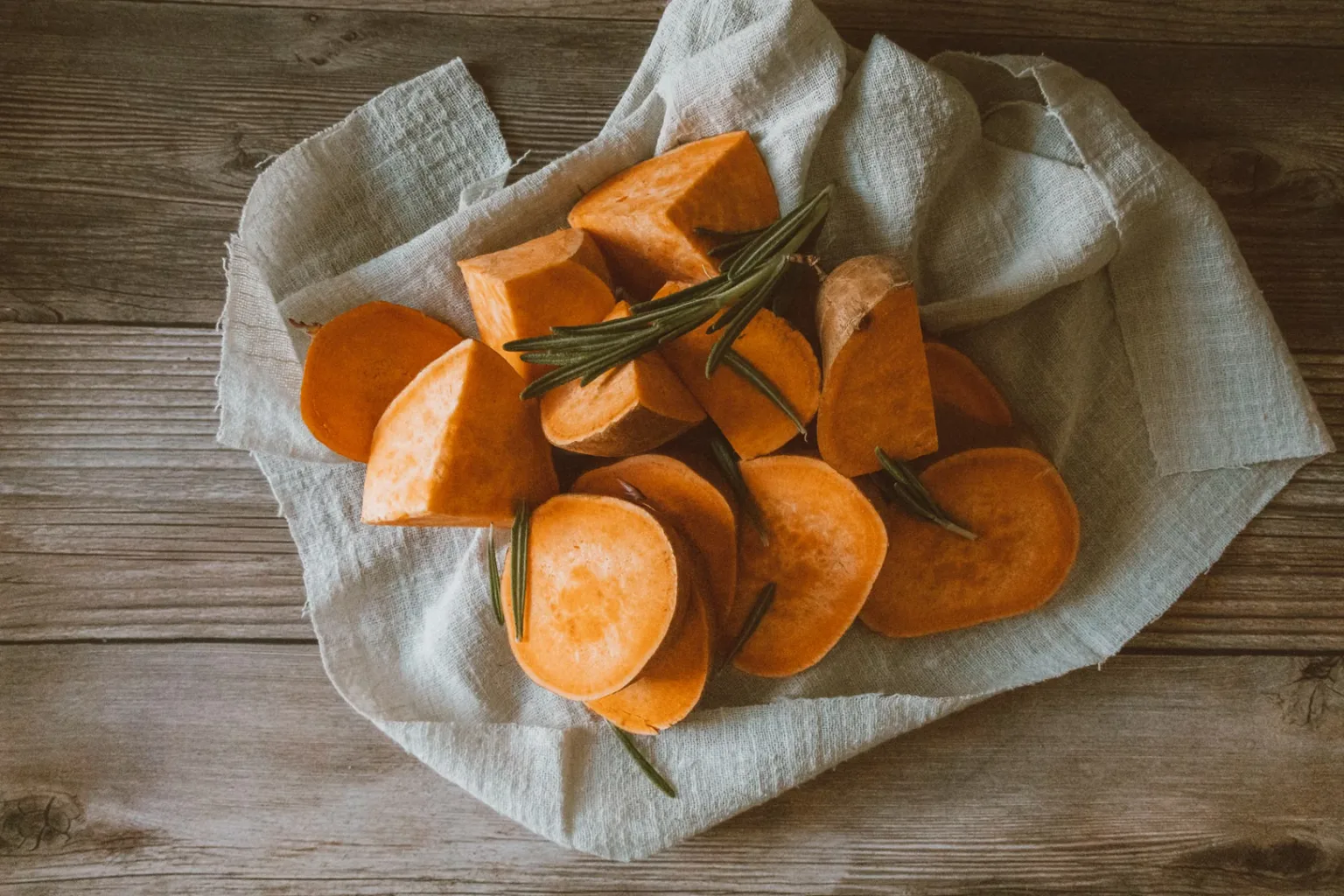
The sweet potato, also known in some regions as a yam or camote, is the tuberous root of Ipomoea batatas. It is not the same as the common white potato, although both can be prepared in similar ways and used as starchy ingredients. Sweet potatoes come in varieties with different skin and flesh colors, including white, yellow, orange, pink and purple. Variety and color can affect sweetness, firmness and the texture of the cooked flesh. A recipe’s name for the ingredient may not tell you which variety it uses, so consider the flesh color and the result you want. Sweet potatoes can be used in savory dishes, side dishes, soups, purées and sweet recipes.
When to use it
Choose sweet potato when you want a tender side with natural sweetness, a soft base for purée, or an ingredient that adds body to soups and stews. Orange-fleshed varieties are often described as sweeter and creamier when cooked, while some pale-fleshed varieties are firmer and less sweet; choosing with these differences in mind can help match the ingredient to the dish. Sweet potatoes also work in desserts such as pies and puddings. If a recipe calls for sweet potato and you have a different variety, you can use it, but sweetness and texture may change. For a savory dish where sweetness is not wanted, white potato is an option, though the finished flavor will be different.
How to use it
Rinse the sweet potato under running water and scrub the surface to remove dirt; peel it or leave the skin on as the recipe requires. Cut it into similar-sized pieces for more even cooking. Roast it whole, sliced or cubed; boil or steam it for salads and stews; or fry it in slices or strips. To make purée, cook the flesh until tender and mash it, then serve it as a side or use it in fillings and baking. You can also add sweet potato to soups and stews, where it softens and contributes sweetness. It pairs well with onion, pepper and garlic, and can be served alongside meat or fish. Adjust seasonings to the variety: a sweeter flesh may need a different balance from one with a more earthy flavor.
Flavour and texture
Sweetness is the defining flavor, but its intensity varies by variety. Flesh may be white, yellow, orange, pink or purple, and cooked texture can range from firm and dry to tender and creamy. Orange-fleshed varieties are often sweet and soft, while some pale-fleshed varieties are less sweet and firmer. Cut size and cooking method also affect the result.
How to choose it
Choose firm roots without soft spots or obvious damage, and select a flesh color that suits the dish. Skin color does not always tell you exactly what the inside will be like, so check the variety or ask at the produce counter when that information is available. A creamier variety may suit purée or a sweet preparation; a firmer one may be more suitable for stews or cuts that should hold their shape.
Storage
Keep fresh sweet potatoes in a clean, dry place, and avoid storing them wet or with dirt still attached. Handle them gently to limit bruising and check them from time to time; separate any damaged pieces if they begin to deteriorate. Once cut or cooked, refrigerate them in a clean, covered container and use them promptly. If the product packaging gives specific storage directions, follow them.
Substitutions
White potato can replace sweet potato in some savory preparations that use cooked, roasted or mashed roots, but the result will be less sweet and have a different texture. You can also swap one sweet potato variety for another; color, sweetness and firmness may vary, so adjust the cut and seasoning to suit the result. Replacing sweet potato with white potato in desserts will noticeably change the flavor.
Common mistakes
Do not assume every sweet potato has the same sweetness or becomes equally creamy: varieties differ in color and texture. Avoid cutting pieces in very different sizes when you want them to cook evenly. Also, do not confuse sweet potato with common white potato; they share some cooking methods, but their flavor and the result in a recipe are not identical.
Safety and allergens
Rinse fresh sweet potatoes under running water before peeling, cutting or cooking, and use clean hands, surfaces and utensils. Remove deteriorated portions and do not eat roots with obvious signs of spoilage. For cut or cooked sweet potatoes, follow package storage directions when applicable and refrigerate leftovers in a clean container.
Culinary uses
- Guarnición
- Base para purés, sopas y guisos
- Ingrediente para preparaciones dulces
Recommended techniques
- Asar u hornear
- Hervir o cocinar al vapor
- Freír
- Hacer puré
Pairs well with
- Cebolla, pimiento y ajo
- Caldo de pollo o de verduras
- Carnes y pescados
Frequently asked questions
Are sweet potatoes, yams and camotes the same?
In many places these names are used for Ipomoea batatas. Regional naming varies, and the roots themselves also come in varieties with different colors and textures.
Can you eat the skin?
The skin can be left on if the recipe allows. Rinse and scrub the sweet potato under running water before preparing it; if you prefer to peel it, wash it first.
How can sweet potatoes be cooked?
They can be roasted, boiled, steamed or fried. You can also mash them, add them to soups and stews, or use them in desserts.
Estimated nutrition
- Fat
- 0 g
- Saturates
- 0 g
- Carbohydrate
- 17.7 g
- Sugars
- 5.38 g
- Fibre
- 3.1 g
- Protein
- 1.54 g
- Salt
- 0.14 g
Sources and review
Automatically researched, cross-checked and validated content. Sources consulted:
- En el etiquetado alimentario hay algunas menciones que son obligatorias eletiquetadocuentamucho.aesan.gob.es
- Client Challenge doi.org
- The Essential Glossary of Cooking Terms for the Culinary Arts - Escoffier escoffier.edu
- El boniato: Historia y origen | Huercasa huercasa.com
- Agencia Española de Seguridad Alimentaria y Nutrición aesan.gob.es
- Vamos a Conservar Alimentos: Papas y Batatas (Camote o Papa Dulce) extension.psu.edu
- Papas y Batatas (Camote o Papa Dulce) (Spanish) - National Center for Home Food Preservation nchfp.uga.edu
- Batata o boniato | Gastronomía & Cía gastronomiaycia.com
- ¿Boniato o Batata? Mitos y curiosidades de este tubérculo naranjasdaniel.com
- Tanzania Food Composition Tables | The Nutrition Source nutritionsource.hsph.harvard.edu
- Hash de Patata Dulce y Huevos | Community Nutrition | Extension/College of Agriculture, Health & Natural Resources | University of Connecticut communitynutrition.cahnr.uconn.edu
- evaluación sensorial y química de variedades de batata scholar.uprm.edu
- From Orchard to Table: Apples! | NDSU Agriculture ndsu.edu
- Batata, la papa dulce de América | Recetas Nestlé recetasnestle.cl