- Category
- Drinks
- State
- Liquid
- Usual unit
- l
What it is
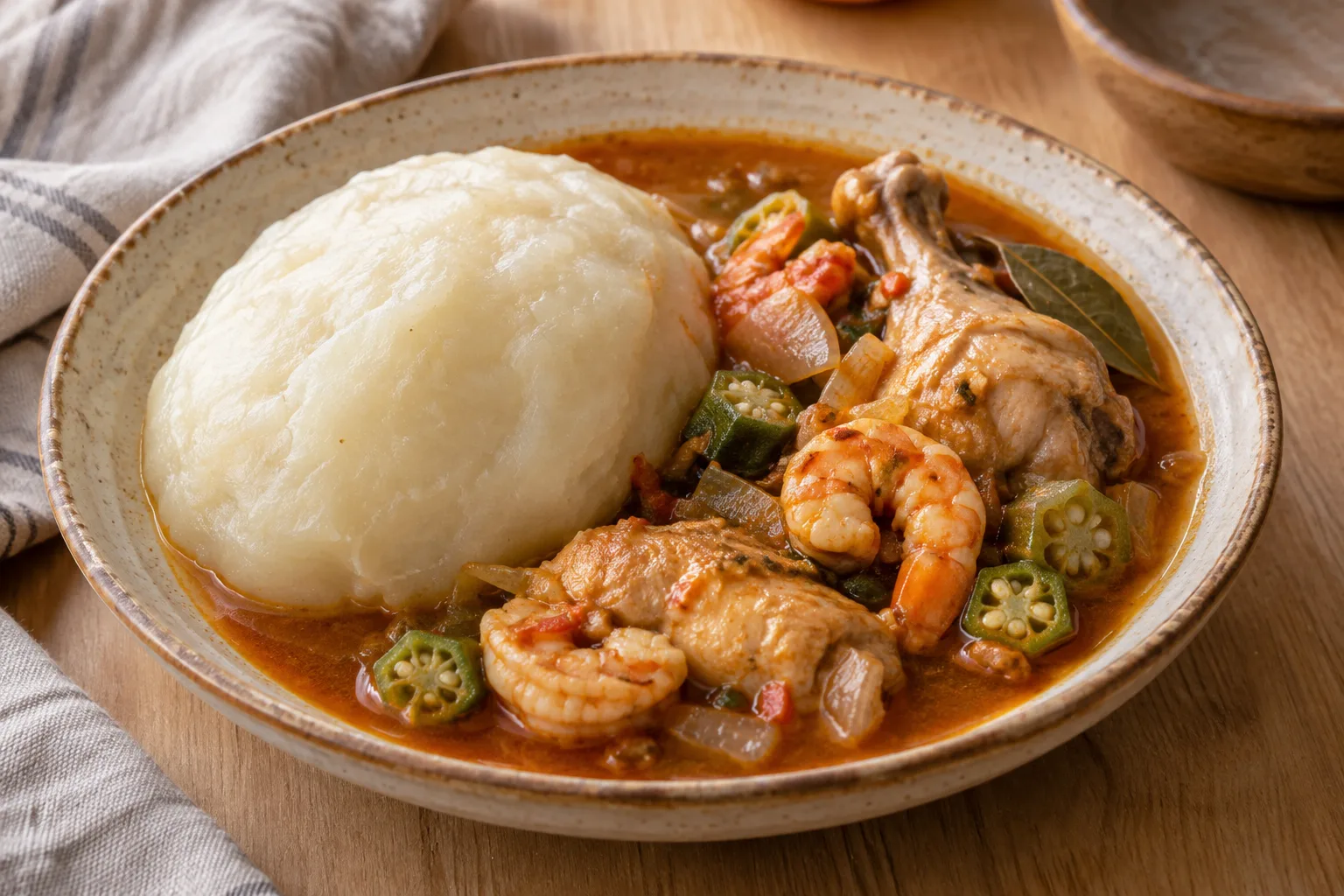
Water for boiling cassava is potable water used as the cooking medium for cassava, also known as manioc or yuca. It is not a special cassava product: it provides the liquid needed to boil pieces of the root and may be seasoned if the recipe calls for it. In a basic preparation, cassava is boiled in water and drained when tender. In a soup or broth, it can instead cook in the same liquid as the other ingredients, so the water becomes part of the dish. The resulting liquid may therefore be plain cooking water or a seasoned broth, depending on how the recipe is prepared.
When to use it
Use water when you want to boil cassava pieces separately before serving, mashing, or adding them to another dish. You can also use it as the liquid in a soup or broth where cassava cooks alongside other ingredients. The amount depends on the pot, the size of the pieces, and whether you plan to drain the liquid or serve it as part of the dish; the available evidence does not establish one universal ratio. Follow the specific recipe and check the root for tenderness rather than assuming every piece will cook alike.
How to use it
Put water in a pot and bring it to a boil if your recipe says to add the cassava once the water is boiling. Add the prepared pieces and cook until tender; their thickness can affect cooking time, so check their texture rather than relying on a fixed time. For soup, cook the root directly in the dish's liquid with the other ingredients, following that recipe. Drain the cassava when it is ready if the preparation calls for it. If the liquid will be served as broth, season it as directed by the recipe. Do not treat the water alone as a guarantee that inadequately cooked cassava is safe.
Flavour and texture
Plain water adds moisture but should not contribute a strong flavor on its own. The liquid takes on the taste of the cassava, salt, and other ingredients cooked in the pot; in soup, it can become a flavored broth. There is no single texture for cassava cooking water: when served as broth it remains fluid, while water used to boil and drain cassava is not usually the main element of the finished dish.
How to choose it
Use potable water suitable for cooking. The sources consulted do not identify a special type or brand of water required for boiling cassava. If the liquid will become soup or broth, choose water with a pleasant taste and add salt or other seasonings only as the recipe directs. Measure what is needed for your pot and method; there is no single amount that applies to every piece size and preparation.
Storage
This profile covers water used during cooking, not a packaged product with a special shelf life. Prepare the amount your recipe needs. If you keep a soup or broth made with the cooking liquid, follow safe refrigeration and reheating practices for cooked food; the available sources do not specify storage times or temperatures for this liquid. Do not leave a cooked dish at room temperature for extended periods.
Substitutions
For boiling cassava without adding other flavors, use potable water. If the liquid will be served as soup or broth, stock may replace water when it suits the recipe, although it will change the flavor. You can also cook cassava directly in the dish's broth instead of boiling and draining it separately. There is no universal substitute for every preparation: choose according to whether you need a neutral liquid or a seasoned broth.
Common mistakes
Do not confuse cooking water with a guarantee that cassava has been properly prepared: the root must be cooked adequately before eating. Avoid applying one fixed cooking time to every piece size, since the recipes consulted vary and note that thickness matters. Do not automatically discard the liquid when the recipe uses it as broth, and do not save it for another use without following safe practices for cooked food.
Safety and allergens
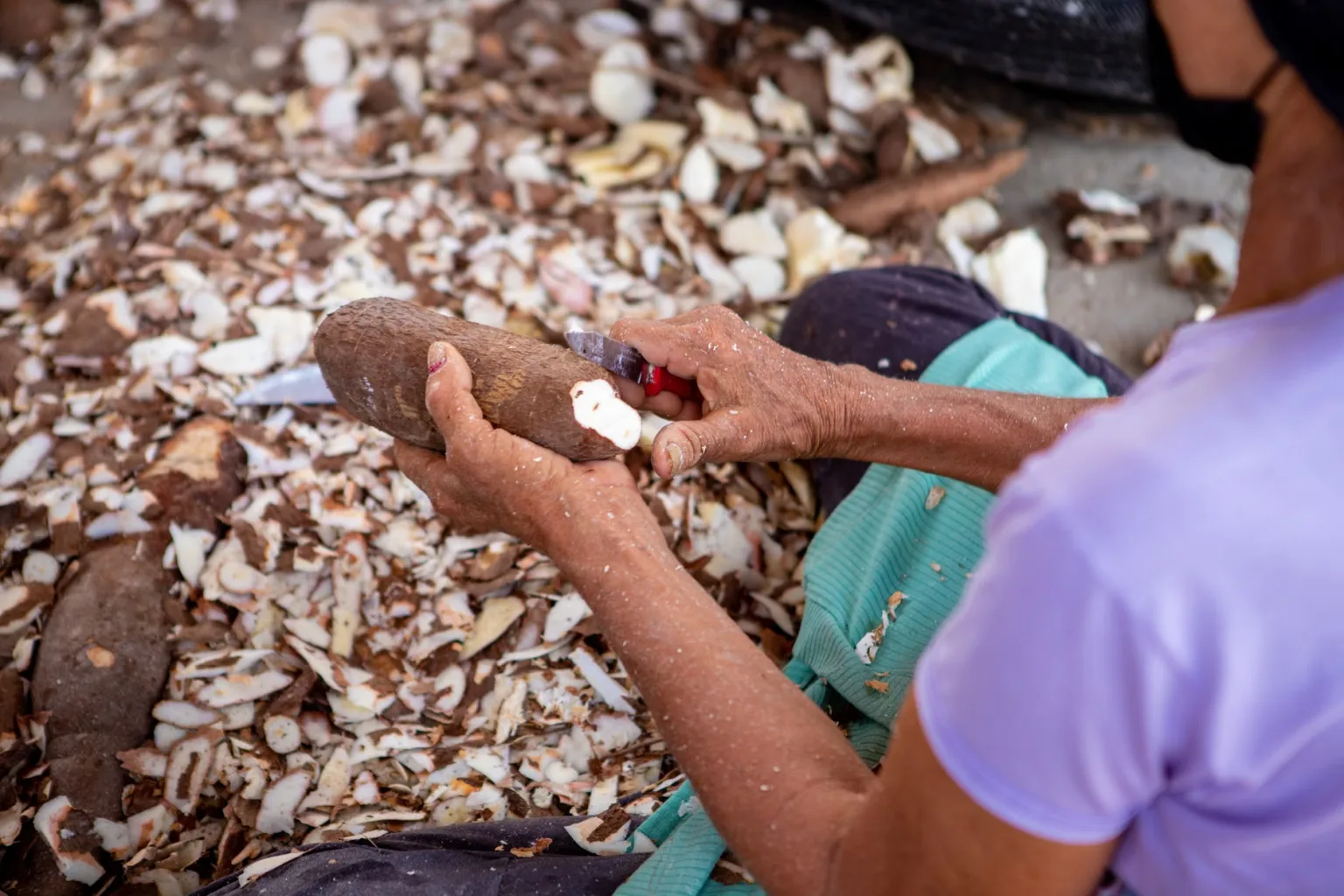
Do not eat raw or inadequately cooked cassava. The sources consulted indicate that cassava requires proper preparation and cooking; water alone does not make an improperly prepared product safe. Follow a reliable recipe for the cassava you are using, and do not reuse its cooking liquid as a guarantee that unwanted compounds have been removed.
Culinary uses
- Medio de cocción para ablandar la yuca
- Líquido base de sopas y caldos con yuca
Recommended techniques
- Hervir la yuca en agua
- Cocinar la yuca directamente en una sopa o caldo
Pairs well with
- Yuca
- Sal
- Ajo y cebolla en preparaciones de sopa
Frequently asked questions
Should cassava go into cold water or boiling water?
It depends on the recipe. One recipe in the evidence adds cassava after the water boils; another cooks it directly in soup. Follow the method for your dish.
Can I use cassava cooking water as broth?
It can be part of a soup or broth when the recipe is designed that way. If the cassava is meant to be drained, you do not need to serve the liquid.
How much water should I use?
The evidence does not give one universal amount. Use what your pot and recipe require, depending on whether you will drain the cassava or serve the liquid as soup.
Sources and review
Automatically researched, cross-checked and validated content. Sources consulted:
- Qué es eso llamado epistemología, para qué sirve, por qué es inexcusable para la universidad y para la paz | Reencuentro. Análisis de problemas universitarios doi.org
- Caldo de Pollo Spanish Recipe | Kitsap County | Washington State University extension.wsu.edu
- Sabores de nuestras tierras/recipes - 2025 | Agricultura y Recursos Naturales ucanr.edu
- Explorando los usos culinarios de la Yuca – El Rincón de Nana by Virginia Quetglas lacocinasanadevirginiaquetglas.com
- PELADO CÁUSTICO DE YUCA - Scholar@UPRM scholar.uprm.edu
- Yuca: Cómo Cocinar y Pelar y Guía Esencial cocinadominicana.com
- "Determination of home techniques for storing and conserving food in th" by Marisol Caicedo Barrios scholarsarchive.byu.edu
- Is there cyanide in lima beans? | Servicio de Extensión de OSU extension.oregonstate.edu
- Intergenerational research on Indigenous agricultural knowledge, climate resilience, and food security in the Caribbean | SECASC secasc.ncsu.edu
- ¿Cuál es la mejor forma de cocinar la yuca? | Recetas Nestlé recetasnestle.cl
- - YouTube youtube.com
- Yuca: origen, propiedades y beneficios de este alimento | El arte de comer bien | mentta mentta.com