- Category
- Drinks
- State
- Liquid
- Usual unit
- cup
What it is
In a recipe, “water for fish” generally means water added as a cooking liquid or as part of a sauce. It is not a particular fish species or a preparation in its own right. Fresh water contributes moisture without the salty character of seawater. Some culinary suggestions use commercially packaged seawater as part of a fish-cooking liquid mixed with fresh water. That option depends on the recipe and product, and should not be confused with using untreated seawater.
When to use it
Use water when a recipe calls for liquid to cook fish, loosen a sauce, or make a brothy dish. It can also help adjust a sauce gradually when the recipe allows. If choosing a seawater product intended for cooking, some recipes suggest mixing it with fresh water. Published proportions vary, so there is no single ratio that suits every dish.
How to use it
Add water according to the recipe and the result you want: use only the amount needed for the specified cooking method, or add it gradually to a sauce while stirring until the consistency is right. In one fish recipe with tomato, olives, and capers, water is offered as an alternative to sherry. If using a seawater product for cooking, follow its label and the recipe, and remember that it can add salt; taste before adding more. Do not automatically use untreated seawater in place of cooking water.
Flavour and texture
Plain water has a neutral taste and adds moisture without a pronounced salty flavor of its own. Food-grade seawater contributes saltiness and changes a dish’s seasoning balance. Adding water can make a sauce thinner; the final texture depends on the other ingredients and how the dish is prepared.
How to choose it
Choose water suitable for food preparation. If buying a seawater product, check that it is marketed for culinary use and read its label for directions. Do not assume that a packaged product and untreated seawater are interchangeable, or that all products have the same saltiness.
Storage
Keep water in a clean, closed container when not in use. For a packaged product, follow its label directions for storage and use, including any instructions after opening. No single shelf life can be applied here to every kind of water or container.
Substitutions
In a specific fish recipe, water can replace sherry listed as an alternative. Some recipes also replace part of the fresh water with food-grade seawater. These are not identical swaps: seawater adds salt, so check the seasoning and follow the product directions.
Common mistakes
Do not add a fixed amount of seawater to every recipe: suggested proportions vary, and the dish may become too salty. Do not confuse culinary seawater products with untreated seawater. Add liquid gradually and taste before adjusting the seasoning.
Safety and allergens
If using packaged water for cooking, follow its use and storage directions. For seawater products, check that they are intended for culinary use and follow their instructions; information for a packaged product should not be applied to untreated seawater.
Culinary uses
- cooking liquid for fish
- liquid for loosening or diluting a fish sauce
Recommended techniques
- poaching or gently cooking fish in liquid
- diluting a sauce or cooking liquid with water
Pairs well with
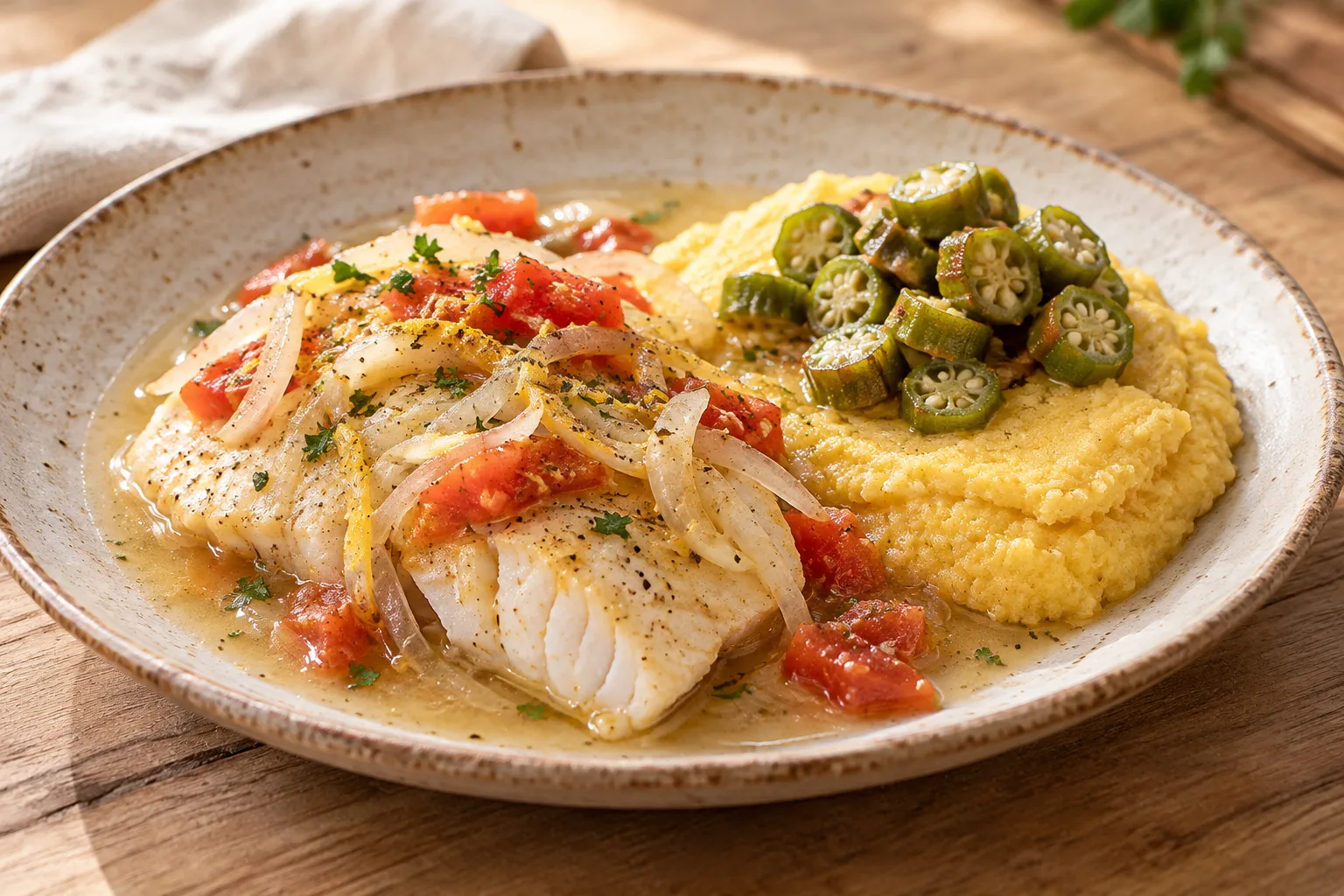
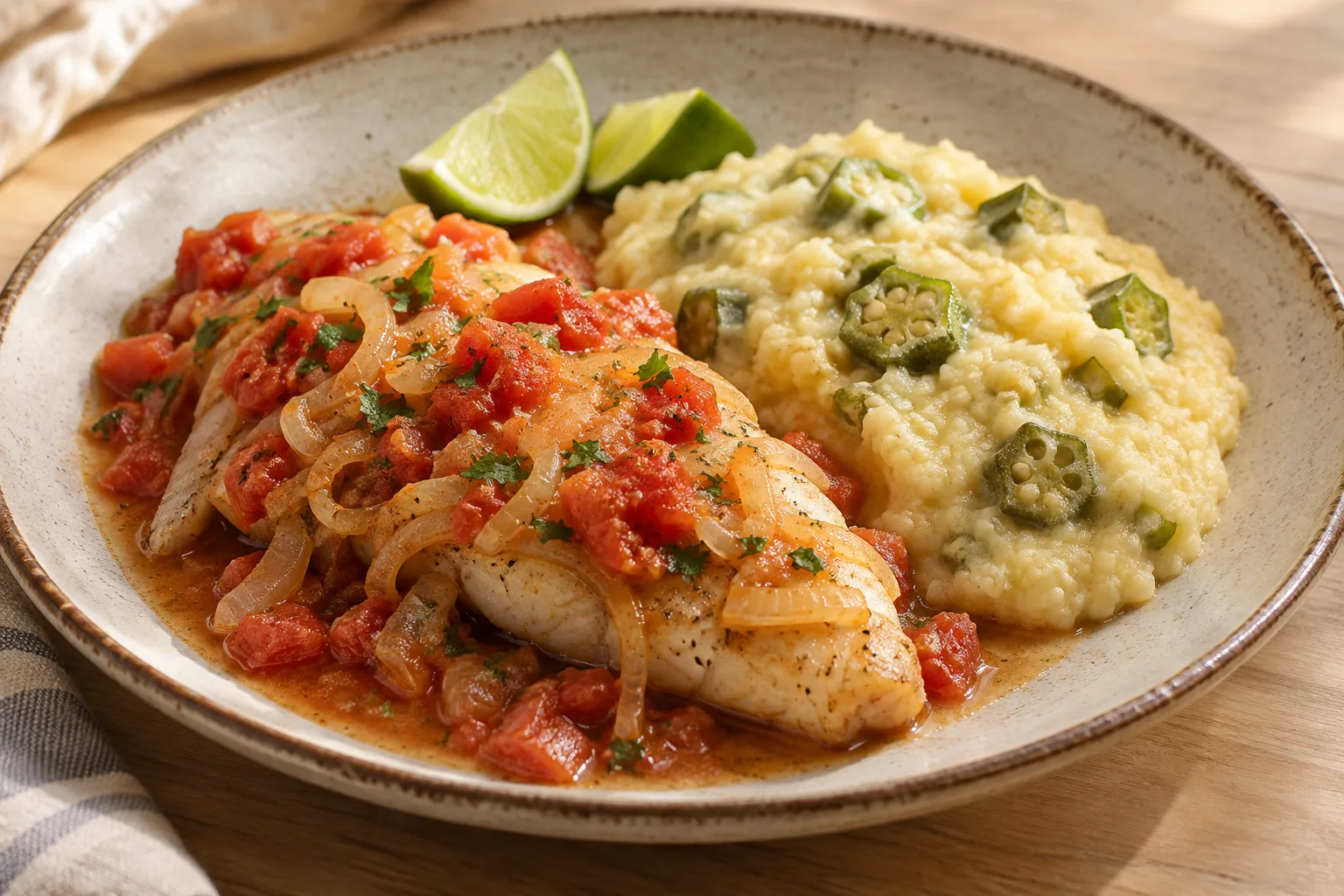
- fish with tomato, olive and caper sauce
- fish soups and stews
Frequently asked questions
Can I use water to cook fish?
Yes. It can be added as a cooking liquid or used to adjust a sauce when the recipe calls for it.
Can seawater replace all the water in a fish recipe?
There is no universal ratio. The culinary suggestions available mix food-grade seawater with fresh water, and their proportions differ.
Can I replace sherry with water in a fish sauce?
One specific fish recipe lists water as an alternative to sherry. The result may vary with the sauce.
Sources and review
Automatically researched, cross-checked and validated content. Sources consulted:
- En el etiquetado alimentario hay algunas menciones que son obligatorias eletiquetadocuentamucho.aesan.gob.es
- Client Challenge doi.org
- The Essential Glossary of Cooking Terms for the Culinary Arts - Escoffier escoffier.edu
- Pescado a la Veracruzana 1952 (Veracruz-style Fish) - lacocina.utsa.edu
- Nutrition After Your Transplant - Health Online healthonline.washington.edu
- The traditional food of migrants scholar.smu.edu
- EFNEP Hispanic Heritage Recipes | Community Nutrition | Extension/College of Agriculture, Health & Natural Resources | University of Connecticut communitynutrition.cahnr.uconn.edu
- Elaboración de Conservas a Presión (Pressure Canning) | VCE Publications | Virginia Tech pubs.ext.vt.edu
- Cómo el agua de mar realza los sabores en la cocina winbiaguademar.com
- Agua de mar usos en la cocina tradicional española aguademar.es
- De Compras Para la Salud: Mariscos - Ask IFAS ask.ifas.ufl.edu
- Recipes | Servicio de Extensión de OSU extension.oregonstate.edu