- Category
- Drinks
- State
- Liquid
- Usual unit
- cup
What it is
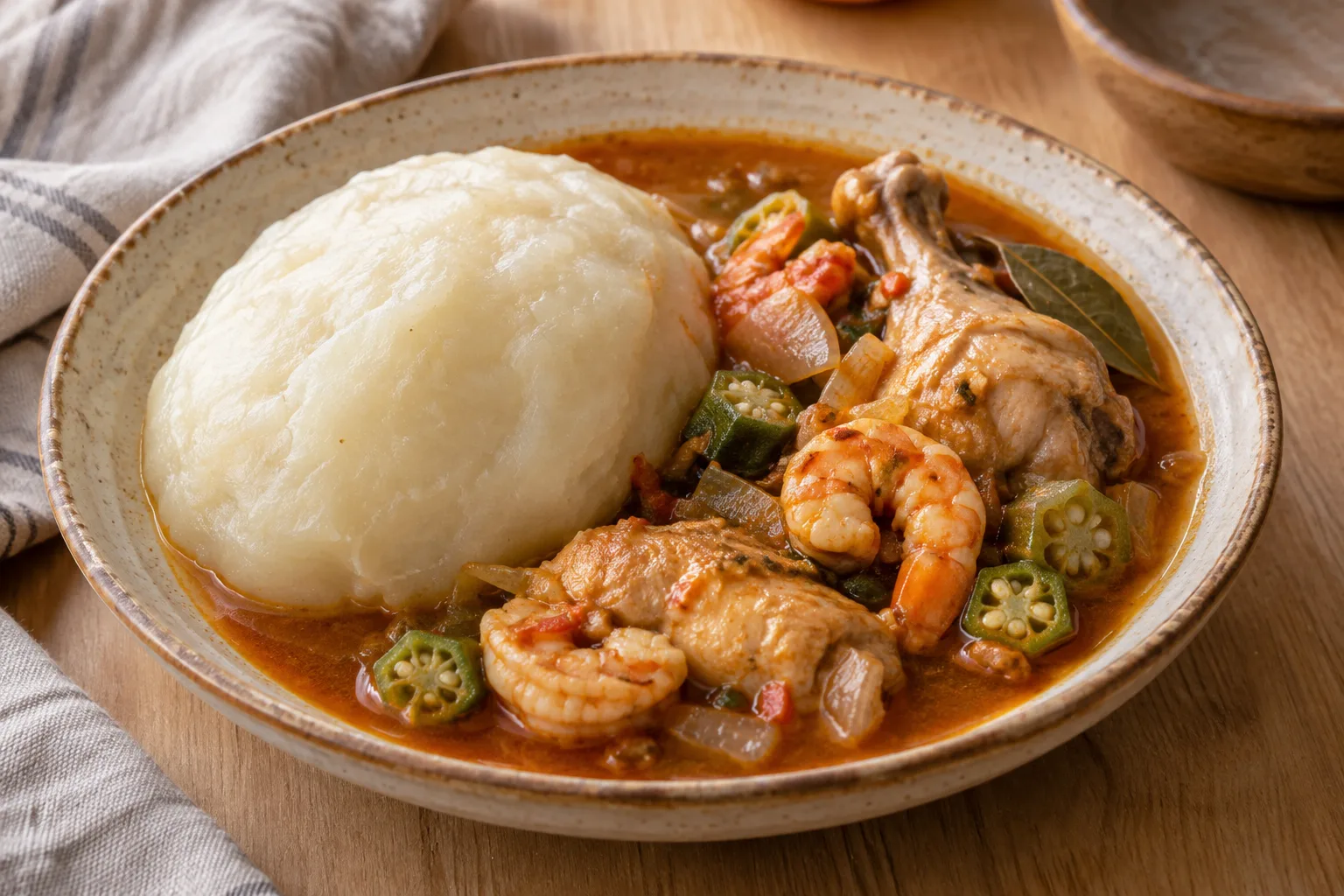
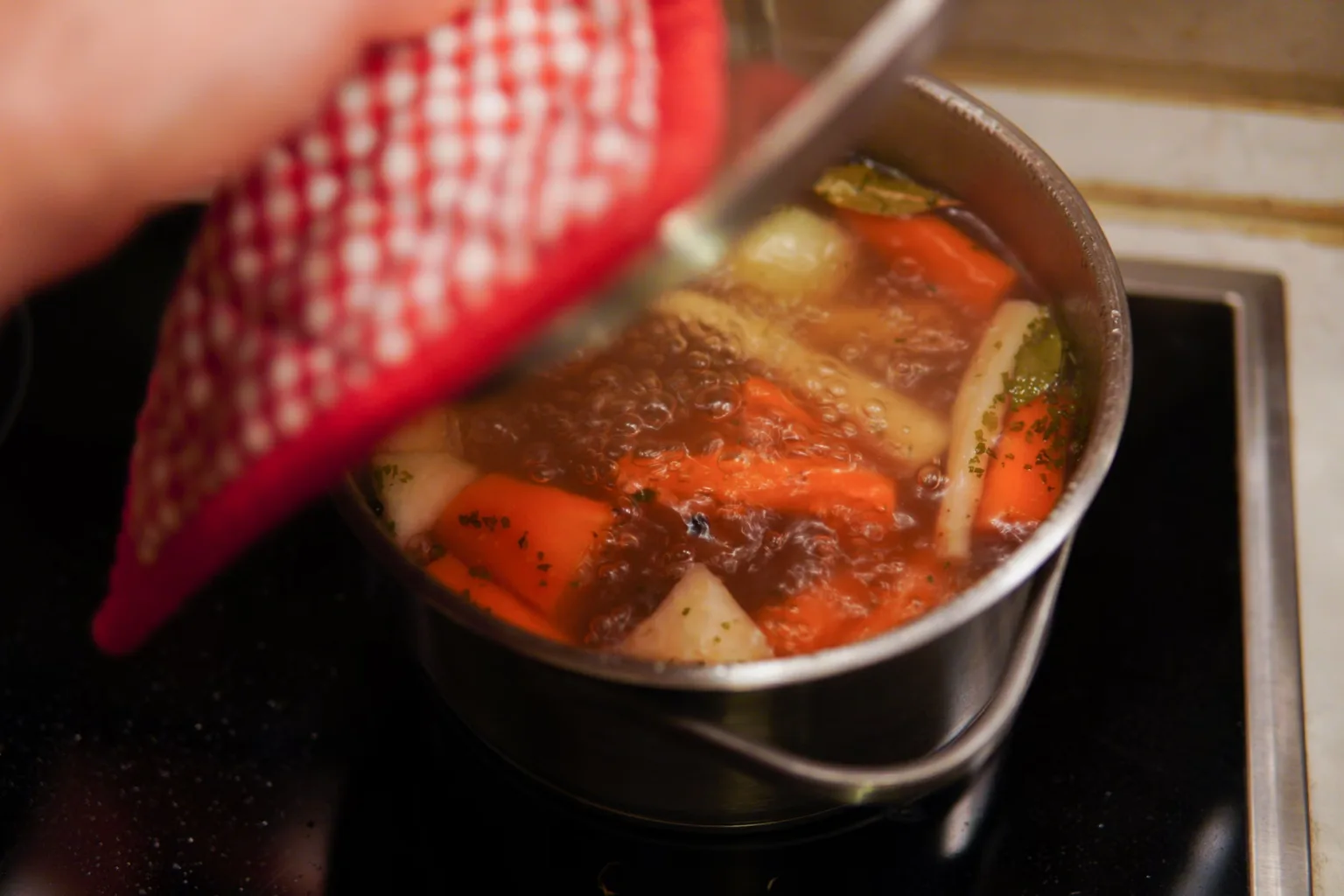
Water for soup is drinking water used as a liquid ingredient in a soup preparation. It may be the main liquid or be combined with broth, juices, and other liquid ingredients. Unlike broth, water alone does not contribute the flavors of meat, vegetables, or seasonings; the character of the soup comes from the ingredients cooked with it. Soup can contain a liquid portion together with one or more solid ingredients, and water is one possible choice for that liquid portion. In a recipe, measure it like any other liquid and add it to the pot so the ingredients can cook together.
When to use it
Use water when you want to make soup from ingredients that will provide their own flavor, or when you need to complete the liquid in a preparation that already contains broth or other liquids. It works in soups made with vegetables, legumes, and other ingredients cooked in liquid. If you want a more flavorful base from the outset, replace some or all of the water with broth. Keep in mind that adding more water makes the mixture less concentrated; choose the amount according to the proportion of solids and the consistency you prefer.
How to use it
Measure the water specified in the recipe and add it to the pot with the liquid or solid ingredients that are meant to cook together. It can be used on its own or combined with broth; if combining them, count both liquids toward the recipe’s total liquid. Bring the mixture to a boil when the recipe calls for it, then continue cooking as directed for the dish. If you need to adjust the consistency, add water gradually so you do not dilute the flavors too much. For a more flavorful base, replace some of the water with broth. Use clean utensils and surfaces during preparation; if you plan to preserve soup at home, follow a preservation process specifically validated for that soup.
Flavour and texture
Water has little pronounced flavor in soup and provides the liquid medium that brings the other ingredients together as they cook. It does not add the characteristic flavor of broth on its own, so the finished taste reflects what goes into the pot. More water makes the mixture more diluted; less water leaves the ingredients’ flavors relatively more concentrated.
How to choose it
For cooking, choose water that is safe to drink and use the amount stated in the recipe. Bottled water is not needed simply because you are making soup if potable water is available. If your water has a taste or smell you do not want in the dish, consider using another source of drinking water or a broth suited to the recipe.
Storage
Water does not need special storage as a dry or perishable ingredient: keep it in a clean, covered container if you are holding it before use. Once it has been added to soup, storage applies to the prepared dish, not to the water separately. For home preservation or canning, follow reliable, recipe-specific directions; do not improvise a home-preservation method.
Substitutions
Broth can replace all or part of the water when you want a more flavorful base. You can also combine water and broth, counting both toward the recipe’s liquid. Remember that broth changes the soup’s flavor, while water leaves more of the character to the other ingredients.
Common mistakes
Adding water without accounting for the liquid already in a recipe can leave soup too diluted. Add it gradually when adjusting consistency, and include broth or other liquids in your calculation. Another mistake is expecting water alone to provide the flavor of broth: the soup’s character comes from the ingredients cooked with it.
Safety and allergens
Start with drinking water and clean utensils and surfaces. For home canning, do not rely on boiling alone or a boiling-water bath: soups require a validated pressure-canning process, and some formulations are not suitable for that method.
Culinary uses
- líquido base para sopas
- medio de cocción y dilución
Recommended techniques
- añadir a la olla para completar el líquido de una sopa
- llevar a ebullición como parte de la preparación
Pairs well with
- verduras y legumbres en sopas
- caldo, carne o verduras como parte de sopas
Frequently asked questions
Can I make soup with water alone?
Yes. Water can be the liquid in soup, while the other ingredients provide its flavor. Replace some of it with broth if you want a more flavorful base.
Can I replace broth with water?
Yes, although the liquid will contribute less flavor. Adjust the other ingredients in the recipe to suit your taste.
Can I add more water at the end?
Yes. Add it gradually to adjust the consistency without diluting the soup’s flavor too much.
Sources and review
Automatically researched, cross-checked and validated content. Sources consulted:
- The Essential Glossary of Cooking Terms for the Culinary Arts - Escoffier escoffier.edu
- Sopa - Wikipedia, la enciclopedia libre es.wikipedia.org
- Sopa De Pollo Baja En Sodio - Recipes - Live Healthier - UTHealth Houston School of Public Health sph.uth.edu
- Sabores de nuestras tierras/recetas - 2024 | Agricultura y Recursos Naturales ucanr.edu
- Bilingual Budget-Friendly Hispanic Cookbook and ... scholarworks.lib.csusb.edu
- Qué es eso llamado epistemología, para qué sirve, por qué es inexcusable para la universidad y para la paz | Reencuentro. Análisis de problemas universitarios doi.org
- The traditional food of migrants scholar.smu.edu
- Sopa Mexicana 1920s ( Mexican Soup) - lacocina.utsa.edu
- Vamos a Conservar Alimentos: Sopas extension.psu.edu
- Para la ciudadanía aesan.gob.es
- Recipes | Servicio de Extensión de OSU extension.oregonstate.edu
- Historia de la sopa historia-de-la-gastronomia.vivirasturias.com
- - YouTube youtube.com
- Breve historia de la sopa y un apunte sobre sus propiedades nutricionales | Público publico.es