- Category
- Sauces and condiments
- State
- Dry
- Usual unit
- unit
What it is
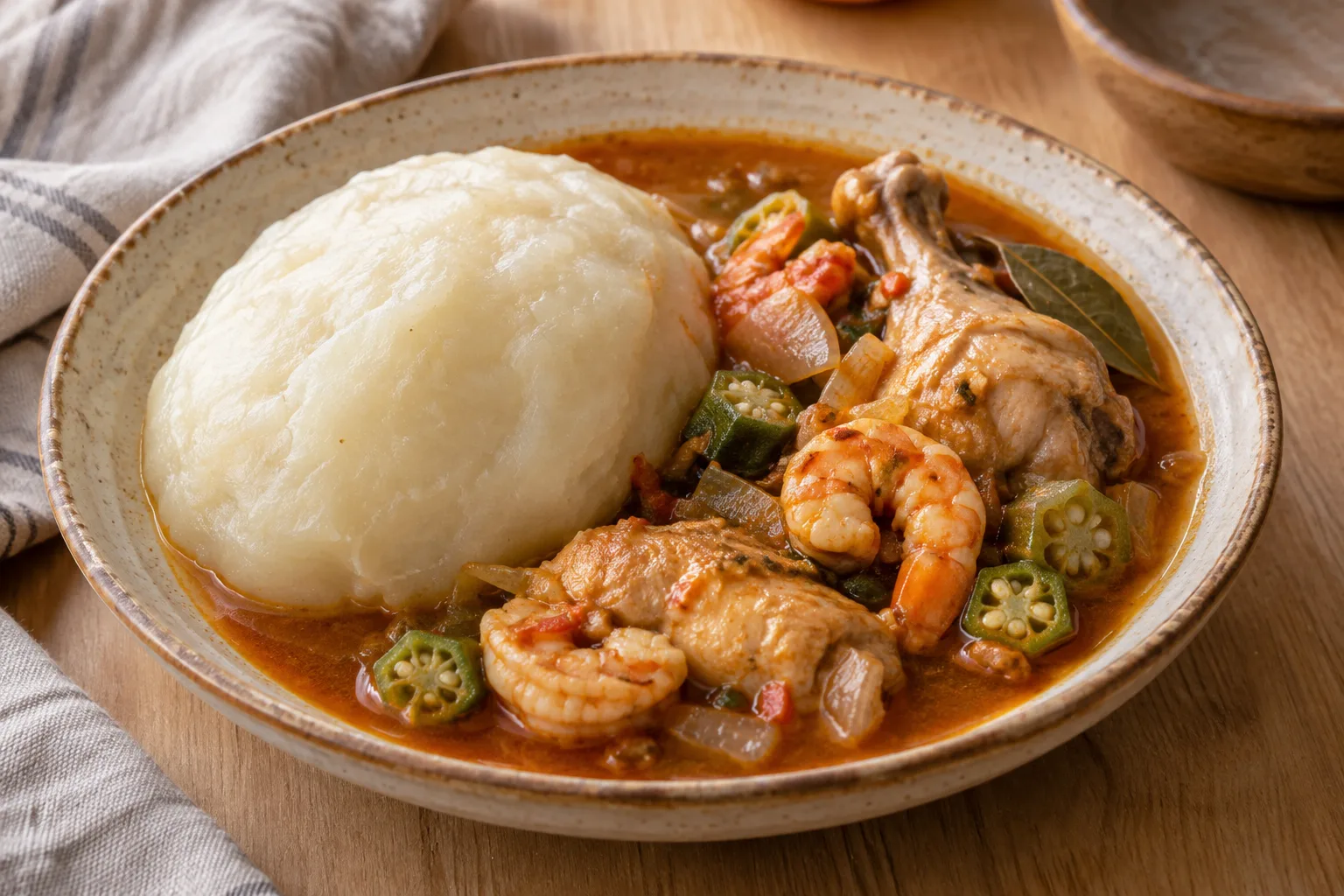
Beef bouillon cubes are compact portions of a dry, concentrated mixture used to season food or make a broth-like liquid when dissolved in water. They are not necessarily broth that has simply been simmered and dried: formulas depend on the product and may combine dehydrated ingredients, extracts, fat, salt, starch, spices or other components. The amount of beef and the other ingredients can vary as well. The product name alone therefore does not reveal its exact composition. Check the package ingredient list, especially if you need a product with particular characteristics.
When to use it
Use a cube when you want to add a quick broth-style flavor to soup, stew, sauce or rice, or when you want to replace some of a recipe’s cooking liquid with a more savory taste. It can also make a cup of broth when dissolved in hot water. Since products differ in ingredients and strength, start with less than you think you need, taste and adjust. Take the cube into account before adding salt to the rest of the dish.
How to use it
Check the package for the manufacturer’s suggested amount of water or product; cube size and concentration can differ. To make broth, crumble or add the cube to hot water and stir until dissolved. You can also crumble it directly into a soup, stew or sauce with enough liquid, mixing thoroughly to distribute the flavor. Add it gradually and taste before salting, since a cube can contribute substantial flavor and formulas vary by brand. Do not assume that one cube always makes a fixed amount of broth.
Flavour and texture
Once dissolved, it adds a concentrated broth-and-beef flavor that may taste salty and savory; intensity depends on the formula and amount used. Dry cubes are usually compact and crumbly, though texture varies by brand. In liquid, the cube blends into the dish rather than remaining as a separate solid.
How to choose it
Compare the ingredient list and preparation directions, not just the product name. Formulas can differ, and the words “beef bouillon” alone do not establish which ingredients are present or in what proportions. If you have an allergy or need to avoid a particular component, check the full label and its allergen information.
Storage
Keep the product in its packaging and follow the storage directions printed on the label. Close the package between uses and keep the cubes away from moisture. Check the package for the use-by date and any storage instructions specific to that brand.
Substitutions
Prepared beef broth can replace a cube, with the recipe’s liquid adjusted as needed. Water or another broth will give a different flavor; add salt and other seasonings gradually. There is no universal conversion for every brand, so follow the package directions and taste as you go.
Common mistakes
Adding salt before tasting can make a dish too salty. It is also easy to use the wrong amount if you assume all cubes have the same size or strength. Check the package directions, dissolve or mix the cube thoroughly, and adjust the flavor gradually.
Safety and allergens
Check the package ingredient list and allergen information because formulas vary by brand. Follow the manufacturer’s storage directions, and do not use the product if its packaging indicates that it is not fit for consumption.
Culinary uses
- seasoning and flavor enhancer
- base for a quick broth
Recommended techniques
- dissolve in hot water
- crumble into a simmering dish
Pairs well with
- soups and stews
- rice, grains and sauces
Frequently asked questions
How do I make broth with a beef bouillon cube?
Dissolve the cube in hot water using the proportion on the package. Stir until blended, then taste before adding salt or other seasonings.
Do beef bouillon cubes always contain beef?
The name alone cannot confirm the ingredients or the amount of beef-derived ingredients; these vary by product. Check the package ingredient list.
Can I add a cube directly to a stew?
Yes. Crumble it into the stew’s liquid, stir until blended and taste before adjusting the salt. Follow the product’s specific directions.
Estimated nutrition
- Fat
- 0 g
- Saturates
- 0 g
- Carbohydrate
- 25 g
- Sugars
- 25 g
- Protein
- 0 g
- Salt
- 65 g
Sources and review
Automatically researched, cross-checked and validated content. Sources consulted:
- The Essential Glossary of Cooking Terms for the Culinary Arts - Escoffier escoffier.edu
- Caldo - Wikipedia, la enciclopedia libre es.wikipedia.org
- EFNEP Hispanic Heritage Recipes | Community Nutrition | Extension/College of Agriculture, Health & Natural Resources | University of Connecticut communitynutrition.cahnr.uconn.edu
- Cómo hacer caldo de carne casero bonviveur.com
- Sopa Mexicana 1920s ( Mexican Soup) - lacocina.utsa.edu
- Vamos a Conservar Alimentos: Sopas extension.psu.edu
- Cubitos y polvos mágicos: así nació la comida instantánea | El Comidista | Gastronomía | EL PAÍS elpais.com
- A Recipe for Memory: Hispanic Heritage as Told Through Cultural Dishes news.sunyempire.edu
- Soups - National Center for Home Food Preservation nchfp.uga.edu
- De qué están hechos los cubitos o pastillas de caldo concentrado y cuál es su principal inconveniente para nuestra salud directoalpaladar.com
- - YouTube youtube.com
- Cubos de caldo y extractos: los orígenes de | Recetas.com recetas.com