- Category
- Sauces and condiments
- State
- Preserved
- Usual unit
- lata
What it is
Chipotles in adobo are chipotle chiles—ripe jalapeños that have been dried and smoked—packed in an adobo sauce. Canned versions commonly include a combination of ingredients such as tomato, vinegar and spices, but the formula varies by product. The result is a moist condiment that supplies both the chile and its accompanying sauce. It is different from dried or powdered chipotle: the chiles in the can are soft enough to chop or blend with some of the adobo. Their intensity varies, and the smokiness and heat may differ with the chile and brand. Check the ingredient list for the exact contents of a particular can.
When to use it
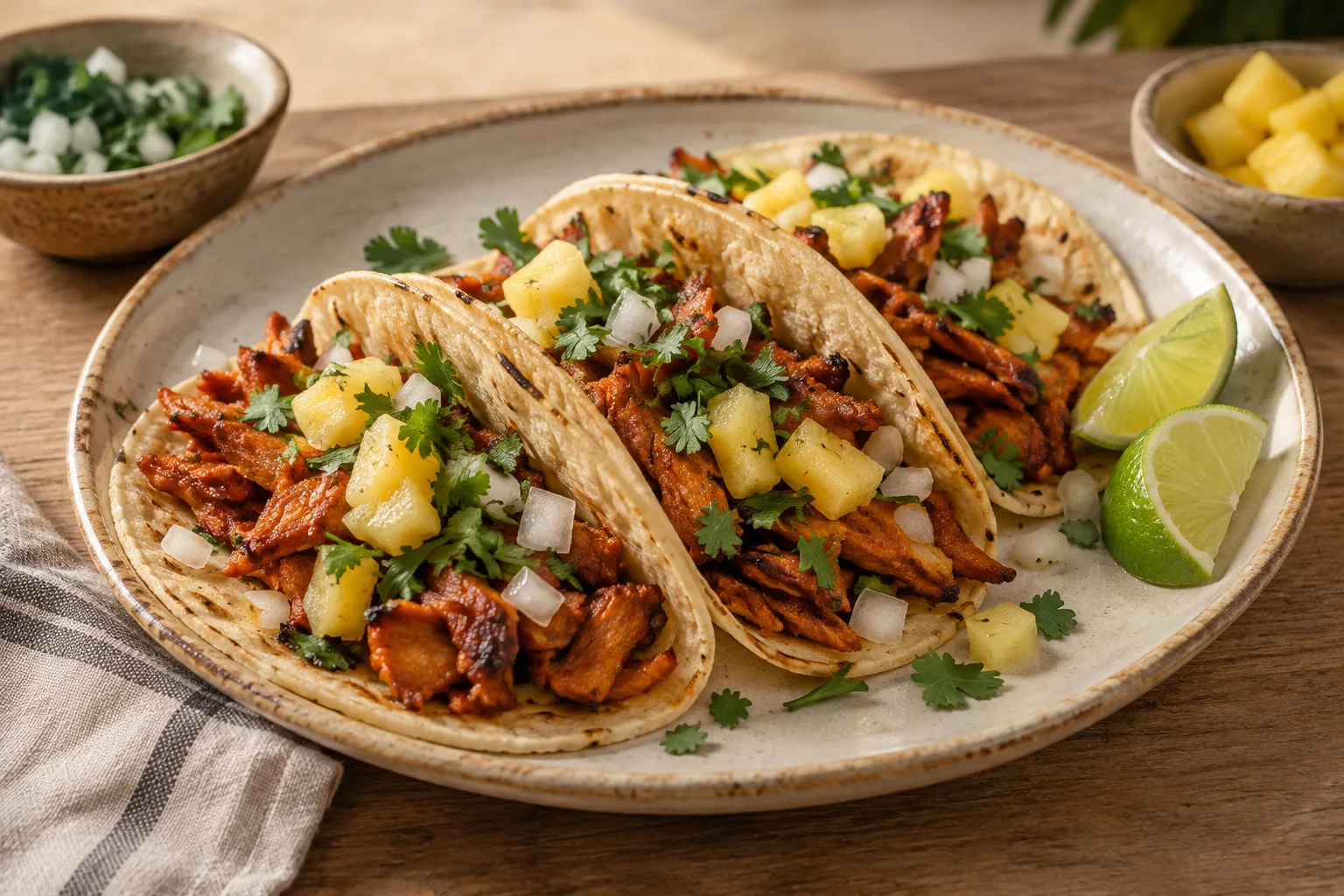
Use chipotles in adobo when you want to add a smoky, spicy and savory note without making an adobo from scratch. They work in sauces, soups, stews, beans, tacos, burritos and quesadillas; they can also be mixed with sour cream or plain yogurt for a topping sauce. Because the product contains both chile and adobo, it can change a dish’s heat as well as its tang. Start with a small amount, taste, and add more only if needed. They are especially handy when a recipe needs a concentrated flavor that is easy to stir in.
How to use it
Lift out a chile with a clean fork and finely chop it, or blend it with a little of the can’s sauce for an even mixture. Add it gradually to beans, soups, stews, sauces or taco fillings, tasting before increasing the amount. To distribute the flavor easily, stir a small amount of chopped chile or chipotle paste into sour cream or plain yogurt and serve it with tacos or quesadillas. You can also add chopped chile and a little adobo to a dish as it cooks so the flavor melds into the preparation. Heat and ingredients vary between products, so check the label and adjust the amount to taste.
Flavour and texture
The flavor combines smoke, heat and tang from the adobo; some versions may also have a sweet note, depending on their ingredients. The chiles are usually tender and moist from the sauce, making them easy to chop or blend. The adobo adds both flavor and moisture, so using it with the chile can affect a dish’s acidity and intensity. Heat is not identical in every product, so taste a small amount before adding more.
How to choose it
Look for a sealed can or other closed package, and check that it is intact and within its stated date. Read the ingredient list to see the exact formula: adobo may contain tomato, vinegar, spices and other ingredients that vary by brand. If you want more control over the heat, choose a product whose contents you can portion and start with a small amount. Do not assume that every can has the same ratio of chiles, sauce or seasonings.
Storage
Store an unopened package according to its label. Once opened, follow the manufacturer’s storage instructions; there is no single storage period that can be recommended here for every brand and package. Use clean utensils to remove the chiles, and do not return food that has touched other ingredients to the container. Discard the product if you notice mold, an unusual color or an unpleasant odor. Do not rely on appearance alone to extend a storage period stated on the label.
Substitutions
For a similar flavor direction, use chipotle powder, although it will not provide the same moisture or adobo sauce. Another option is ancho chile powder with a little smoked paprika; adjust the heat and flavor gradually. These alternatives change the result, so add liquid or acidity separately only if the recipe needs it. Start with less than the amount of chipotles in adobo called for, then taste before adjusting.
Common mistakes
Adding several chiles at once can make a dish hotter than expected; begin with a little and adjust after tasting. Another mistake is overlooking the adobo, which also adds flavor and can change acidity and texture. Do not automatically replace the chiles with the same amount of powder, since the forms are not equivalent. Finally, do not assume all brands use the same recipe or keep an opened product longer than its label advises.
Safety and allergens
Check the package’s storage instructions and ingredient list, especially if you have a food allergy or intolerance. After opening, follow the manufacturer’s directions. Discard the product if it develops mold, an unusual color or an unpleasant odor.
Culinary uses
- Condimento picante y ahumado
- Base o acento para salsas, adobos y guisos
Recommended techniques
- Picar y añadir a una preparación
- Triturar con parte de la salsa de la lata
- Incorporar a una salsa o guiso mientras se cocina
Pairs well with
- Frijoles y legumbres
- Sopas y guisos
- Tacos, burritos y quesadillas
- Crema o yogur natural
Frequently asked questions
What are chipotles in adobo?
They are chipotle chiles, made from ripe, dried and smoked jalapeños, preserved in adobo sauce. The sauce’s ingredients depend on the product.
How can I control the heat?
Start with a small amount of chile or paste and taste. Add more gradually, or mix it with sour cream or plain yogurt for a serving sauce.
What dishes can I use them in?
They add flavor to beans, soups, stews, sauces, tacos and quesadillas. You can also mix them with sour cream or yogurt to make a sauce.
Estimated nutrition
- Fat
- 0 g
- Saturates
- 0 g
- Carbohydrate
- 6.67 g
- Sugars
- 3.33 g
- Fibre
- 3.3 g
- Protein
- 0 g
- Salt
- 2.25 g
Sources and review
Automatically researched, cross-checked and validated content. Sources consulted:
- Romanica Olomucensia : «¿Qué pinga es esto?». Usos disfemísticos en el español de Cuba doi.org
- The Essential Glossary of Cooking Terms for the Culinary Arts - Escoffier escoffier.edu
- Culinary Arts Department CHEF 2331 Advanced Food Preparation southplainscollege.edu
- Salsa de Adobo Mexicana | Servicio de Extensión de OSU extension.oregonstate.edu
- ¿Qué es el Chile Chipotle? - La Abuela Carmen laabuelacarmen.com
- Chipotle, un ingrediente clave en la cocina mexicana: qué es y cómo utilizarlo en la cocina directoalpaladar.com
- Chipotle | Gastronomía & Cía gastronomiaycia.com
- 'Fried' Chipotle Chicken | Rush rush.edu
- Your Summer BBQ Deserves a Bloomin’ Onion ice.edu
- Celebrate Father’s Day With Culinary Gifts! - Beaufort County Center | N.C. Cooperative Extension beaufort.ces.ncsu.edu
- Retail Food Locations: Dodge Campus | Milo Bail Student Center | University of Nebraska at Omaha unomaha.edu
- Pantry Delights (NE) | CSU Northridge csun.edu
- - YouTube youtube.com
- ¿Qué es el chipotle? Un chile perfecto para salsas - Picón piconmadrid.com
- Chipotles en Adobo: Qué son y Qué Hacer con una Lata después de abierta piloncilloyvainilla.com