- Category
- Fruit
- State
- Dry
- Usual unit
- cup
What it is
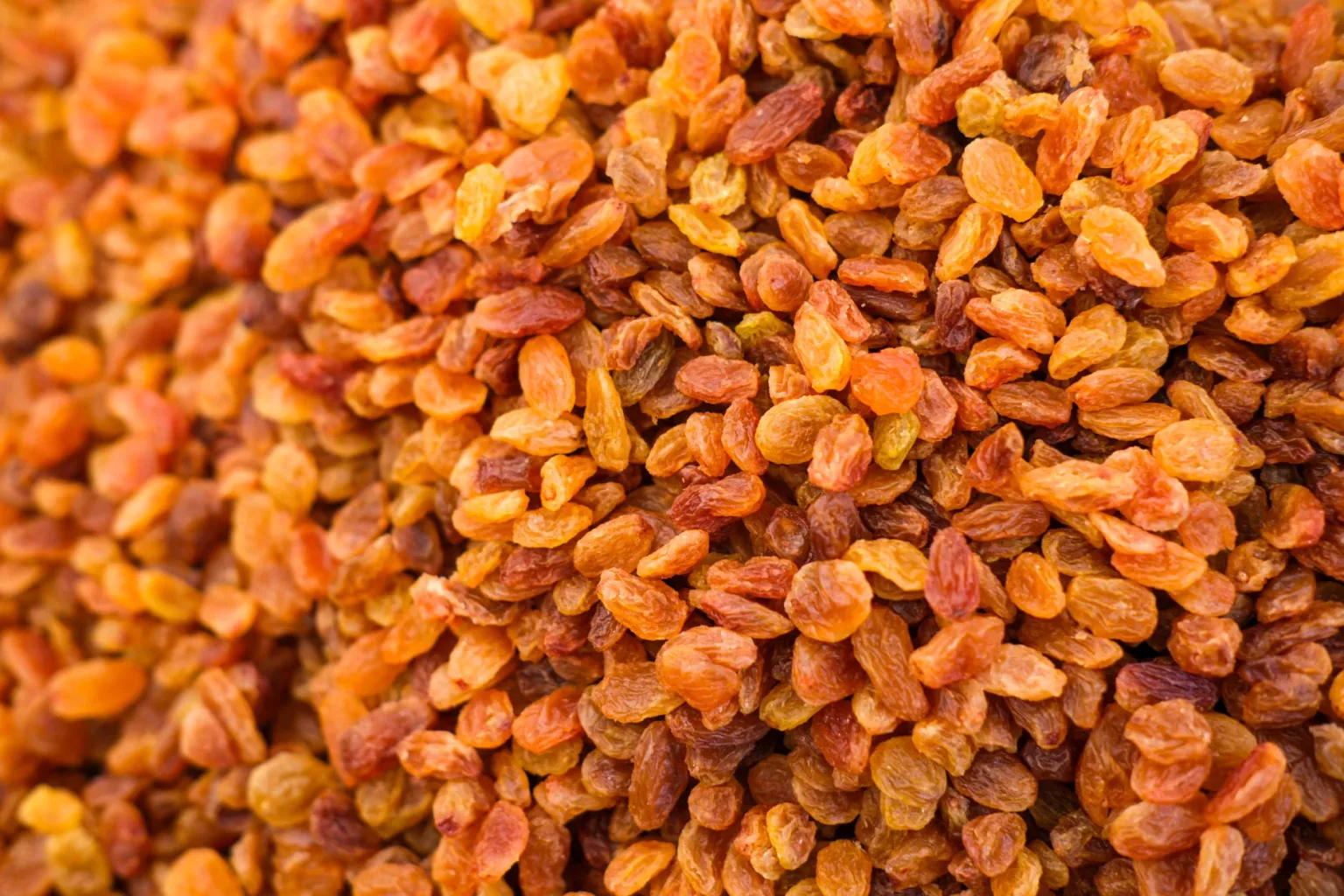
Golden raisins are grapes dried until they become small, wrinkled, and sweet. The name describes their golden appearance, but it does not identify just one grape variety: raisins can come from different grapes and vary in size, shape, and color. Sultanas are described as large, thin-skinned, seedless, golden-yellow raisins. In cooking, raisins are used in both sweet preparations and some savory dishes. They are sold ready to eat and can also be soaked to soften them before adding them to a recipe.
When to use it
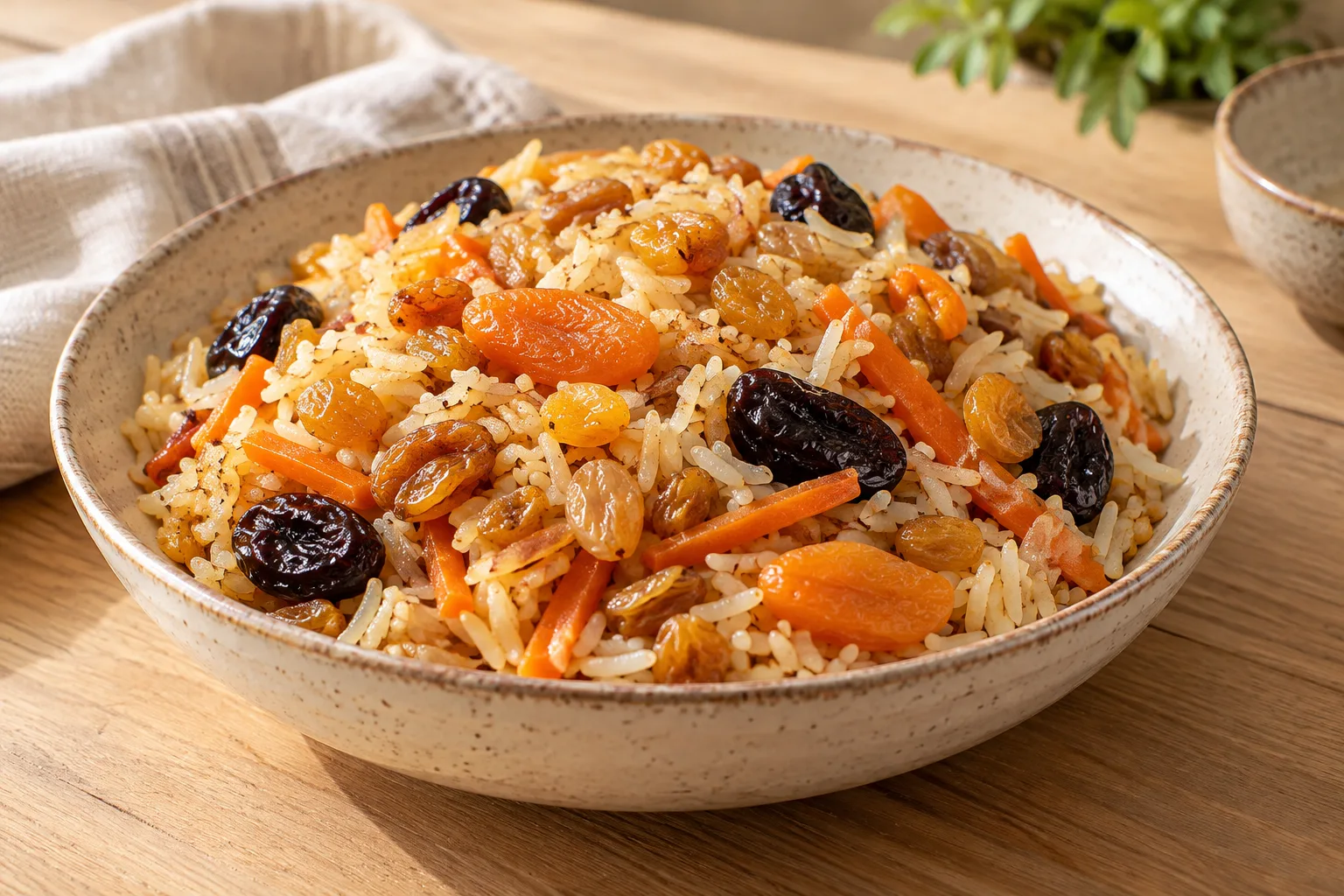
Use them when you want concentrated sweetness and a chewy texture without adding a sauce or sweetened liquid. They work in cereal mixes, doughs, and baked goods, and can bring a sweet contrast to savory couscous or spiced rice. Choose golden raisins when a lighter, golden look suits the dish; the actual size and color can vary by product. If you want a softer, plumper texture, soak them before use.
How to use it
Add them whole or chopped to cereal mixes, doughs, breads, and other baked goods, distributing them well so they appear throughout. For savory dishes, mix them into couscous or spiced rice and try them with almonds. You can also add them to a fruit salad with apple, pear, or orange. To make them softer and plumper, soak them in water or juice first, then drain before adding. Adjust the recipe’s sweetness to taste: raisins add sweetness on their own.
Flavour and texture
Their flavor is sweet and concentrated, and their texture is wrinkled and chewy. Size, shape, and golden color can vary between products. Soaking makes them softer and plumper; once hydrated, they can lend more tenderness to doughs, cereals, or cooked dishes.
How to choose it
Look for a product whose name and appearance suit your needs: raisins vary in size, shape, and color, while sultanas are typically golden, large, thin-skinned, and seedless. Check the package for the variety or characteristics stated and choose a pack size that suits how much you will use. If you want to avoid seeds, check that the label says so.
Storage
Follow the storage conditions and date stated on the package. After opening, close it securely again to help protect the raisins from moisture and keep them ready to use. If the package gives different instructions for the opened product, follow those directions.
Substitutions
You can replace golden raisins with other raisins if keeping the same golden color is not important; color, size, and shape may differ. Currants are another dried-grape option, but they are dark and will give the dish a different appearance. Adjust the amount to taste and allow for differences in texture between products.
Common mistakes
Do not assume all golden raisins have the same size, shape, or presence of seeds. Adding them without considering the sweetness of the whole dish may make it sweeter than intended. If you want a tender texture, remember to soak them first; if you do, drain them before mixing them into dough or a dish.
Safety and allergens
Check that the package is intact and follow the storage instructions on the label. Do not use a product if its appearance or packaging raises concerns about its condition.
Culinary uses
- Endulzar de forma natural preparaciones dulces y saladas
- Añadir trozos suaves y dulces a masas, cereales y platos de cuscús o arroz
Recommended techniques
- Incorporar enteras o picadas a masas y mezclas
- Remojar en agua o zumo para ablandarlas antes de usarlas
Pairs well with
- Almendras
- Cuscús y arroz especiados
- Manzana, pera y naranja
Frequently asked questions
What are golden raisins?
They are dried grapes with a golden appearance and a sweet flavor. Their size and characteristics can vary by variety and product.
Do golden raisins need to be soaked before use?
No. Soak them in water or juice only if you want them softer and plumper before adding them.
What can I cook with golden raisins?
Use them in cereals and baked goods, or add them to couscous or spiced rice. They pair well with almonds and fruits such as apple, pear, and orange.
Estimated nutrition
- Fat
- 0 g
- Saturates
- 0 g
- Carbohydrate
- 80 g
- Sugars
- 22.5 g
- Fibre
- 2.5 g
- Protein
- 2.5 g
- Salt
- 0 g
Sources and review
Automatically researched, cross-checked and validated content. Sources consulted:
- ¿Por qué la muerte es origen de miedos y tabúes? doi.org
- Client Challenge doi.org
- The Essential Glossary of Cooking Terms for the Culinary Arts - Escoffier escoffier.edu
- Gastronomía de México - Wikipedia, la enciclopedia libre es.wikipedia.org
- Comité Científico aesan.gob.es
- El poder del tostado: sabor, aroma y textura en la cocina | Gastronosfera gastronosfera.com
- «Pro lenguaje culinario»: reflexiones en torno al léxico en prensa especializada del primer cuarto del siglo XX | OpenAlex openalex.org
- Preserve It! Tips & To-Dos | UC Master Food Preservers of Central Sierra ucanr.edu
- California Plan Check Guide for Retail Food Facilities ehs.berkeley.edu
- ¿Pasas crudas? (¿orgánico?) | Fundación G+E google.com
- - YouTube google.com