- Category
- Vegetables
- State
- Fresh
- Usual unit
- unit
What it is
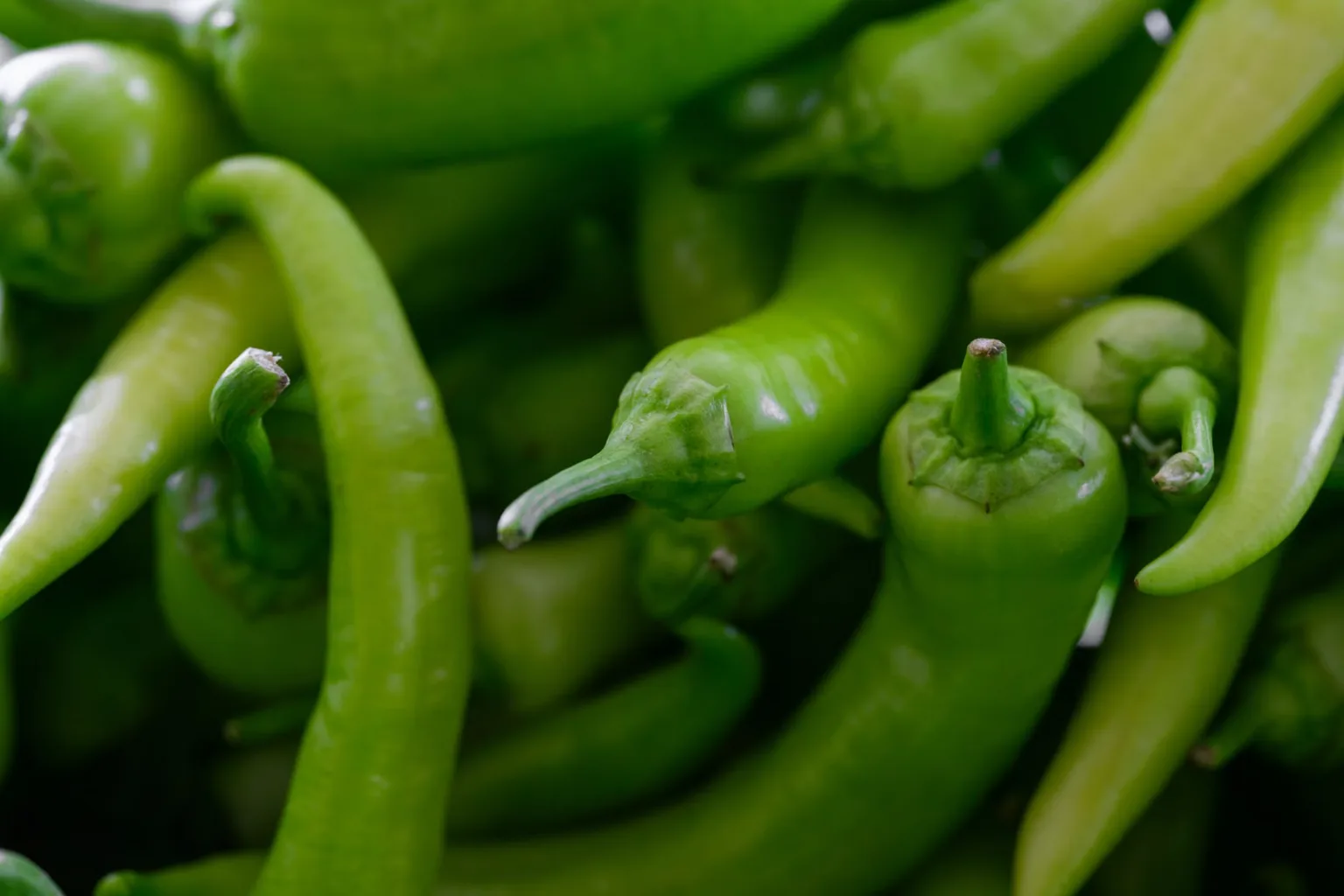
A fresh hot pepper is the fruit of a plant in the Capsicum genus, part of the nightshade family. In the kitchen it is commonly used as a vegetable or seasoning, although botanically it is a fruit. There are many varieties, and their flavor and heat vary from one type to another and from pepper to pepper. Peppers may be used whole, chopped, or sliced; some are also roasted, cooked, or dried. The general name does not indicate a precise heat level, so taste a small amount before adding more to a dish.
When to use it
Use hot pepper when you want to add pungency and a distinctive flavor to salsa, stews, marinades, or vegetable dishes. Chopping it into fresh salsa distributes it among the other ingredients; in cooked food, add it gradually and taste as you adjust the seasoning. Different varieties can bring different flavor profiles, so do not assume that two peppers will have the same intensity. For a milder result, start with a small amount or combine the pepper with non-hot ingredients.
How to use it
Rinse the pepper under running water and dry it before cutting. Remove the stem, then chop or slice it to the size you need. Add a small amount first and taste the dish before adding more. Use it raw in salsa or cook it in stews and other preparations. Long green chiles can be roasted or broiled until their skins blister; covering them and letting them cool can make peeling easier. When handling very hot chiles, wear gloves and avoid touching your face, especially your eyes. Wash your hands thoroughly with soap and water when finished.
Flavour and texture
Heat can range from relatively mild to very hot, with differences among varieties and individual peppers. Fresh flesh may be juicy and substantial; when served raw, chopped pepper can add a crisp bite. Cooking or roasting changes the texture and gives a dish a different flavor. Do not judge heat from size or color alone: add the pepper gradually and taste the preparation.
How to choose it
Choose peppers that appear fresh and show no visible signs of spoilage. The available types can vary, and different varieties may contribute different flavors and levels of heat. If a recipe depends on a particular intensity, choose an identified variety and taste a small piece before using a larger quantity. When switching varieties, allow for differences in flavor as well as heat.
Storage
Keep fresh peppers refrigerated and follow any storage directions on the package. Refrigerate cut peppers rather than leaving them at room temperature for extended periods. The recommended refrigerator temperature is 4°C (40°F) or below. A single storage time cannot be specified for every variety and condition; discard a pepper if it shows clear signs of spoilage.
Substitutions
You can substitute another fresh chile, but both heat and flavor may change. To make a dish milder, replace some or all of the hot pepper with sweet bell pepper; it adds flavor and texture, not the same heat. Canned chiles can also stand in for fresh ones, though their flavor and texture may differ.
Common mistakes
Avoid adding a large amount of an unfamiliar variety without tasting it first: heat varies among both varieties and individual peppers. Do not assume that swapping one chile for another will preserve the same flavor. While cutting, keep your hands away from your face and wash them carefully afterward.
Safety and allergens
Hot chiles can irritate skin and eyes. Wear gloves when cutting very hot varieties, avoid touching your face, and wash your hands thoroughly with soap and water afterward. For canned salsa, use a tested canning recipe and do not change its chile quantities or acid ingredients; the specified acidity and process are part of its safety.
Culinary uses
- Adds heat and peppery flavor to dishes
- Provides fresh texture and color in salsas and cooked dishes
Recommended techniques
- Chop or slice and add raw to salsas
- Roast or blister long green chiles, then peel if desired
- Cook in sauces, stews, or other dishes
Pairs well with
- Tomatoes and tomatillos
- Onion
- Fresh cilantro
- Cumin
Frequently asked questions
How can I adjust the heat?
Add a small amount, mix, and taste before adding more. Heat varies among varieties and individual peppers.
Can I replace one chile with another?
Yes, but the flavor and heat may change. For a milder result, replace some or all of it with sweet bell pepper.
How should I handle a very hot pepper?
Wear gloves, avoid touching your face, and wash your hands with soap and water when finished.
Estimated nutrition
- Fat
- 25 g
- Saturates
- 21.4 g
- Carbohydrate
- 7.14 g
- Sugars
- 0 g
- Fibre
- 0 g
- Protein
- 21.4 g
- Salt
- 2.85 g
Sources and review
Automatically researched, cross-checked and validated content. Sources consulted:
- Client Challenge doi.org
- The Essential Glossary of Cooking Terms for the Culinary Arts - Escoffier escoffier.edu
- El chile, ingrediente esencial en la cocina de México - Formacion en Gastronomia formacionengastronomia.com
- Make Your Own Mix | Cooperative Extension Service uaf.edu
- Location coloradomesa.edu
- Salsa Recipes for Canning | New Mexico State University - BE BOLD. Shape the Future. pubs.nmsu.edu
- Home Food Storage | UNL Food | Nebraska food.unl.edu
- El chile — Canela Limón Chile canelalimonchile.com
- Salsa Picante 1985 (Spicy Salsa) - lacocina.utsa.edu
- La historia del chile en la gastronomía mundial | Recetas Mexas recetasmexas.com
- La historia del picante en el mundo - blog doctorsalsas doctorsalsas.com
- Salsa Picante con Tomates y Chiles (Spanish) - National Center for Home Food Preservation nchfp.uga.edu
- Is Food In My Kitchen a Safety Hazard? | NDSU Agriculture ndsu.edu
- ORIGEN DEL PICANTE – Salserellas salserellas.es
- 5 tipos de chiles picantes y cómo los utilizamos en Mawey - Mawey Taco Bar restaurantemawey.com