- Category
- Fruit
- State
- Fresh
- Usual unit
- slice
What it is
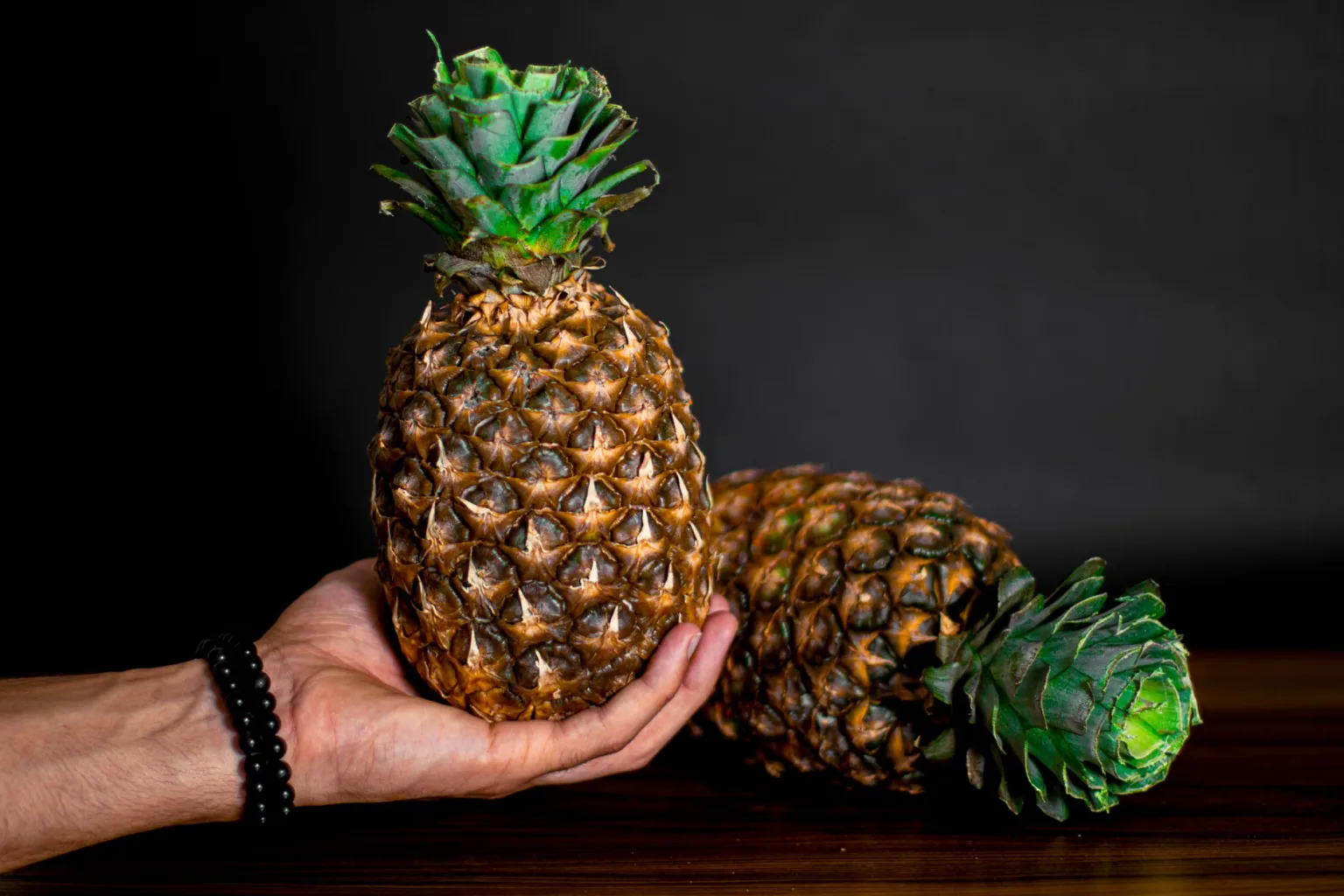
Pineapple is the edible fruit of Ananas comosus, a plant in the bromeliad family. The fruit has a firm, scaly rind, a leafy crown and juicy flesh around a firmer central core. It is sold fresh and also preserved, including in its own juice or in syrup. This profile focuses on fresh whole or cut pineapple: its sweet flavor and refreshing acidity make it useful in a wide range of dishes, not only desserts. The color, sweetness and acidity can vary between fruit, so use texture and condition as well as appearance when choosing one.
When to use it
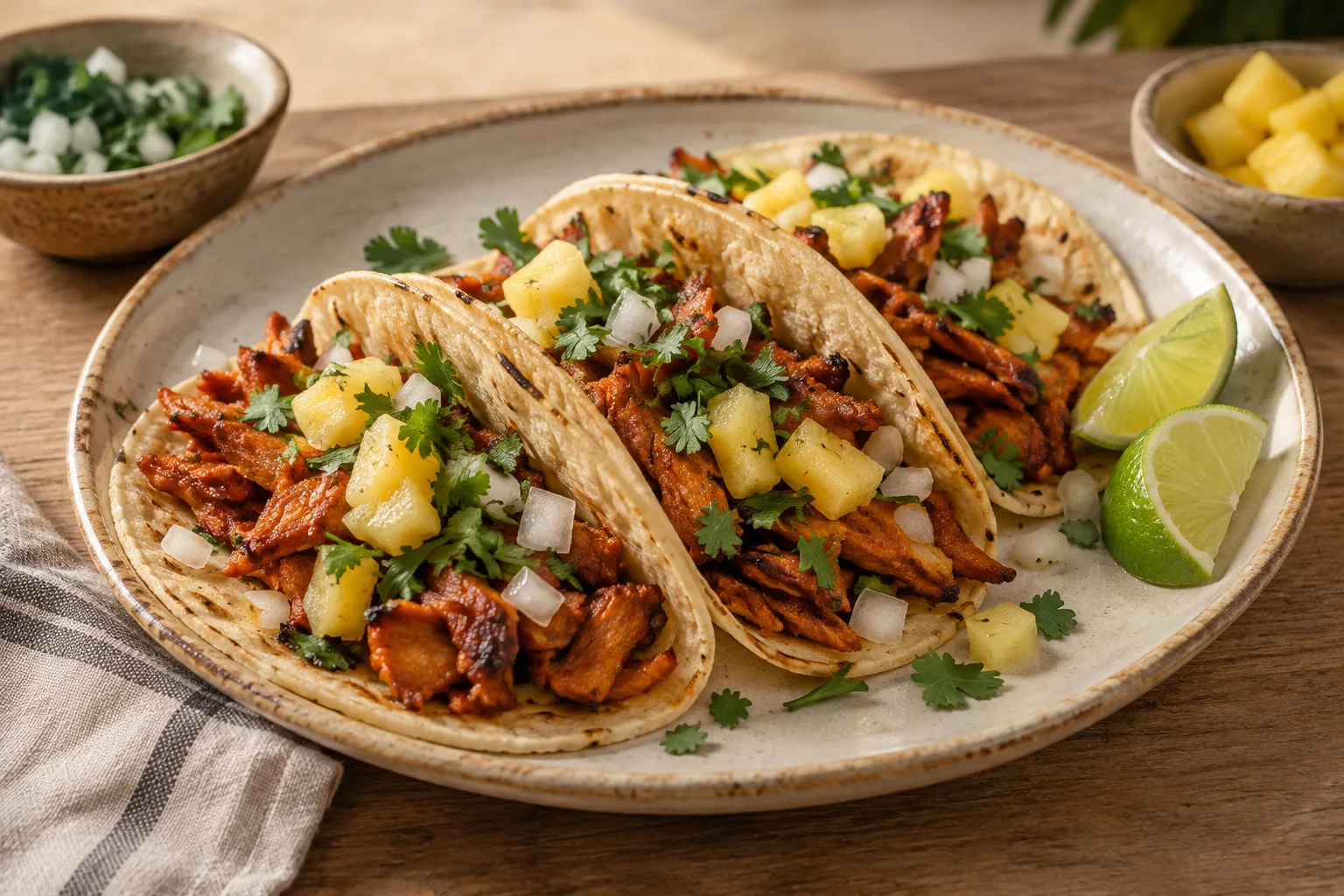
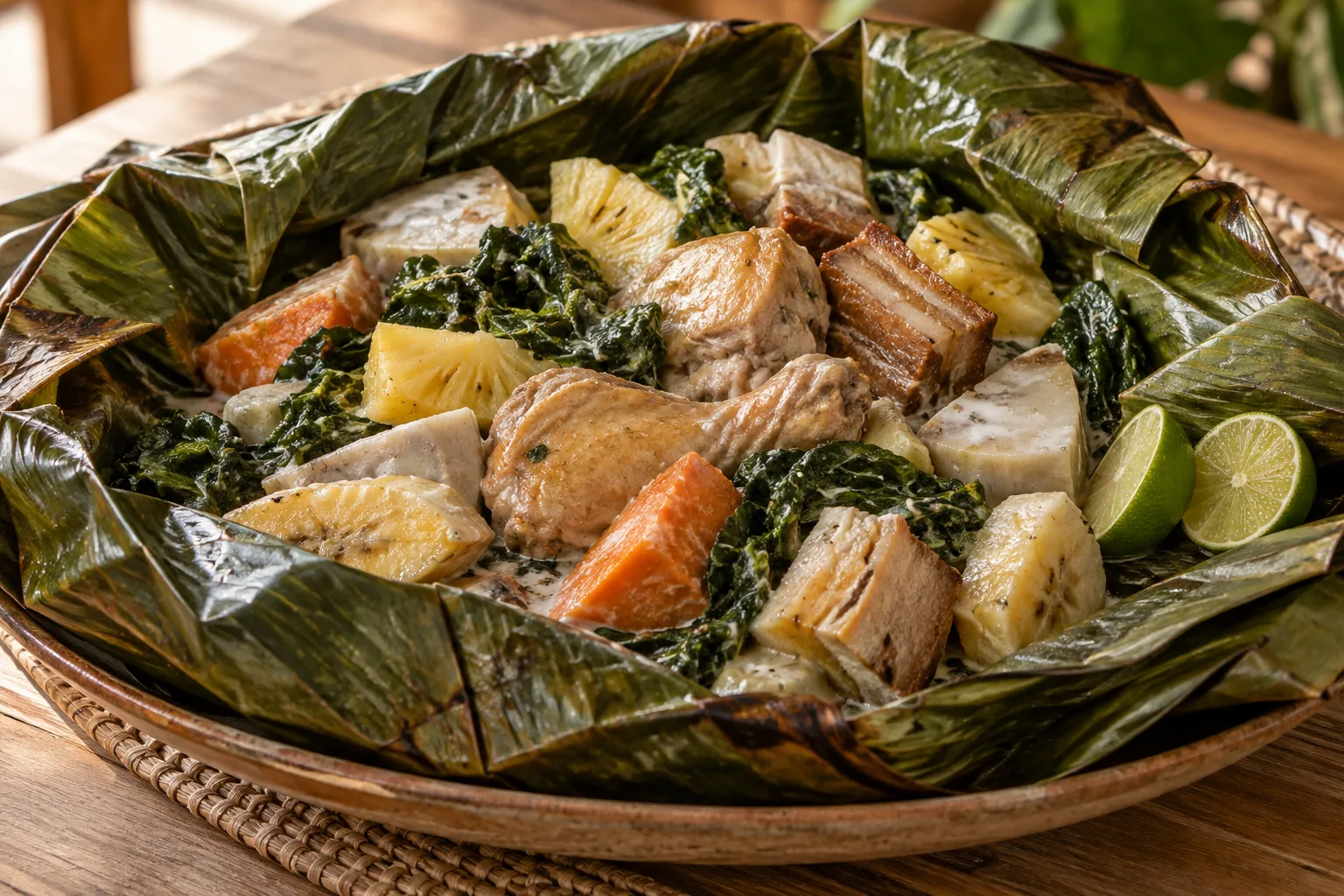
Use fresh pineapple when a dish needs juicy sweetness and a bright acidic note. Serve it as a snack, add it to fruit salads, or pair it with seafood, pork or duck. It also works in tarts and other desserts, and its juice can be used in drinks. Fresh pineapple is available in markets throughout the year because it is supplied from growing regions in different parts of the world. When fresh fruit is not available, canned pineapple can work in some recipes, though the packing liquid and softer texture may change the dish.
How to use it
Rinse the pineapple under running water and dry it before cutting. With a clean knife, remove the crown and base, stand the fruit upright, and slice away the rind; trim off any remaining eyes, then cut the flesh into rings or pieces. Remove the firm core if you prefer a softer bite. Serve the pieces plain, mix them with other fruit, or add them to desserts and drinks. For savory dishes, combine pineapple with seafood, pork or duck. It can also be grilled or roasted on skewers. Once cut, cover the fruit and refrigerate it; use it soon for best quality.
Flavour and texture
Pineapple flesh is generally juicy and sweet, with a lively acidity that balances the sweetness. Color and flavor intensity vary from fruit to fruit. The central core is firmer and more fibrous than the surrounding flesh, so some cooks remove it for a softer texture. In savory food, pineapple adds a distinct fruity aroma and a sweet-tart contrast.
How to choose it
Choose a pineapple with an intact rind and no obvious mold, extensive soft spots or damage. A fruity smell at the base can be a useful sign, while wilted leaves or flabby areas are reasons to pass it over. Rind color alone does not reliably describe every fruit, as appearance varies. Look for an overall firm fruit with no unusual odor or visible signs of spoilage.
Storage
Keep a whole pineapple in a cool, dry place, away from abrupt temperature changes. Cover peeled or cut fruit and refrigerate it, then use it as soon as practical. Keep cut flesh away from dirty surfaces and utensils. Poor storage can reduce quality; discard fruit with mold, extensive soft areas or an unusual odor.
Substitutions
Canned pineapple can replace fresh pineapple in some recipes, but its softer texture and packing liquid affect the result; drain it if the liquid is not wanted. In fruit salads or similar mixed-fruit dishes, peach or pear can fill a comparable role, though their flavor and acidity differ. Adjust the sweetness of the dish to the fruit or type of canned pineapple you choose.
Common mistakes
Do not judge ripeness by rind color alone, and avoid fruit with mold, damaged areas or extensive softness. When peeling, remove the rind and eyes carefully; remove the firm core too if you want a more tender bite. Do not leave cut pineapple uncovered: cover and refrigerate it to help maintain quality.
Safety and allergens
Rinse the fruit under running water before cutting, and use clean hands, a clean knife and a clean work surface. Cover and refrigerate cut pineapple and use it soon. Do not taste fruit that appears spoiled or has an unusual odor.
Culinary uses
- Fresh fruit for snacks and fruit salads
- Sweet-and-tart ingredient in desserts, drinks and savory dishes
Recommended techniques
- Peel and cut into slices or pieces
- Grill or roast on skewers
- Blend or juice for drinks
Pairs well with
- Seafood, pork and duck
- Peach, grape and pear
- Tarts, cakes and other fruit desserts
Frequently asked questions
Can fresh pineapple be cooked?
Yes. Grill or roast it on skewers, or add it to desserts and savory dishes with seafood, pork or duck.
How should I store pineapple after cutting it?
Cover the cut fruit and refrigerate it. For best quality, use it as soon as practical.
Can canned pineapple replace fresh pineapple?
It can in some recipes. Its texture and packing liquid may change the result, so drain it if you do not need the liquid.
Estimated nutrition
- Fat
- 0 g
- Saturates
- 0 g
- Carbohydrate
- 12.9 g
- Sugars
- 10 g
- Fibre
- 1.2 g
- Protein
- 0.59 g
- Salt
- 0 g
Sources and review
Automatically researched, cross-checked and validated content. Sources consulted:
- Client Challenge doi.org
- Culinary - Cibola High School cibola.aps.edu
- Preparing an Emergency Food Supply, Long Term Food Storage | Food Preservation | Food | Extension | UGA FACS fcs.uga.edu
- Kitchen Companion: Your Safe Food Handbook ucanr.edu
- E-118: Storing Food Safely | New Mexico State University - BE BOLD. Shape the Future. pubs.nmsu.edu
- Home Food Storage | UNL Food | Nebraska food.unl.edu
- Storing Food for Safety and Quality wpcdn.web.wsu.edu
- Para la ciudadanía aesan.gob.es
- Food Storage: Refrigerator & Freezer | Home & Garden Information Center hgic.clemson.edu
- Piña: beneficios, propiedades y formas de disfrutarla mercadosantamariadelacabeza.es
- Piña. ¿Qué es? Beneficios y usos en la cocina abc.es
- Piña- Gastronomía - Región de Murcia Digital regmurcia.com
- Redescubre la piña, la reina de las frutas tropicales: propiedades, beneficios y cinco recetas para disfrutarla directoalpaladar.com
- Piña - Gastronomía Vasca: Escuela de Hostelería Leioa gastronomiavasca.net