- Category
- Vegetables
- State
- Fresh
- Usual unit
- g
What it is
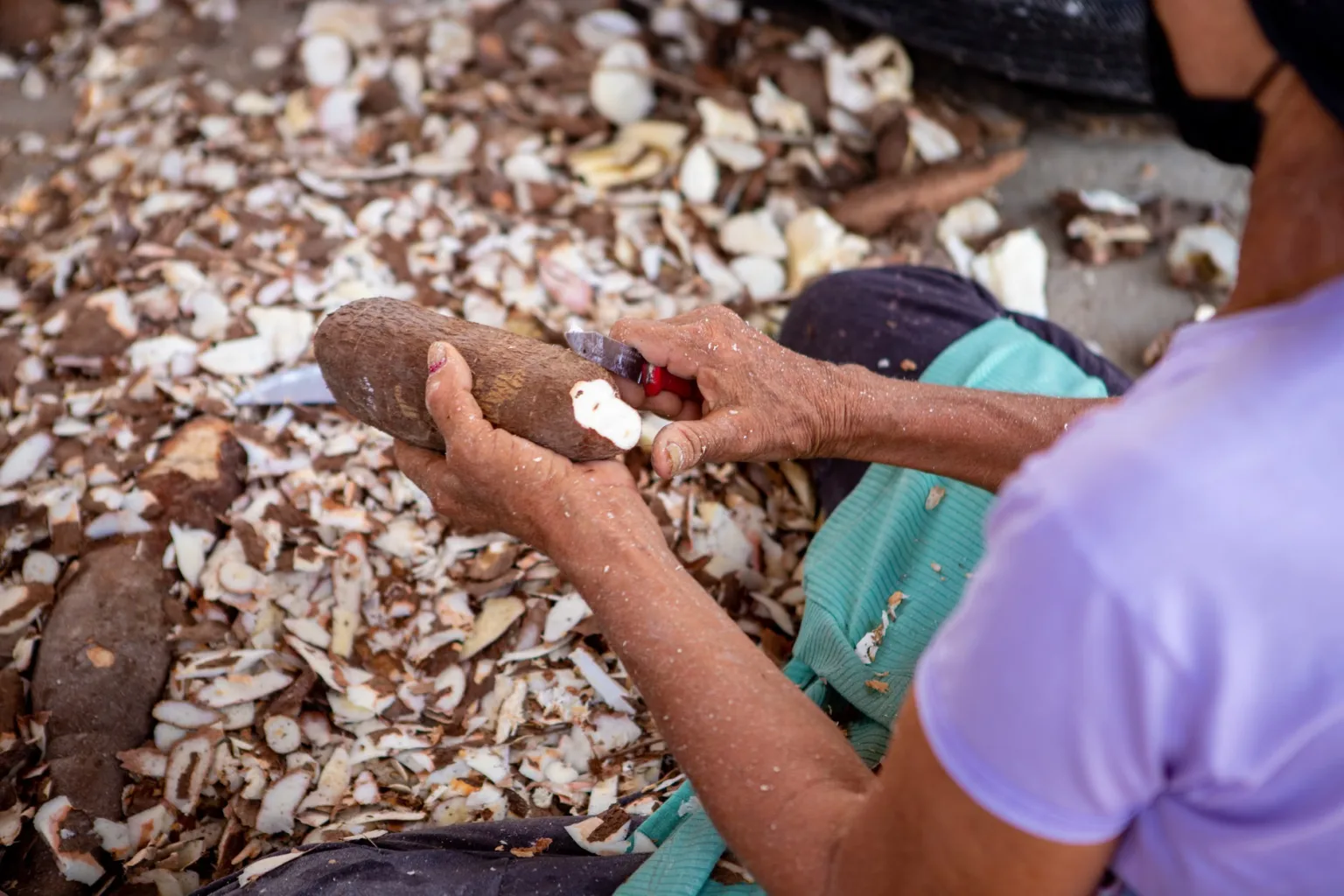
Yam is the edible tuber of several plants in the Dioscorea genus. The name does not refer to just one variety: flesh may be white, yellow, or purple, and flavor and texture differ among types. In general, yam is starchy and mild, with a neutral to slightly sweet taste. Its elongated shape and rough skin can lead to confusion with sweet potato or cassava, but these are different foods. A common name alone may not identify the exact species, so use the appearance and any information provided by the seller or package as well.
When to use it
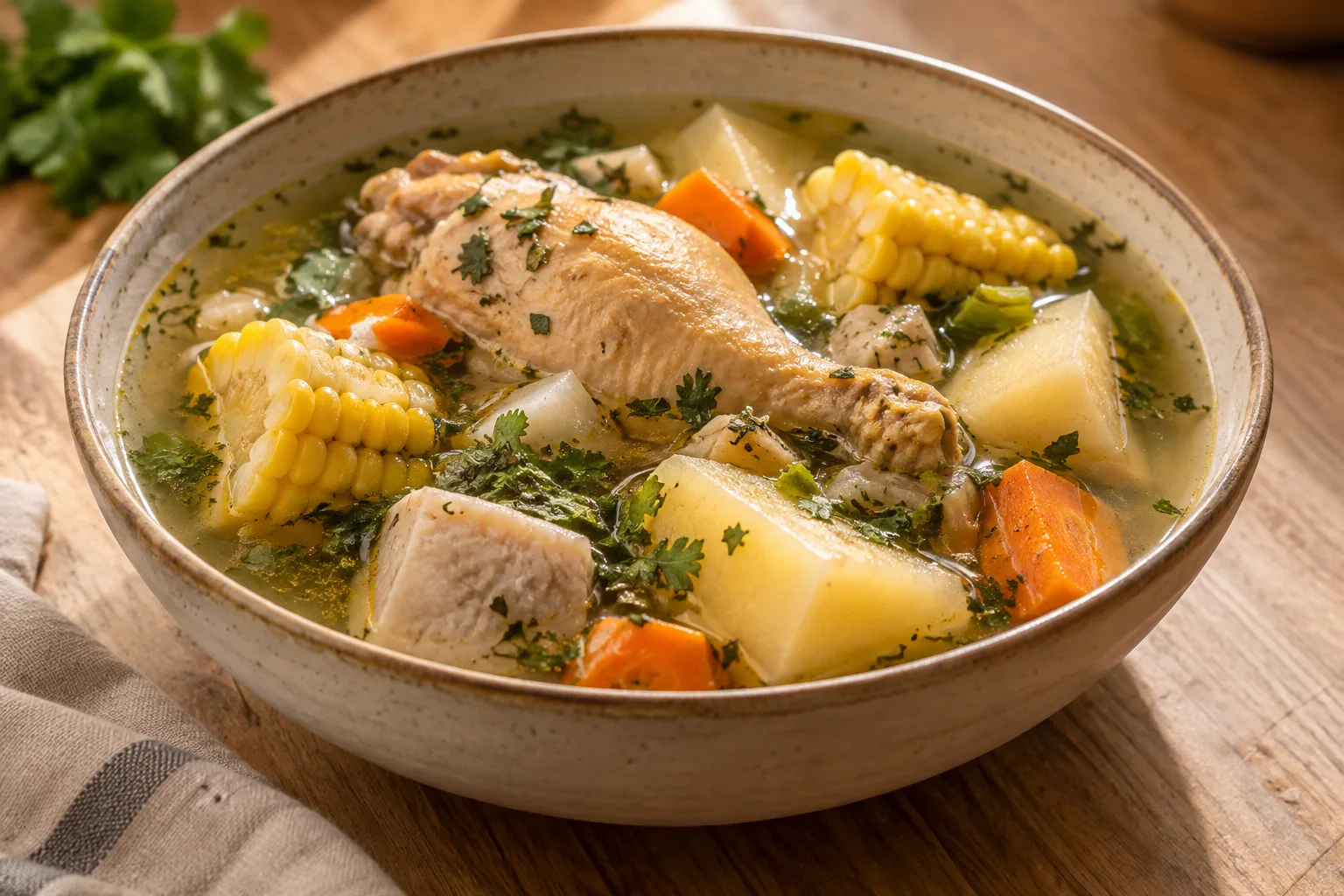
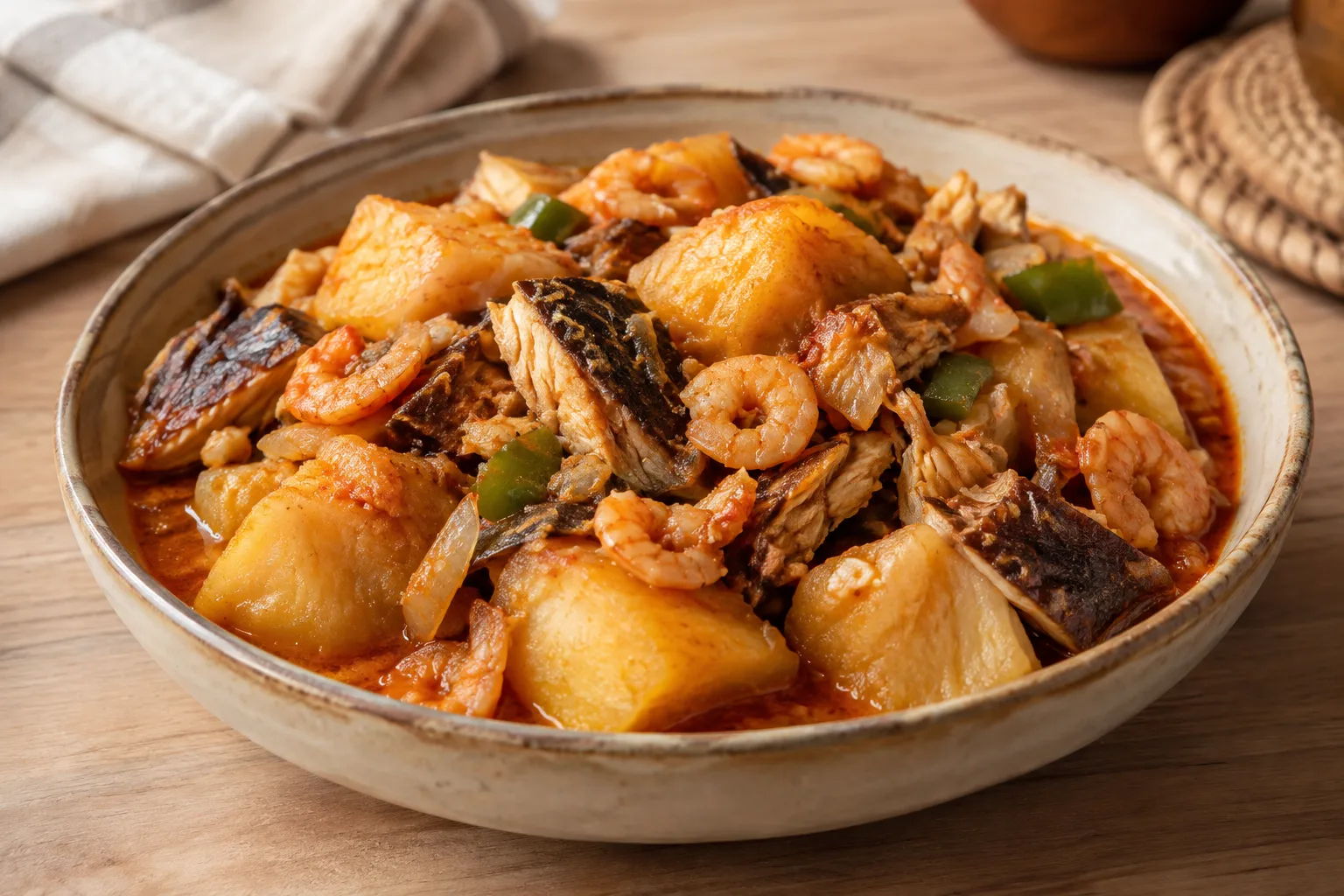
Use yam when you want a starchy base to add body to soup or stew, or a side dish that can be served in pieces or mashed. Boiled and pounded, it can become a thick, elastic preparation such as fufu; roasting and frying offer other ways to serve it. Since varieties differ in color and texture, choose the type available with the intended dish in mind rather than assuming every yam cooks in exactly the same way.
How to use it
Peel the tuber and cut it into manageable pieces; the skin can be rough and firm. For a simple preparation, boil the pieces until tender and serve them whole, or mash them into a purée. Yam can also be roasted or fried, and pieces can be added to soups and stews for substance. For an elastic mashed preparation, cook and pound the yam, as in traditional fufu. Cooking time and final texture depend on the size of the pieces and the variety, so check tenderness as it cooks. Keep hands, utensils, and work surfaces clean during preparation.
Flavour and texture
Yam is usually mild, neutral, or slightly sweet, making it a good partner for broth, spices, and sauces. The flesh may be white, yellow, or purple depending on the variety. Once cooked, it can become tender and creamy when mashed or remain in pieces; some pounded preparations develop a thick, elastic consistency. Do not assume every type has exactly the same flavor or texture.
How to choose it
Choose a tuber that feels firm and has intact skin without visibly damaged areas. If it is cut or packaged, look at the flesh color and check the variety name when available: yam flesh may be white, yellow, or purple. Do not assume the common name identifies one exact species, and make sure the product is the ingredient you intend to buy.
Storage
The available evidence does not establish a storage period or specific conditions that apply to every kind of fresh yam. Follow the seller's or package's instructions, and handle it with clean hands and surfaces. Inspect the tuber before use and discard visibly spoiled portions; do not taste food if its safety is in doubt.
Substitutions
Sweet potato, cassava, and taro can stand in when yam is unavailable, but they are not identical. Their flavor, color, and texture differ, and a mashed dish may turn out differently. Adjust the cut and cooking to suit the substitute, and do not expect it to reproduce yam's result exactly.
Common mistakes
Do not treat yam, sweet potato, and cassava as interchangeable names: they are different ingredients. It is also a mistake to assume that every yam variety has the same flesh color or texture. Choose with the intended dish in mind, and check tenderness as it cooks instead of relying on one universal cooking time.
Safety and allergens
Cook yam before eating it. Keep hands, utensils, and work surfaces clean during preparation; if the tuber is visibly spoiled or you cannot identify it with confidence, do not eat it.
Culinary uses
- Acompañamiento rico en almidón
- Base para purés, sopas y guisos
- Ingrediente para masas tradicionales como el fufu
Recommended techniques
- Hervir
- Asar
- Freír
- Machacar o triturar después de cocinar
Pairs well with
- Ajo y cebolla
- Caldo y otras verduras
- Salsas y guisos condimentados
- Queso y cítricos
Frequently asked questions
Is yam the same as sweet potato or cassava?
No. Yam belongs to the Dioscorea genus; sweet potato and cassava are different foods, though they can be confused because of their shape or uses.
What colors can yam flesh be?
Depending on the variety, the flesh may be white, yellow, or purple.
How can I cook yam?
It can be boiled, roasted, or fried. After cooking, it can also be mashed for purée or preparations such as fufu.
Estimated nutrition
- Fat
- 0 g
- Saturates
- 0 g
- Carbohydrate
- 28 g
- Sugars
- 0.67 g
- Fibre
- 4 g
- Protein
- 1.33 g
- Salt
- 0.02 g
Sources and review
Automatically researched, cross-checked and validated content. Sources consulted:
- Client Challenge doi.org
- The Essential Glossary of Cooking Terms for the Culinary Arts - Escoffier escoffier.edu
- Food Selection & Storage | Home & Garden Information Center hgic.clemson.edu
- Chapter 2: In the Kitchen (Storing and Preparing Food; Preventing Food Waste) – Culinary Medicine opentextbooks.library.arizona.edu
- Kitchen Companion: Your Safe Food Handbook ucanr.edu
- Comité Científico aesan.gob.es
- Storing Staple Ingredients in the Kitchen extension.psu.edu
- E-118: Storing Food Safely | New Mexico State University - BE BOLD. Shape the Future. pubs.nmsu.edu
- Food Storage and Safety Tips | UGA Online | Online Degrees, Certificates and Courses online.uga.edu
- Five Essential Gifts for the Foodie in Your Life (Modern Cuisine Edition) | Institute of Culinary Education ice.edu
- El ñame: Un tesoro nutricional y gastronómico | Blog | MenuDiet ® menudiet.es
- Ñame: Origen y Características en Cocina Cubana | RecetaCuba | Receta Cubana recetacubana.app
- Ñame: el tubérculo que mejora la memoria y las conexiones neuronales plataformatierra.es
- Ñame en la alimentación – Botanical-online botanical-online.com
- Ñame | www.cocinista.es cocinista.es