Documentary synthesis prepared with AI assistance. It does not replace specialist review or certify kitchen testing. · Updated 12 November 2026
A maize staple and many accompaniments
Malawi is a landlocked country in southeastern Africa, but its food includes fish from Lake Malawi as well as foods grown and prepared inland. The sources describe a cuisine built around maize, rice, beans, vegetables, meat, fish and fruit. Which foods appear together depends on the meal and place; no single plate represents every household or community.
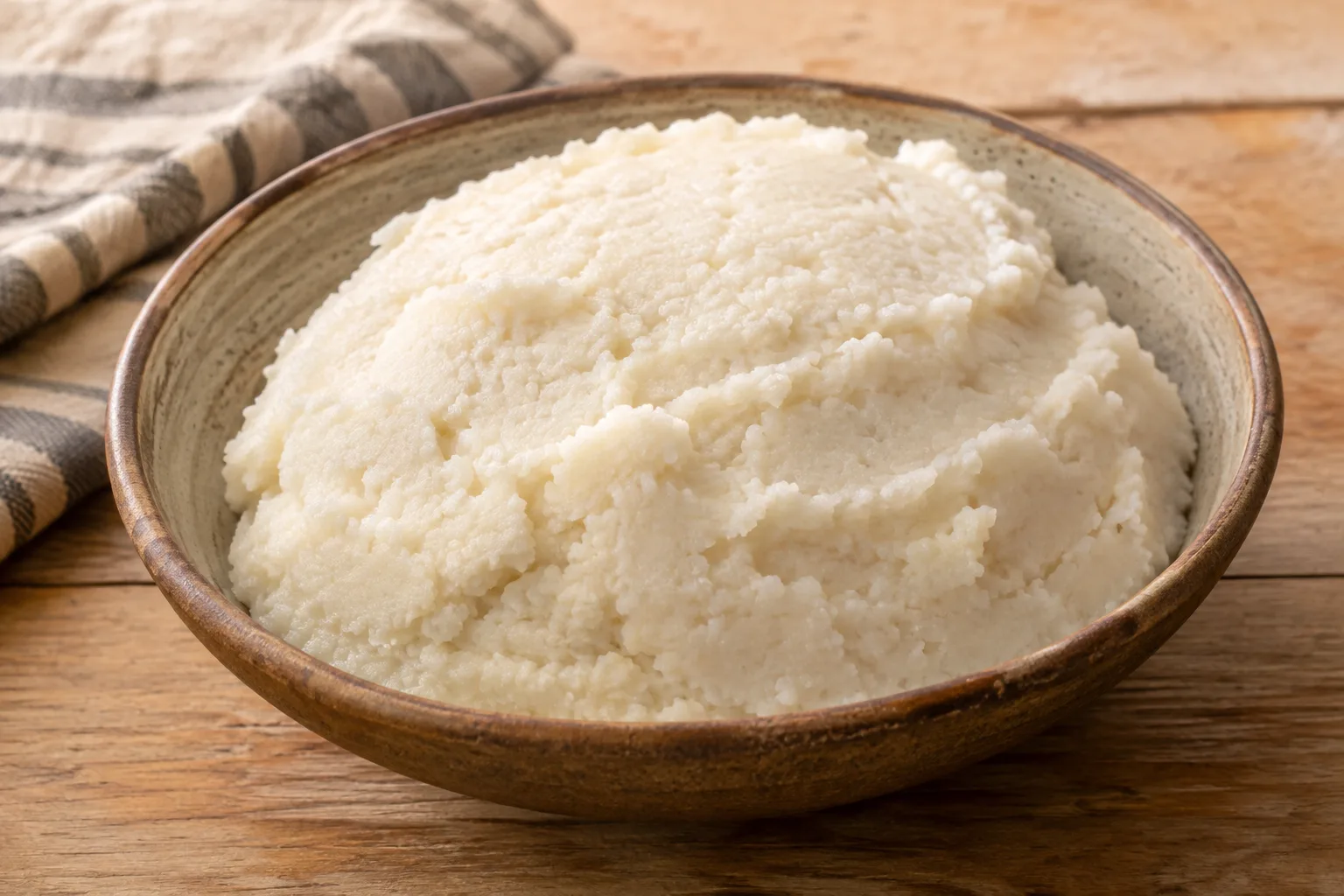
The clearest shared structure is nsima, a thick porridge generally made with maize flour and water, served with ndiwo—vegetable, bean, meat or fish accompaniments. Rice and breakfast porridges also appear in the documented repertoire, while regional references name dishes not reducible to nsima. The country’s foodways are therefore better understood through staple and relish, everyday and festive practice, and local variation than through a single national menu.
Lake fish, especially chambo, connects meals to the country’s large freshwater lake. At the same time, vegetables such as pumpkin and cassava leaves, groundnuts, sweet potatoes and maize point to a strong relationship between cultivated ingredients and household cooking. The evidence here documents selected foods and practices, not a complete inventory of Malawi’s cuisines.
The history held in a culinary practice
The most clearly documented historical story is not a chronology of every Malawian dish but the continuing practice surrounding nsima. Its preparation depends on a chain of knowledge: growing maize, storing it, processing it into flour, selecting foods to accompany it, and cooking and serving the meal. That chain connects food preparation with agricultural and family life.
In 2017, Malawi’s nsima culinary tradition was inscribed on UNESCO’s Representative List of the Intangible Cultural Heritage of Humanity. The inscription concerns a compound tradition—the porridge and the wider practices and knowledge around it—not all food in Malawi. Communities sustain it through continued cooking, learning between generations, educational materials, recipes, festivals and revitalization activities. Restaurants also serve nsima, placing a familiar home food in public settings.
The available evidence does not provide a sufficiently detailed history of culinary exchange to trace particular dishes to a single origin or to narrate a national cuisine through colonial-era change. It does show that maize processing and the selection of accompaniments are part of a living practice. This distinction matters: a recognized heritage tradition offers an important view into Malawi’s food culture, but it should not be treated as a complete account of the country’s diverse cooking.
Maize, lake fish, leaves and groundnuts
Maize is central, especially as flour for nsima, but it appears in other forms too. Sources describe whole-ground maize porridge, mgaiwa phala, as a breakfast food, usually sweetened, and identify rice phala as another breakfast porridge. Maize is also used in the fermented drink thobwa, described as made with white maize and millet or sorghum; maheu is separately described as a thick, sweet fermented-maize drink.
Fish from Lake Malawi includes chambo, usipa and mpasa in the documented food vocabulary. Chambo is commonly described as grilled or fried. Beans and meats, including goat and chicken, provide other accompaniments. Leafy vegetables named in the sources include pumpkin and cassava leaves, as well as sukuma wiki. They may be cooked with onion, tomato and groundnut sauce. Groundnut flour is also used in a recipe for pumpkin leaves, while sweet potatoes appear as a food in their own right and in the name futali.
The pantry extends to tropical fruits such as mangoes, papayas and bananas, often eaten fresh. Tea grown locally is a familiar drink in the account of Malawi’s food and drink. These ingredients do not imply that every household uses them in the same way: they map a range of documented products and preparations rather than a fixed store cupboard.
Soft porridge, cooked greens and crisp contrasts
The most prominent texture is the thick, cohesive porridge of nsima. Its role is not simply to fill a plate: portions can be broken off and used to take up a relish or stew. The accompanying foods change the meal’s texture and character, from tender greens and beans to fish or meat. The sources describe these combinations more clearly than they define a single national flavour profile.
Leaf dishes make a particularly concrete pairing. Ndiwo can refer to vegetable accompaniments, and a documented preparation uses chopped greens with onion and tomato. Pumpkin leaves, or mkhwani, are also cooked with groundnut flour. This brings the mild, soft texture of cooked leaves together with a richer nut-based sauce, though the exact seasoning varies by recipe and is not consistently specified across the evidence.
Fish offers another contrast: chambo is described as grilled or fried, while a lake-shore meal is associated with charcoal-grilled batala and kondowole. In Mulanje, boiled makaka and crispy grasshoppers are named alongside kalongonda. Such examples point to different textures—soft, simmered, crisp or grilled—without warranting a single description of what all Malawian food tastes like. Kachumbari, a tomato, onion and chilli salad, adds a fresh accompaniment in one documented recipe tradition.
Learning, sharing and keeping the practice alive
The tradition of nsima brings food preparation and social life together. The UNESCO description presents family sharing as an opportunity to strengthen bonds and notes customs associated with cleanliness, moderation and cohesion at meals. Knowledge passes informally between adults and children and also through education and practical training. Its account of children learning different tasks is evidence about the tradition described, not a rule that every family follows an identical division of work.
Harvesting and processing maize can also involve collective and family labour. One account describes maize being harvested by hand and taken to village mills to be ground; traditional pounding and sifting are also part of the knowledge surrounding nsima. Communities maintain the practice through everyday cooking and through school materials, recipes, festivals and revitalization work. These are documented forms of transmission and safeguarding, not proof that every community celebrates the same food festival.
Food also appears in contemporary hospitality and public life. Restaurants in Malawi commonly feature nsima, and a report on tourism describes hotels serving traditional dishes on Fridays. Such occasions offer ways to encounter local food beyond the home, while remaining distinct from a national ritual calendar. The enduring tradition lies in the combination of practical knowledge, familiar meals and shared eating, rather than in one prescribed ceremony.
From grain to flour, then to the cooking pot
Nsima depends on a sequence of transformations. Maize is grown and stored, then made into flour by pounding or milling; flour may be sifted before it is cooked with water. The UNESCO description emphasizes that knowledge extends from grinding maize to selecting and preparing the foods served alongside the porridge. This makes the technique broader than a single pot recipe: it includes the work that prepares the grain and the judgement involved in completing the meal.
One documented cooking method gradually adds maize flour to water while stirring, then continues cooking until the mixture becomes very thick and smooth. A sturdy wooden spoon is mentioned in a recipe account, and large quantities may require substantial effort to stir. These details describe a particular written method rather than a universal utensil or exact ratio. A different account describes village mills alongside the traditional use of a mortar and pestle, showing that processing methods can coexist.
Other recorded techniques include grilling or frying chambo, grilling batala over charcoal, simmering greens with tomato and onion, cooking pumpkin leaves with groundnut flour, and boiling makaka. Meat is also described as grilled, roasted or stewed. The evidence supports this variety of methods, but not a complete inventory of cookware or a single cooking technique shared across the country.
A meal built around the staple and its relishes
A meal centred on nsima pairs the porridge with foods that bring variety to the table: vegetables, beans, fish or meat. The accompaniments are not incidental. Selecting and preparing them is part of the culinary knowledge associated with the nsima tradition. A household meal may include one or more relishes, but the sources do not establish one fixed set or serving arrangement for the whole country.
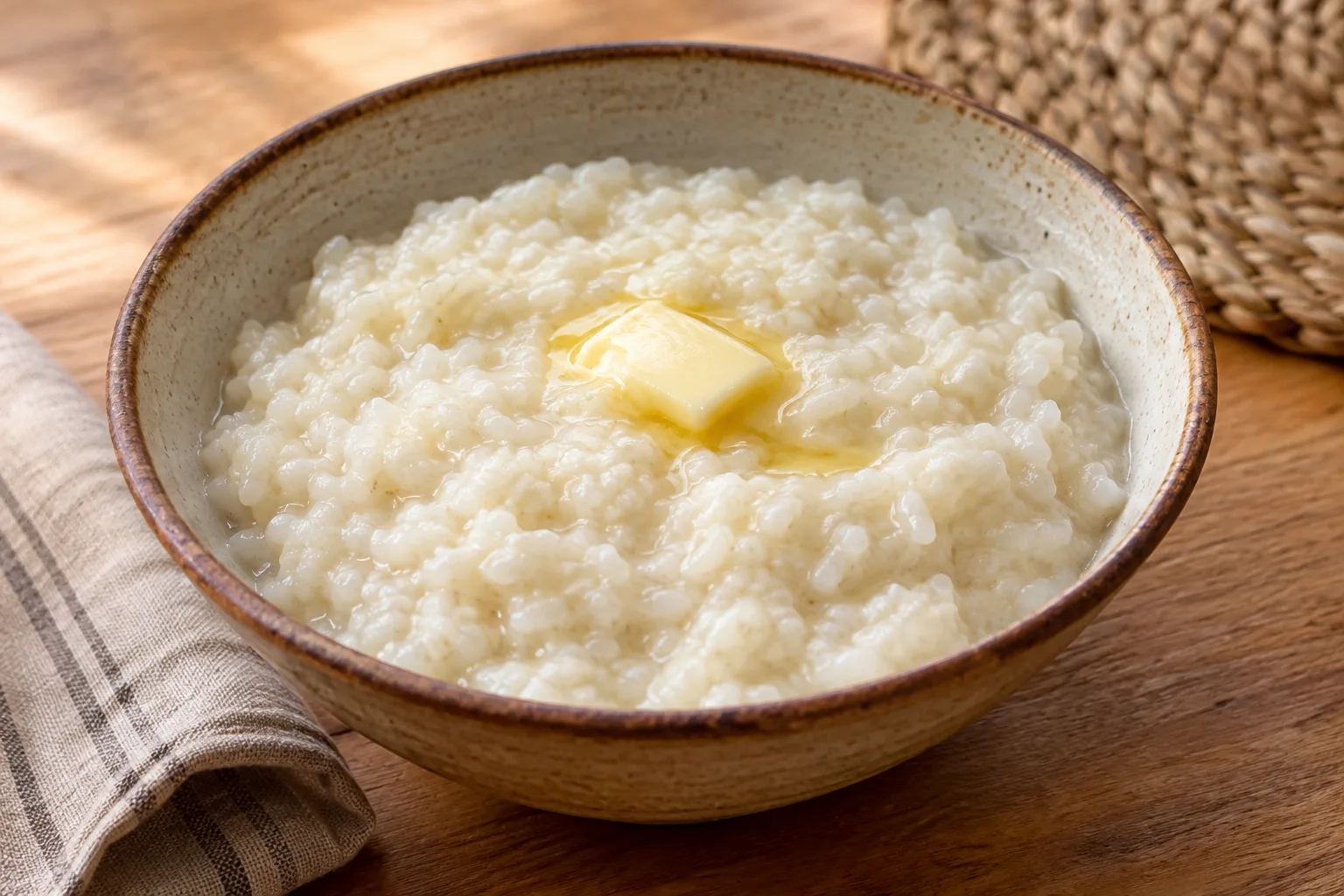
The documented repertoire spans different occasions. Mgaiwa phala and rice phala are described as breakfast porridges; rice may also be served with vegetables. Fresh fruit, including mango, papaya and banana, is part of the wider food picture. Tea is a locally grown drink, while thobwa and maheu add fermented maize drinks to the vocabulary. These foods and drinks need not appear together: they are examples of distinct preparations and uses.
Nsima may be eaten by hand. A documented account describes washing hands first, breaking off a portion with the right hand, shaping it and using it to take up sauce. Another source describes washing hands before and after a meal and waiting for a host or elder to begin in some family settings. These are useful descriptions of particular table practices, not rules to impose on every meal. Restaurants and hotel menus provide other settings in which nsima and regional dishes are served.
A glossary of foods and preparations
These names identify specific foods or broad preparation categories in the documented Malawian repertoire. Where the sources do not provide a stable ingredient list or a single recipe, the definition stays deliberately concise.
- Nsima: Thick porridge, generally made from maize flour and water; also the name of the broader culinary and dietary tradition around it.
- Ndiwo: A vegetable relish or accompaniment served with nsima; the term can cover different preparations rather than one fixed recipe.
- Kondowole: A sticky cassava-flour-and-water food associated in the evidence with northern Malawi and with fish in a lake-shore meal.
- Chambo: A freshwater fish from Lake Malawi, described as grilled or fried.
- Mkhwani: Pumpkin leaves, also used in a documented preparation with tomato and groundnut flour.
- Mgaiwa phala: Breakfast porridge made from whole-ground maize, usually sweetened in the account describing it.
- Thobwa: Fermented drink made from white maize and millet or sorghum.
- Kachumbari: Fresh salad centred on tomato, onion and chilli; one documented version also includes cucumber.
Names and the scope of a dish may vary across communities and sources. These definitions describe the foods as documented here, without assigning ingredients or preparation methods that the evidence does not establish.
One country, many cuisines
Northern Malawi
Kondowole is associated in the available descriptions with northern Malawi and is identified as a regional speciality. It is also documented as a sticky food made from cassava flour and water and as an accompaniment to fish. The evidence does not specify its distribution among communities or establish one standard recipe, so this association should not be read as a complete portrait of food across the north.
Lake Malawi Shores
Food references to the lake shores include freshwater fish and dishes pairing fish with other local preparations. Chambo is described as grilled or fried, while one reported combination brings together kondowole, charcoal-grilled batala and chigwada. These examples document a lakeside food vocabulary; they do not show that every lakeshore community eats the same dishes or prepares them in the same way.
Mulanje
A food-tourism account associates Mulanje with boiled makaka, kalongonda and crispy grasshoppers. It names these foods but does not provide enough detail to define the ingredients or recipes for makaka and kalongonda. The examples make Mulanje a documented place-specific reference in this atlas, not a basis for generalizing about every household or the full culinary character of the area.
Cook