Documentary synthesis prepared with AI assistance. It does not replace specialist review or certify kitchen testing. · Updated 12 November 2026
A landscape of coast, mountain and farm
Norway’s foodways are shaped by a country where a long, indented coast meets fjords, high ground, forests and relatively little arable land. Fish and seafood are central in coastal areas, while farming, hunting and gathering contribute other foods. Cod, herring and salmon appear fresh as well as preserved; inland and northern food traditions also include lamb and game such as reindeer and elk. Potatoes, grains, dairy and root vegetables help make meals substantial.
Season and place matter as much as any single national dish. Short growing seasons and long winters made it useful to preserve foods for later, while local access to fish, livestock and wild ingredients shaped distinct regional habits. Today, familiar preparations sit alongside foods and dishes from elsewhere. A fish soup, a plate of cured meat, a packed sandwich and a Christmas lamb dish may all belong to Norwegian food culture, but none alone describes every household or region.
Preserving food and exchanging it
Preservation was a practical response to periods when fresh food was harder to obtain. Before household refrigerators became widespread around the 1950s, families dried or salted fish and meat and pickled fruits and vegetables. Making use of available ingredients—and of different parts of fish and animals—helped extend supplies through winter. Many dishes now associated with holidays and celebrations have connections to this older economy of keeping food.
Dried cod also linked food to trade. Tørrfisk, usually cod dried in cold air without salt, could be stored for long periods, and its trade was associated with Bergen’s growth as a commercial centre. Klippfisk is a different product: fish is salted before it is dried. Potatoes arrived in Norway in the eighteenth century and were used in some contexts as a grain substitute before becoming a common ingredient in meals. They were particularly important during the 1940–1945 occupation. Contemporary Norwegian food has also absorbed international influences, while older dishes remain part of family and seasonal cooking.
Fish, potatoes, dairy and gathered foods
The pantry draws on both sea and land. Cod, herring and salmon are widely used, with freshwater trout and shellfish adding local variety. Fish may be eaten fresh, dried, salted, smoked, cured or pickled. The distinction between tørrfisk and klippfisk is useful: the former is dried unsalted, while the latter is salted before drying. Herring may be salted or pickled; salmon is also cured with salt, sugar and dill.
Potatoes, cabbage, carrots and other root vegetables provide everyday accompaniments and ingredients for dumplings and stews. Barley flour appears in some porridges. Dairy includes sour cream and brunost, a brown whey-based product with a notably sweet, caramel-like taste. Wild berries, including cloudberries and lingonberries, can be used in sweets or served with savoury foods. In northern households, game and gathered seasonal foods are also documented. This is a pantry of fresh foods and preserved stores together, with the balance varying by region, season and household.
Salty, sour, sweet and deeply savoury
Many preparations keep the main ingredient recognisable rather than masking it. Drying and salting intensify fish’s savoury, sometimes strongly salty character; pickled herring brings fish together with vinegar, onion and spices. Cured salmon combines salt and sugar with dill, creating a gently sweet and aromatic balance. Fresh or simply cooked fish is often served with potatoes and vegetables, while butter-based sauces offer richness alongside the fish.
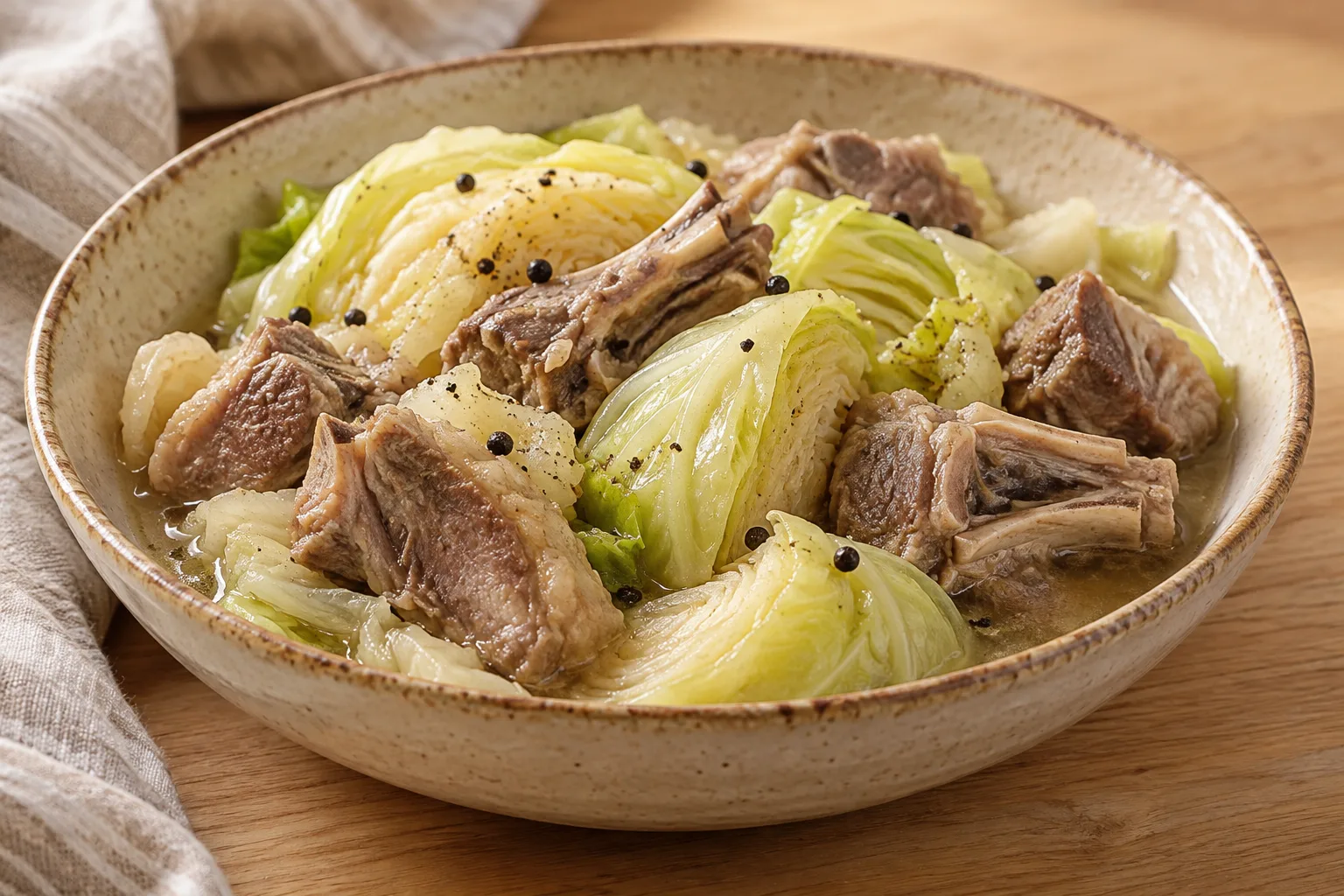
Slow-cooked meat dishes develop a different kind of depth. In fårikål, lamb or mutton and cabbage soften together with salt and peppercorns, making a hearty stew from a short ingredient list. Lingonberries can provide a tart, fruity counterpoint to meat. Brunost is distinct from a conventional salty cheese: its sweet, caramel-like character comes from the dairy product itself. Texture is just as varied: firm dried fish, tender stew, creamy porridge, crisp flatbread and fermented trout each offer a different experience. There is no single flavour profile that defines every Norwegian table.
Seasonal meals and family occasions
Several Norwegian food traditions are associated with a particular time of year or celebration. Fårikål, a lamb or mutton and cabbage stew, is especially associated with autumn, when cabbage and lamb are available. It is often served with boiled potatoes, and a pot shared among family or friends can turn the meal into a relaxed gathering. The dish is widely known across Norway, though its historical regional association is with the west.
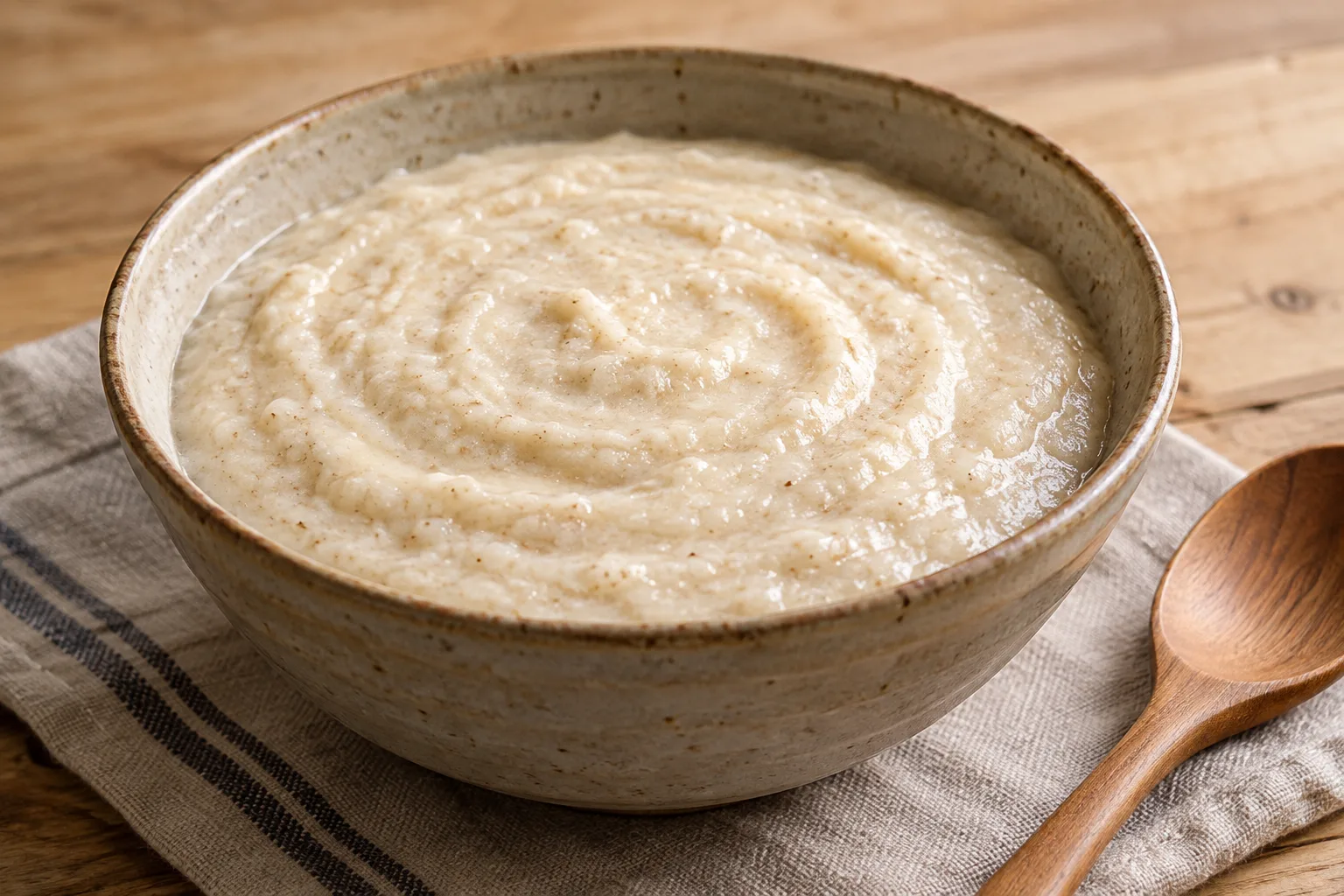
Christmas meals vary by region and household. In parts of western Norway, pinnekjøtt—salted and dried lamb or mutton ribs, sometimes smoked—is a customary festive dish, often served with potatoes and mashed swede. Pork preparations are also important at Christmas, and lutefisk, made from dried whitefish treated with lye and rehydrated, appears in festive-season meals. Rømmegrøt, a sour-cream porridge, is associated with special occasions and may be served with cured meat and flatbread. These are documented traditions, not a uniform national menu. Recipes and preferences continue to be passed on within families while everyday eating also reflects wider international influences.
Drying, curing and cooking slowly
Drying, salting, smoking, pickling and fermentation preserve foods while also giving them distinctive tastes and textures. Tørrfisk is dried in cold air and wind without salt; klippfisk is salted before drying. Herring can be pickled in an acidic mixture, while cured salmon uses salt, sugar and dill. Rakfisk is fermented trout, a preparation with a pronounced flavour. Lutefisk follows another route: dried whitefish is treated with lye and then rehydrated before cooking.
Slow cooking makes tougher cuts tender and allows simple ingredients to meld. For fårikål, layers of meat and cabbage are simmered with water, salt and pepper until tender. Porridge is cooked in a pot; rømmegrøt combines sour cream and flour, with milk used to adjust its consistency. Potatoes may be boiled, mashed, baked or fried, and grated potato is used for dumplings such as komle. These methods reflect both preservation and the practical handling of available ingredients. They remain part of contemporary cooking, alongside refrigeration and newer ways of preparing food.
Packed lunches, warm suppers and shared pots
Bread and open-faced sandwiches are familiar parts of everyday eating. A matpakke is a packed meal for taking along, often made up of simple sandwiches; bread may be topped with cheese, jam or other accompaniments. A warm meal commonly centres on fish or meat with potatoes and vegetables, though household routines and meal times differ. The practical packed lunch and the more substantial cooked meal are both part of the picture, rather than competing definitions of Norwegian food.
Some meals are especially suited to company. A pot of fårikål can be placed at the centre of an autumn gathering, while cured meats may accompany rømmegrøt and flatbread. At Christmas, choosing between regional and family favourites such as pinnekjøtt, pork or lutefisk reflects varied local customs. Bergen’s fish dishes offer another kind of shared table, with fish soup and persetorsk, pressed and seasoned cod, among the documented preparations. What is served depends on place, season and household; no single schedule or arrangement represents the whole country.
A glossary of Norwegian foods
These terms refer to specific products and preparations found in Norwegian food traditions:
- Tørrfisk: fish, usually cod, dried in air without salt.
- Klippfisk: fish that is salted before drying, distinct from unsalted tørrfisk.
- Rakfisk: fermented trout, known for its pronounced flavour.
- Lutefisk: dried whitefish treated with lye, rehydrated and cooked.
- Rømmegrøt: sour-cream porridge made with flour and milk; a festive food that may be served with cured meats.
- Fårikål: lamb or mutton and cabbage stew, traditionally cooked slowly with salt and pepper.
- Komle: a boiled dumpling made from potato and flour, with regional names including raspeball and potetball.
- Brunost: a brown, sweet-tasting whey-based dairy product with caramel-like notes.
- Pinnekjøtt: cured lamb or mutton ribs associated especially with Christmas meals in western Norway.
- Matpakke: a packed meal, often consisting of open sandwiches prepared to take along.
One country, many cuisines
Western Norway and Bergen
The western coast connects fishing and maritime exchange with local fish dishes. Bergen’s history as a trading centre is associated with dried cod, or tørrfisk. Documented local preparations include Bergen fish soup and persetorsk, cod salted, sugared and pressed before cooking. In parts of the west, Christmas meals include pinnekjøtt, cured lamb or mutton ribs. These examples point to particular regional traditions rather than a uniform cuisine across all of western Norway.
Southwestern Norway
Southwestern Norway is associated with komle, a boiled potato-and-flour dumpling also known by names such as raspeball and potetball. The preparation has regional variations and is often served with salted or smoked meat, vegetables and potatoes. In Stavanger, a Thursday meal of komle is documented as komle-torsdag. Sour-cream porridge, rømmegrøt, is also described as festive food in the region, often served with cured meats and crisp flatbread.
Northern Norway and Sámi communities
Food traditions described for northern Norway include coastal fishing and foods gathered according to season. The available accounts also identify Sámi communities’ historical relationship with reindeer herding, and reindeer is among the game meats consumed in the north. In autumn, wild berries, game and mushrooms are noted in households around Tromsø. These examples document particular foods and practices; they are not a comprehensive account of all Sámi communities or of every northern household.
Cook