Documentary synthesis prepared with AI assistance. It does not replace specialist review or certify kitchen testing. · Updated 12 November 2026
An Atlantic archipelago with a layered food culture
Saint Pierre and Miquelon is a French territory in the northwestern Atlantic, close to Newfoundland. Its two principal islands, Saint-Pierre and Miquelon, lie within a small archipelago exposed to cold waters, wind and frequent fog. The setting makes fishing an essential part of the territory’s history, but it does not account for every part of its food culture. Island cooking brings together maritime ingredients, French culinary forms and local farming and food-making.
Cod and other seafood have long been important, while contemporary producers also raise animals, grow vegetables and herbs, and make cheeses and preserves. The resulting foodways encompass home dishes, products made on a small scale, and restaurant cooking that may change with the season. Some dishes are known through specific descriptions of family meals or community events; they should not be treated as universal customs.
This atlas describes one archipelago rather than dividing it into culinary regions for which the available evidence does not establish distinct boundaries. Its food is best understood through the documented links among sea, household, producer and table. [Remove source markers in render?]
Fishing, exchange and the memory of cod
The history of Saint Pierre and Miquelon is closely connected to the North Atlantic cod fishery. European fishing crews came to these waters over centuries; accounts name Basque, Breton and Norman connections among the people associated with the islands. French political ties in North America, changing control of the territory and its proximity to Newfoundland placed the archipelago within wider maritime networks rather than in isolation. These movements help explain why local food cannot be reduced either to mainland French cooking or to a single North American influence.
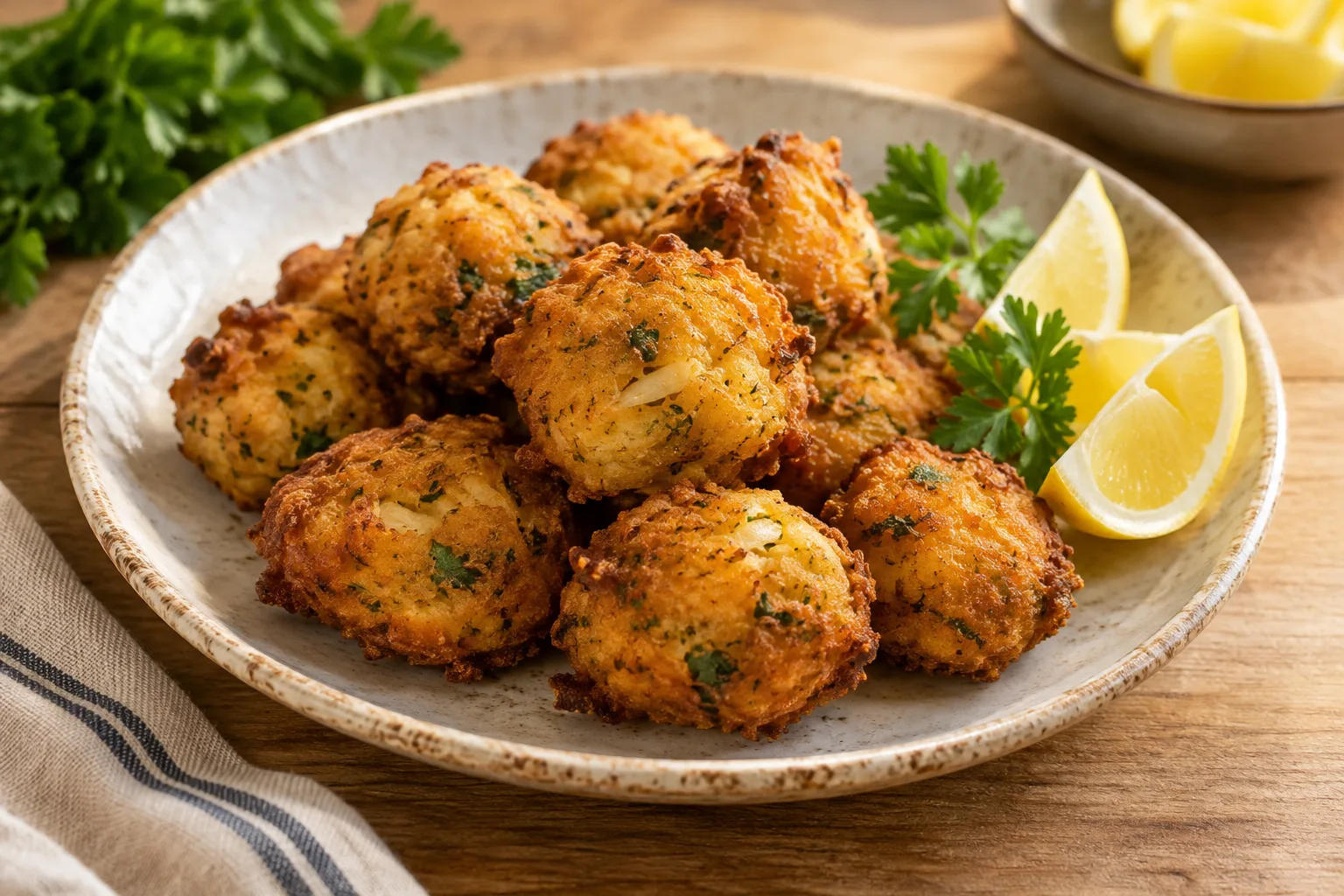
Cod was once the foundation of a major local industry. Fish were salted or dried for transport and trade, and the catch was used extensively. Historical accounts describe fresh cod as a staple for residents and record processing of fish by-products as well as flesh. Salt cod—morue—thus belongs both to the history of work and to household cooking. Boulettes de morue, salt-cod fritters, are one documented preparation, while tiaude is described as a thick fishermen’s stew of potatoes, carrots and cod.
The collapse of the fishery in the 1990s profoundly changed the economic context. Fishing remains part of the territory’s identity, but food production and tourism now also include farms, craft products and restaurants. The older preservation story therefore lives alongside contemporary diversification, not as a claim that the former fishing economy continues unchanged. [Remove source markers in render?]
Seafood, farm produce and preserved foods
Cod is the best-documented thread linking historical and present-day food. It has been eaten fresh and preserved with salt; in fritters it is combined with potato and herbs, while other recorded regional dishes serve it with vegetables or use it in a stew. Scallops and lobster also appear among the seafood associated with the islands. Mussels feature in a described community meal as a tart filling under a creamy sauce. Capelin, a small fish, is another food with a particular place in accounts of Miquelon.
The modern pantry includes more than fish. Local producers grow vegetables and aromatic herbs, keep poultry for eggs, and make goat cheeses. One farm specializes in lamb and fattened duck and turns its own produce into preserved and semi-preserved foods; locally grown fruit is made into jam. Fish and seafood are also processed and smoked. These examples document a range of production, rather than implying that every product is made in every household or available year-round.
Butter, cream and pastry dough appear in dishes such as scallop vol-au-vents and mussel tart. Together, these ingredients show how French-associated techniques and dairy-rich preparations coexist with seafood and farm products. The balance varies by dish: a preserved fish may be paired with potato and herbs, while a shellfish preparation may be presented with pastry, cream or fruit. [Remove source markers in render?]
Salty, smoky, creamy and gently sweet
The flavors described in island cooking come from particular ingredients and combinations rather than from a fixed seasoning profile. Salt cod brings concentrated salinity; in boulettes de morue, potato, onion, garlic and herbs soften and round it. Frying gives the shaped mixture a browned exterior and tender centre. Lemon wedges are one documented accompaniment, adding a sharp contrast. The exact mixture can differ from family to family, so one published version should not be treated as a single local standard.
Other dishes emphasize cream and pastry. A mussel tart has been described with a shortcrust shell and a creamy Mornay sauce. In a scallop vol-au-vent, the seafood is paired with shallot, cream and caramelized apple. That combination brings sweetness and richness into a savory dish without making it representative of every seafood preparation. Butter and pastry provide further links between local ingredients and French culinary idioms.
A different profile comes from capelin prepared on Miquelon: salt-cured fish cooked on a hot iron plate has been described as saline, toasted and smoky. Bread and butter accompany it in the recorded tea-time scene, balancing the fish’s intensity. These contrasts—preserved and fresh, crisp and tender, smoky and creamy—reflect a varied food culture shaped by both marine products and farm production. [Remove source markers in render?]
Household knowledge and occasions to share
The documented occasions for eating together are specific scenes, not evidence of one territory-wide festival calendar. On Miquelon, one family account describes afternoon tea with bread, butter and capelin. The account presents tea at four o’clock as a local habit in that setting, but it does not establish that every household on either island follows the same routine. Its value lies in showing how a particular fish preparation was eaten and shared in a family home.
A seafood festival on Miquelon provides another example of collective food. It is described as a potluck at which participants bring their own preparations; a mussel tart was among the dishes made for the event. This format gives household cooking a public setting, allowing people to share different dishes without implying that all recipes are alike. Boulettes de morue are likewise described as a traditional food often encountered in home kitchens.
Food knowledge also passes through everyday encounters with producers. Farm visits and tastings introduce visitors to goat cheese and other farm products; shops and restaurants make locally produced foods visible in other settings. A café stop with coffee or tea and a bun or Saint-Pierrais macarons appears in a local visitor itinerary. These are documented ways of encountering food and hospitality, not a compulsory ritual for residents. [Remove source markers in render?]
Salting, drying, smoking and cooking
Salting and drying cod made it possible to store and transport a fish central to the islands’ former fishing economy. The preservation process connects commercial history with household meals: salt cod could be rehydrated and cooked in preparations such as fritters. A documented method boils and flakes the cod, cooks potatoes, then combines the fish with potato, herbs and aromatics. The mixture is shaped, coated in flour and fried in batches until browned. That account offers one version of the dish, not a definitive formula for every family.
The cooking of capelin provides a different technique and setting. The fish are described as salted and sun-dried, then cooked on a hot iron plate over a flame. The direct heat browns the surface and lends a smoky character. Contemporary food-making also includes smoking fish, processing seafood and preserving meat or fruit; local producers’ offerings demonstrate that transformation remains part of the pantry.
Pastry work and dairy-based sauces appear in shellfish dishes: shortcrust forms the base of a mussel tart, while puff pastry cups hold scallops in a creamy filling. Farms transform goat milk into cheese and locally grown fruit into jam. Taken together, these examples show preservation, direct-heat cooking and pastry-making as distinct practices. The evidence does not establish a utensil unique to the archipelago, so the iron plate is described only in connection with the capelin preparation. [Remove source markers in render?]
From a family tea to a shared meal
Food is served in different ways according to the dish and occasion. Hot boulettes de morue can form part of a meal or be eaten as small bites; lemon is a recorded accompaniment. In the Miquelon tea-time account, capelin is eaten with bread and butter. These examples show informal foods shared at home, but they do not prescribe one sequence of courses or a uniform table custom across the territory.
More elaborate presentations include mussel tart and scallop vol-au-vents, where pastry and creamy fillings frame seafood. Farm products create other settings for tasting: visitors may share goat cheeses or picnic at a farm, while restaurants bring local ingredients into menus that can change with the season. The local restaurant scene includes traditional French cooking as well as contemporary and creative approaches, so it is not represented by one style alone.
A café snack of coffee or tea with a bun or Saint-Pierrais macarons is also included in a visitor itinerary. It offers a glimpse of a casual pause rather than proof of a fixed daily practice for all residents. The table may be domestic, communal, agricultural or restaurant-based. What joins these settings is the close relationship, visible in the documented examples, between the food served and the island’s seafood, farms and local makers. [Remove source markers in render?]
Local food vocabulary
These names refer to particular products and preparations associated with Saint Pierre and Miquelon in the available accounts. Recipes and household versions may vary; the terms do not imply one standard method.
- Morue: salt cod, or cod prepared for preservation. It connects the history of the fishery with dishes such as fritters and stew.
- Boulettes de morue: salt-cod fritters. A documented version combines flaked cod with potato and herbs, shapes the mixture and fries it until browned.
- Tiaude: a thick fishermen’s stew described with potatoes, carrots and cod.
- Capelin: a small fish, prepared in one Miquelon account by salting and drying it before cooking it on a hot iron plate.
- Royale: the name used in a recorded Miquelon scallop preparation, served with shallot, cream and caramelized apple in a vol-au-vent.
- Tôle: a Saint-Pierrais cake described as a spiced raisin sheet cake.
- Mornay: a creamy sauce used in the documented mussel tart.
The vocabulary spans preserved fish, a stew, a shellfish preparation and a sweet bake. Together, these terms point to the coexistence of maritime food, French culinary language and locally described dishes. [Remove source markers in render?]
One country, many cuisines
Saint Pierre and Miquelon archipelago
The available evidence supports describing Saint Pierre and Miquelon as one culinary area rather than assigning unverified food traditions to separate internal regions. Documented examples include the history of cod fishing, salt-cod fritters and stew, seafood dishes, and current producers of goat cheese, lamb, duck, eggs, vegetables and preserves. A family tea with capelin and a Miquelon seafood potluck are specific accounts, not universal customs.
Cook