Oceania · Micronesian Region

Palau

Palauan food brings together taro and other root crops, fish and shellfish, coconut, and ingredients carried through regional exchange and colonial history. Taro is both nourishment and a marker of social value, while everyday preparations, ceremonial exchange, community farming, and newer adaptations reveal a food culture shaped by island environments and continuing change.

Food and eating habits

How people eat in Palau

50 indicators exploring everyday meals, ingredients and food culture. Information is completed progressively from documented evidence.

0 of 50 indicators with documented information

Not all data are comparable: food supply, purchases and intake are different measures. Check the period, population and method for each finding. Qualitative descriptions do not establish percentages or amounts.

Timing and company

0/8
Timing and company — Palau
IndicatorFindings and context
Meal times Awaiting research
Meals per day Awaiting research
Meal duration Awaiting research
Daily energy distribution Awaiting research
Weekdays and weekends Awaiting research
Eating at home and away Awaiting research
Cooking frequency Awaiting research
Eating together Awaiting research

Pantry and recipes

0/2
Pantry and recipes — Palau
IndicatorFindings and context
Most consumed ingredients Awaiting research
Ingredient prevalence in recipes Awaiting research

Cereals and plant foods

0/6
Cereals and plant foods — Palau
IndicatorFindings and context
Cereals and cereal products Awaiting research
Bread Awaiting research
Pulses Awaiting research
Vegetables Awaiting research
Fruit Awaiting research
Potatoes, roots and tubers Awaiting research

Protein foods

0/5
Protein foods — Palau
IndicatorFindings and context
Meat Awaiting research
Fish and seafood Awaiting research
Eggs Awaiting research
Milk and dairy products Awaiting research
Protein sources Awaiting research

Fats, flavours and condiments

0/3
Fats, flavours and condiments — Palau
IndicatorFindings and context
Cooking fats Awaiting research
Herbs and spices Awaiting research
Sauces and condiments Awaiting research

Meal composition

0/6
Meal composition — Palau
IndicatorFindings and context
Breakfast composition Awaiting research
Main meal composition Awaiting research
Dinner composition Awaiting research
Appetisers and snacks Awaiting research
Desserts and sweets Awaiting research
Portion sizes Awaiting research

Techniques and equipment

0/5
Techniques and equipment — Palau
IndicatorFindings and context
Cooking techniques Awaiting research
Vegetable preparation Awaiting research
Food preservation Awaiting research
Fermented foods Awaiting research
Kitchen equipment Awaiting research

Drinks

0/3
Drinks — Palau
IndicatorFindings and context
Everyday drinks Awaiting research
Coffee and tea preparation Awaiting research
Drinks with meals Awaiting research

Nutrition and dietary patterns

0/3
Nutrition and dietary patterns — Palau
IndicatorFindings and context
Energy and nutrients Awaiting research
Salt and sugars Awaiting research
Dietary patterns Awaiting research

Shopping, prices and waste

0/7
Shopping, prices and waste — Palau
IndicatorFindings and context
Food expenditure Awaiting research
Cost of a common basket Awaiting research
Cost of specific meals Awaiting research
Grocery shopping locations Awaiting research
Shopping frequency Awaiting research
Prepared food and delivery Awaiting research
Household food waste Awaiting research

Seasons and celebrations

0/2
Seasons and celebrations — Palau
IndicatorFindings and context
Seasonal produce Awaiting research
Celebration food Awaiting research
Explore its cuisines

Palau’s Island Foodways: Taro, the Sea, and a Changing Pantry

Documentary synthesis prepared with AI assistance. It does not replace specialist review or certify kitchen testing. · Updated 12 November 2026

An archipelago of sea and cultivated land

Palau is an island country in Micronesia, in the western Pacific. Its many islands include volcanic and limestone landforms, while only a small portion of the archipelago is inhabited. Babeldaob is the largest island; Koror is the country’s principal population and commercial centre. Across this setting, food connects two environments: surrounding waters supply fish and other marine foods, while gardens and cultivated plots yield roots and tropical produce.

The taro root has an especially important place in Palauan foodways. It provides starch for meals, but its significance reaches beyond the plate: cultivation and ceremonial exchange have given taro social meaning as well. Coconut, cassava, yam, pumpkin, and fruits add variety, though access to local produce differs from reliance on imported foods. This is not one unchanging island menu. Palau’s food culture includes inherited practices, exchange with neighbouring societies, and ingredients and dishes that arrived through later historical contact.

A useful starting point is the relationship between food and place: meals draw on the sea and the land, while cultivation, sharing, and new uses for familiar crops connect eating to community life.

Settlement, colonial rule, and culinary exchange

Palau’s islands have been inhabited for millennia. Accounts describe early settlement by people moving through the western Pacific from Island Southeast Asia; precise dates vary, so a long history of settlement and contact is a sounder summary than a single definitive arrival date. Palau’s location also placed its communities within networks of movement and exchange among islands well before the modern food scene.

European and colonial histories form another part of the context. Spain claimed the islands, Germany took control in the late nineteenth century, Japan governed them after the First World War, and the United States administered Palau after the Second World War. Palau became independent in 1994. These periods brought changes in administration and contact, but they do not by themselves establish the origin of any particular dish.

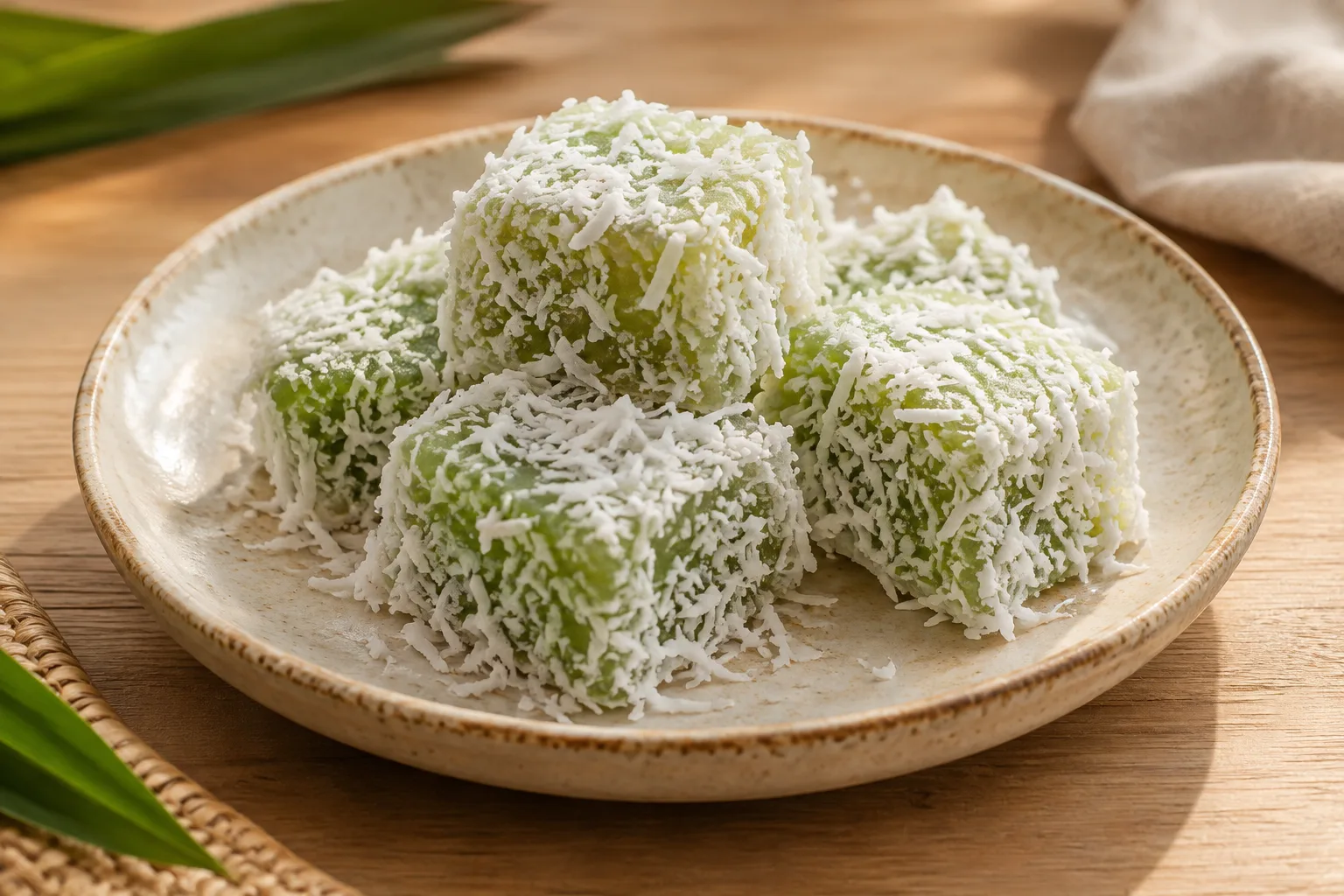
Present-day food reflects both local ingredients and wider regional influences. Japanese influence is associated with tama, a small fried sweet, while Filipino foods such as pichi-pichi are also eaten in Palau. The latter is identified as a Filipino cassava sweet that became popular locally, not as a dish originating in Palau. Distinguishing adoption from origin helps describe an evolving cuisine without claiming that every food eaten in the country began there.

Roots, coconut, seafood, and imported staples

Taro is a central crop: its starchy root is eaten as food, and its leaves are used in separate preparations. Cassava, yam, sweet potato, and breadfruit also contribute to the island pantry. Coconut is used in savoury and sweet dishes, including coconut-rich preparations of leaves and seafood. Mango, papaya, banana, and other tropical fruits bring seasonal variety. These ingredients do not imply that every household or island has the same supply at all times.

The sea provides fish, crab, shrimp, clams, and other edible marine foods. Fish can be served alongside boiled taro, a combination described as a traditional meal. The Palauan term cheled refers broadly to marine foods caught but not yet cooked; examples include different shellfish and other sea foods. Rice is also important in contemporary meals, alongside imported products and foods associated with international trade.

Local food production and imported supply coexist. Palau depends substantially on imported food, with one account estimating that imports meet up to 90 percent of consumption. This makes it important to distinguish foods that are cultivated or caught locally from ingredients available through commerce. Taro cultivation and fishing remain meaningful practices even within a pantry shaped by outside supply.

Earthy roots, coconut richness, and marine freshness

Many documented Palauan preparations let the principal ingredient define the dish. Plainly boiled taro has a dense, starchy character and is traditionally served with fish. Coconut milk or cream brings a rich texture to soups and seafood, while fish may be grilled, smoked, fried, or cooked wrapped in leaves. Some descriptions of seasoned fish include garlic, ginger, soy sauce, sesame oil, and lime leaves; these are examples of a particular preparation, not a formula for every Palauan meal.

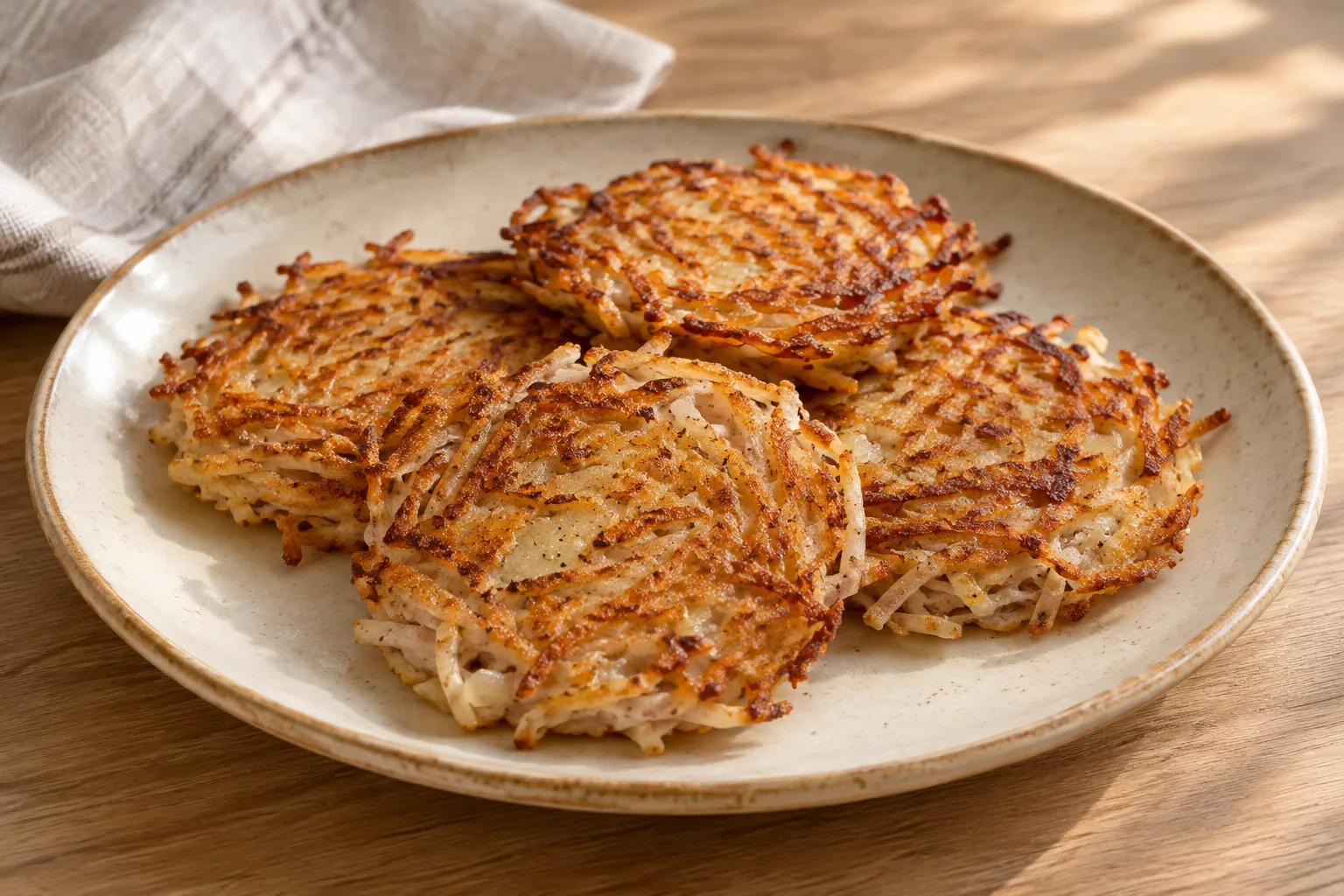
Texture varies as much as flavour. Demok combines cooked taro leaves with coconut milk, sometimes with crab, to make a soup. In ukaeb, minced crab is mixed with coconut and served in crab shells. Taro rösti take the root in another direction: grated taro is shaped into small cakes and fried, producing a browned exterior around a soft, compact centre. These dishes show how one island pantry can yield both gentle, starchy foods and more concentrated, coconut-rich flavours.

Sweet foods offer a different register. Tama is a small fried dough sweet, while tama tuu includes banana. Fresh tropical fruit is another simple source of sweetness. Taken together, these examples suggest variety rather than a single defining seasoning: the character of the food often comes from the ingredient, its preparation, and its pairing.

Cultivation, exchange, and the passing on of food knowledge

Taro’s importance is agricultural and social as well as culinary. Traditional cultivation is associated with Palauan women and plots near the shores. Root crops provided starch and have historically served as symbols of wealth and objects of ceremonial exchange. These documented roles make taro more than a convenient side dish: growing and exchanging it can connect food to relationships and cultural knowledge.

The transmission of that knowledge is not automatic. Community initiatives on Babeldaob have brought women together to refocus on taro cultivation and explore uses for taro flour. In workshops, participants made pasta, noodles, pasta sauce, cookies, bread, and brownies, while also learning about packaging. Such work connects agricultural practice with new ways to present local produce; it does not replace the established use of boiled taro with fish.

Food also moves between everyday and shared occasions. Tama is described as a breakfast food or snack, while ceremonial exchange gives taro a distinct social role. Community cultivation projects create another setting for learning and sharing food knowledge. These documented examples show different ways food can be passed on, without requiring one uniform national festival calendar or a single ceremonial menu.

Boiling, cooking with coconut, and transforming taro

Simple cooking methods allow root crops and seafood to remain recognisable. Taro is traditionally boiled and served with fish. Fish is prepared in several ways, including grilling, smoking, and frying; some accounts also describe fish cooked with seasonings and wrapped in leaves. Taro leaves, rather than the root, are used in demok, where cooking them with coconut milk creates a soup. These are documented preparations, not an exhaustive list of techniques used across the islands.

Grating and frying change taro’s texture. For rösti, peeled taro is grated, mixed with onion and seasoning, shaped into flat cakes, and fried until browned. The result differs from boiled taro in both surface and structure. Taro can also be milled into flour. Community workshops have used that flour in pasta and baked goods, extending the crop’s uses through a different form of processing.

Coconut milk or cream can be incorporated into soups and seafood dishes, giving them a fuller consistency. Other preparations illustrate different transformations: ukaeb combines minced crab with coconut, while tama is fried dough. Together, these examples show how boiling, grating, frying, milling, and combining with coconut produce distinct foods from a relatively compact set of local ingredients.

Everyday meals and ways of sharing

A clearly documented everyday pairing is boiled taro with fish caught in the surrounding ocean. It brings a starchy root crop and a marine food together without requiring a complicated arrangement. Rice and other roots also appear in contemporary meals, but no single plate represents every household or island. Imported food and restaurants add further variety, particularly in Koror, where local and international cuisines are available.

Some dishes have recognisable serving forms. Demok is a soup; ukaeb is presented in crab shells; rösti are small fried cakes; and tama is made in snack-sized portions. The Palauan word cheled can describe marine foods after they have been caught but before they are cooked. Delebdeb is described as a coconut drink offered as a welcome, made with coconut juice and tender flesh. These details give a sense of different foods and occasions, but do not establish a fixed sequence for meals.

Palauan food is encountered in homes, local eateries, markets, and tourism settings. These contexts should not be collapsed into one tradition: a boiled root-and-fish meal, a sweet snack, and a community effort to share agricultural knowledge each have their own place. The documented practices point to both daily nourishment and ways of welcoming or exchanging food, without implying a single national table ritual.

A short glossary of Palauan foods

These terms identify ingredients and preparations documented in Palauan food contexts. Some foods are shared across borders or have travelled through regional exchange; a dish’s presence in Palau does not, on its own, establish where it originated.

  • Taro: A starchy root crop whose cultivation has agricultural and social significance in Palau. Its root is eaten, and its leaves are used in other preparations.
  • Demok: A soup of cooked taro leaves and coconut milk, sometimes including crab.
  • Ukaeb: Minced crab combined with coconut and served in crab shells.
  • Tama: A small, sweet fried dough food associated with Japanese influence and eaten as a breakfast food or snack. Tama tuu is a banana variation; tuu means banana in Palauan.
  • Taro rösti: Small fried cakes made from grated taro. The name refers to a preparation shaped by wider culinary exchange, while taro is a locally significant crop.
  • Cheled: A broad Palauan term for marine foods that have been caught but are not yet cooked, including different shellfish.
  • Delebdeb: A coconut drink described as a traditional welcome, combining coconut juice and tender flesh.
  • Pichi-pichi: A steamed, chewy cassava sweet that is Filipino in origin and also popular in Palau.

One country, many cuisines

Babeldaob

Babeldaob is Palau’s largest island and a documented setting for taro cultivation in plots near the coast. Palauan women have traditionally cultivated the crop, whose roots provide starch and have also held social value through ceremonial exchange. A women-led community initiative on the island has renewed attention to taro gardens and explored uses for taro flour, including pasta and baked goods. These details document agricultural practice and community work on Babeldaob, not a distinct island-wide menu.

Cook
Read as an article ↗
Places and communities

One country, many cuisines

An initial selection of regions to explore. Culinary boundaries may differ from administrative divisions.

Palau

Babeldaob

Babeldaob is Palau’s largest island and a documented setting for taro cultivation in plots near the coast. Palauan women have traditionally cultivated the crop, whose roots provide starch and have also held social value through ceremonial exchange. A women-led community initiative on the island has renewed attention to taro gardens and explored uses for taro flour, including pasta and baked goods. These details document agricultural practice and community work on Babeldaob, not a distinct island-wide menu.

Cook
Recipes connected with Palau

Each recipe documents one version. Geographic associations do not imply an exclusive origin.

Taro rösti
Image generated by the Kitchenpause team
35 minIntermediate

Taro rösti

Golden grated-taro and onion patties, pan-fried and served hot.

View recipe

Sources consulted

Read the sources and each document’s scope. A heritage inscription concerns a particular practice, not all of a country’s cuisine.

  1. Agritourism promotes food traditions in Palau www.fao.org/gender/news/news-detail/Agritourism-promotes-food-traditions-in-Palau/en fao.org Consulted: October 31, 2026
  2. International Cooking: Food from Palau - The Flavor Vortex www.theflavorvortex.com/international-cooking-food-from-palau/ theflavorvortex.com Consulted: November 1, 2026
  3. Palau – A Year Cooking the World ayearcookingtheworld.com/2016/12/20/palau/ ayearcookingtheworld.com Consulted: October 31, 2026
  4. Palauan Food: Top 5 Dishes - TasteAtlas www.tasteatlas.com/best-rated-dishes-in-palau tasteatlas.com Consulted: November 1, 2026
  5. The best of Palau Cuisine - The Street Food Guy www.thestreetfoodguy.com/palau-cuisine-2/ thestreetfoodguy.com Consulted: October 27, 2026
  6. Palauan Cuisine - Ethnic Foods R Us ethnicfoodsrus.com/around-the-world-recipes/smallest-countries-worldwide-cuisines/palauan-cu… ethnicfoodsrus.com Consulted: October 27, 2026
  7. Food In Palau – Holiday Guides 4 U holidayguides4u1.wordpress.com/2023/07/07/food-in-palau/ holidayguides4u1.wordpress.com Consulted: October 27, 2026
  8. Palau – Grande Mangeur grandemangeur.com/2021/02/08/palau/ grandemangeur.com Consulted: October 30, 2026
  9. A Taste of Palau: Dive into a Fusion of Flavors from Land and Sea! pristineparadisepalau.com/a-taste-of-palau/ pristineparadisepalau.com Consulted: October 27, 2026
  10. Rösti de Taro - Receta Tradicional de Palaos | 196 flavors www.196flavors.com/es/rosti-de-taro/?srsltid=AYCX9vJviebI_dp_4DpsEvj60tvfFMo41oOzkD8lyvhTVEC… 196flavors.com Consulted: October 27, 2026
  11. Palaos y su gastronomía - Viaja en mi Cocina viaja-en-mi-cocina.blogspot.com/2022/03/palaos-y-su-gastronomia.html viaja-en-mi-cocina.blogspot.com Consulted: November 1, 2026
  12. 56 recetas muy ricas de palaos compartidas por cocineros caseros- Cookpad cookpad.com/es/buscar/palaos cookpad.com Consulted: October 27, 2026
  13. Dig In - Meat palau sites.google.com/site/digncook/recipes/bread-and-rice/meat-palau sites.google.com Consulted: October 30, 2026
  14. Rösti de Taro - Receta Tradicional de Palaos | 196 flavors www.196flavors.com/es/rosti-de-taro/?srsltid=AYCX9vKibY45RPUS57h3881nii72JtILTlmeIENQBxUwwkr… 196flavors.com Consulted: October 27, 2026
  15. Sabor de Palau: Platos Imprescindibles y Experiencias Culinarias | Palaos | Mustseespots.com www.mustseespots.com/es/palaos/articles/sabor-de-palau-platos-imprescindibles-y-experiencias… mustseespots.com Consulted: October 27, 2026
  16. Rösti de Taro - Receta Tradicional de Palaos | 196 flavors www.196flavors.com/es/rosti-de-taro/?srsltid=AYCX9vLBlhBXEuVcPnfIj7dB8xNAMFmKFIMWa-uvlSpIb19… 196flavors.com Consulted: October 27, 2026
  17. Rösti de Taro - Receta Tradicional de Palaos | 196 flavors www.196flavors.com/es/rosti-de-taro/?srsltid=AYCX9vIppFlvNEcj_AzvcG4I7zfgKfVW7RboSz4NuJyuf0V… 196flavors.com Consulted: October 27, 2026
  18. Cliffieland: A Global Cooking Adventure — Cooking Around The World: Palau cliffdvr.tumblr.com/post/118311706906/cooking-around-the-world-palau cliffdvr.tumblr.com Consulted: October 30, 2026
  19. What to Eat in Palau: Traditional Foods You Have to Try | A. Perez Voyages aperezvoyages.com/palau-food/ aperezvoyages.com Consulted: October 30, 2026
  20. Rösti de Taro - Receta Tradicional de Palaos | 196 flavors www.196flavors.com/es/rosti-de-taro/?srsltid=AYCX9vJN6UWw-ZbuV2r25mU0fGK13kiLHv4vRq0WobEW1s_… 196flavors.com Consulted: October 30, 2026
  21. palaos - 56 recetas caseras- Cookpad cookpad.com/ar/buscar/palaos cookpad.com Consulted: November 1, 2026
  22. Rösti de Taro - Receta Tradicional de Palaos | 196 flavors www.196flavors.com/es/rosti-de-taro/?srsltid=AYCX9vLja-QxRai07rdfh0efm9k3nQV8gFNWe1MxYrGtXgd… 196flavors.com Consulted: October 30, 2026
  23. Tama Recipe Palau www.google.com/goto?gsessionid=ei-qx9cN9EaseOAacJj2rJGkcqUo9Q7O627L1IlDaPSrb82jilGJNw&url=CA… google.com Consulted: October 30, 2026
  24. Rösti de Taro - Receta Tradicional de Palaos | 196 flavors www.196flavors.com/es/rosti-de-taro/?srsltid=AYCX9vJQ-z-Pu-rQ7-qIQ181IoNmKY4oHekf__wnYIP4Lf0… 196flavors.com Consulted: October 30, 2026
  25. Palauan Tama Recipe www.google.com/goto?url=CAEScQHrOzAV-mVuVqTbOVvq_nGvp19-z7MEmxRtCcHanqyRywf7D7NHnc4RwfxLPL3Q… google.com Consulted: October 30, 2026
  26. Rösti de Taro - Receta Tradicional de Palaos | 196 flavors www.196flavors.com/es/rosti-de-taro/?srsltid=AYCX9vIqg-3Dsi5_HloNvAs043yDAulnlUmaIDzB60F9QY4… 196flavors.com Consulted: October 30, 2026
  27. Palauan Tama Recipe www.google.com/goto?url=CAEScQHrOzAVshpyq3zBa4PpHP3GPVX8IIyMSi6YGBUMfZ4Oj_8Nl8EWyFax8DBfLEqw… google.com Consulted: October 30, 2026
  28. Rösti de Taro - Receta Tradicional de Palaos | 196 flavors www.196flavors.com/es/rosti-de-taro/?srsltid=AYCX9vKF80-8r1PPTelir8Y2i6RjyrtxsIk4XonTJgmlwbm… 196flavors.com Consulted: October 30, 2026
  29. Rösti de Taro - Receta Tradicional de Palaos | 196 flavors www.196flavors.com/es/rosti-de-taro/?srsltid=AYCX9vKgIYsGGGH3-P35R-rw2ks3bLYa0-jQNEXOENaG718… 196flavors.com Consulted: October 30, 2026
  30. Palauan Tama Recipe www.google.com/goto?url=CAEScQHrOzAV2Bb2iSlu_Kh2hayNMCjhWtLVAD-Ttggp4sSOhJ1xee-WPw2-OWfyfGiY… google.com Consulted: October 30, 2026
  31. Rösti de Taro - Receta Tradicional de Palaos | 196 flavors www.196flavors.com/es/rosti-de-taro/?srsltid=AYCX9vJU2tmeGKmn0NxntdxQLug5k_0eMSXs5wrfsmvYmeC… 196flavors.com Consulted: October 30, 2026
  32. Palauan Tama Recipe www.google.com/goto?url=CAEScQHrOzAV00sjAL7mq9VCoiW9BnSsQ1O0M--WBZ64uX7V2o6EZXixt7umqHfwf3tq… google.com Consulted: October 30, 2026
  33. Rösti de Taro - Receta Tradicional de Palaos | 196 flavors www.196flavors.com/es/rosti-de-taro/?srsltid=AYCX9vLDHfphvvDC_g5znI3MxMHbRLvR8lxTMejstnmeX7j… 196flavors.com Consulted: October 30, 2026
  34. Tama Recipe Palau www.google.com/goto?gsessionid=0aLioYbz9y46nIO6yBmfPTShGZjhNAdyOXKXjajpwO6DLkpmQiX0mg&url=CA… google.com Consulted: October 30, 2026
  35. Rösti de Taro - Receta Tradicional de Palaos | 196 flavors www.196flavors.com/es/rosti-de-taro/?srsltid=AYCX9vIQqQkgyHvwHX8DCgm_gM-BSFt1gOV_pOJe75hNJlU… 196flavors.com Consulted: October 30, 2026
  36. Tama Recipe Palau www.google.com/goto?url=CAESegHrOzAVGZb31fwZ65m6gQTX9TN_G5D8Xl0nDWpvJcB4XDQgBZYCIksj5TNJT7pv… google.com Consulted: October 30, 2026
  37. Agritourism promotes food traditions in Palau www.fao.org/newsroom/story/Agritourism-promotes-food-traditions-in-Palau/en fao.org Consulted: October 31, 2026
  38. Rösti de Taro - Receta Tradicional de Palaos | 196 flavors www.196flavors.com/es/rosti-de-taro/?srsltid=AYCX9vI8SdrTfEjisIVXp4jEfkjbIrAjh5UpWHdXGEzI1kC… 196flavors.com Consulted: October 30, 2026
  39. Palau – A Year Cooking the World www.google.com/goto?url=CAESbQHrOzAVAxqlT-pNDU1Fv4TbVEu_UYwVEwRwimWpmpGO59JIVv_1V6xbRpycGfMF… google.com Consulted: October 31, 2026
  40. Rösti de Taro - Receta Tradicional de Palaos | 196 flavors www.196flavors.com/es/rosti-de-taro/?srsltid=AYCX9vJuJZc4CTDhZfj2ktPu7OMg_h-SNM-TWuTdalUswNG… 196flavors.com Consulted: October 31, 2026
  41. Rösti de Taro - Receta Tradicional de Palaos | 196 flavors www.196flavors.com/es/rosti-de-taro/?srsltid=AYCX9vIX-9wig5PkaUvsoyoEowB2GaPxhVO3nWdghERABE5… 196flavors.com Consulted: October 31, 2026
  42. Rösti de Taro - Receta Tradicional de Palaos | 196 flavors www.196flavors.com/es/rosti-de-taro/?srsltid=AYCX9vLnoCXSSGDQpFaE_GFKZHXtGbmtiYf2rCO3TiAAumU… 196flavors.com Consulted: October 31, 2026
  43. Rösti de Taro - Receta Tradicional de Palaos | 196 flavors www.196flavors.com/es/rosti-de-taro/?srsltid=AYCX9vJUBwcf76ckHIljcU6b-7DqubCN4WVtBTkuLUCB8F_… 196flavors.com Consulted: October 31, 2026
  44. El agroturismo promueve las tradiciones alimentarias en Palau www.fao.org/newsroom/story/Agritourism-promotes-food-traditions-in-Palau/es fao.org Consulted: October 31, 2026
  45. Palau Cuisine: A Very Mixed Bag of Tricks - The Street Food Guy www.thestreetfoodguy.com/palau-cuisine/ thestreetfoodguy.com Consulted: October 31, 2026
  46. About Palau - Pacific Islands Of Micronesia www.worldtravelguide.net/guides/oceania/pacific-islands-of-micronesia/palau/food-and-drink/ worldtravelguide.net Consulted: October 31, 2026
  47. Chicken palau rice | Kidney Care UK kidneycareuk.org/get-support/healthy-diet-support/kidney-kitchen/recipe-index/chicken-palau/ kidneycareuk.org Consulted: November 1, 2026
  48. Travelling Kitchen: May 2022 viaja-en-mi-cocina-english.blogspot.com/2022/05/ viaja-en-mi-cocina-english.blogspot.com Consulted: November 1, 2026
  49. Pichi Pichi - Traditional Palauan Recipe | 196 flavors www.196flavors.com/palau-pichi-pichi/?srsltid=AYCX9vLwDwf2bOBk1acxXc7whroUDcLkbIsBToONRIYlsN… 196flavors.com Consulted: November 1, 2026
  50. Chicken Curry with Vegetable Palau from The Art of Parsi Cooking: Reviving an Ancient Cuisine by Niloufer Mavalvala app.ckbk.com/recipe/arto90410c03s001ss001r001/chicken-curry-with-vegetable-palau app.ckbk.com Consulted: November 1, 2026

We use session and security technologies to provide our features. Only with your permission do we load Google Analytics to measure visits and Google Maps on Contact. Choose separately, reject or accept both.

Withdraw either permission here. Withdrawing analytics reloads the page to unload the running tag.

Cookie policy