- Category
- Sauces and condiments
- State
- Paste
- Usual unit
- g
What it is
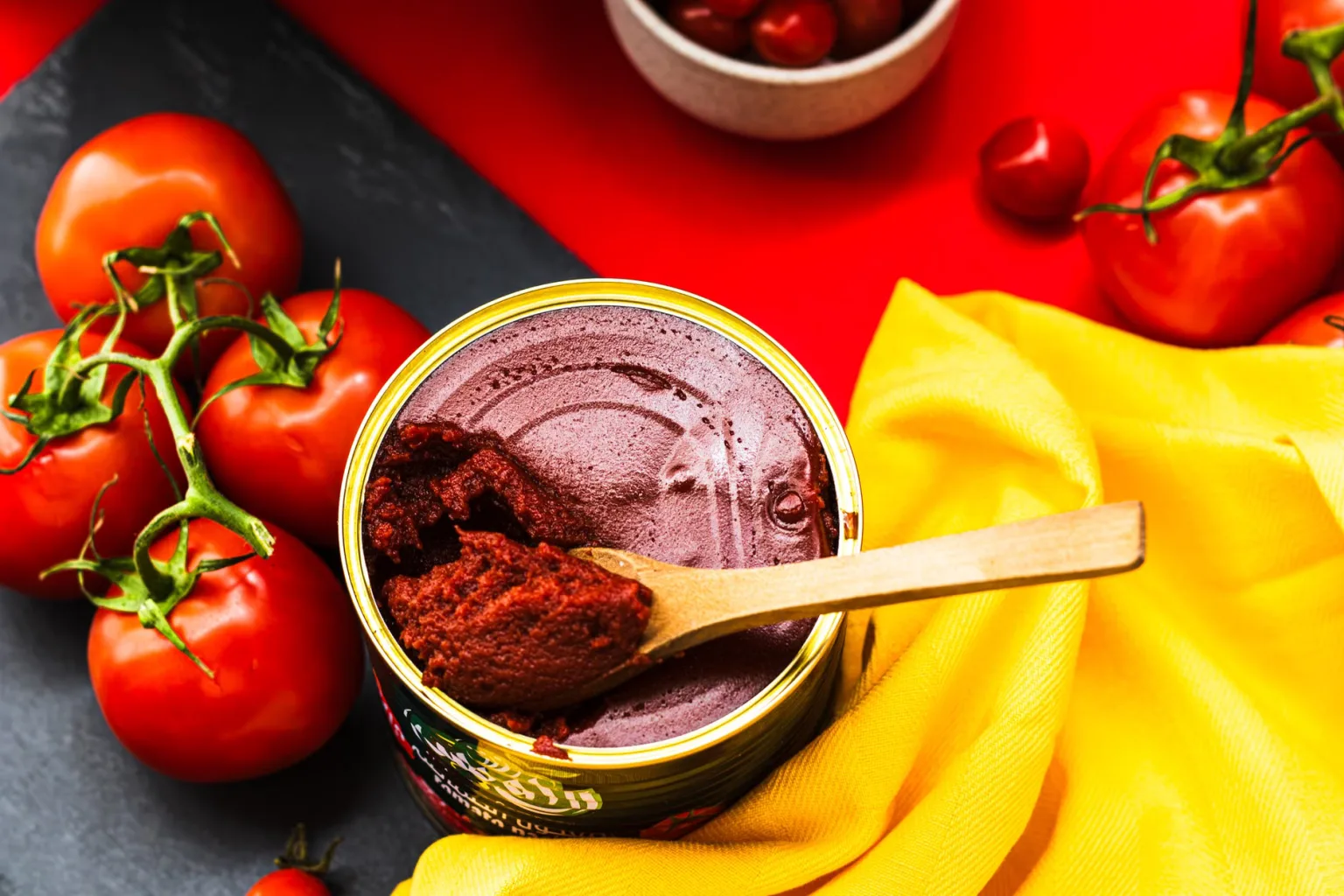
Achiote paste is a seasoning paste distinguished by ground achiote. It is related to, but not identical with, whole achiote seeds or a ready-made recado rojo blend. Prepared pastes may combine achiote with spices, salt and an acidic liquid, and recipes vary. It is used to add reddish colour and flavour to marinades, adobos and cooked dishes. In some versions, garlic, spices and acidic ingredients contribute to both the flavour and consistency. The name alone does not tell you how much salt or what other ingredients a particular product contains. Read its ingredient list and use the package directions when incorporating it into a recipe.
When to use it
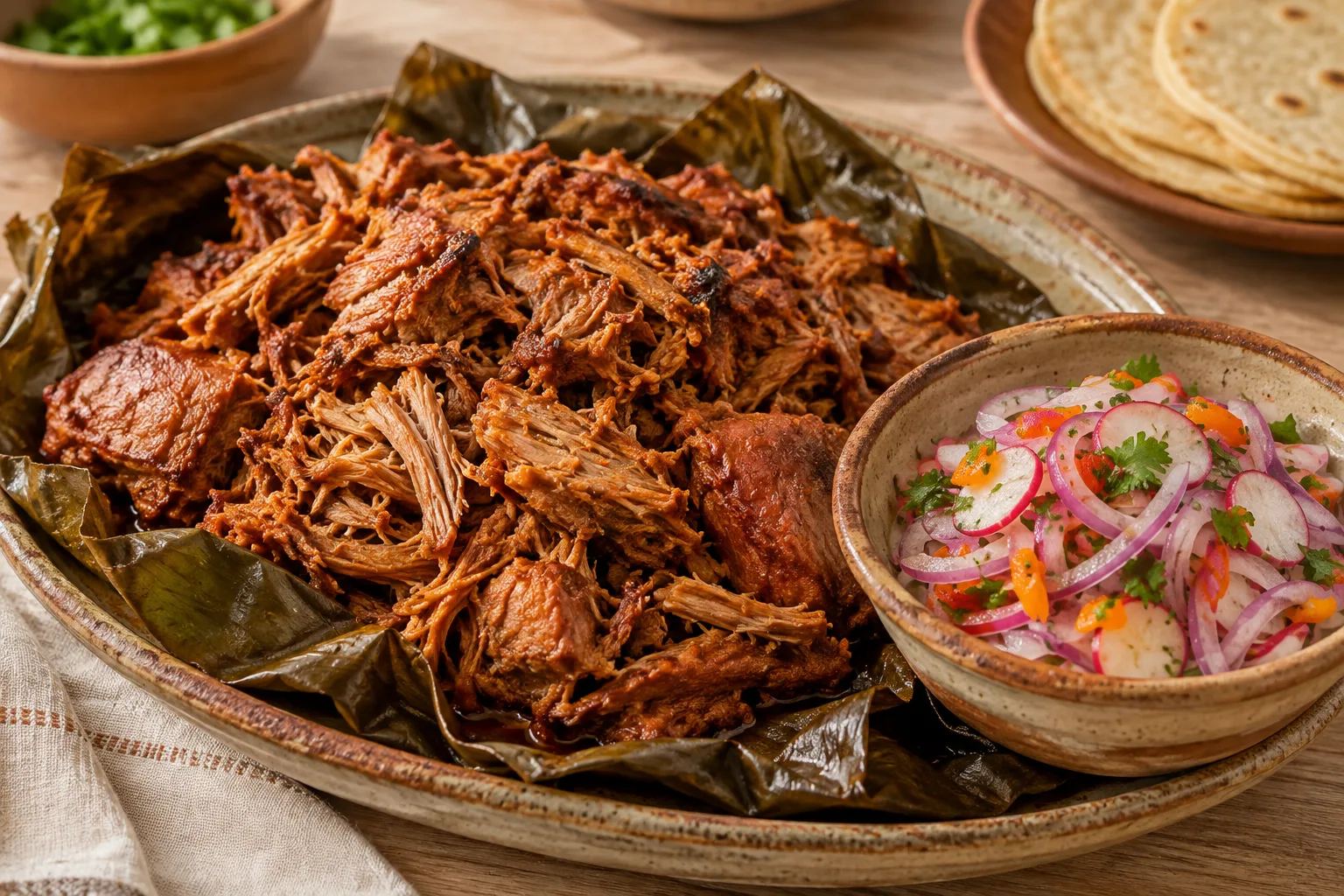
Use achiote paste when you want a seasoning that adds both flavour and reddish colour, especially in a marinade or adobo for meat or fish. It is associated with Yucatecan dishes such as cochinita pibil and is also used with chicken and fish. The result depends on the blend: pastes can contain different seasonings, salt and acidic ingredients. If a recipe specifies a particular product, compare its ingredients with those of your paste before adding salt or more spices. Do not assume that every paste has the same strength or composition.
How to use it
Read the product label and directions before cooking, because ready-made pastes do not share one standard formula. For a marinade, mix the paste into the acidic liquid specified in the recipe until evenly combined, then use it with the food called for. It can also be added to a cooked dish as a seasoning and colouring ingredient, following the recipe. Check the label before adding salt, since some blends already contain it. To make a paste from achiote seeds, grind them with the other ingredients listed in the recipe; do not assume that the result matches a commercial paste. Avoid replacing one form with another in an identical amount unless the recipe gives reliable guidance.
Flavour and texture
Achiote has an earthy, slightly sweet flavour, with spice notes that can suggest pepper and nutmeg. Its colour is reddish to red-orange, and it is also valued for the colour it gives food. Achiote paste is generally thick, but its flavour, texture and intensity depend on the ingredients blended with the achiote. A mixture containing garlic, spices, salt or an acidic liquid will not taste like ground seeds alone.
How to choose it
Check whether you are buying achiote paste, ground achiote or a ready-to-use recado rojo: these forms are related but are not necessarily interchangeable. Read the ingredient list for salt, spices, acidic ingredients and other components that could affect your recipe. If you need to avoid a particular ingredient, do not rely on the product name alone; check the label and the maker’s directions.
Storage
The available information does not establish one storage method for every achiote paste. Follow the package directions, especially those for the product after opening, and check the date shown on the package. Do not assume different brands or recipes require the same storage conditions.
Substitutions
Ground seeds and achiote powder are other ways to use achiote, but they do not guarantee the same flavour or composition as prepared paste. Paste may contain salt, spices and an acidic liquid. Adjust the recipe using the product label and directions; do not assume an equal-quantity swap or a perfect match between forms.
Common mistakes
Confusing ground achiote, achiote paste and recado rojo can change a dish’s flavour and balance. Do not assume every paste contains the same ingredients, and do not add salt before checking the label. A quantity that works for one product may not suit a differently formulated one.
Safety and allergens
Read the full ingredient list, particularly if you need to avoid a specific ingredient, and follow the maker’s directions. Product composition can vary; the word “achiote” alone does not identify every component.
Culinary uses
- Seasoning paste for marinades and adobos
- Red-orange coloring and flavoring for cooked dishes
Recommended techniques
- Blend or dissolve the paste into the liquid specified by the recipe before using it as a marinade.
- Grind achiote seeds with the other ingredients when preparing a paste from scratch.
Pairs well with
- Pork
- Chicken or turkey
- Fish
Frequently asked questions
Are achiote paste and recado rojo the same?
Not necessarily. Achiote paste is a seasoning; recado rojo is a blend that may include achiote and other ingredients. Names and recipes vary.
What foods can I season with achiote paste?
It is used in marinades and adobos for meat or fish and is associated with dishes such as cochinita pibil. Follow the recipe and the product directions.
Can I replace the paste with achiote seeds or powder?
They are other forms of achiote, but ingredients, salt, moisture and intensity may differ. Check the recipe and product rather than assuming an identical swap.
Ingredient allergens
Allergen listThere are no verified associations for these ingredients yet.
Estimated nutrition
- Fat
- 0 g
- Saturates
- 0 g
- Carbohydrate
- 44 g
- Sugars
- 4 g
- Fibre
- 8 g
- Protein
- 4 g
- Salt
- 5.6 g
Sources and review
Automatically researched, cross-checked and validated content. Sources consulted:
- ¿Por qué la muerte es origen de miedos y tabúes? doi.org/10.64628/aao.fccyk3qj3
- Las variedades de la estructura textual doi.org/10.4000/books.oep.15677
- Corazón de Maíz Un tributo a los pueblos mayas openalex.org/W4405331222
- «Pro lenguaje culinario»: reflexiones en torno al léxico en prensa especializada del primer cuarto del siglo XX openalex.org/W7223703522
- Cultura y prácticas alimentarias en Totonicapán www.fao.org/4/ar647s/ar647s.pdf
- la cocina cotidiana de quintana roo sedeturqroo.gob.mx/gastronomia/webroot/pdfs/2021-04-22%2019:32:00_doc.pdf
- estudios rurales en méxico www.unich.edu.mx/wp-content/uploads/2019/ProduccionAcademica/Estudios%20rurales%20en%20M%C3%…
- Achiote: qué es, sabor, usos y sustitutos recetasmexas.com/guia/achiote
- Achiote y recado rojo | Guía de cocina yucateca blog.casasenvalladolid.com/2020/12/01/achiote-un-tesoro-yucateco/
- AÑOS yucatantoday.com/hubfs/No455/Yucatan%20Today%20Noviembre%202025.pdf
- Las cocinas tradicionales de México www.cuc.udg.mx/sites/default/files/2024-02/2017_-_las_cocinas_tradicionales_de_mexico_compre…
- ▷ 🔥 Comida de Día de Muertos 🍞 ¡Tradición y sabor único! halloweenesco.com/dia-de-muertos/comida-de-dia-de-muertos/
- Recado rojo - Wikipedia, la enciclopedia libre es.wikipedia.org/wiki/Recado_rojo
- Cocina yucateca: platos, recados y técnicas que la definen lacondesabarcelona.com/cocina-yucateca-platos/