- Category
- Herbs and spices
- State
- Dry
- Usual unit
- g
What it is
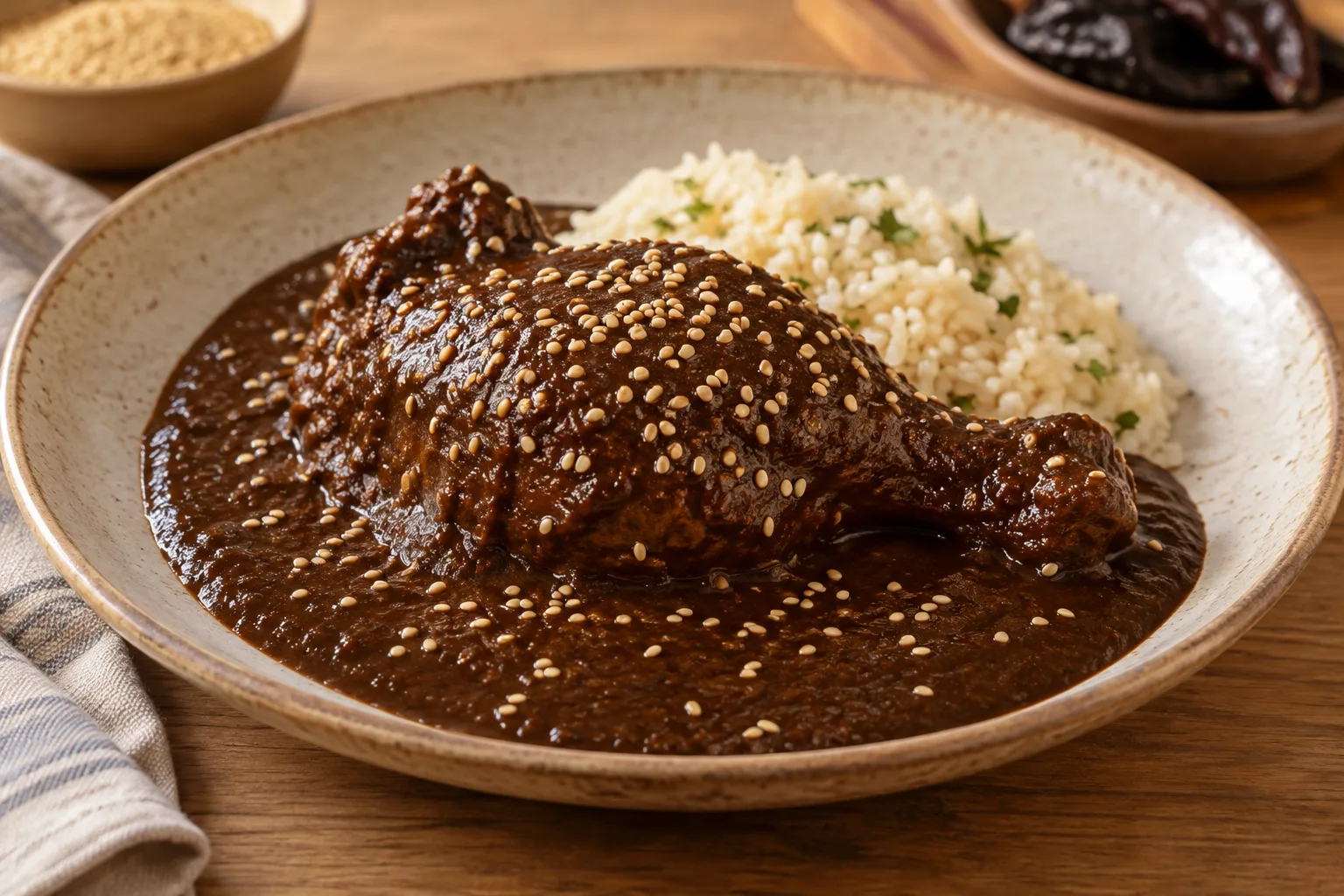
Ancho chile is the dried form of a ripe poblano pepper. Drying changes its texture and flavor: the pepper becomes wrinkled and flexible or leathery, with dark tones and sweet, fruity notes. It is used whole or ground as a seasoning, especially in sauces, marinades and moles. It should not be confused with fresh poblano: although they come from the same type of pepper, drying gives them different culinary characteristics. Heat can vary from one pepper to another, so taste and adjust the amount to suit the dish.
When to use it
Use ancho chile when you want to add depth, color and gentle sweetness to a sauce, marinade or mole. Its profile is rounder and fruitier than that of a fresh chile, and it works well with tomato and other dried chiles. In dishes where the pepper should remain whole, it can be rehydrated and stuffed. If you want a more acidic or hotter sauce, do not treat ancho as an exact substitute for other chiles: adjust the blend and taste as you go.
How to use it
Open the dried pepper and, if your recipe calls for it, remove the stem, seeds and veins. You can briefly toast it before rehydrating to bring out its aroma, taking care not to burn it, since excessive toasting can add bitterness. Then soak it in hot water until softened and easy to blend. Add it to a sauce or marinade with juicy ingredients, or grind it with other chiles and seasonings for a mole. To stuff it, rehydrate it and handle it gently so the skin does not tear. Adjust the amount to the heat of the pepper and the flavor you want.
Flavour and texture
Its flavor is typically sweet and fruity, with earthy nuances and notes that may suggest dried fruit. The skin is wrinkled, and the dried pepper feels flexible or leathery; once rehydrated, it softens and can be blended to thicken and add body to sauces. Heat is not identical in every pepper, so taste before adding more.
How to choose it
Choose dried peppers that hold their shape and look even, without visible signs of moisture or deterioration. Color can range from dark reddish tones to brown, so do not judge quality by color alone. Ancho should be distinguishable from other dried chiles by its broad, flattened shape. Check the label to confirm that the product is ancho chile, and review the ingredients if buying a ground blend.
Storage
Keep the product dry and follow the storage directions on the package. Dehydration reduces the chile's moisture to help with preservation, but it does not make a product suitable if it shows moisture, deterioration or signs of contamination. If the package has been opened, prevent the chile from becoming damp and reseal it as directed by the manufacturer.
Substitutions
Mulato is a close alternative, although it can give a more chocolate-like result. In sauces, ancho combined with a little árbol chile can bring more acidity and heat. No substitute reproduces ancho's profile exactly; adjust the amount to the intensity of the other chiles and taste the blend before serving.
Common mistakes
Do not confuse dried ancho with fresh poblano: they share an origin but differ in texture and flavor. Avoid toasting it for too long, as it can burn and turn bitter. Do not add it dry to a dish that needs a smooth sauce without first softening it; rehydrating makes it easier to remove seeds and veins, blend, and distribute its flavor.
Safety and allergens
Inspect the product before use and follow the package directions. Do not use it if you notice moisture, deterioration or contamination. Handle chiles carefully and avoid touching your eyes after preparing them.
Culinary uses
- Aporta sabor dulce, afrutado y terroso a salsas, adobos y moles.
- Da profundidad y cuerpo a preparaciones de chile sin que su función principal sea aportar un picor intenso.
Recommended techniques
- Tostar brevemente y con cuidado antes de hidratar o moler.
- Rehidratar en agua caliente y después retirar semillas y venas si se desea suavizar el amargor o el picor.
Pairs well with
- Tomate y otros chiles en salsas y adobos.
- Chocolate y frutos secos en moles.
Frequently asked questions
What pepper is ancho chile made from?
It is the dried form of a ripe poblano. Drying changes its texture and gives it a flavor profile different from fresh poblano.
Do I need to rehydrate ancho chile?
For blending into a sauce or softening it before stuffing, yes: soak it in hot water until soft. You can also toast it briefly first.
What can I use instead of ancho chile?
Mulato is a close option, though it is more chocolate-like. For a sauce, a blend that includes some árbol chile can partly replace ancho and add more acidity and heat.
Ingredient allergens
Allergen listThere are no verified associations for these ingredients yet.
Estimated nutrition
- Fat
- 0 g
- Saturates
- 0 g
- Carbohydrate
- 0 g
- Sugars
- 0 g
- Protein
- 0 g
- Salt
- 28 g
Sources and review
Automatically researched, cross-checked and validated content. Sources consulted:
- ¿Por qué la muerte es origen de miedos y tabúes? doi.org/10.64628/aao.fccyk3qj3
- Client Challenge doi.org/10.2307/jj.27939689.16
- Mole poblano - Wikipedia, la enciclopedia libre es.wikipedia.org/wiki/Mole_poblano
- Tipos de Chiles Secos Mexicanos: Características y Usos abarrotes.es/blog/chiles-secos-mexicanos-caracteristicas-y-usos/
- Ají - Wikipedia, la enciclopedia libre es.wikipedia.org/wiki/Aj%C3%AD
- Para cocineros en Europa: 12 chiles mexicanos básicos y sus sustitutos lacondesabarcelona.com/chiles-mexicanos-basicos/
- Variedades y usos actuales del maíz en el Valle Calchaquí Norte (Salta, Argentina). El aporte de la etnobotánica en la interpretación de los vestigios vegetales del pasado prehispánico openalex.org/W4313197870
- Nixtamalización de variedades locales seleccionadas de maíz y aplicación a recetas tradicionales y de autor openalex.org/W2248536553
- Chile Ancho Mexicano | Comprar Seco en España jalapenostugitana.es/chile-ancho-mexicano/
- El chile poblano, popular en la cocina mexicana www.gob.mx/agricultura/articulos/el-chile-poblano-rey-de-los-rellenos
- CALIDAD FÍSICA Y NUTRACÉUTICA DE CHILE SECADO ... zacatecas.inifap.gob.mx/publicaciones/secadoChile.pdf
- Chile ancho relleno de pollo. Receta mexicana fácil www.directoalpaladar.com.mx/comida-mexicana/chile-ancho-relleno-de-pollo-receta-mexicana-fac…
- Amazon.es : chile ancho www.amazon.es/chile-ancho/s?k=chile%20ancho
- Detrás del chile poblano, infaltable de la cocina mexicana www.gob.mx/agricultura%7Cpuebla/articulos/detras-del-chile-poblano-infaltable-de-la-cocina-m…