- Category
- Drinks
- State
- Liquid
- Usual unit
- cup
What it is
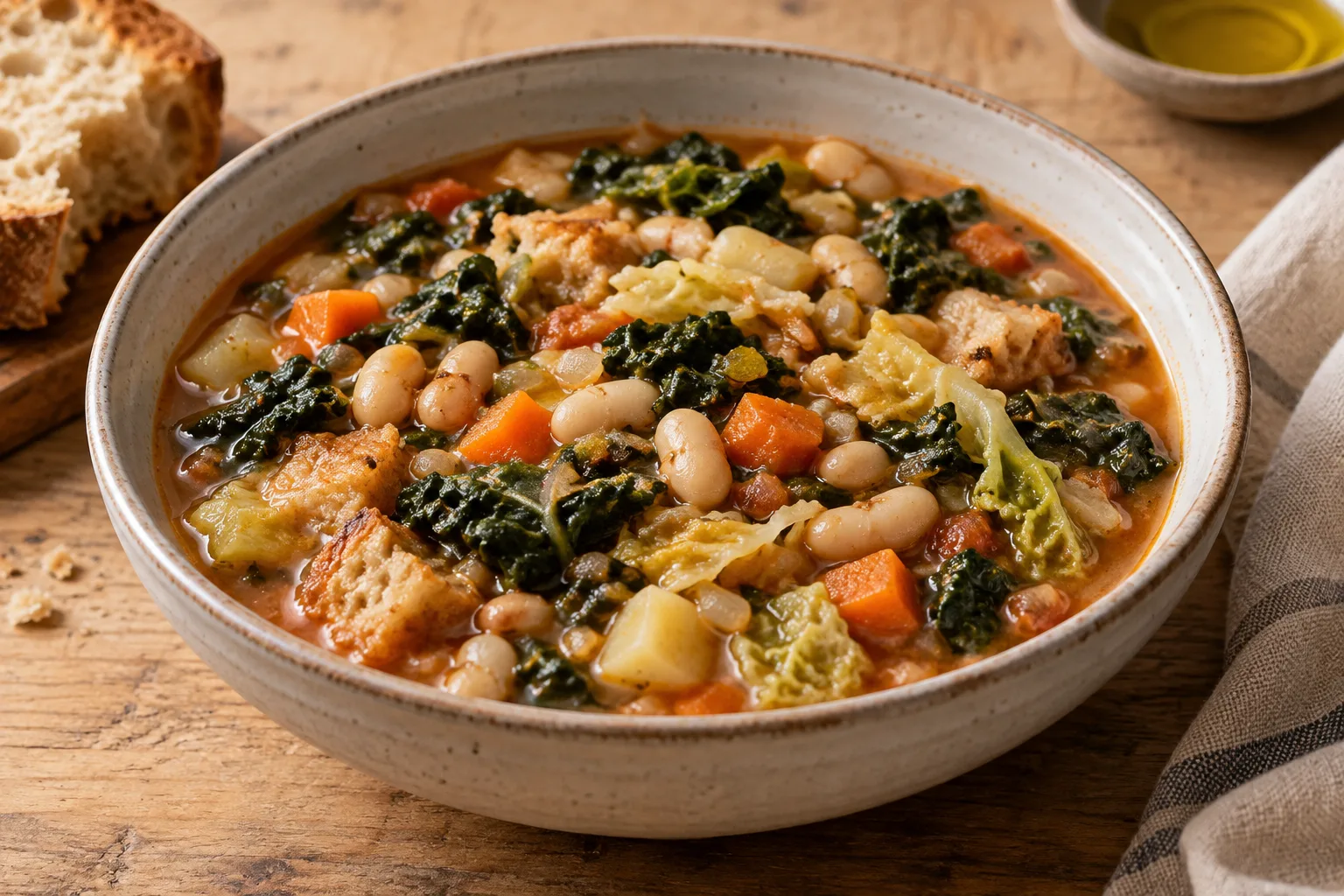
The name “bean cooking water or water” can refer to two distinct ingredients. Plain water is a neutral liquid used to hydrate a preparation, cook food, or adjust the consistency of soups and sauces. Bean cooking liquid is what remains after beans have been cooked; components from the legumes enter the liquid, which may have more color, flavor, and body. The term aquafaba is commonly used for legume cooking liquid, especially liquid from chickpeas and some beans. It should not be confused with uncooked soaking water. Its texture and culinary performance vary with the legume and the cooking method. So if a recipe relies on whipping a foam, plain water is not an automatic replacement for cooking liquid.
When to use it
Choose plain water when a recipe calls for a neutral liquid for cooking, thinning, or adjusting a dish and does not rely on a special function. Save bean cooking liquid for soups, stocks, and stews where its flavor fits, or to explore functions such as thickening, emulsifying, or foaming. Chickpea cooking liquid is especially well known in foamed preparations such as meringues or mousse. Because concentration and texture vary, results can differ from one batch to another. If you only have plain water, use it in a recipe that allows it; do not assume it will whip like aquafaba.
How to use it
To use bean cooking liquid, separate it from the cooked beans and add it as part of the liquid in a soup, stock, or stew, keeping in mind that it can add flavor and color. You can also try chickpea cooking liquid in preparations that need foam or emulsification; it can be whipped for foams and used in some meringues, mousses, or emulsified sauces. Consistency depends on how the legumes were cooked and how concentrated the liquid is, so different batches may behave differently. Plain water is useful for cooking, thinning, or adjusting a recipe when a neutral flavor is wanted, but it does not necessarily reproduce aquafaba’s functional texture. Do not confuse cooking liquid with raw soaking water: they are different liquids.
Flavour and texture
Plain water has a mild flavor and a fluid texture. Bean cooking liquid may be cloudier, more colored, or thicker, with a legume flavor; its qualities depend on the variety and cooking method. Chickpea liquid used as aquafaba can be viscous and slightly thick, a texture that helps in some foams and emulsions. Not all cooking liquids have the same concentration or culinary performance.
How to choose it
For plain water, use potable water suitable for cooking. To obtain cooking liquid, cook beans or chickpeas and reserve some of the liquid, or drain cooked legumes from a can or jar. If using a canned product, check its ingredient list and package information: liquid composition and flavor can differ between products. If you need a foam, do not assume every legume cooking liquid will have the same viscosity or give the same result.
Storage
The available material does not establish a safe storage period for bean cooking liquid. To avoid relying on an unverified time, prepare only the amount you plan to use or consult official local guidance for storing cooked foods. If using a packaged product, follow its storage directions. Do not confuse cooking liquid with soaking water.
Substitutions
Plain water can replace another liquid when a preparation needs only neutral moisture, but it does not have the foaming or emulsifying properties associated with aquafaba. Stock can provide liquid in a soup or stew, although it will also change the flavor. For a recipe that depends on aquafaba, try suitable legume cooking liquid rather than assuming plain water will work the same way.
Common mistakes
Confusing soaking water with cooking liquid, or assuming plain water and aquafaba are interchangeable, can change the result. Plain water is not expected to whip into foam. Legume cooking liquids also differ in texture, concentration, and flavor, so consider the type of legume and intended use before adding them.
Safety and allergens
Use potable water for cooking. For legume liquid, use a packaged product according to its label or liquid from cooked legumes; do not confuse it with uncooked soaking water. No validated storage period is provided here.
Culinary uses
- Base líquida para sopas y guisos
- Ingrediente funcional para espumas y emulsiones cuando se trata de agua de cocción de legumbres
Recommended techniques
- Añadir a sopas, caldos o salsas
- Batir el agua de cocción de legumbres para incorporar aire; el agua corriente no tiene por qué comportarse igual
Pairs well with
- Sopas y guisos de legumbres
- Aquafaba de garbanzos con preparaciones de merengue, mousse o salsas emulsionadas
Frequently asked questions
Is plain water aquafaba?
No. Aquafaba is the name used for legume cooking liquid, especially chickpea liquid. Plain water can serve as recipe liquid, but it should not be expected to foam or emulsify in the same way.
What can I do with bean cooking liquid?
Add it to soups, stocks, or stews when its flavor fits. Some legume cooking liquids are also used for functions such as emulsifying or foaming, but texture and results vary.
Can I use soaking water in the same way as cooking liquid?
They are different: cooking liquid has been heated with the legumes, while soaking water has not. Culinary uses of aquafaba call for cooking liquid, not raw soaking water.
Ingredient allergens
Allergen listThere are no verified associations for these ingredients yet.
Sources and review
Automatically researched, cross-checked and validated content. Sources consulted:
- Técnicas de cocción que mejor conservan los nutrientes Nutriendo www.academianutricionydietetica.org/que-comer/tecnicas-coccion-nutrientes/
- Agencia Española de Seguridad Alimentaria y Nutrición www.aesan.gob.es/
- Métodos de cocción: los tipos secos, húmedos y mixtos www.igi-la.com/blog/metodos-de-coccion-guia/
- Estofado - Wikipedia, la enciclopedia libre es.wikipedia.org/wiki/Estofado
- ¿Qué es lo que puede el agua? Límites y posibilidades de las prácticas políticas para el acceso y defensa del agua como derecho en Argentina | Agua y Territorio / Water and Landscape doi.org/10.17561/at.v1i2.1339
- Qué es y para qué sirve el aquafaba o líquido de cocción de las legumbres www.vitonica.com/alimentos/que-sirve-aquafaba-liquido-coccion-legumbres
- Agua de cocción de porotos: un ingrediente para alimentos saludables » UNLP unlp.edu.ar/investiga/cienciaenaccion/agua-de-coccion-de-porotos-un-ingrediente-para-aliment…
- Aquafaba, el ingrediente mágico. No volverás a desperdiciar el líquido de cocer legumbres www.directoalpaladar.com/ingredientes-y-alimentos/aquafaba-el-ingrediente-magico-no-volveras…
- Aquafaba/Liluva | CreatiVegan.net creativegan.net/archives/aquafaba-liluva/
- ¿Hay que tirar el agua de remojo de las legumbres? www.elmercadodeorigen.com/hay-que-tirar-agua-remojo-legumbres-se-puede-aprovechar/
- 6 Usos del agua de cocción de las legumbres | Legumbres Pedro legumbrespedro.com/2024/05/28/usos-agua-coccion-legumbres-pedro/
- Cocinar legumbres con agua blanda aquaidam.com/cocinar-legumbres-con-agua-blanda/
- COCCIÓN AL VAPOR: CÓMO PRESERVAR NUTRIENTES Y SABOR EN TUS VERDURAS www.alambique.com/blog/cocinar-al-vapor-n765?srsltid=AYCX9vIuIW-OcEw5jadKACsSqGB62Lucjatvprh…
- Tipos de cocción o métodos culinarios y sus efectos en los alimentos www.conasi.eu/blog/colaboradores-especiales/macrobiotica-aida-lirola/tipos-coccion-efectos-a…