- Category
- Meat
- State
- Fresh
- Usual unit
- g
What it is
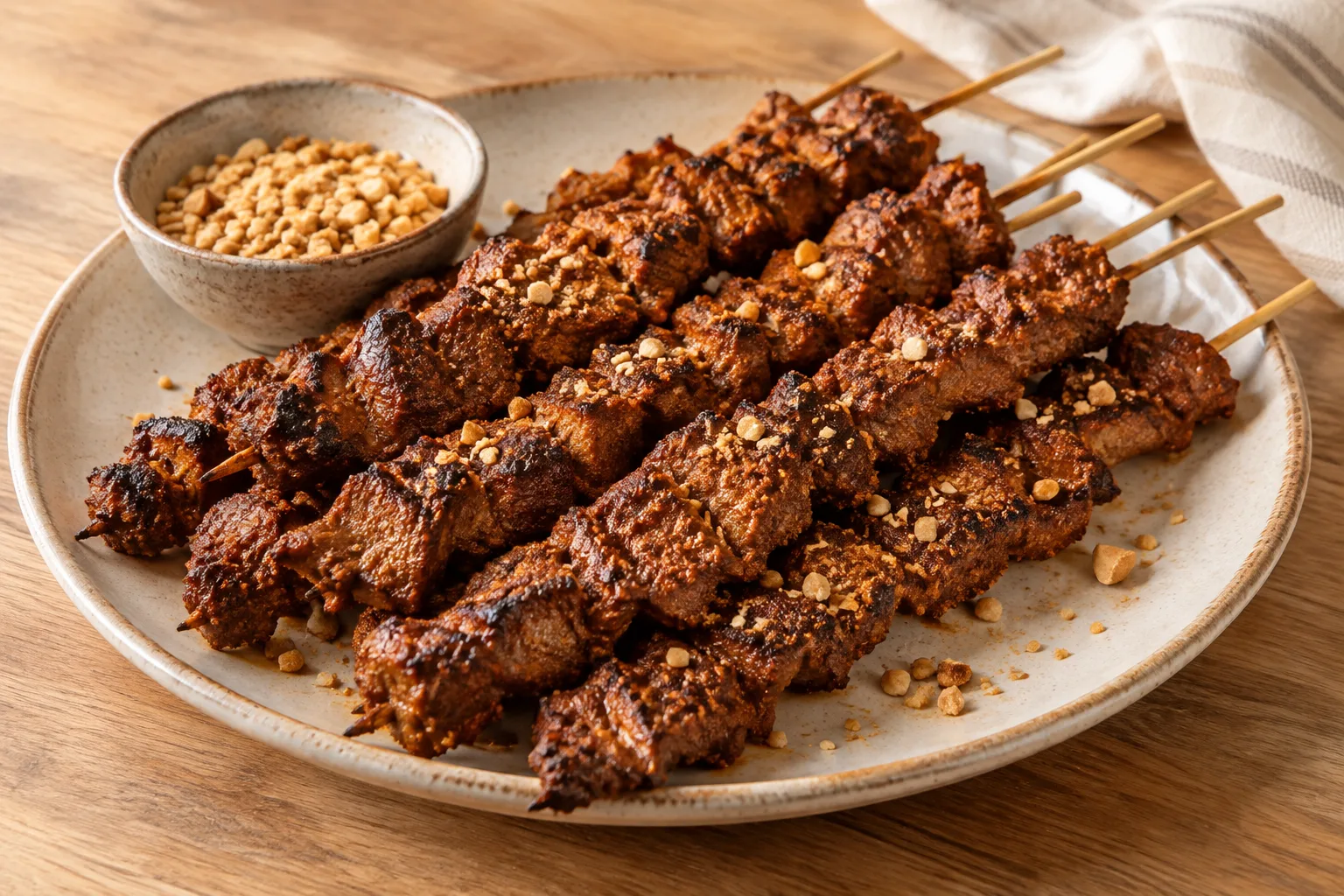
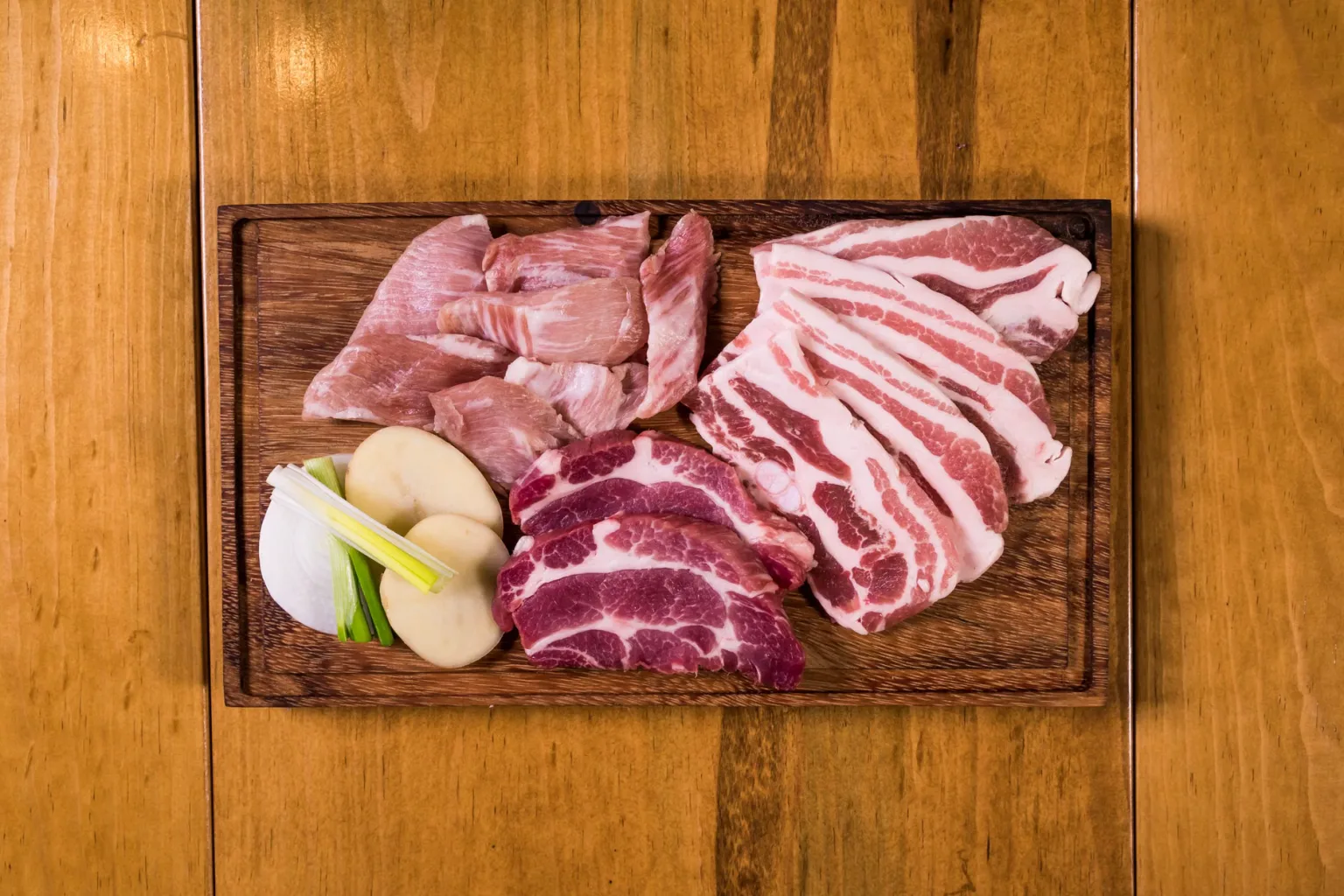
Beef for grilling is a culinary description for fresh beef selected for cooking on a grill or griddle; it does not name one particular cut or mean every piece will cook alike. Tenderloin and entrecôte are examples of cuts that can be grilled or griddled, while other cuts need a different approach. Thickness, shape and the amount of fat affect cooking and juiciness. When buying, ask which cut you are getting and choose a piece whose size and thickness suit the method you plan to use.
When to use it
Choose this ingredient when you want steaks or portions of beef cooked relatively quickly on a grill, griddle or heavy pan. Cuts with some exterior or marbled fat are often chosen for grilling and can be juicier. Do not assume every beef cut suits quick cooking: cuts intended for stews or longer cooking may remain tough if treated in the same way. If the piece is thick or uneven, adapt the method to the cut rather than relying on a universal cooking time.
How to use it
Identify the cut and pat the surface dry before cooking. Preheat the grill, griddle or heavy pan thoroughly; you can lightly coat the meat or cooking surface with oil. Cook without letting flames touch the meat directly, and wait until the first side is well browned before turning it. Cooking time depends on thickness, cut and preferred doneness, so no single timing works for every piece. For oven roasting, you can first brown the beef over high heat and then finish it in the oven. Seasoning at the end is an option for grilled or griddled beef.
Flavour and texture
Flavour and texture depend on the cut and on the amount and distribution of fat. A piece with exterior or marbled fat may be juicier and more flavourful, while a lean cut can dry out more readily if overcooked. A hot grill or griddle helps brown the surface, but tenderness varies between cuts; choose the cut to suit the texture you want.
How to choose it
Ask for the name of the cut and check that it suits grilling or griddling; “beef for grilling” can refer to different pieces. A reasonably even thickness helps the meat cook more evenly. For a juicier result, consider a cut with some exterior or marbled fat. If a sliced piece carries a quality or origin designation, check the accompanying label and product information.
Storage
Keep fresh beef refrigerated and follow the storage instructions and date on the package or provided by the butcher. Leave it in its packaging until you are ready to prepare it, and avoid leaving it at room temperature for extended periods. If you will not use it within the stated period, follow the supplier’s instructions for freezing; storage time can vary with the cut and packaging.
Substitutions
You can swap one grilling cut of beef for another, but do not assume they cook identically: thickness, shape, bone and fat affect the result. Boneless entrecôte can stand in for a bone-in cut, although portion size and cooking will differ. Choose a substitute for the cooking method and texture you want, not just by name.
Common mistakes
Do not put beef on a cold grill or turn it before it has browned. Keep direct flames off the meat, and do not apply one fixed cooking time to cuts of different thicknesses. Another common mistake is choosing a stewing cut and expecting it to become tender with a short grilling cook.
Safety and allergens
If the beef is marinated, seasoned or sold as a prepared product, check its ingredient and allergen information. Keep raw meat from contacting other foods, utensils or surfaces used for ready-to-eat food.
Culinary uses
- Main ingredient for grilled steaks and other beef cuts
- Sliced or portioned meat for griddling
Recommended techniques
- Grilling over a hot fire
- Cooking on a hot griddle or heavy pan
- Searing before oven roasting
Pairs well with
- Olive oil
- Aromatic herbs
- Wine or meat stock for accompanying juices
Frequently asked questions
Which beef cuts can I grill?
Tenderloin and entrecôte are examples of cuts that can be grilled or griddled. Ask about the specific cut, since not every beef cut is suited to quick cooking.
Should I choose beef with some fat?
Exterior or marbled fat can contribute juiciness and flavour. The best choice depends on the cut and the texture you prefer.
Can I use a pan instead of a grill?
Yes. A preheated heavy pan can cook steaks; watch the browning and adapt the cooking to the thickness of the piece.
Ingredient allergens
Allergen listThere are no verified associations for these ingredients yet.
Sources and review
Automatically researched, cross-checked and validated content. Sources consulted:
- Alérgenos alimentarios | EFSA www.efsa.europa.eu/es/safe2eat/food-allergens
- Client Challenge doi.org/10.2307/j.ctvndv9t9.22
- Etiquetado de sustancias que causan alergias e intolerancias alimentarias www.aesan.gob.es/seguridad-alimentaria/informacion-alimentaria/etiquetado-sustancias
- La Carne de Ternera: Sabor, Nutrición y Versatilidad en Tu Cocina - The Butcher Society www.thebutchersociety.com/la-carne-de-ternera-sabor-nutricion-y-versatilidad-en-tu-cocina/
- Ternera Gallega - USOS CULINARIOS www.terneragallega.com/usos-culinarios.html
- Allergies - Food Safety - European Commission food.ec.europa.eu/food-safety/campaign-2026/allergies_en
- Food Allergies | FDA www.fda.gov/food/nutrition-food-labeling-and-critical-foods/food-allergies
- Food allergens | Food Safety and Quality | FAO www.fao.org/food-safety/scientific-advice/food-allergens/en
- Allergen labelling for food businesses | Food Standards Australia New Zealand www.foodstandards.gov.au/business/labelling/allergen-labelling
- Allergen guidance for food businesses - GOV.UK www.gov.uk/government/publications/allergen-guidance-for-food-businesses/allergen-guidance-f…
- - YouTube www.youtube.com/watch?v=2lgjyLo_5CE
- Del Ganadero a tu Casa - Carne a domicilio de la Sierra Norte de Madrid | Partes de la ternera: ¿cuál va mejor para cada receta? www.delganaderoatucasa.com/partes-ternera/